Best African safari destinations compared, and the Masai Mara still leads. Not because it’s the biggest reserve or the cheapest option. It’s the combination: million-strong migration herds, conservancy camps limited to twelve guests, and a flight connection from Nairobi that takes 45 minutes. Peak season reserve fees run USD 200 per adult daily. Worth it if you know what you’re paying for.
I am James Gatheru, The CEO of Aj Kenya Safaris Ltd, I have guided in the Serengeti, spent months in Kruger, led walking safaris in the Lower Zambezi. When someone with a generous budget asks me where to go for their first African luxury safari, the answer’s been the same since 2016. The Masai Mara. But that isn’t a sales pitch.
The Mara has real drawbacks too. Some travelers belong in Botswana or northern Tanzania instead. But if we’re ranking the best African safari destinations by what the discerning traveler actually experiences, the Mara earns top position for specific reasons.
What Sets the Mara Apart
The Serengeti is larger. Kruger has better roads. The Okavango Delta offers water-based safaris. I’m not dismissing any of them.
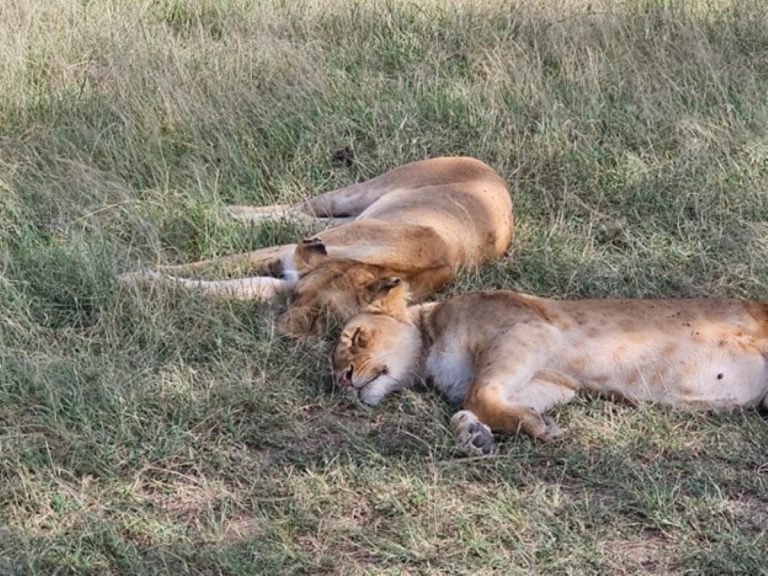
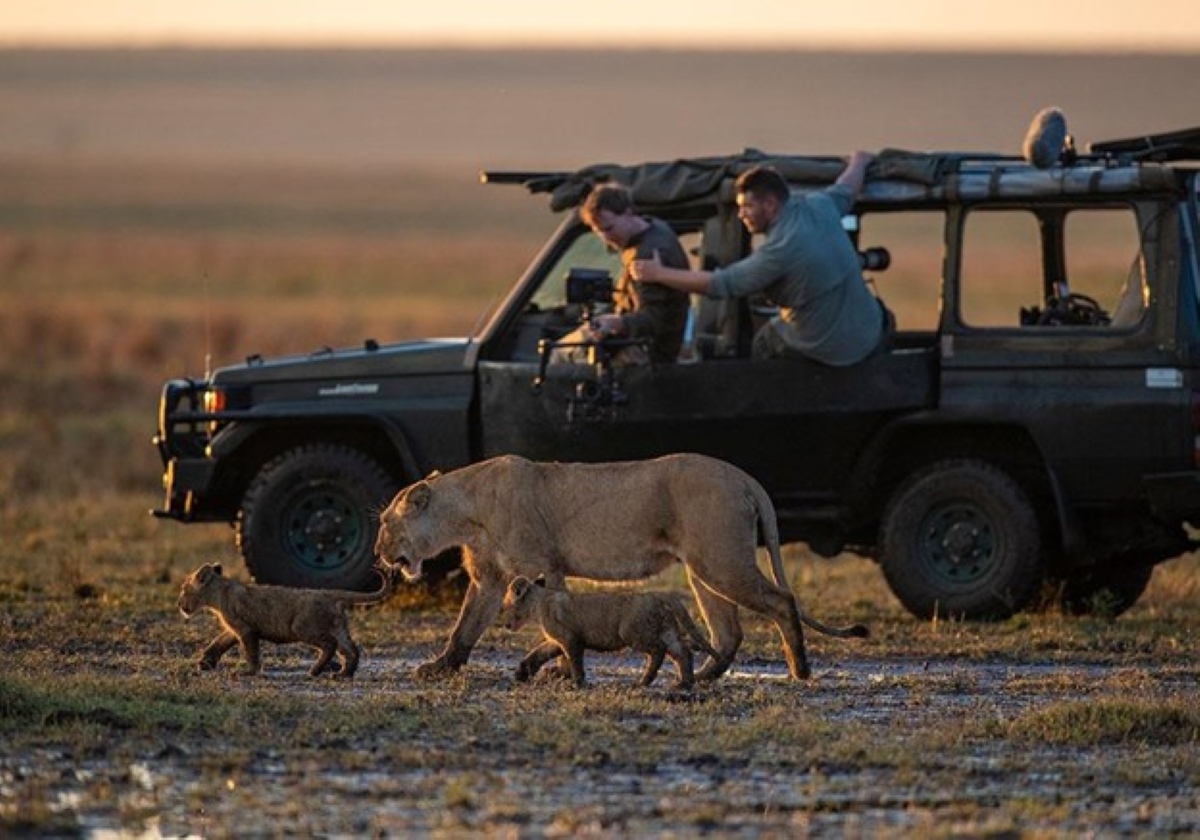
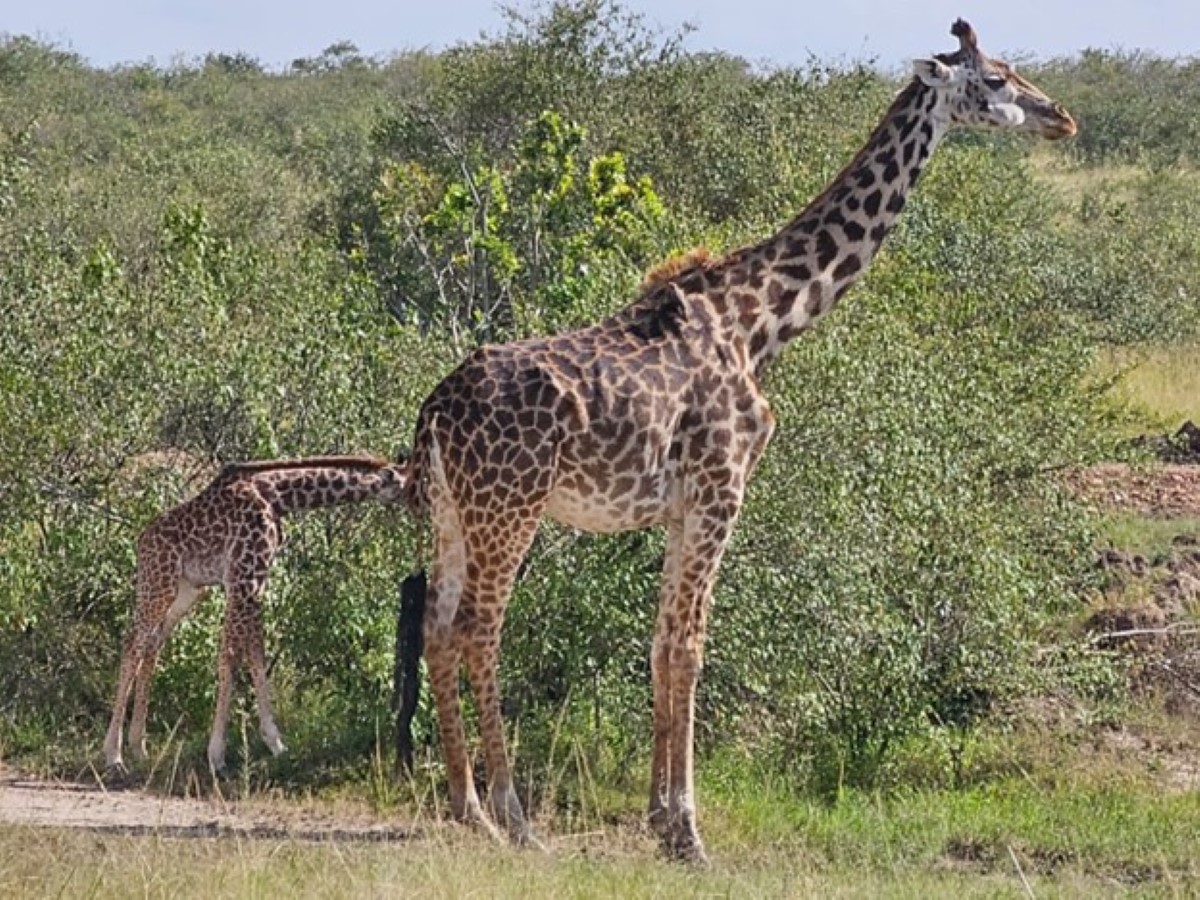
But the Masai Mara National Reserve delivers big cat sightings that are difficult to match anywhere on the continent. On a September drive near the Mara River, our vehicle counted eleven lions in a single morning. Three separate prides. The grass was still wet, and that distinct smell of damp savannah mixed with vehicle diesel hung in the air—an oddly pleasant combination that returning guests recognize immediately.
The reserve covers roughly 1,510 square kilometres, but the surrounding conservancies—Olare Motorogi, Naboisho, Mara North—add another 1,500 square kilometres. The conservancies limit vehicles strictly, sometimes to two per sighting. That’s the part first-time visitors miss.
I once spent 40 minutes watching a leopard with her cub in Olare Motorogi with zero other vehicles. Complete silence except for francolin calls. In the main reserve during August? Twelve Land Cruisers within five minutes. Both are the Mara. Very different experiences.
What Luxury Looks Like on the Ground
The word “luxury” gets thrown around too loosely in safari marketing. Let me be specific about what it means in the Mara context.
At camps like Angama Mara, perched on the Rift Valley escarpment, you’re sleeping in tented suites with 400-thread-count linens and a clawfoot bathtub. The sundowner wines tend to be South African—a Stellenbosch Pinotage or Graham Beck Méthode Cap Classique. Your private safari guide already knows you prefer leopards over lions because they briefed with your travel agent weeks in advance.
Mara Plains Camp runs six tents maximum. Cottar’s 1920s Camp has genuine period furniture, and the family has guided here since 1919. Richard Branson’s Mahali Mzuri offers something more contemporary.
Even Nairobi offers a preview. Nairobi National Park—USD 43 non-resident entry via the KWS eCitizen portal—sits twenty minutes from the city centre. Many luxury Mara packages include a half-day visit here before the bush flight. Rhinos with office towers behind them. Nowhere else does that.
Three Concerns Worth Addressing
“Is the Mara Too Crowded?”
In the public reserve during migration season—yes. I’ve seen thirty-plus vehicles at a single river crossing, guests standing on seats, guides shouting. It’s not what you imagine when you think “African safari experience.”
The conservancies solve this. Olare Motorogi caps vehicles so strictly you might be alone watching a cheetah hunt. Naboisho allows night drives and walking safaris. The conservancy supplement costs USD 130 extra daily, but for the luxury traveler it’s non-negotiable.
“What If We Don’t See the Migration?”
The most common concern I hear. The wildebeest don’t follow a schedule. One couple in 2023 flew in for the crossing, spent four days, saw zero crossings. They were gutted. What they did see: a leopard kill at dawn, two cheetah brothers hunting together, a hyena den with eight pups. The Mara delivers extraordinary wildlife whether or not the migration cooperates. Check the best time to visit Masai Mara guide for month-by-month detail.
“Is It Safe?”
Kenya’s had its share of security concerns. I won’t pretend otherwise. But the Mara region is remarkably safe for visitors. The camps have security protocols and the biggest genuine risk is the rough road from Nairobi—six hours of rattled vertebrae if you drive instead of fly. Licensed guide Daniel Ochieng, who’s worked the Mara for over a decade, puts it simply: “The animals are predictable once you know them. It’s the road that’ll surprise you.”
The Costs Nobody Talks About
Transparency matters more than polish. So here’s what a luxury Masai Mara safari actually costs in 2026.
Reserve entry fees: USD 200 per adult daily during peak season (July through December), USD 100 from January to June. Kids 9–17 pay USD 50. Under 8 free. Paid through the KAPS portal, not KWS eCitizen. The Mara is managed by Narok County. Conservancy fees run USD 130 per person daily, usually bundled into your camp rate.
A 4-night luxury package with a fly-in safari from Nairobi (about USD 200 one-way), full-board conservancy accommodation, and all fees comes to USD 3,478 to USD 7,200 per person depending on the camp. Detailed breakdown at Masaimara.co.ke.
One cost that catches people off guard: the 12-hour ticket validity. Your Mara entry ticket expires at 6pm the same day, regardless of when you purchased it. If you want an early morning game drive on your departure day, that’s another full fee. Your tour operator should have told you this. Many don’t.
When the Smart Money Visits
Everyone wants July to October. Migration season. Rates double, availability vanishes.
February is the Mara’s most underrated month. Green plains, calving season, big cats active because prey is plentiful. Park fees are USD 100 per day instead of USD 200. The trade-off: tall grass makes some species harder to spot.
A note on honesty: I’m partial to the Mara and that shapes my perspective. Travelers who prioritize gorilla trekking should look at Rwanda. Water-based safari people belong in the Okavango. If budget matters most, Kruger or Tanzania’s southern circuit delivers value at lower prices. The Mara’s strength is big cat density plus luxury infrastructure plus Nairobi proximity. It doesn’t win every category.
Your Next Step
If the Mara sounds right, start with a conversation rather than a booking. Masaimarasafari.travel connects travelers with licensed guides who’ll match you to the right conservancy and camp based on your priorities—whether that’s photography, big cats, or simply disconnecting from everything.
Frequently Asked Questions
How does the Masai Mara compare to the Serengeti?
Both share the same ecosystem and migration. The Serengeti is ten times larger, which means more driving between sightings. The Mara is more compact with higher predator density. For the luxury traveler who values proximity to wildlife, the Mara usually wins.
Do I need vaccinations for Kenya?
Yellow fever vaccination is required if arriving from an endemic country. Consult a travel clinic about malaria prophylaxis, typhoid, and hepatitis A. The Mara is a malaria zone—take this seriously.
Can I combine the Mara with a beach holiday?
Diani Beach on Kenya’s south coast is the most popular combination. Direct flights from the Mara run about USD 430 per person.
About the Author
Written by James Gatheru, a safari guide with over a decade of field experience across African national parks and conservancies.