
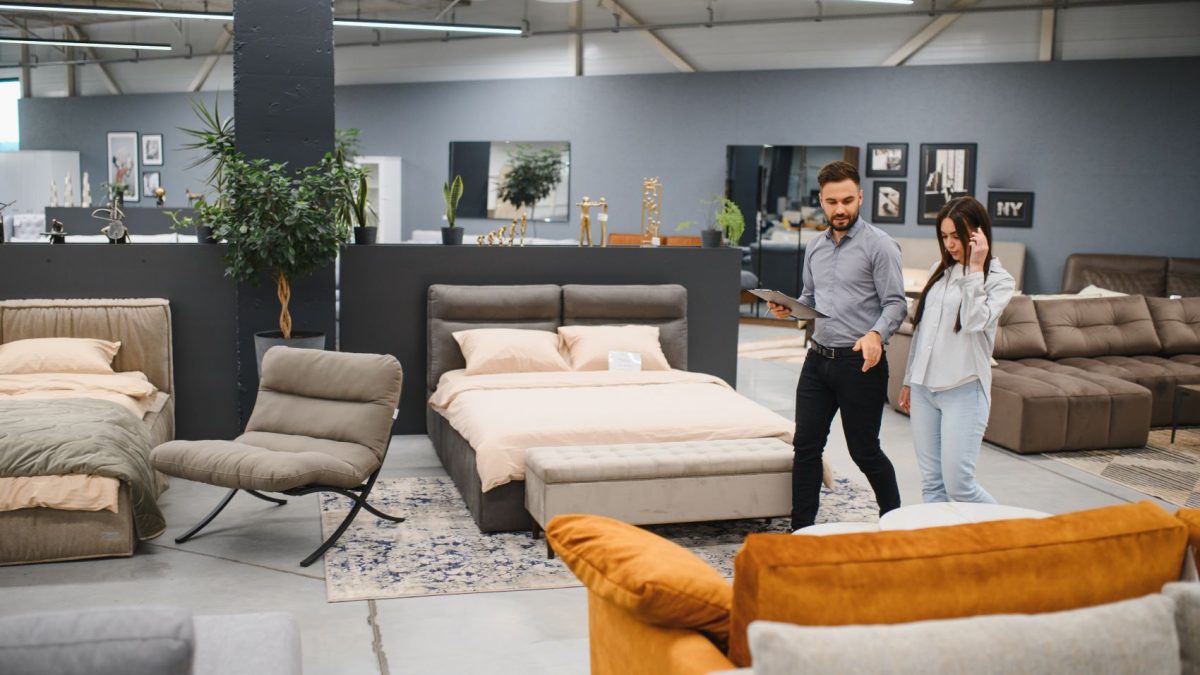
A home comes together through judgment, not luck. Rooms feel settled when furnishings support movement, storage, light, and daily routines all at once. Random buying often disrupts that balance, leaving awkward gaps, crowded corners, or finishes that clash with one another. A more informed method changes the outcome. With guidance rooted in space planning, households make steadier decisions, protect their budget, and create interiors that feel calm from the beginning.
Better Fit
Plenty of attractive pieces fail once they enter a real room. Scale, traffic flow, existing finishes, and family habits all affect whether a purchase will work. A personalized shopping experience gives those factors proper weight before money is spent. That kind of planning helps people choose furnishings, lighting, and accents that suit actual dimensions, support daily use, and keep the home visually consistent without requiring frequent replacements.
Budget Clarity
Careful spending starts with setting priorities. Households usually waste money when they buy in reaction to a sale, a trend, or a single photo. Guided selection keeps attention on durability, finish quality, and function before style claims the whole decision. That shift reduces expensive mistakes. It also helps people phase purchases sensibly, so each addition contributes to a complete plan rather than creating another problem to solve later.
Scale Matters
Poor scale can make a finished room feel unsettled. A deep sofa may narrow a walkway. Tiny bedside lamps can leave a large bed looking heavier than it should. Art hung at the wrong size often compresses a wall instead of opening it up. Thoughtful selection prevents those issues early. Measurements lead the process, giving furniture space to breathe and leaving circulation clear.
Light and Texture
Light changes every surface in a room. Morning sun can flatten pale fabrics, while evening shadows deepen wood grain and mute paint undertones. Texture matters just as much. Linen softens a formal setting. Glass reflects brightness into dim areas. Metal introduces crisp contrast when a scheme needs sharper definition. Careful guidance helps households assess those reactions before buying, which leads to spaces with greater depth and more consistent visual comfort.
Fewer Returns
Returns signal a weak decision process. Large pieces raise the stakes because delivery windows, repacking, and restocking charges can quickly turn one wrong choice into several headaches. Better planning lowers that risk. People review dimensions, fabric performance, finish samples, and placement before placing an order. Extra scrutiny saves time, preserves momentum, and keeps a room from stalling halfway through the furnishing process.
Daily Function
A room can look polished but still frustrate everyone who uses it. Side tables need a proper height beside a chair or bed. Dining seats should support long meals without strain. Storage must stay easy to reach. Rugs have to suit foot traffic and cleaning demands. Practical review keeps those concerns close at hand, so visual appeal never pushes comfort and usability into the background.
Emotional Ease
Too many choices can quickly drain confidence. People scroll through endless options, save dozens of images, then feel less certain than when they started. A focused process narrows the field with clear reasoning. That structure brings relief. Each recommendation has a purpose, whether it solves a layout issue, improves storage, softens acoustics, or strengthens continuity between areas.
Room Story
Strong interiors read as one connected composition. Color relationships feel steady. Shapes echo across rooms. Materials share a clear point of view without looking repetitive or stiff.
Lasting Cohesion
Guided selection protects that continuity from entry to bedroom. Every piece relates to the larger plan, which keeps the home from feeling like it was assembled in isolated bursts. The result is a calmer visual rhythm, with transitions that make sense and details that reinforce one another rather than compete for attention.
Long-Term Value
Well-chosen pieces usually age better, both visually and practically. They can handle layout changes, seasonal updates, and shifting household needs without losing relevance. That staying power matters because replacement costs add up fast, even when every single purchase seems modest. Careful buying reduces waste, limits regret, and leaves people with rooms that continue to feel useful, comfortable, and resolved long after installation day.
Conclusion
The way people shop for home interiors is more than just about appearance. It affects comfort, circulation, storage, maintenance, and the sense of ease a room provides every day. With stronger planning, households avoid costly missteps and make choices that respect both space and routine. Thoughtful guidance creates a better fit, clearer continuity, and more durable value. Over time, that discipline produces homes that feel coherent, functional, and genuinely lived in.