
Luxury has always evolved. What once meant obvious logos and visible excess has shifted toward discretion, intention, and longevity.
Today, true status is quieter. It shows up in how people care for what they choose to invest in.
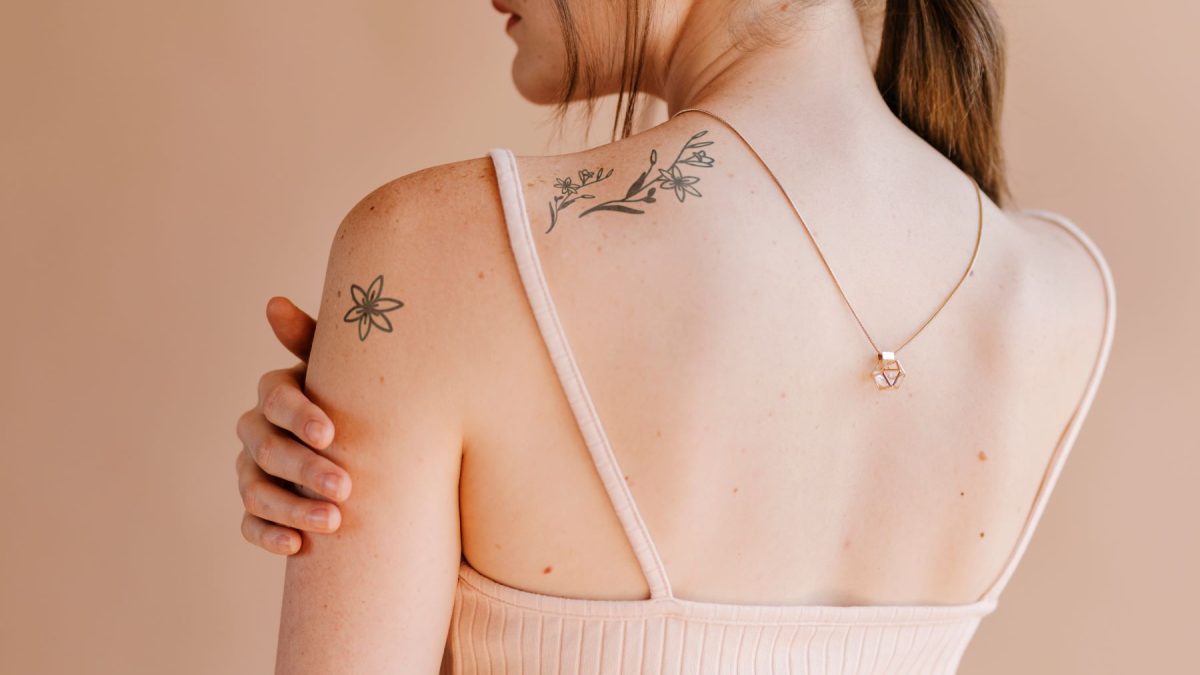
Tattoos, once framed as impulsive statements, now sit comfortably within this new definition of luxury.
The mark of discernment is no longer just the ink itself, but how well it is protected, preserved, and allowed to age.
When Luxury Moves Beneath the Surface
Modern luxury culture values knowledge as much as acquisition. Wellness routines, tailored skincare, and preventive health all signal a mindset that looks beyond the immediate moment.
Tattoos fit naturally into this shift. They are permanent, deeply personal, and often expensive works of art.
Yet the most critical phase of a tattoo’s life begins after the artist’s work is done, during healing.
Healing well is not flashy. It happens privately, over days and weeks. That invisibility is precisely why it has become a subtle status marker.
Those who understand the value of proper recovery are signaling patience, self-awareness, and respect for craftsmanship.
Tattoos as Personal Art, Not Impulse Accessories
High-quality tattoos are closer to commissioned art than fashion trends. They involve consultation, planning, trust, and technical mastery.
The best pieces are designed to live with the body for decades, not just photograph well in the first week.
Seeing tattoos this way changes the responsibility of ownership. Just as collectors protect paintings from light and humidity, tattoo collectors must protect skin during its most vulnerable phase.
Healing determines whether lines stay crisp, shading remains dimensional, and color retains depth. Treating aftercare casually undermines the very artistry people claim to value.
Healing Is Where the Real Investment Begins
A tattoo is controlled trauma. The skin responds by inflaming, repairing, and rebuilding. This biological process decides how ink settles and how evenly pigment remains distributed.
Poor care during this window can lead to excessive scabbing, uneven healing, and premature fading.
Those who take healing seriously understand that the session is only the beginning. Rest, cleanliness, moisture balance, and protection all shape the final result.
This is where long-term thinking separates the informed from the impatient. A well-healed tattoo does not just look better now; it ages better over time.
The Rise of Tattoo Aftercare as a Luxury Ritual
Aftercare has moved beyond generic advice and into the realm of intentional ritual.
Much like high-end skincare, it is about consistency, restraint, and choosing products that support the skin’s natural repair process.
This approach aligns with a broader cultural shift toward mindful self-maintenance.
For experienced collectors, proper tattoo aftercare is not an optional step or a basic checklist. It is part of preserving the integrity of the artwork and the health of the skin itself.
The ritual becomes an extension of taste, signaling that the wearer values longevity over shortcuts and understands that care is inseparable from quality.
What Seasoned Collectors and Artists Do Differently
Experienced tattoo collectors approach healing with discipline. They plan time to rest, avoid unnecessary exposure, and resist the urge to rush the process.
They know that overhandling, overexposure, or ignoring early signs of irritation can compromise results.
Artists notice this difference immediately. Clients who understand healing tend to return with tattoos that have settled cleanly and evenly.
Their skin holds ink better, ages more gracefully, and requires fewer touch-ups. Quietly, this earns respect. Knowledgeable aftercare is an unspoken language between artist and collector.
Status Is Not Loud, It Is Flawless Over Time
The most admired tattoos are rarely the newest ones. They are the pieces that look settled, intentional, and effortlessly integrated into the body. Well-healed tattoos do not shout for attention. They invite closer inspection.
Flawless healing signals control and foresight. It suggests that the wearer understands restraint and values outcomes that reveal themselves slowly.
In a culture increasingly focused on instant results, this patience stands out. It reframes status as something earned through care, not display.
A Cultural Shift Toward Intelligent Self-Maintenance
This approach to tattoos mirrors broader trends in luxury living. Wellness has replaced excess. Maintenance has replaced replacement.
From tailored clothing to curated skincare, the emphasis is on protecting investments rather than constantly chasing new ones.
Tattoos fit seamlessly into this mindset. They are part of a holistic approach to self-expression and care.
Those who heal well are not just protecting ink; they are aligning with a philosophy that values longevity, balance, and informed decision-making.
Quiet Care Is the Ultimate Flex
Luxury today is not about what everyone can see. It is about what lasts. Healing well reflects an understanding that true value unfolds over time.
Tattoos reward those who respect the process and accept that care is part of creation.
In this sense, impeccable healing has become the new status symbol. It is subtle, disciplined, and deeply intentional.
The quiet confidence of a tattoo that has been allowed to heal properly speaks louder than any trend ever could.