How Geography Shapes Pool-Centered Outdoor Design
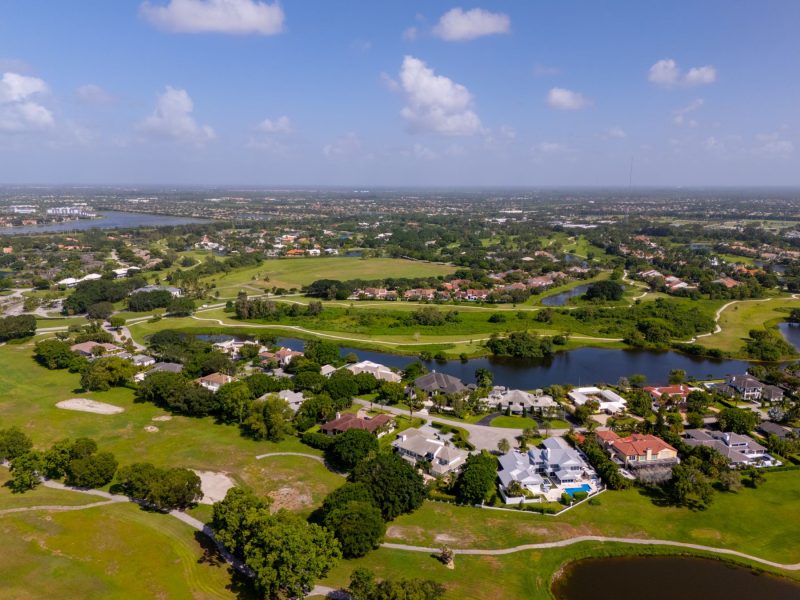
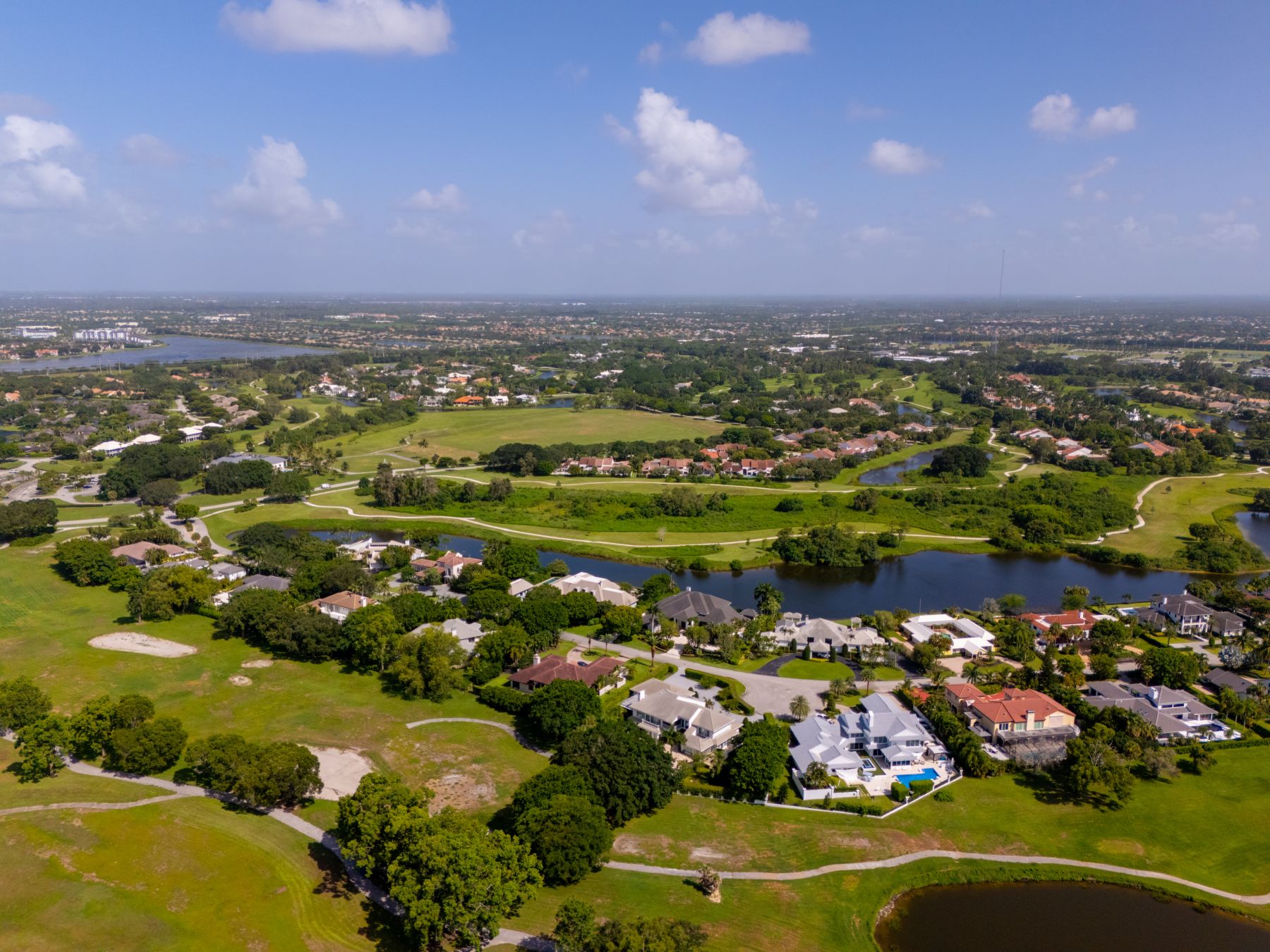
Outdoor living takes on different forms depending on location. In California, pools are often designed for year-round use, blending with open patios and minimalist landscaping. In Florida, tropical planting and expansive layouts influence how water features are positioned. Across the Northeastern United States, including Pennsylvania, pool design often focuses on seasonal use, space efficiency, and connection with other outdoor structures.
These regional differences shape how homeowners approach pools from the beginning. Where summers are shorter and property layouts vary, the pool is usually planned as part of a larger outdoor composition. It works alongside patios, covered areas, and landscaping to create a balanced environment with clear visual flow.
Across many Pennsylvania communities, especially residential areas with larger yards, homeowners often view the backyard as a connected system. Pools are planned with surrounding elements in mind, turning water into a central design feature that influences movement, seating, shade, and the overall outdoor experience.
Why Pools Have Become the Visual Anchor of Modern Backyards
Pools have become one of the strongest organizing elements in modern backyard design. Their placement affects how the entire outdoor space is experienced, from the view through the home’s windows to the way people move between lounging, dining, and garden areas. A pool placed with intention can make the yard feel balanced, open, and closely connected to the architecture of the house.
Water also changes the atmosphere of a space. Its reflective surface catches daylight, softens hard landscaping, and brings movement into areas that might otherwise feel static. Many contemporary backyards are designed around the pool because it naturally guides choices such as paving, planting, seating, shade, and lighting.
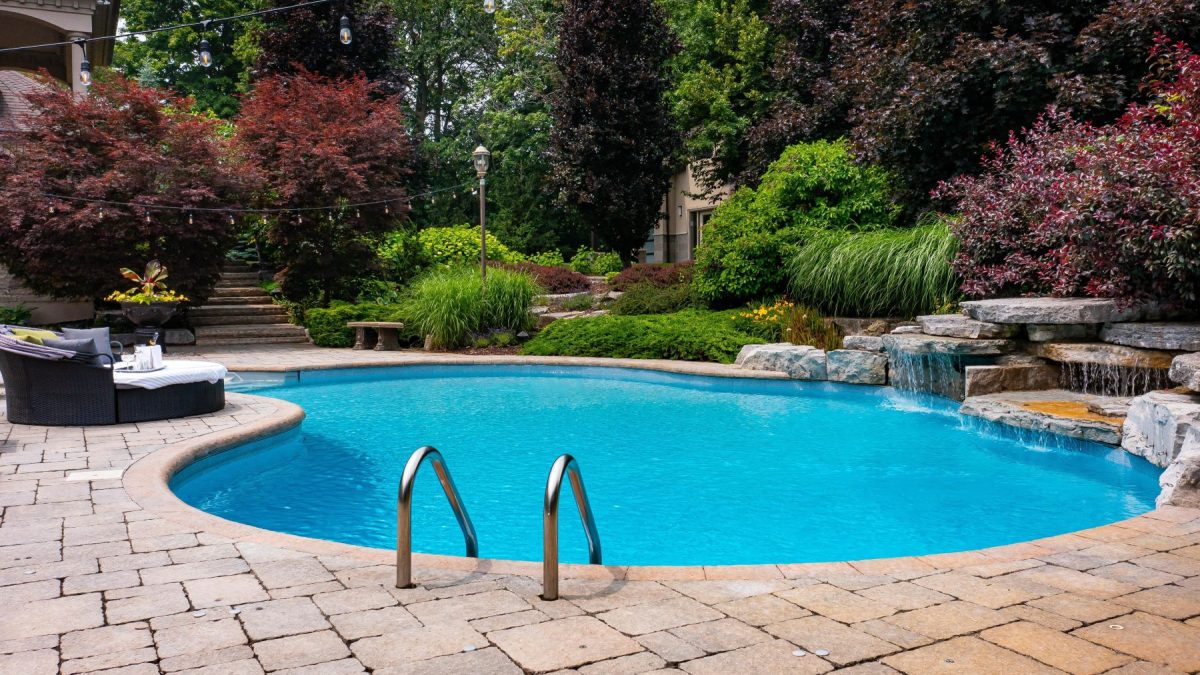
Shape plays an important role as well. A long rectangular pool can reinforce clean architectural lines, while a softer organic form may suit a garden-led setting. Smaller plunge pools can create an intimate focal point in compact yards, while larger pools can define an entire entertainment area. In each case, the pool influences proportion, rhythm, and the relationship between built and natural elements.
Regional Planning and the Role of Local Expertise
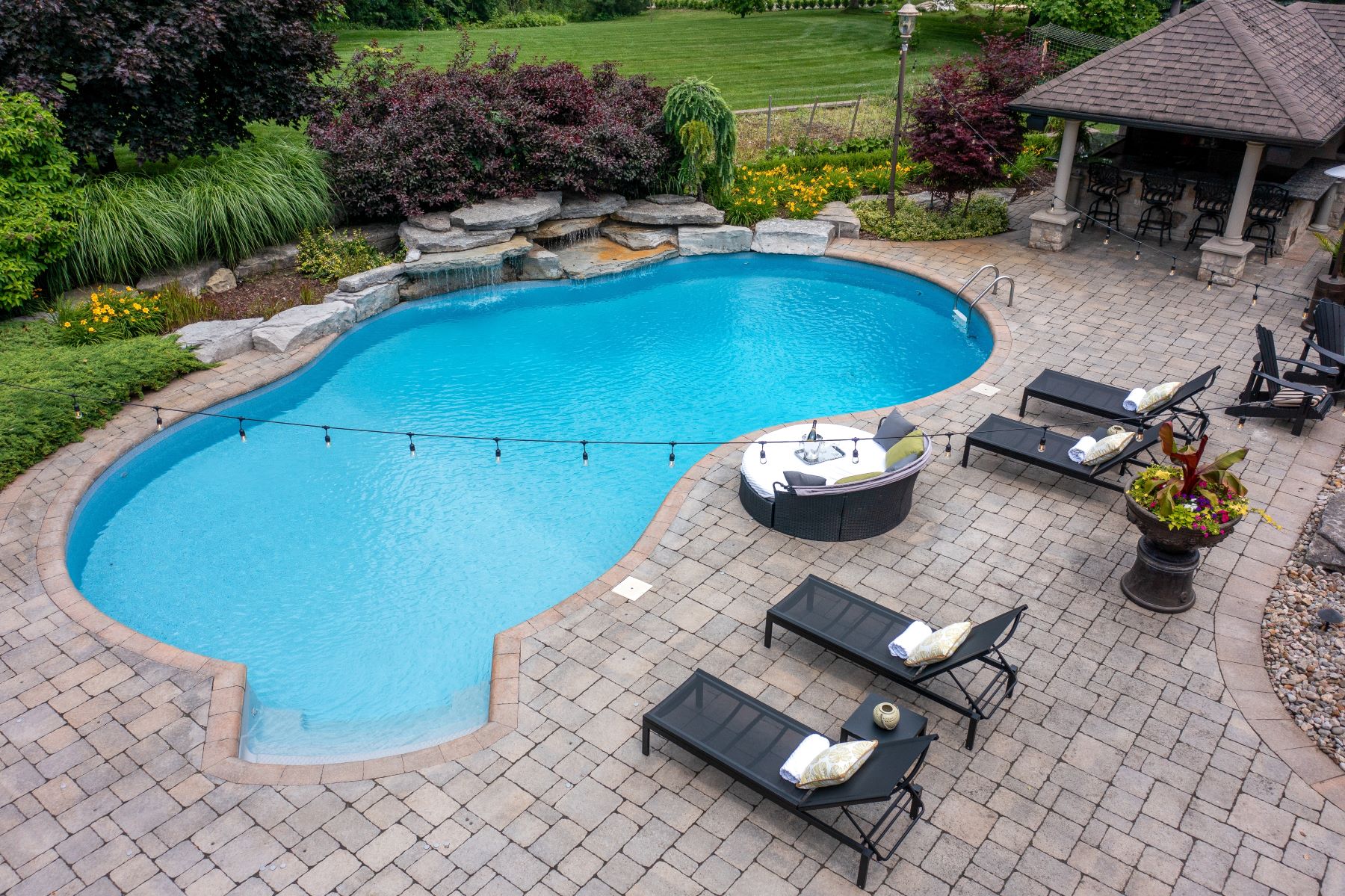
Designing a pool begins with understanding how geography influences outdoor living. Climate, property size, sun exposure, drainage, and seasonal use all shape how a pool should be positioned and integrated into the backyard.
In warmer regions such as Southern California or Arizona, pools are often designed for frequent use throughout the year. This leads to open layouts, minimal coverage, and strong visual connections between indoor and outdoor areas. In the Northeast, the approach is usually more layered. Pools are positioned to maximize sunlight during shorter summers while still working with covered structures and landscaping that extend comfort into cooler months.
In Pennsylvania, and more specifically Bucks County, this balance is especially important. Yards often serve several functions across the seasons, which means the pool needs to connect naturally with patios, greenery, pathways, and sheltered spaces. Homeowners comparing regional approaches may look at how pool companies in Bucks County, PA, approach layout planning, drainage, and integration with surrounding features when creating a cohesive outdoor environment.
This regional awareness helps ensure the pool fits the property, the climate, and the way the space will be used throughout the year.
Designing Around Water: Layout, Flow, and Function
Once the pool is positioned, the rest of the backyard begins to take shape around it. Each zone is planned in relation to the water, creating direction and purpose throughout the space.
Movement is one of the most important considerations. Pathways, stepping areas, and transitions between surfaces should feel natural and unobstructed. A well-placed pool supports smooth circulation, guiding people from the house to seating areas, then toward the water and beyond to other parts of the yard.
Zoning also becomes clearer when the pool acts as a reference point. Lounging areas are often placed where sunlight is strongest, while shaded seating or dining zones are positioned nearby for comfort. The relationship between these areas depends on proximity to the water, sightlines, and frequency of use.
Proportion is equally important. A pool that is too large can dominate the yard, while one that is too small may feel disconnected. The goal is harmony between the pool and the available space, so no single element overwhelms the design.
Materials and Finishes That Elevate Pool Design
Material selection affects how a pool is perceived within the overall backyard design. The surfaces surrounding the water, along with the finishes inside the pool, contribute to visual appeal, comfort, and long-term performance.
Natural stone creates a grounded, timeless look. It blends well with landscaping and softens the transition between built and natural elements. Lighter tones can reflect sunlight and keep surfaces cooler, while darker finishes create a more dramatic contrast against the water.
Concrete and porcelain pavers offer a structured, contemporary feel. Their clean lines work well with modern architecture, while their durability suits areas exposed to moisture and temperature changes.
Interior finishes also influence the appearance of the water. Subtle variations in tile color or plaster can shift the pool from soft blue to deeper reflective tones depending on light conditions. Coping, steps, and surrounding surfaces should feel cohesive, helping the pool integrate naturally into the wider landscape.
Integrating Pools with Surrounding Outdoor Features
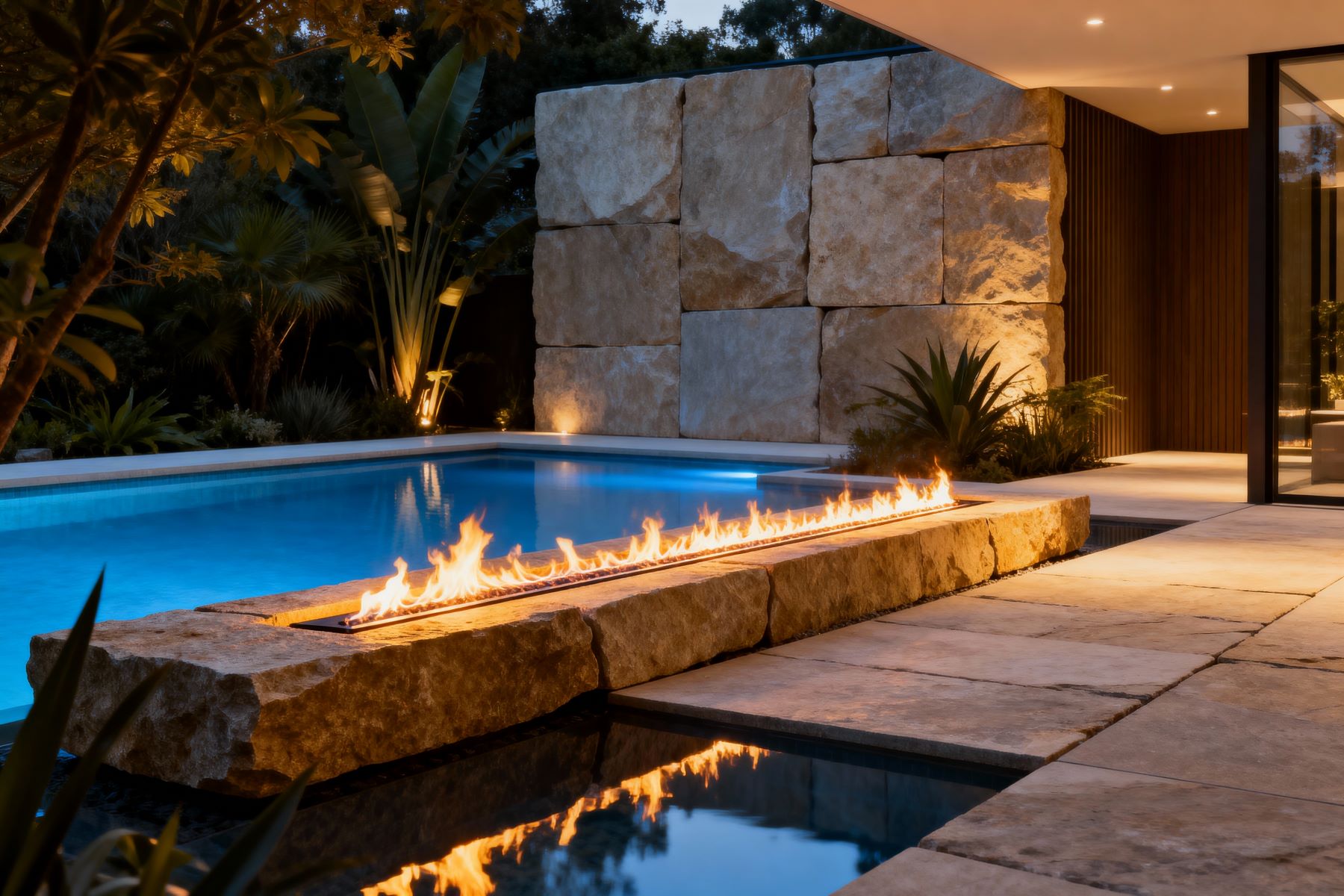
A pool rarely stands alone in a well-designed backyard. Its success depends on how well it connects with seating areas, greenery, covered structures, and open spaces. When these features are planned together, the entire environment feels more intentional.
Adjacent zones help define the experience. A nearby seating area allows for relaxation close to the water, while dining spaces positioned within view of the pool create a natural link between activity and leisure. Planters, low walls, and changes in surface material can separate these areas while preserving an open layout.
Covered structures, such as porches or pergolas, add shade and comfort while visually framing the pool area. When they use complementary materials or colors, they help unify the space rather than divide it.
Landscaping softens edges, guides movement, and creates a gradual transition between hard surfaces and natural surroundings. For anyone looking to better understand balance and flow in exterior spaces, exploring outdoor design principles can offer useful insight into how different elements work together.
Lighting, Ambience, and Year-Round Appeal
Lighting shapes how a pool is experienced after sunset. Underwater lighting highlights the movement of water, while surrounding fixtures add depth, safety, and atmosphere across the backyard.
Different lighting layers serve different purposes. Soft ambient lighting defines the overall mood, pathway lights improve navigation, and accent lighting can highlight landscaping or architectural details. When these layers are balanced, the space feels inviting without becoming too bright.
Comfort features also affect how often the pool area is used. Fire features, heated surfaces, and sheltered seating can extend outdoor enjoyment into cooler evenings and transitional seasons. In regions with varied climates, these additions help the pool area feel connected to the home even when swimming is not the main activity.
The Long-Term Impact of a Well-Planned Pool Design
A carefully planned pool has a lasting influence on how a backyard is experienced. It shapes daily routines, encourages time outdoors, and creates a setting for relaxation and social connection.
From a design perspective, a well-integrated pool improves the overall composition of the property. It brings structure to the outdoor layout and helps connect different elements into a cohesive whole. This sense of organization can make the entire space feel more intentional and visually appealing.
For homeowners refining their outdoor environments, browsing modern outdoor living ideas can provide inspiration on how pools and surrounding features work together in residential design.
A strong pool design supports how the space is used, making the backyard more functional, comfortable, and enjoyable over time.
Water as the Center of Outdoor Experience
The role of the pool in modern backyard design continues to evolve. It influences layout, guides movement, and brings balance to outdoor spaces shaped by climate and lifestyle.
When planned with intention, a pool becomes the feature that connects everything around it. It defines how the space looks, how it functions, and how it is experi