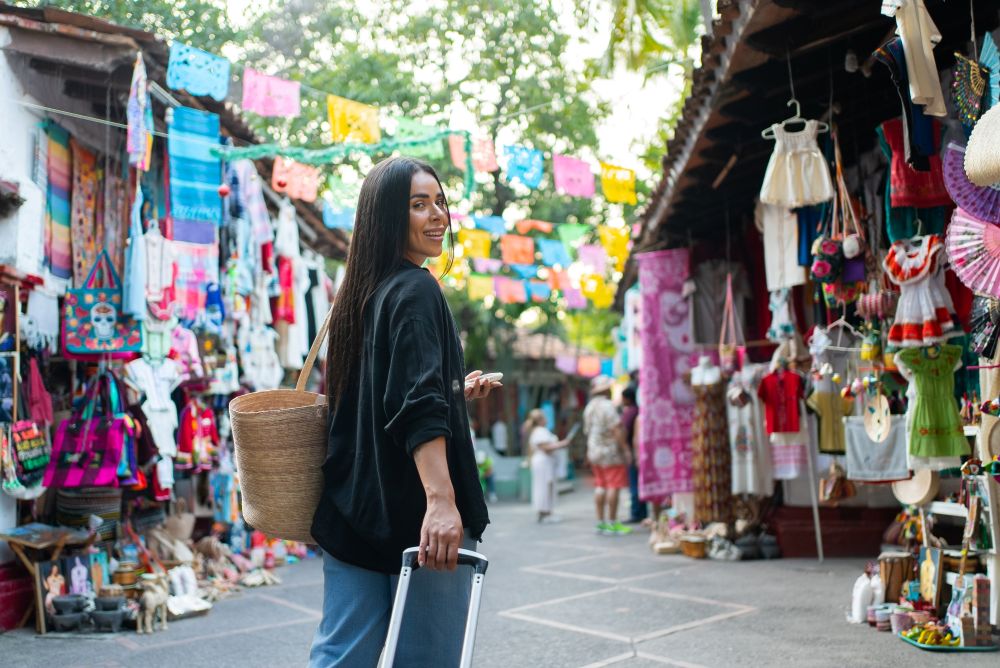
Luxury travel used to have a wonderfully simple packing philosophy: bring excellent clothes, leave everything else to the hotel. That formula is changing. Today’s Mexico-bound traveler may arrive with multiple devices, camera equipment, specialized sports gear, wellness technology, gifts, a pet and enough personal infrastructure to turn a villa in Los Cabos or Punta Mita into a home for several weeks.
That makes understanding the Mexico declaration of goods more relevant than it might sound. Customs isn’t just a question for travelers arriving with obvious commercial merchandise.
The more a vacation resembles temporary living, the more useful it becomes to understand where Mexico draws the line between ordinary personal baggage, a duty-free allowance and goods that need to be declared.
Luxury Travel Is Starting to Look Like Temporary Living
The shift is already visible in how affluent travelers use Mexico.
A recent JustLuxe feature on living between two countries highlighted Americans spending extended periods in destinations including Los Cabos, Mexico City, San Miguel de Allende, Puerto Vallarta and the Riviera Maya. Once a two-week holiday becomes six weeks in a villa, or a recurring season every year, the contents of the suitcase change too.
A laptop becomes essential. Tennis, golf, diving or photography equipment comes along. Travelers bring favorite devices, gifts for hosts, specialty products and sometimes supplies they would never bother packing for four nights at a resort. As stays become longer, however, the practicalities extend beyond luggage to accommodation, customs requirements and local regulations, with an assured shorthold tenancy agreement reflecting the kind of legal considerations that can arise around longer-term living arrangements.
The useful question for 2027 is therefore no longer simply, “How much luggage am I taking?” It is, “What exactly am I bringing across the border?”
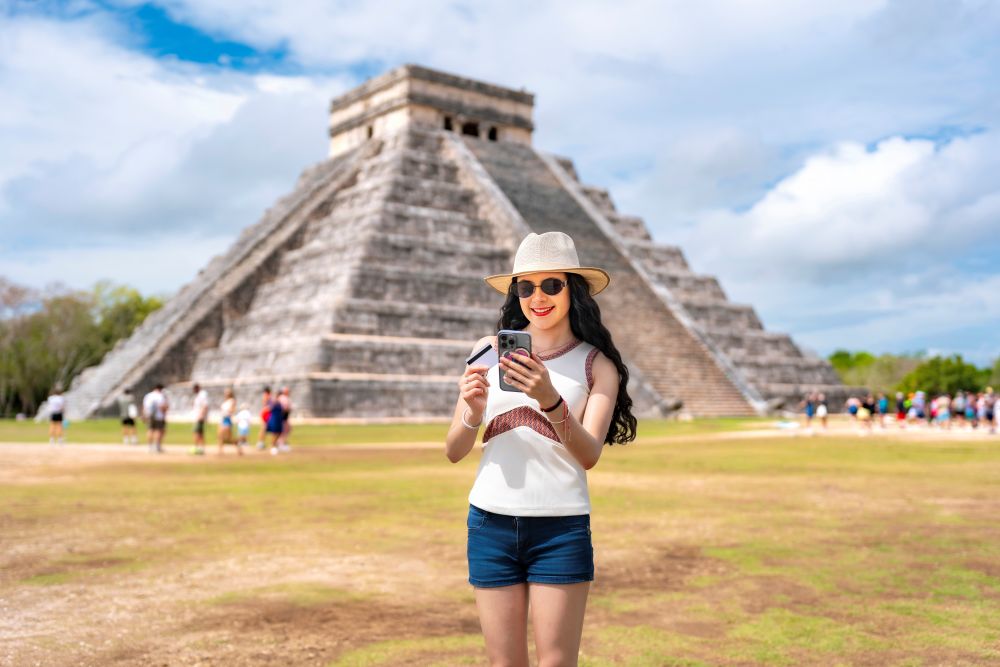
There Is a Difference Between Baggage and an Allowance
Mexico’s current customs rules are more specific than many travelers realize.
According to Mexico’s National Customs Agency, personal baggage can include ordinary clothing and toiletries, along with defined quantities of technology and leisure equipment.
Its current Aduana Fácil guidance also provides passengers with a duty-free allowance of up to US$500 in goods beyond personal baggage, regardless of whether they enter by land, air or sea.
For families arriving together on the same mode of transportation, those allowances can be combined.
This matters because price alone does not tell the whole story. A device someone has clearly been using personally is different from several boxed, newly purchased items that could look like merchandise or gifts.
Receipts can therefore be more useful than travelers expect, especially when carrying newly purchased goods.
The Modern Work Kit Deserves a Second Look
The portable office has become another customs wrinkle.
Mexico’s detailed customs information for international passengers currently lists, among other personal-baggage items, up to two portable computers, two tablets, three mobile phones and two photographic or video cameras.
That is generous for an ordinary traveler. But creators, photographers, executives and entrepreneurs may travel very differently.
Several camera bodies, lighting equipment, specialist audio equipment, product samples or technology intended for professional work can fall outside what someone casually thinks of as “my normal luggage.” Mexico’s declaration process specifically asks travelers about professional work equipment.
For anyone combining a 2027 escape with a campaign shoot, remote production or extended work period, customs should become part of pre-production, not something discussed beside the baggage carousel. Even fun creative projects, such as putting together social content with an online meme creator, can be part of the work travelers plan to do while abroad.
The Villa Kitchen Can Create Its Own Border Problem
There is another increasingly common luxury-travel habit: bringing the experience with you.
Perhaps a private chef has requested a particular ingredient. Maybe someone is carrying artisanal food as a gift, specialty supplements for a wellness stay or favorite products for several weeks in a private residence.
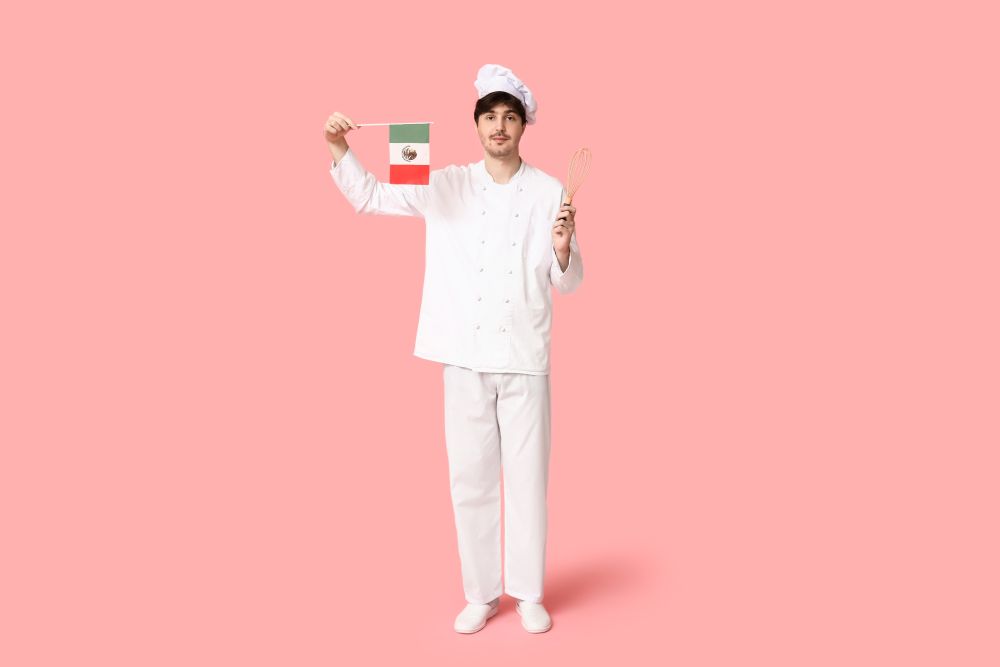
Food is one category where assumptions are risky.
Mexico’s customs guidance specifically directs travelers carrying items such as meat, food, plants, flowers, fruit, seeds and certain biological products to seek customs assistance. Agricultural and sanitary rules can change in response to disease or pest risks, meaning something that traveled without difficulty on a previous visit should not automatically be assumed acceptable next time.
The more curated the villa pantry becomes, the more important it is to check what can actually cross the border.
Bringing the Dog Became More Complicated in August 2026
One of the most interesting recent changes has nothing to do with luggage.
For travelers from the United States who treat Mexico as a second home, bringing the family dog is increasingly routine. But USDA APHIS now states in its current pet-travel guidance for Mexico that, effective August 3, 2026, Mexico requires an inspection document addressing New World screwworm for pet dogs traveling from the U.S.
For dogs originating in and traveling from the United States, the document must be signed by a USDA-accredited veterinarian and issued no more than five days before travel. The animal is also subject to inspection on arrival.
That five-day window is exactly the kind of detail worth knowing before a 2027 villa stay. A private flight, chauffeured transfer and fully staffed residence cannot compensate for a health requirement that needed attention before departure.
Plan the Border Day, Not Another Packing List
The most effective preparation is not creating yet another master folder of travel documents. It is designing the arrival day backwards.
Ask three questions several weeks before travel:
- What is coming with us that we would not bring on an ordinary vacation?
- Which items are new, unusually valuable, numerous or connected with professional activity?
- Has anything changed since our last trip?
Then check again shortly before departure, especially for pets, food, agricultural products and regulated goods. Rules responding to animal or plant-health concerns can evolve faster than a yearly travel routine.
For travelers planning Mexico in 2027, this approach preserves something more valuable than baggage space: flexibility.
Modern luxury increasingly means being able to live comfortably almost anywhere. The irony is that the more seamlessly travelers move their lives across borders, the more attention they should pay to what is moving with them. A truly effortless arrival begins before the suitcase closes.