Ask people what they would change about their face, and a surprising number point to the same small zone between the brow and the cheekbone. Friends tell them they look tired when they feel fine. Concealer settles into creases by midafternoon, and the upper lids seem heavier in photos than they did a few years ago. For a growing group of patients, the goal has shifted away from looking younger in any dramatic sense and toward something harder to name, a face that simply looks awake and well slept.
A Small Area With Unusual Demands
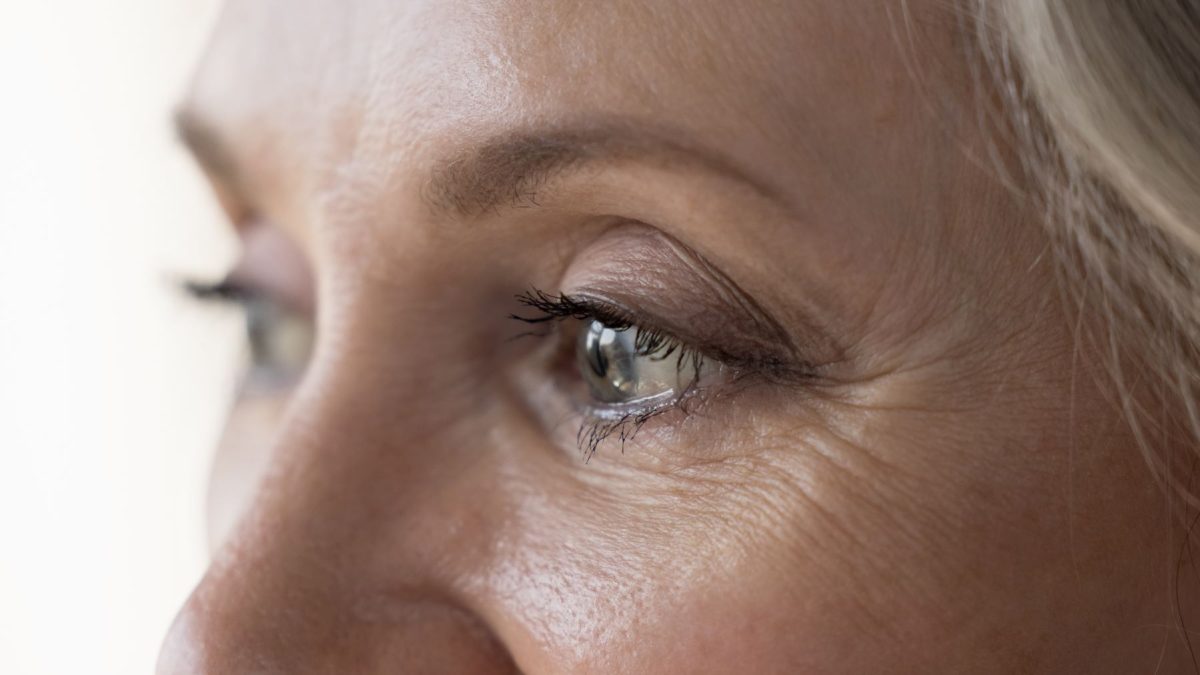
The skin around the eyes is among the thinnest on the body, and it sits over a crowded arrangement of muscle, fat pads, ligaments and the delicate structures that keep the eye moist and protected. Small changes in this area show up quickly. A few millimeters of lid position can alter how alert someone appears, and minor shifts in volume under the eye can cast shadows that read as fatigue across a room. That is also why products and techniques that work well on the cheek do not always translate to the lids.
The function of the eye matters just as much as appearance. An eyelid that closes poorly after surgery can leave the eye dry and irritated, and a lower lid pulled out of position can change how tears drain. Careful planning around those risks is part of why consultations for eyelid work tend to include vision and tear assessments along with photographs.
Research usually starts long before any appointment, often with a phone camera and a late-night search. In a large metro area the results can be dizzying, and a practice name like Dr. Amjad Z. Ahmad | Chicago Plastic Surgery may sit on the same results page as a hospital eye institute, a dermatology group and a med spa. Sorting through that list is easier once a person understands what is actually happening to their own lids.
Droopy Lids Are Not All the Same Problem
Two people with similar-looking heavy upper lids may need completely different procedures. In one case, the main issue is extra skin that folds over the lid crease, often joined by some fat that has shifted forward with age. In the other, the muscle that lifts the lid has stretched or detached from its attachment, so the lid margin itself sits lower over the eye. Doctors call that second condition ptosis, and it can affect peripheral vision as well as appearance.
The difference changes the treatment plan considerably. Excess skin is usually addressed with upper blepharoplasty, which removes a measured amount of skin and sometimes fat through an incision hidden in the natural crease. Ptosis repair tightens or reattaches the lifting muscle, and it calls for precise adjustment because small changes in height make a visible difference between the two eyes. Some patients have both issues at once, and the procedures can be combined.
Many patients read up on ptosis before booking anything, and some land on https://www.chicagoeyelids.com/chicago-ptosis-repair-surgery along the way. An in-person examination is still what settles the question. Measurements of lid height, muscle function and visual fields help determine whether the concern is mainly cosmetic or also functional, which can matter for insurance purposes in certain cases.
The Brow Has a Say Too
A descended brow is often the hidden culprit behind heavy lids. When the brow drops, it pushes skin down onto the upper lid, and removing lid skin alone may leave the result looking unfinished or even pull the brow lower. Surgeons who focus on this area tend to evaluate the brow, the lids and the forehead as one unit before deciding which layer actually needs attention. In some cases a brow procedure, alone or combined with lid surgery, gives a more natural result than removing extra lid skin by itself.
Under-Eye Hollows and the Filler Question
The lower lid brings its own set of decisions. With age, the fat pads beneath the eye can bulge forward, the cheek can lose some volume, and the groove between them, often called the tear trough, becomes more defined. The result is a shadowed line that makeup struggles to hide, even on people who sleep well and follow a careful skincare routine.
Hyaluronic acid fillers have become a popular nonsurgical option for softening that groove. Placed carefully along the bone, a small amount can blend the transition between lid and cheek for a period that often lasts many months, and the product can be dissolved if needed. The catch is that the under-eye area is one of the more demanding places to inject, because thin skin can reveal lumps or a faint bluish tint when filler sits too shallow.
Blood vessels in the region add another layer of risk, and serious complications, while rare, are documented in the medical literature. Patients who have true fat bulges rather than hollows may also find that filler makes the area look puffier. In those cases, lower blepharoplasty is often the more fitting choice, and many surgeons now reposition the bulging fat into the hollow beneath it instead of simply removing it, sometimes through an incision on the inner surface of the lid.
Recovery, Downtime and Realistic Timelines
Most people who opt for eyelid surgery want to know how long they will look like they had something done. Swelling and bruising typically peak in the first few days and fade over one to two weeks, though subtle swelling can linger for longer. Cold compresses, head elevation and limits on strenuous activity form the usual early routine, and many patients return to desk work within about a week, often with tinted glasses for a while.
Filler appointments involve far less downtime, though the bruising can still be inconvenient. People who book tear trough filler chicago a few days before a wedding or a big presentation are often surprised that a small bruise under the eye can take most of a week to clear. Scheduling treatment well ahead of any event, and avoiding several procedures stacked right before it, spares a lot of last-minute concealer.
Results also take time to settle. Eyelid surgery may look its best after a few months once residual swelling resolves, and asymmetry in the early weeks is often temporary. Patients who understand that timeline tend to report higher satisfaction than those who judge the outcome in the mirror the morning after.
Scars from upper lid surgery usually sit in the natural crease and fade over several months, though they can look pink at first. Sunscreen and sunglasses help protect healing skin, and most surgeons schedule follow-up visits to check lid position and tear function as the swelling goes down. Sudden pain, a change in vision or rapidly increasing swelling warrants a prompt call to the surgeon’s office instead of a wait-and-see approach.
Credentials deserve a careful look, since they often get blurred in advertising. Board certification and a clear track record with eyelid procedures are reasonable starting points, and before-and-after photos should show people with similar anatomy and concerns. A consultation should also include a frank discussion of risks and limits, and a careful specialist will sometimes advise doing less, or nothing at all.
The appeal of eye-area treatment lies in its restraint. When it is done well, nobody comments on new eyelids or smoothed hollows, and friends simply mention that the person looks rested, as though a long vacation had finally caught up with them. That small, almost invisible change is exactly what many patients are after, and it rewards patience far more than haste.