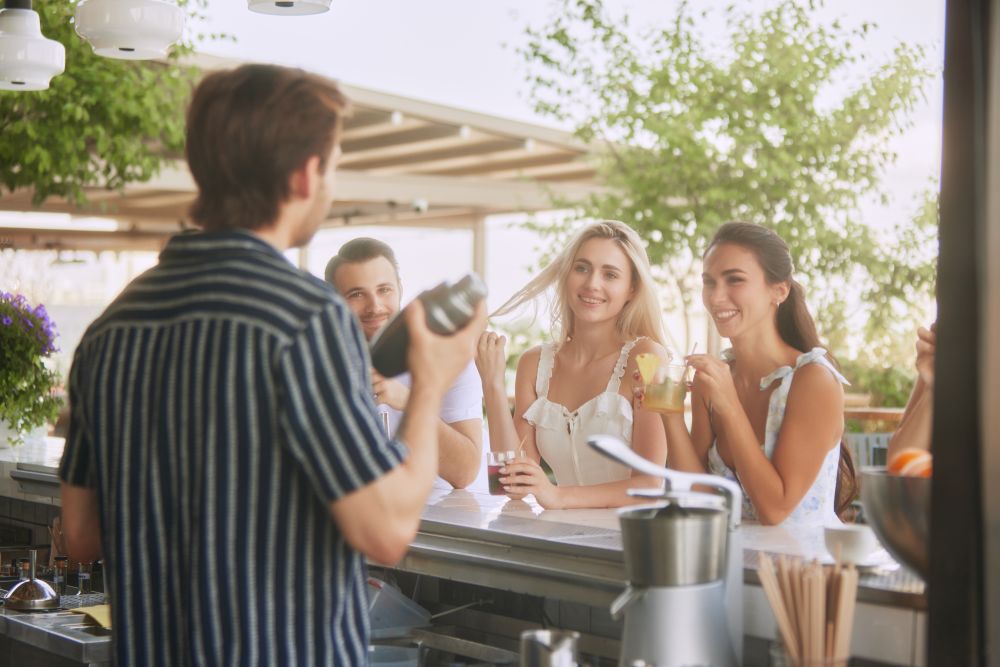
There is a specific feeling that comes with visiting a great hotel bar. The lighting is low, the bartender clearly understands the craft, and each drink arrives looking as though someone genuinely considered every detail before placing it in front of you.
For years, that experience remained inside hotels and cocktail lounges. Recently, a growing number of hosts have started bringing it home—and not in a casual way. They are studying the craft, taking classes, hiring the same caliber of talent found behind leading hotel bars and making cocktails an integral part of how they entertain.
In short: Luxury hosts are increasingly treating cocktail hour like a hotel-bar experience. They are either learning professional mixology techniques themselves or hiring experienced bartenders rather than relying on a stocked liquor cabinet and good intentions.
Key Takeaways
- Luxury hosts are combining genuine mixology skills with hotel-caliber presentation at home.
- Hands-on classes teach the techniques that separate a good cocktail from a great one.
- Professional bar services provide the polish needed for larger gatherings that a host cannot manage alone.
- Fresh ingredients and proper glassware often matter more than an expansive liquor collection.
- A well-run bar gives an evening a focal point that food alone rarely creates.
This is not the same as the home-bar trend from a decade ago, when a good bottle of whiskey and a matching set of glasses qualified as a serious setup.
What is happening now goes further. Hosts want the actual skill—or at least reliable access to it—and they want guests to feel as though they have stepped into something closer to a proper cocktail lounge than a living room with a liquor cabinet in the corner.
Why the Hotel Bar Became the Benchmark
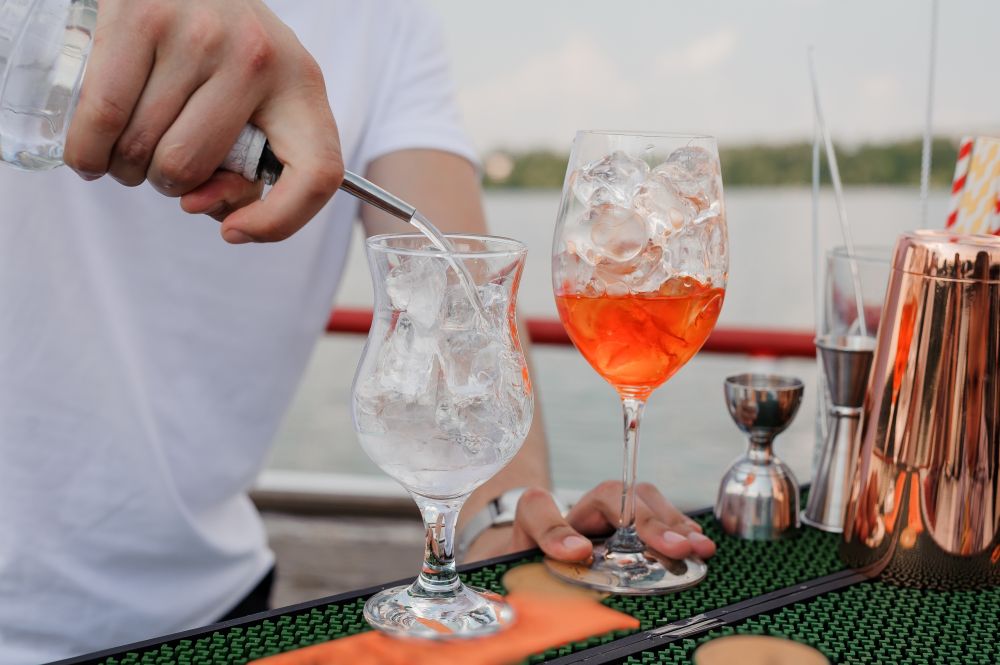
Hotel bars have one structural advantage that home entertaining has always struggled to replicate: a bartender whose only responsibility is making each drink well, with nothing else competing for attention.
At home, the host is usually cooking, greeting guests, managing the playlist and trying to enjoy the evening. Something inevitably has to give, and it is almost always the drinks.
Once hosts began noticing that gap, the solution became fairly obvious. They could either learn how to make cocktails properly or bring in someone who already possessed those skills.
Both approaches have grown in parallel, often within the same household. Hosts may learn enough to appreciate professional techniques while continuing to hire bartenders for events where they want to enjoy their own party instead of working throughout it.
Learning the Craft, Not Just Buying the Equipment
A notable number of serious home entertainers have started taking real mixology classes instead of relying entirely on cocktail books and online videos.
There is a meaningful difference between reading a recipe and learning technique from someone who works professionally. That includes understanding when to shake or stir, how to correct a cocktail that is too sweet or too sharp and how to build flavor with fresh ingredients rather than bottled mixers.
Cities with strong hospitality scenes have seen this trend accelerate. In Boston, hands-on mixology classes have become popular among hosts who want to understand the craft rather than simply stock a bar and hope for the best.
These sessions typically cover the fundamentals, including proper measuring, ice quality, glassware selection and the handful of techniques that separate a passable cocktail from one that could hold its own at a serious cocktail bar.
Who Is Taking Mixology Classes?
The people signing up are not necessarily aspiring bartenders pursuing restaurant jobs. They include homeowners, couples who entertain regularly and people planning milestone celebrations who want to prepare a signature drink personally before a professional team takes over for the rest of the evening.
When Hosts Bring In Professional Bartenders
Learning the craft is one option. The other, which often develops alongside it, is hiring the same level of talent found at a hotel bar or upscale lounge and bringing that experience into a private event.
This has become especially common for larger gatherings. Even a host who has completed several classes cannot realistically make 40 cocktails while simultaneously attending and enjoying the party.
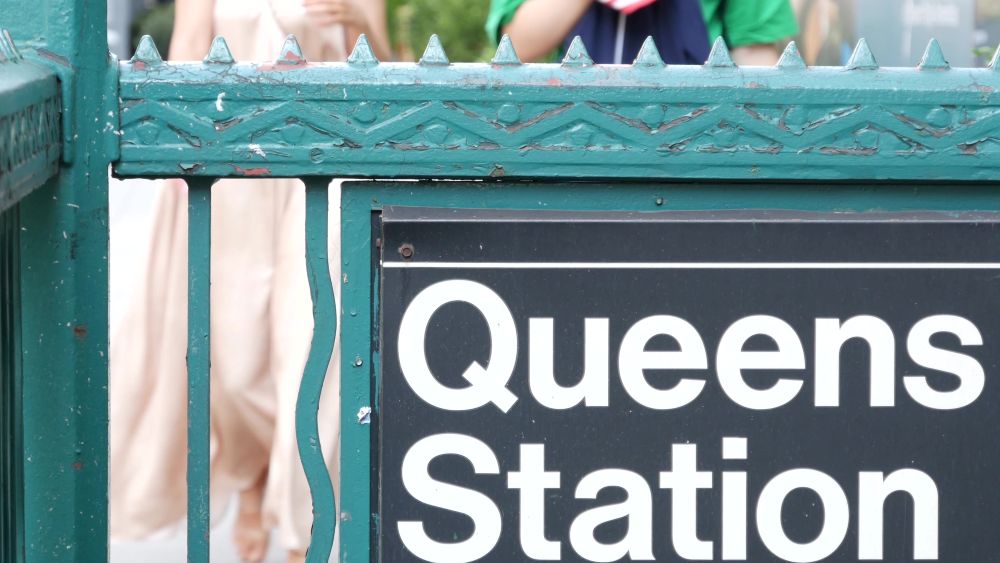
In New York, this shift has become particularly visible across the boroughs. Private hosts in Queens increasingly book professional teams for events ranging from milestone birthdays to smaller, cocktail-focused dinner parties.
Booking Encore bar service for a home event brings the type of structured, hotel-caliber service once reserved for established venues. That can include a proper bar setup, trained staff and a cocktail menu created with the same care that a respected lounge would apply to its own offerings.
The appeal is not limited to convenience, although that certainly matters. It is also about polish. A trained bartender can change the feeling of a room within minutes of beginning service, which is difficult to replicate regardless of how skilled the home mixologist has become.
What a Hotel-Style Bar Setup Looks Like at Home
The at-home version of a luxury hotel bar generally relies on a consistent set of elements, whether the host prepares the cocktails or brings in a professional team.
A Focused and Curated Drink Menu
Offer two to four cocktails built around a clear theme, seasonal ingredient or shared flavor profile rather than presenting guests with an overwhelming list.
Proper Glassware for Every Cocktail
Presentation contributes far more to the overall experience than many hosts initially realize. The right glass complements the drink while helping the entire bar look more considered.
Fresh Ingredients Instead of Premade Mixers
Fresh citrus, herbs, fruit and quality syrups create one of the most noticeable differences between an average home bar and a genuinely memorable one.
A Dedicated Bar Area
The bar should be arranged with enough intention to function as a natural gathering place rather than occupying an improvised corner of the kitchen counter.
None of these choices requires an excessive budget. They require the same quality that has always defined good hospitality: careful attention to details that many hosts overlook.
The Guest Experience Is the Point
Ask hosts what changed after creating this type of cocktail experience, and many describe the same result: guests engage differently.
A cocktail made in front of someone, using visible technique and ingredients with a story behind them, becomes a moment rather than simply a beverage. Guests ask questions, watch the bartender work and linger near the bar instead of scattering across the room during the first 20 minutes.
The experience provides an evening with a focal point that a buffet table or a cooler filled with beer rarely manages to create.
That connection unites both sides of the trend: the at-home mixologist learning the craft and the host hiring a professional bar service. Both approaches respond to the same realization. The bar is not merely a side detail of a successful party. For a growing number of luxury hosts, it has become the party.
Where the At-Home Mixology Trend Goes Next
As more hosts discover what a well-run bar contributes to an evening, professional-level cocktail service may become less optional at gatherings intended to feel special.
For some hosts, that will mean booking a class before the next dinner party. For others, it will mean bringing in an experienced team for a milestone celebration or larger event.
The direction is the same: fewer liquor cabinets stocked without a plan and more deliberate, hospitality-grade cocktail experiences designed specifically for the people in the room.
Frequently Asked Questions
Do You Need Professional Bartending Skills to Host a Good Cocktail-Focused Party?
Not necessarily. A single, well-practiced signature cocktail made with fresh ingredients and proper technique can have more impact than a fully stocked bar filled with mediocre options. Classes can help, but they are not required when a professional is handling the service.
How Long Does It Typically Take to Learn Basic Mixology?
Most beginner classes cover fundamental skills—including shaking, stirring, measuring and preparing several classic recipes—in a single session lasting a few hours. Genuine confidence behind the bar usually develops after repeatedly practicing the same small collection of drinks at home.
Is Hiring a Bartender Worth It for a Smaller Gathering?
It depends on the event’s size and purpose, but many hosts find professional bartending worthwhile even for gatherings of fewer than 20 people. The primary benefit is that the host can enjoy the party instead of working behind the bar throughout the evening.
What Makes a Home Bar Feel Like a Hotel Bar?
The difference usually comes down to details: appropriate glassware, fresh ingredients instead of bottled mixers, a curated rather than sprawling menu and someone with genuine technique behind the bar, whether that person is the host or a hired professional.
Should the Cocktail Menu Change With the Seasons?
Generally, yes. Seasonal ingredients often taste better and give a menu a clear sense of intention. That thoughtfulness helps distinguish a well-designed cocktail experience from a standard stocked bar.
Is the At-Home Mixologist Trend Primarily About Entertaining or a Personal Hobby?
It can be both, and the distinction is becoming increasingly blurred. Many hosts who initially take classes to improve their entertaining skills discover that mixology becomes an enjoyable hobby extending well beyond the next dinner party.