
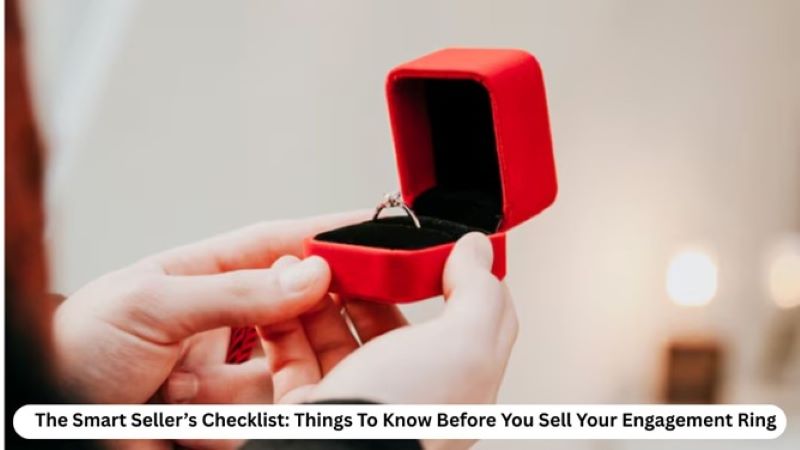
Have you ever considered what selling your engagement ring truly involves?
Not only in the emotional sense, but also in the monetary and practical sense. For many people, the very thought of selling such a significant thing comes with mixed feelings; relief, uncertainty, and, sometimes, hesitation.
However, there is more to this decision than just getting a buyer and taking an offer. This guide is intended to help the smart seller calm down and identify what is truly important before making such a decision.
This article takes you through the most critical points any seller must know. By following these steps, you can understand the resale market and make a confident, informed choice rather than a rushed one.
Step 1: Understand What Your Ring Is Actually Worth Before Selling
One of the biggest surprises for many sellers when they’re about to sell engagement ring is realizing that its resale value is rarely close to its original cost. Whenever someone buys a ring, the price reflects not only the material used but also branding, craftsmanship, overheads in stores, and marketing expenses. These factors contribute to the retail price, but they do not carry over into the resale market.
Customers are more concerned with the physical and quantifiable value of metal weight, the quality of stone, and the level of demand than with the object’s emotional meaning. Knowing this difference at an early stage is really important. It helps you avoid unrealistic expectations and disappointment when an offer turns out to be lower than expected.
Trends also affect the resale market. Certain types of rings or cuts, and even the type of gem, are more desirable, and certain types of rings may require more time to sell or fetch a lower price.
This does not mean your ring is useless; on the contrary, it just means that approaching the process with a clear, well-informed attitude may make a difference. The more familiar you are with the realities of the market, the more confident you will be when considering offers and negotiating terms.
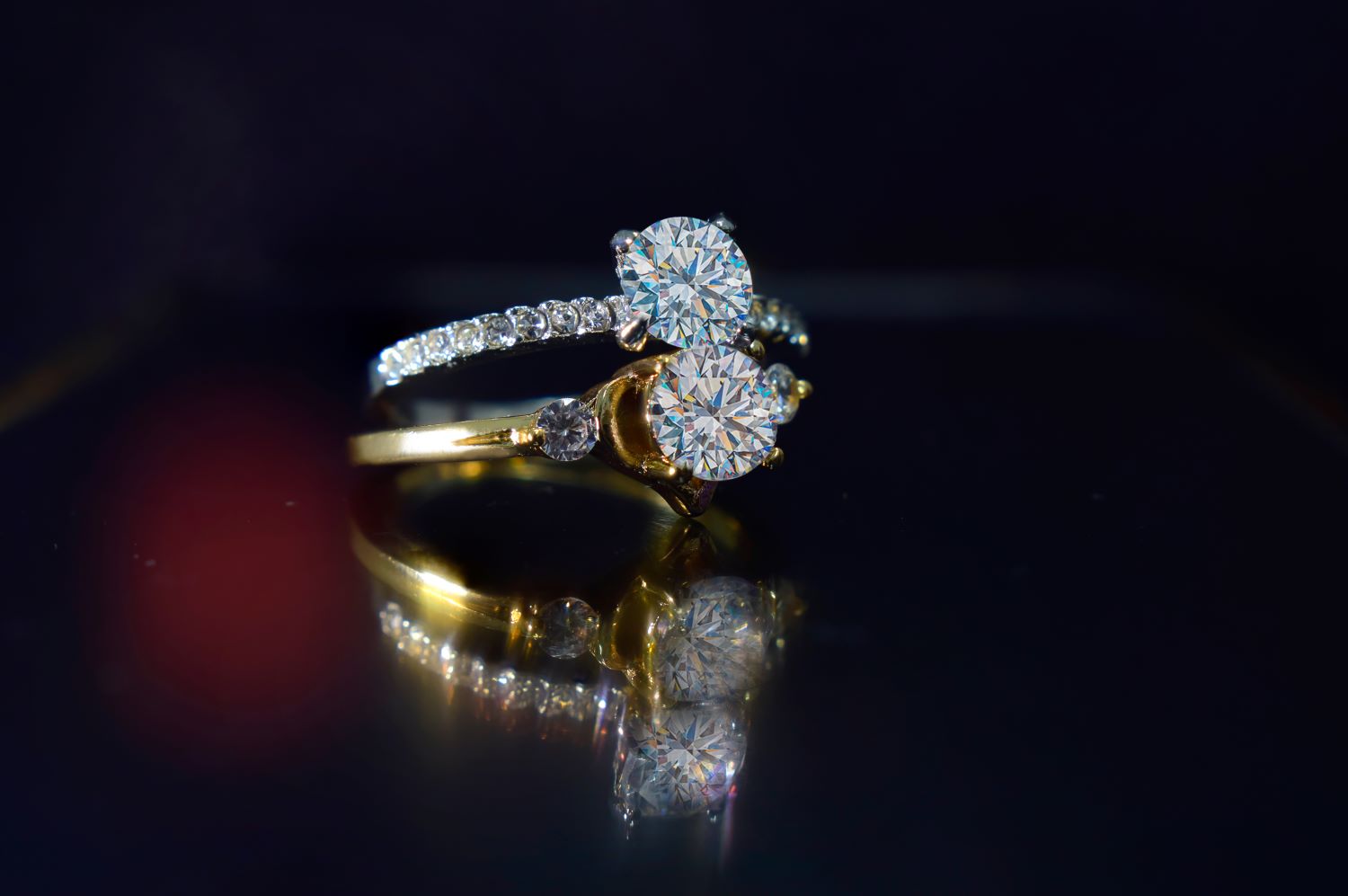
Step 2: Get an Accurate Appraisal
An appraisal may seem like a minor step, or something that only matters for insurance, but in fact, it can determine the entire selling experience. Most sellers use insurance appraisals, which have been deliberately inflated to meet replacement cost in the event of a loss or damage.
While these appraisals are critical to coverage, they do not indicate the amount buyers want to pay in the resale market. Applying them as a reference for resale value may lead to unrealistic expectations and frustration.
A resale-oriented appraisal, however, tells quite a different story. It takes into consideration prevailing market trends, the value of metals and stones, and the ring’s condition. It also provides you with a realistic base to negotiate from and ensures that you are not selling yourself short or wasting time waiting for an offer that will never materialize.
Besides, appraisals give sellers confidence. You can accept buyers’ bids without doubting yourself when you know your ring’s actual market value. The accuracy also helps guard against unscrupulous buyers who would otherwise take advantage of a lack of knowledge.
Step 3: Learn How Metal Value Affects Offers
Metal value makes a greater contribution to resale prices than many sellers expect. Customers often evaluate gold, platinum, or other types of metal based on their weight and prevailing market rates, and may not pay attention to design or craftsmanship.
Even sentimental rings or artistically valuable rings can be considered in terms of their metallic value, particularly when the setting is old or battered. Market swings also influence offers; thus, timing can impact pricing. Buyer quotes no longer appear arbitrary when you know how metal value works, but begin to have a sense of a larger market context.
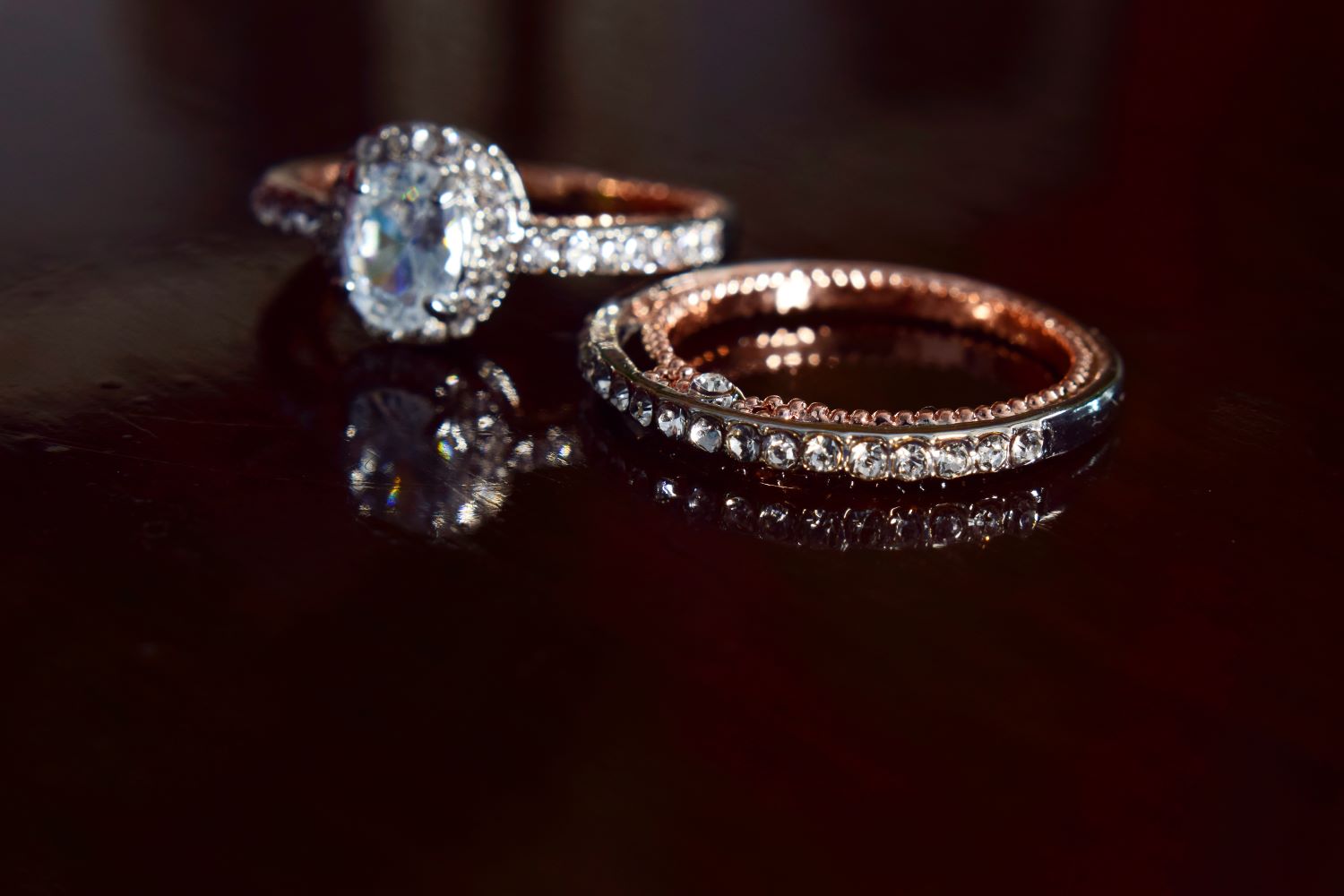
Step 4: Know How Stone Grading Shapes Buyer Interest
Stone grading to a great extent determines how the buyer perceives your ring. Diamonds and gemstones are assessed according to the set standards for cut, color, clarity, and carat weight. Certification by established grading bodies introduces trust and transparency, making buyers more reassured and enabling better offers.
Stones can be discounted in case of uncertainty in the absence of proper grading. Certain gemstones would also fare better in the resale market, given trends and supply. Being aware of how your stone is graded would help you understand buyers’ interests and why certain offers differ from others.
Step 5: Set Realistic Resale Expectations
At this point, emotions and market reality clash. Sellers are inclined to give their engagement rings personal meaning, while buyers treat them as stock. The resale prices take into account buyer risk, refurbishment, and the time required to resell the item.
Supply and demand also play a significant role. Once you understand these factors, lower offers no longer feel unfair and become explainable. Setting realistic expectations early allows you to evaluate offers calmly and avoid holding out for prices the market simply won’t support.
Costly Mistakes Many Sellers Make Without Realizing It
Many sellers lose value not because of bad intentions, but because of rushed decisions. Emotional distress may cause one to accept the offer without comparison. The others rely on outdated appraisals or assume that all buyers judge rings the same way.
Selecting a buyer without investigating their process or reputation can also lead to disappointment. Such mistakes are not rare; however, they can be prevented. The resale process is something you take the time to get familiar with to gain control and minimize the chances of regretting it in the future.
Before You Choose a Buyer, Read This
Engagement ring selling is not merely a purchase; it is a decision that should be prepared for. Once you understand appraisal accuracy, metal value, stone grading, resale expectations, and the usual mistakes, you will not be confused by the process and will be relatively confident.
The resale market rewards informed sellers who take the time to learn how to determine value. You should take care to understand the market your ring is entering before deciding which salesperson to go with. That insight preserves your ring’s value, your sanity, and your outcome.