
A brown lawn is the last chapter of the story, not the first. By the time the grass gives up its color, the watering problem behind it has usually been building for weeks. Water has been landing unevenly, arriving in the wrong amount, or missing whole stretches of the yard while everything looked normal from the driveway.
The good news is that a watering system almost always warns you before the lawn does. It changes the way it sounds, the way it sprays, the way the soil feels underfoot, and the way certain patches of grass behave compared to the rest. Learning to notice those early signals gives you time to act while the yard is still green.
When Small Problems Stop Being Small
Most watering problems start quietly, showing up as a slightly drier patch or a zone that finishes its cycle sooner than it used to. When a lawn irrigation system develops a fault, the trouble spreads well past the broken part, because water either stops reaching the grass or pours into places it was never meant to go, and a repair that keeps getting postponed only gives the damage more time to spread.
Having a trained technician locate the fault and put the whole system back into proper working order is the practical answer. Homeowners who want the job handled correctly the first time rely on lawn irrigation system repair carried out by licensed specialists who test every zone before they call the work finished.
Reading the Grass for Clues
Your lawn is the most honest gauge you own. Grass that is getting the right amount of water holds an even color across the whole yard, springs back when you walk on it, and grows at a steady pace from one week to the next. When something goes wrong with the watering, the grass reacts long before it turns brown. It fades slightly. It takes a moment longer to stand back up after a footstep. The blades look a little duller in one corner than they do everywhere else.
Pay attention to shapes as well as color. A dry area with soft, rounded edges usually points to weak or uneven coverage. A dry area with sharp, straight edges often follows the line of a zone that is no longer getting its full share of water. Circles of pale grass tend to form around a head that is spraying short, while a wedge of tired grass can mean a head has been knocked off its angle and is now watering the fence instead of the yard.
Sounds and Sights That Deserve a Second Look
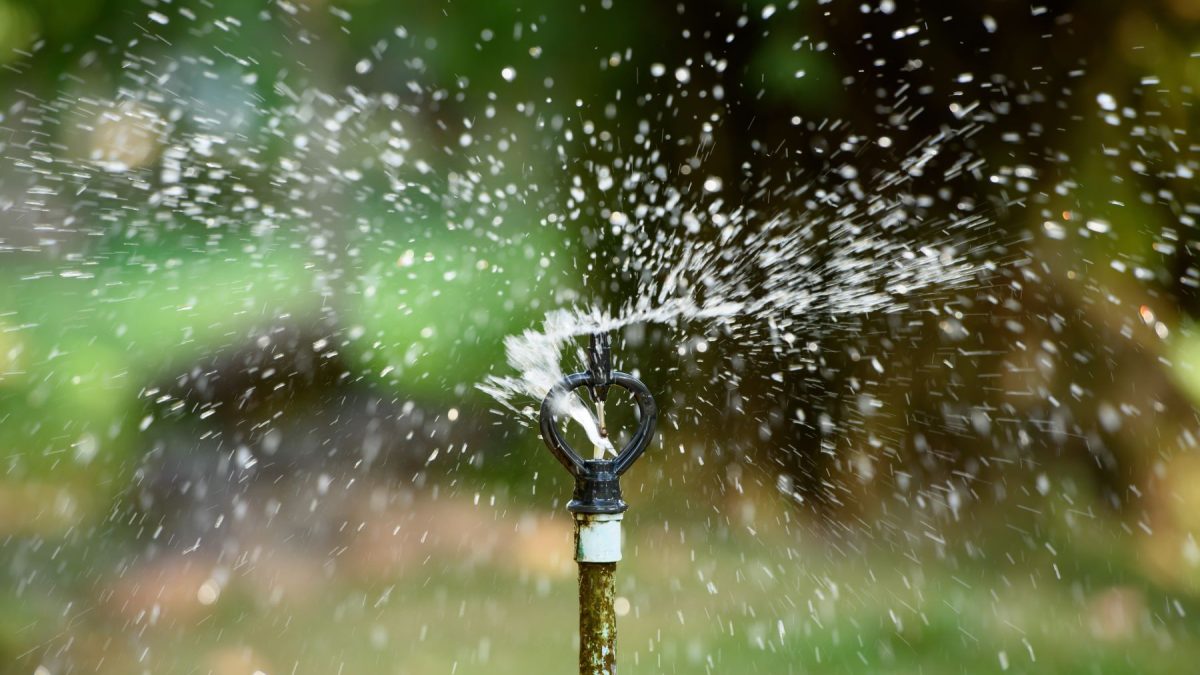
Run a cycle while you are home and simply watch it. This is the single most useful thing a homeowner can do, and it costs nothing but ten minutes. Stand at the edge of the yard and look at the spray pattern in each zone. Every head should throw water far enough to reach the next one, and the mist should look full and steady rather than thin or lopsided.
Watch for heads that fail to rise fully, heads that rise and then sink partway through the cycle, and heads that send a narrow jet of water into the air instead of a spread. Look for water bubbling up out of the grass near a head, and for a head that keeps dribbling after the zone has shut off. Listen as well. A system that has started to strain often sounds different, with a hiss, a knocking noise, or a long gurgle as the zone shuts down.
Why Water Pressure Changes Everything
Pressure is the invisible half of watering, and it shapes the result more than most homeowners expect. Too little pressure and the water never travels the distance it was designed to travel, so the far edge of every zone quietly goes short. Too much pressure and the spray breaks into a fine mist that drifts away on the wind before it ever touches the ground.
You can spot both without any tools. Low pressure looks like heads that barely lift, weak arcs that fall short, and grass that thins out in a ring at the outer edge of each zone. High pressure looks like fog rather than droplets, water bouncing off the turf, and a fine haze hanging over the yard during a cycle. In either case, the amount of water leaving the pipe may be perfectly normal while the amount actually reaching the roots is not.
Habits That Catch Trouble Early
The homeowners who avoid brown lawns are almost never the ones with the newest systems. They are the ones who look at what they have on a regular basis.
Walk the yard once a month with the water running and give each zone your full attention for a minute. Keep grass and mulch trimmed back from around each head so nothing blocks the spray. Note the day you adjust the schedule and the day you notice anything unusual, because a written record turns a vague feeling into a clear pattern. Check the corners and edges of the yard, since these are the first places to suffer and the last places anyone looks.
Watching the System Through the Seasons
A watering setup that performs beautifully in one season can fall short in another without anything actually breaking. Grass drinks far more during long, hot stretches and far less when the days shorten and the air cools. A schedule left untouched through those swings will either starve the lawn or drown it.
After heavy storms, take a walk around the yard. Saturated soil shifts, and heads that were perfectly level in spring can end up tilted or sunk. Landscaping changes matter too. A young tree that has filled out now throws shade and blocks spray across ground that used to sit in full sun, and the grass underneath it needs something different than it did before.
Keeping the Lawn Ahead of the Problem
Nothing about catching these signals requires expertise. It requires looking, and looking early. A faded patch, a puzzling puddle, a head that sputters, a bill that creeps upward: each one is the yard telling you something while there is still time to respond without losing the lawn you have spent years building. Treat those small signals as information rather than annoyances, and the brown lawn you were worried about never arrives at all.