
People crave peace, but they don’t always know how to get it. They are inundated with chaos, stress, horrible headlines, and things that increase their anxiety levels. Many people wait for the world around them to become more peaceful, but the good news is they don’t have to. Even in a world filled with chaos and uncertainty, people can practice peace; it’s just a matter of knowing how to tap into its power.
“Peace is within us. We just need to learn how to practice and make it a bigger part of our lives,” said Elizabeth Hamilton-Guarino,” best-selling author, co-founder of Best Ever You Network, master life coach, speaker and a leader in personal development. “Nobody teaches you how to have a more peaceful life. Now is the time to seek that information and put it to use, to start living a peaceful life now, rather than putting it off and waiting for all the conditions to be perfect.”
According to the dictionary, peace is a state of tranquility or quiet, as well as freedom from being disturbed or bothered by people, noise, etc. Many people feel the bustling activity around them, much of it being negative, and they attach themselves to it. This increases stress and anxiety and robs them of peace.
The American Psychological Association published the Stress in America 2026 report, where they reveal that stress remains a constant in daily life for adults around the country. They report that 77% of adults in the country are stressed, and many are growing accustomed to it. They are beginning to see living in stress as the norm or something they just have to live with. The sources of stress are vast, including the cost of living, the economy, money, misleading information, healthcare, social divisions, etc.
Most people, if asked, would love to have a more peaceful world, or at least feel more peace in their life. Yet they are constantly being exposed to things online and off that are challenging their nervous system. Whether through social media, at work, or the high-pressure demands of everyday life, they feel they have to simply get used to their nervous system being on high alert and not feeling at peace.
The good news is that even with all the chaos going on around someone and in the world, they can still cultivate peace. By practicing peace daily, people can create a more tranquil environment at home, in the workplace, and in their community. Allowing stress and anxiety to become the norm has a negative impact on one’s health, as well as on the relationships they have with others.
Hamilton-Guarino explains that peace is something that should be practiced daily, just like people make exercise a regular part of their life. Developing such skills will help in relationships, keep people feeling better, will help people through difficult challenges. In order to make practicing peace a success, we have to first recognize that most things are not within our control. However, choosing how we will respond to them is within our control.
Many people put off cultivating peace in their lives, because they keep thinking that all conditions need to be just right first. They believe they will work on it when something else happens first. All that thinking does is put off peace and keeps people living in higher stress and anxiety situations. In order to have more peace in our lives and in the world, it is crucial that we stop putting practicing peace off. Everyday choices and actions can make a big difference, and one person practicing peace will ultimately have a ripple effect leading others to do the same.
Here are seven ways to start practicing peace today:
- Forget waiting. There’s never going to be a perfect moment to start practicing peace. The challenges and difficulties in life will always be there and are largely out of our control. Each day, find one thing that you can do to help create a calmer environment. This can include avoiding stressful situations, taking a walk, spending time in nature, meditating, etc.
- Give yourself a break. The constant exposure to social media and attention-getting notifications fill us with unrest and leave us feeling overwhelmed. Make a goal to block out some time each day where all of that is set aside so the mind gets a break from the headlines, screens, and constant distractions. Give yourself some space away from the noise, even if it’s only 15 minutes per day.
- Consider the response. Things in life will continue to make you anxious or angry. Pause before responding to consider if the response will help make the situation better or create more stress. A pause before responding can help you cultivate more peace and reduce the stress.
- Protect your peace. Not everything needs a response. Avoid giving up your emotional energy for every little thing. Set boundaries, learn to get comfortable saying no, and realize when it is healthier and feels better to simply walk away, instead of responding.
- Practice kindness. Even when it’s difficult to do so it’s always going to feel better to practice kindness. Gestures to help yourself and others don’t have to be big to be meaningful. Small acts of compassion, patience, and encouragement can go a long way toward helping others and creating a more peaceful life.
- Create a routine. Make peace practice a part of your daily routine. This can be done each morning or before bed, such as doing daily gratitude journaling. By being consistent with practicing peace, it will become more of a part of your life.
- Be the example. If you want more peace in your life and to see it in others, then always start with yourself. Look for opportunities to help make the world more positive, whether it’s helping individuals, supporting a community organization, or helping to create a more compassionate community. Strive to set the example of what you want to see more of.
“I invite everyone to take a seven day peace challenge and see how they feel as a result,” adds Hamilton-Guarino. “If we want peace, we can’t wait for someone to bring it to us. We need to practice it so we create more peace in our lives, and the lives of others. Practicing peace is a way to support your own well-being, as well as for the greater good, because it will make you more present, patient, and compassionate. Peace begins with you!”
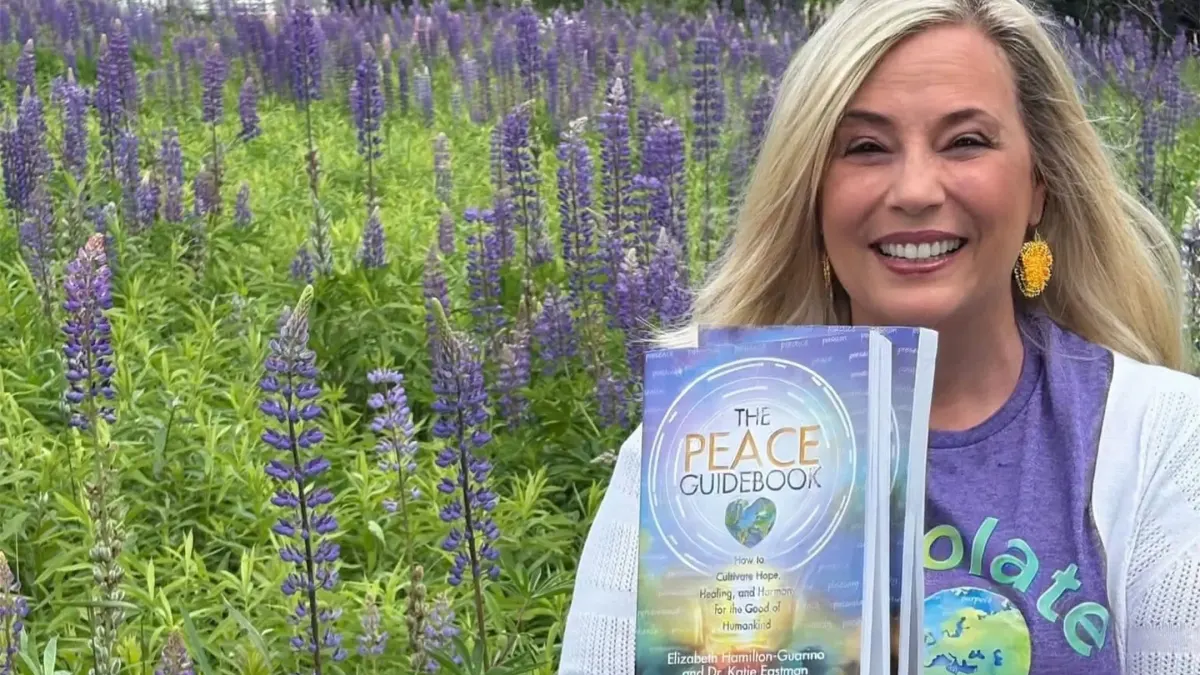
Elizabeth Hamilton-Guarino co-wrote “The Peace Guidebook,” which aims to help find calm during the storm and help people become more peaceful. The book reframes stress, burnout and overwhelm, not as a problem to escape, but as moments where peace can be consciously practiced.
“The Peace Guidebook” path to peace provides simple tools to help people reset and regulate their emotions and discuss the importance of remembering that small shifts through practiced consistency can create long lasting change. To join in on their peace challenge, readers can get actionable tips from the book and post on social media using #PeacePromise, #PercolatePeace, and #BestEverYouNetwork. The book and movement will help those who are stressed out, burned out, and overwhelmed by the current climate. The Percolate Peace Project is inviting one million people to share a moment of peace, a peace promise, or a random act of kindness. By logging your experience, you become part of a global movement proving that peace grows through everyday actions. Whether it’s a moment of calm, compassion, connection, or kindness, no act is too small to make a difference. Share your moment and help inspire peace, one choice at a time: https://www.percolatepeace.com/passthepeace or watch the book trailer to learn more.