Introduction: Why a Timeless Home Matters
Trends come and go, but a truly timeless home feels welcoming and relevant for decades. Timeless design isn’t about following a rigid style—it’s about prioritizing function, comfort, and enduring aesthetics over short-lived fads. Thoughtful choices in home furniture, color, and materials can make your spaces feel inviting year after year. This article walks through the layout, color, material, and furniture principles that many homeowners stumble upon only after years of trial and error—principles that professional designers also swear by for creating calm, cohesive interiors, no matter whether your taste leans modern, traditional, or eclectic.
Understanding the Principles of Timeless Design
What Makes a Space “Timeless”?
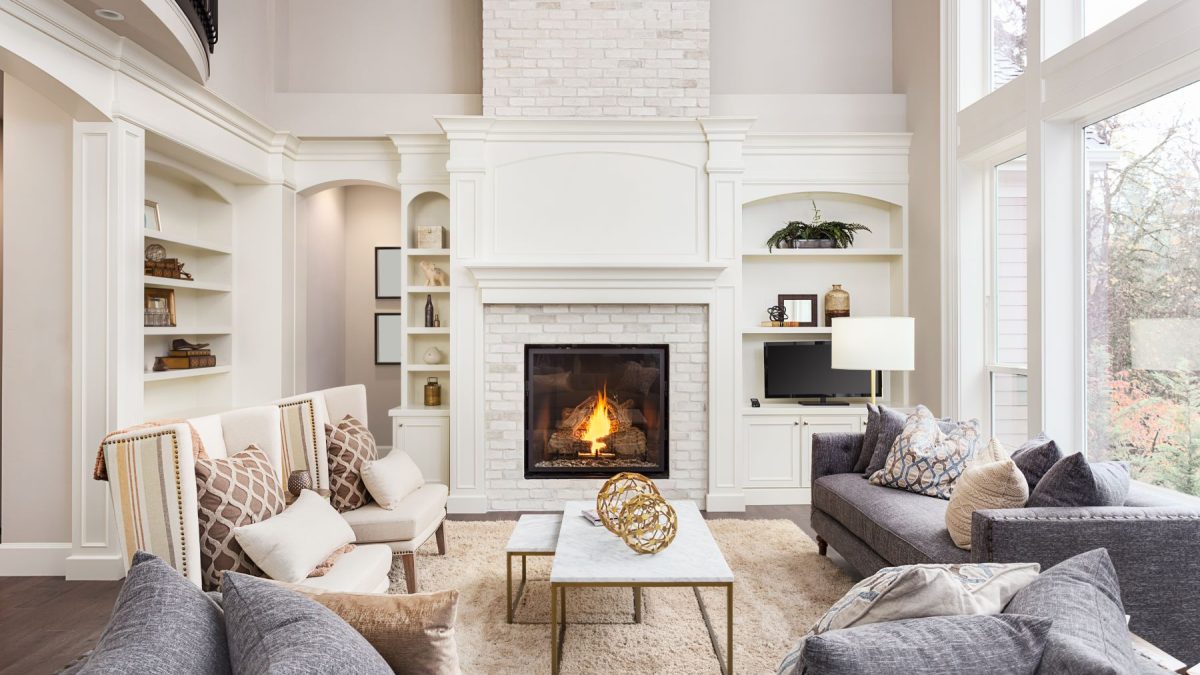
Timeless rooms tend to share a few traits: balanced proportions, furnishings scaled appropriately to the room, and a consistent color palette that steers clear of fleeting trend colors. A useful gut check is asking whether a particular choice would still feel appropriate ten or twenty years down the line.
Classic Design Principles That Never Age
A handful of fundamentals hold up no matter your style:
- Focal point – every room benefits from a clear visual anchor, like a window or fireplace.
- Symmetry and repetition – repeated shapes or colors create a sense of order.
- Negative space – leaving room around furniture prevents clutter.
Key Takeaway: Timeless rooms prioritize balance, a clear focal point, and room to breathe.
Laying a Timeless Foundation with Color and Materials
Choosing a Long-Lasting Color Palette
Neutral foundations—whites, creams, soft grays—tend to age gracefully on walls and large surfaces. Building around a majority-neutral base, with only smaller accent proportions in color, lets you refresh a room through pillows, throws, and art rather than a full renovation. Save bold statements for elements that are easy to swap out. And always test paint samples in different lighting before committing—what looks great at noon can look completely different by lamplight.
Durable, Natural Materials for Long-Term Use
Natural materials like solid wood, stone, cotton, linen, and wool age gracefully, developing a patina rather than simply looking dated. Trend-driven finishes, by contrast, often lose their appeal much faster.
Practical Tip: Prioritize durable materials and quality finishes for high-use surfaces—flooring, sofas, dining tables.
Planning Layout and Flow for Everyday Living
Designing Rooms Around How You Live
Start with function: how many people actually use the room, and for what? Keep traffic flow clear by avoiding blocked doorways and pathways. In open-plan spaces, rugs and lighting can help define separate zones for seating, dining, and work.
Furniture Placement That Stands the Test of Time
Pushing every piece against the walls can leave a room feeling more like a waiting area than a living space. Instead, try “floating” furniture into conversation groupings. Leave enough space between seating and tables for comfort, and make sure people can chat without raising their voices. Sketching out the layout—or simply using painter’s tape to test furniture positions before buying—can save you from costly mistakes later.
Choosing Home Furniture That Feels Classic, Not Trendy
Prioritizing Function and Comfort
Function first, comfort always: choose seating depth and table height that suit how the room is actually used, keeping in mind who will use each piece day to day.
Simple Silhouettes and Clean Lines
Simple, clean-lined silhouettes tend to outlast heavily ornamented designs. Look for features that age well: straight or gently curved arms, tapered legs, and tailored upholstery.
Investing Wisely: Where Quality Matters Most
Key pieces—sofas, dining tables, beds—benefit most from quality construction: sturdy frames, durable joinery, and washable covers. Smaller items like lamps or accent tables are usually fine to buy on a tighter budget.
Personal Style Without Losing Timelessness
Balancing Trends and Classics
Keep the foundational elements—floors, large furniture, walls—classic and neutral, then let your personality come through in art, textiles, and smaller décor.
Mixing Old and New
Combine vintage pieces with newer items, and vary textures for depth. Avoid matching furniture sets; a more collected, layered look tends to feel more enduring.
Key Takeaway: A timeless room isn’t bland—it’s a calm backdrop that lets your personality show through changeable accents.
Maintaining a Timeless Look Over Time
Editing and Clutter Control
Reassess each room every so often, removing items that no longer serve a purpose. Donate what you no longer need rather than letting it pile up.
Updating Intentionally, Not Impulsively
Bring in trends sparingly, and in easily updated forms—think cushions rather than sofas. Keeping a simple reference of your palette and style can help guide future purchases and keep everything cohesive.
Bringing It All Together for a Home You’ll Love Long Term
A timeless home rests on thoughtful layout and flow, an enduring color palette, durable materials, and well-chosen furniture built for function and comfort. Start with one room, nail down the foundational choices first, then layer in the personal touches. This week, try one small step—decluttering a shelf or rearranging furniture to improve flow. A timeless home isn’t about perfection; it’s about creating spaces that support daily life and continue to feel welcoming as the years go by.