
“Winter is coming!” is a phrase you can hear many people scream in excitement, but for many drivers, it can be an annoying realization that it’s time to book an appointment at the auto retailer for a biannual tire change. It’s like a ritual that feels like a necessity, but is it indeed?
For the vast majority of American drivers, the “tire-shuffle” strategy is becoming a thing of the past. Unless you live in the high Rockies or drive through blizzards every morning for work, a set of high-quality all-season tires is all you need for the long haul.
The Hidden Cost of the Seasonal Swap
Those who own winter tires often talk only about their price as if buying them were the only expense. They miss the big picture.
- When you own two sets of tires for winter and the rest of the year, you pay for their storage, too. Those tires take up space in your garage or basement for six months of the year.
- Then there is the labor. Let’s not forget that every spring and fall, you have to pay a service fee for mounting and balancing.
- If you have those tires on separate rims, you might be saving on mounting costs, but you are still losing time dealing with the maintenance of twice the equipment. Rubber degrades when it sits idle in storage, and tires dry out and develop cracks (meaning your winter set might just be nearing its end even if the tread looks fine).
If you calculate the labor, storage, and maintenance costs, you’ll see for yourself what a financial loss it is!
The All-Season Technology: One Set, Zero Hassle
If you have had enough of the never-ending cycle of mounting, balancing, and storing, all-season tires can rid you of the dual-tire lifestyle. Designed to deliver balanced performance in wet, dry, and light winter conditions, these tires can offer the much-needed convenience for everyday drivers.
The secret lies in silica-enhanced rubber compounds, which allow tires to stay flexible in cold temperatures and firm on hot summer days.
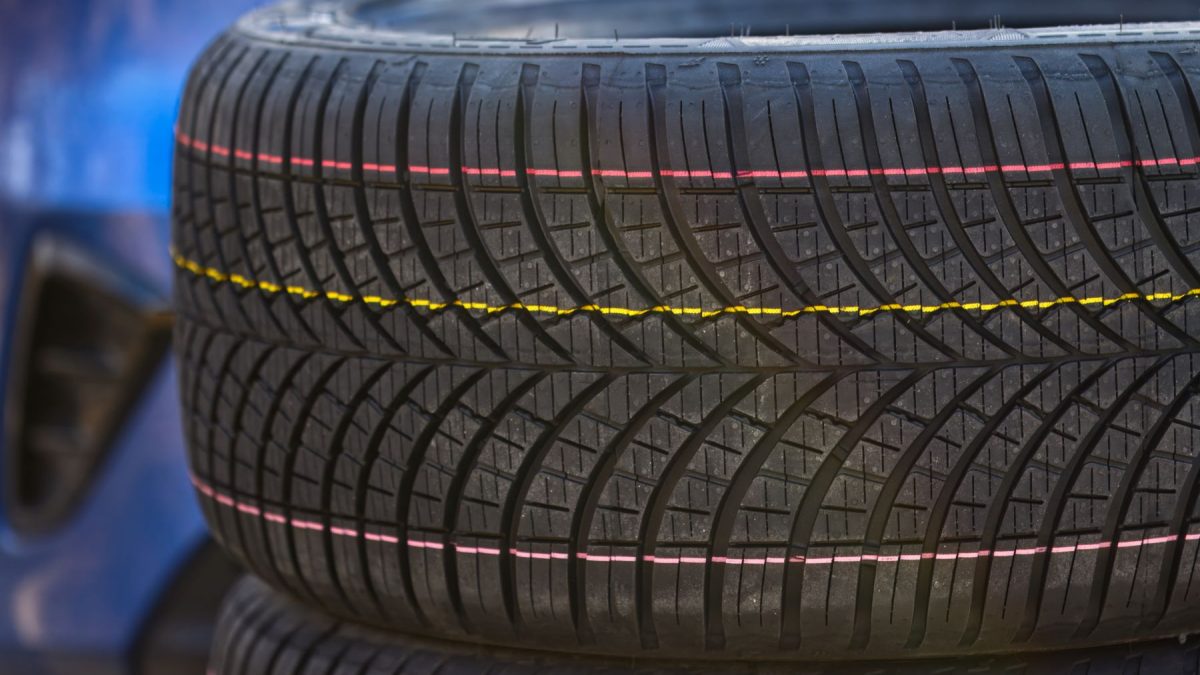
- Modern tires have deep slits (called sipes) that bite into light snow and slush, providing grip where old designs just spun.
- Wider grooves mean rainwater is easily pushed away, which is important for preventing hydroplaning.
- The new polymers keep the rubber from hardening when the mercury dips below freezing.
But here’s a caveat: All-season tires have limits, too.
If you live in an area where deep snow is a daily reality, you are better off with a set of winter tires. There is no replacement for the specialized compound of a true winter tire in extreme cold conditions.
However, if you live in a city or suburb where the roads are cleared within hours of a storm, all-season tires, especially those marked with a Three-Peak Mountain Snowflake (3PMSF) symbol, can provide plenty of safety. With these tires, you get a set that stops effectively in wet, dry, and light snow conditions.
What to Look for in All-Season Tires
If you do decide to switch from winter tires, your main challenge will be to find all-season tires that can handle the warm weather you’re used to without sacrificing your safety during unexpected cold snaps. Here are three things to check before you make your purchase:
- Three-Peak Mountain Snowflake Rating: Look for the 3PMSF symbol on the sidewall. Standard all-seasons only bear the “M+S” (Mud and Snow) rating, which is not industry-tested. But tires marked with 3PMSF will have passed specific industry tests for snow traction.
- Tread Warranty: Since you will be using these tires year-round, you want a higher mileage rating. So, look for tires with a treadwear warranty of at least 60,000 miles to make sure you get your money’s worth.
- High Sipe Density: Winter tires get their ice grip from sipes, so you need to ensure that you look for all-season options with aggressive tread angles and dense siping so they can easily push heavy rainwater and slush out of the way.
Final Thoughts
Owning a car should make your life easier. If yours did not come factory-fitted with all-season tires, consider making the switch soon. By choosing a high-quality set of these tires, you will make things easier for yourself without compromising your comfort and safety.