

While Australia may enforce stricter border controls than many other countries, its commitment to protecting its citizens, industries, and natural environment ensures it remains one of the best places to live and visit.
The good news is that their strict laws and regulations are clearly defined on their government websites, ensuring you remain informed and educated on what is required from incoming travelers. From restricted and prohibited goods, including smokeless tobacco products like nicotine pouches, medicine, and food products, to the necessary documentation required by border control, proper preparation will guarantee you have the vacation of a lifetime.
Documentation & Passport
All arriving and departing passengers must carry a valid passport or travel document. International travelers will need to complete an incoming passenger card, and all non-Australian travelers will need to hold a valid visa. Border security no longer stamps Australian passports, but if proof of travel is required, you may request that an officer do so.
Additionally, non-Australian citizens may be required to submit their fingerprints upon arrival or departure. These checks will help confirm your identity and resolve any issues that may arise. These prints will be conducted against the department’s data holdings and potentially against security and law enforcement records. Once the checks are complete, the scans are deleted.
Incoming Passenger Card
Under Australian law, all passengers arriving in Australia, via air or sea travel, must complete an incoming passenger card, designed to collect additional information regarding immigration clearance, customs, and biosecurity declarations. They require flight information, health declarations, personal details, and any plants, food, or animal products that need to be declared.
The Australian Border Force uses these cards to assess any biosecurity risks to prevent pests and diseases from entering the country. Because they are government-issued legal documents, all information provided must be truthful; false information can result in substantial fines, visa cancellation, or entry refusal.
Restricted Items
Medication is arguably the most common restricted item travelers bring into Australia. In accordance with border security and federal laws, all medicines must be declared. This includes prescription medication, vitamins and mineral preparations, veterinary medicines, alternative and herbal medicines, and performance-enhancing drugs. All prescription medications must be carried in their original packaging, alongside a letter or prescription issued by your primary healthcare provider, written in English, as evidence that the medicine belongs to you. Be aware that any medication containing controlled substances may be confiscated at the border, so ensure that the prescription medication you are carrying meets these requirements.
Furthermore, Australia has extremely strict regulations surrounding the possession and usage of vapes and vaping products. Liquid nicotine for vaping is illegal in Australia without a prescription issued by a selected Australian medical practitioner. Non-nicotine vapes and products must be stored in carry-on luggage for safety and will likely be flagged for screening at border control.
A full list of restricted and prohibited items is available on the Australian government website. It is best to confirm that all products you are carrying can legally be brought into the country, and to understand which items must be declared upon arrival. If you are unsure about the status of certain items while filling out your incoming passenger card, declare them for examination. Your honesty will work in your favor should you be carrying prohibited items, which will likely be confiscated without penalty.
Baggage Examination
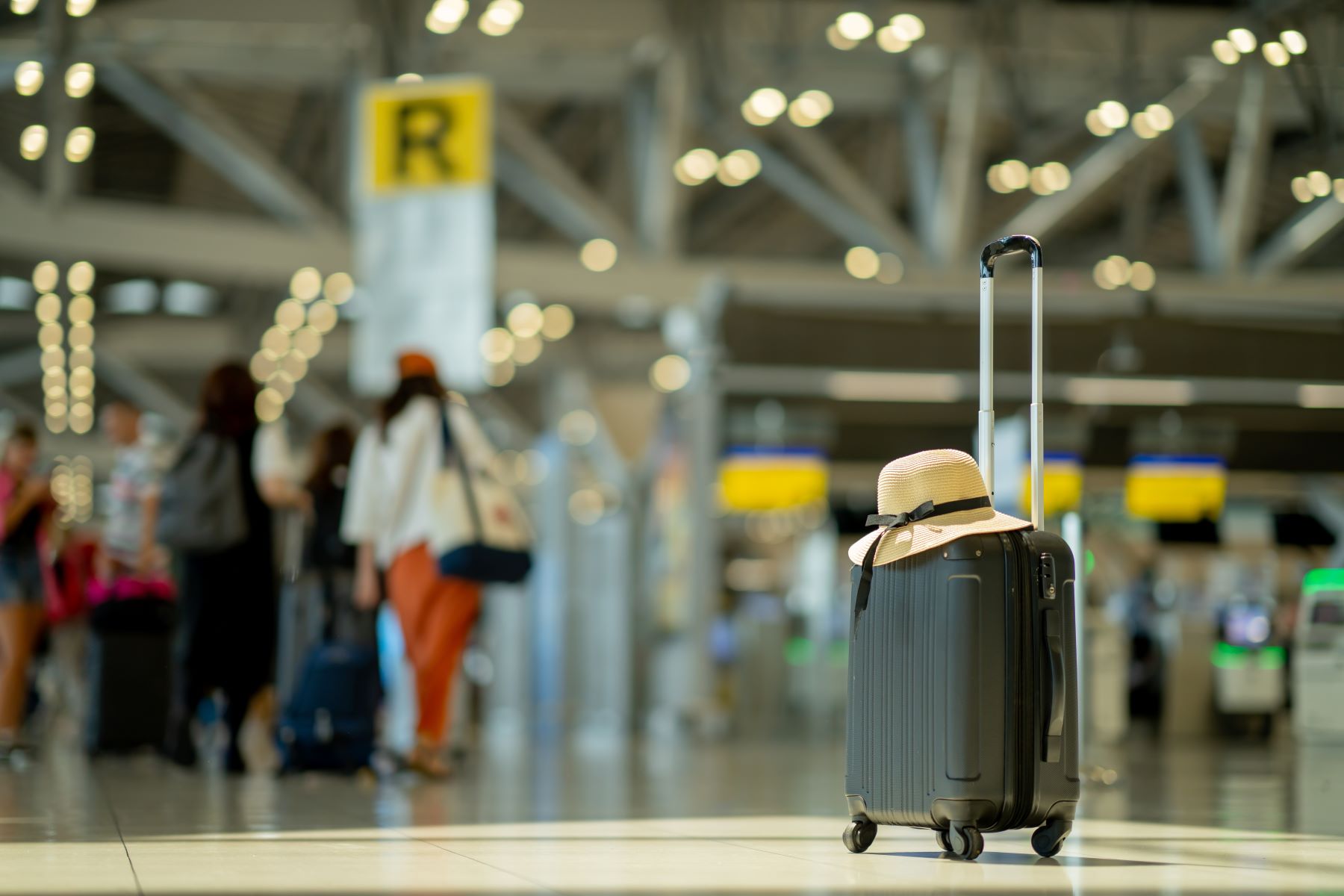
All border force officers have legislative powers to question travelers and conduct baggage examinations to identify and eliminate breaches of customs, quarantine, and other Commonwealth legislation, including the import and export of prohibited items.
Should you have any concerns about passenger selection, baggage examination, or any questioning you partake in, it is crucial to direct your concerns and inquiries to the officer or their supervisor during the questioning process.
Biosecurity Controls
Australia has some of the strictest biosecurity controls in the world. These stringent regulations are in place to help mitigate the risk of pests and diseases entering the country, which could devastate the natural and agricultural industries. You must ensure you carefully follow these rules when entering the country.
It is strongly advised not to bring any plant material, animal products, or food into Australia. Should you be traveling with these items, you must truthfully declare them on your incoming passenger card. Furthermore, all clothing, equipment, and footwear used in rural areas or around animals must be thoroughly cleaned and declared on arrival. Breaching these biosecurity laws could result in hefty financial penalties, visa cancellation, or possible criminal prosecution.
Cash
When entering or leaving Australia, you must declare cash and non-cash forms of money, including money orders and cheques, in Australian or foreign currency if the total value exceeds AUD 10,000.
This declaration must be made by completing the appropriate submission form on the official government website before departing or arriving in the country. Ensure you save a copy of this submission receipt, as you may be required to show it to an Australian Border Force officer.