
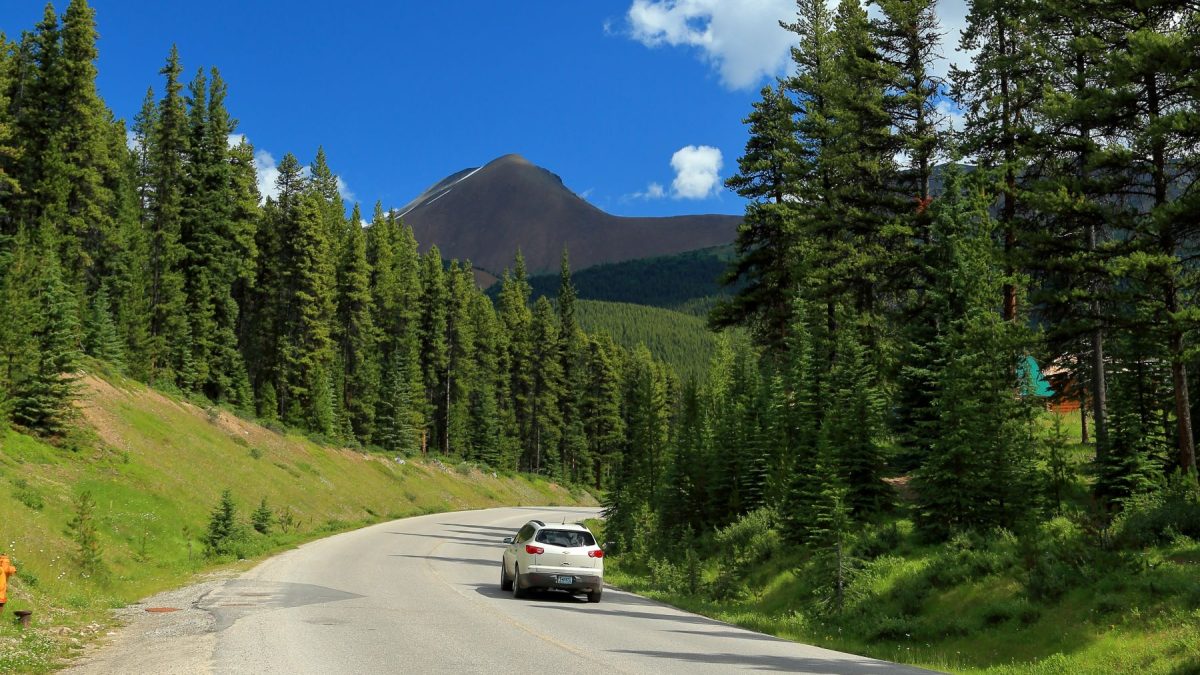
The Kentucky bourbon corridor has become a genuine luxury destination. There are single-barrel tastings by appointment, chef-led dinners inside restored rickhouses, and hotels that will arrange a private guide before your flight lands in Louisville or Lexington. What almost no itinerary mentions is the part of the day that occupies the most hours: the driving.
Between distilleries, the route is rural. Two lanes, minimal shoulder, blind rises, farm equipment, and deer at dusk. It is beautiful, and it is the least forgiving driving environment most visitors will encounter all year. Kentucky also applies a specific set of insurance and liability rules to everyone using its roads, including people who arrive on a Thursday and leave on a Sunday. Understanding those rules before the trip is worth more than any packing list.
The Distillery Corridor Is Not Interstate Driving
The stretches connecting Bardstown, Loretto, Lawrenceburg, and Versailles are county and state two-lane roads. They were built for local traffic and now carry a steady seasonal flow of visitors following a route they have never driven before.
Three things make them harder than they look. Sightlines are short, because the roads follow the terrain rather than cutting through it. Passing opportunities are limited, which builds impatience behind slow vehicles. And there is rarely a recovery area, so drifting two feet off the pavement meets a ditch instead of a shoulder.
What a Tasting Pour Actually Adds Up To
A distillery tasting is not a drink in the ordinary sense, which is exactly why it gets underestimated. A flight of four half-ounce pours of barrel-proof bourbon at 120 proof carries more alcohol than two standard cocktails. Repeat that at three appointments across an afternoon and the total sits well past what most people would estimate about themselves.
Kentucky sets the per se limit at 0.08 under KRS 189A.010, and the same statute allows a charge based on impairment even below that number. A schedule built around three or four tastings in a day is simply not compatible with driving yourself between them.
Kentucky Puts the Responsibility on the Driver
Visitors often assume a distillery or restaurant carries the legal exposure when a guest leaves impaired. Kentucky law is narrower than that. KRS 413.241 opens with a legislative finding that the consumption of alcohol, rather than its sale or service, is the proximate cause of injury, and it shields licensed sellers from liability for off-premises harm unless a reasonable person would have known the guest was already intoxicated when served.
The statute also states plainly that the intoxicated person is primarily liable for injuries to third parties. The practical translation is that the person behind the wheel carries the weight, and a venue’s insurance is not a backstop anyone should plan around. Book the car and driver, or designate one person who does not taste, and treat that as a fixed line item rather than an optional upgrade.
Your Rental Car Comes With Coverage You Did Not Select
Kentucky is a no-fault state, and this surprises visitors more than any other rule. Under KRS 304.39-020, basic reparation benefits pay up to $10,000 per injured person for medical expenses, lost income, and replacement services, and they pay regardless of who caused the crash.
That coverage attaches to the vehicle. A rental picked up at the airport carries it whether or not anyone at the counter mentioned it, and it reaches passengers as well as the driver. It is usually the reason an injured visitor has a source of payment for emergency care long before any fault question is resolved.
What Changes When You Are the Visitor
Being from out of state does not weaken a claim, but it complicates the mechanics of one in ways worth anticipating.
Treatment gets split across two states. The emergency department visit happens in Kentucky, and the follow-up happens at home, producing two sets of records, two billing systems, and a gap in the timeline that insurers routinely point at. Vehicles are towed to local yards and released on local schedules. Reports come from the county where the crash occurred, not the county on your license.
The claim itself stays in Kentucky. Coverage, fault, and deadlines are governed by Kentucky law no matter where the injured person lives, which is why visitors hurt along the bourbon route frequently end up working with a legal injury counsel in Elizabethtown, KY and other communities on the corridor rather than with counsel back home.
Evidence Is Easier to Gather Before You Leave
Photographs of the scene, contact details for other guests who saw what happened, and the tour operator’s own records are all straightforward to collect while you are still in the state. Once the trip ends, the same material takes weeks to reassemble.
Planning the Route Is Part of Planning the Trip
The itineraries that go well tend to share a structure. Appointments are spaced so nobody is racing between them. Transportation is arranged before arrival rather than improvised at the second stop. Drives are scheduled in daylight, because deer activity and the absence of lighting make these roads meaningfully harder after dusk.
That structure costs a little more and removes the single variable most likely to end a trip badly. On a route where the scenery is half the reason to come, the driving deserves the same attention as the reservations.