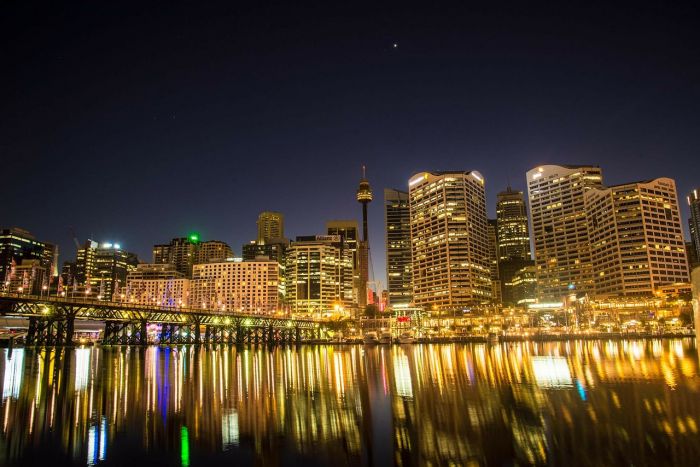
The pearl of New South Wales, the “Harbour City” offers some of the most amazing travel experiences on the entire continent. Its vast cultural heritage and art scene seep down into the endless avenues all the way into the tiniest streets, wide barely enough for two travelers to pass each other. Its infrastructure allows it to be traversed on foot, by bike or using its public transport, but its intricate size is best explored by car or some other form of motor transport. Understanding the vibe and organization of this unreal city will allow you to reach your destination safely and quickly, avoiding the common problems of motorists around the world.
On the Road
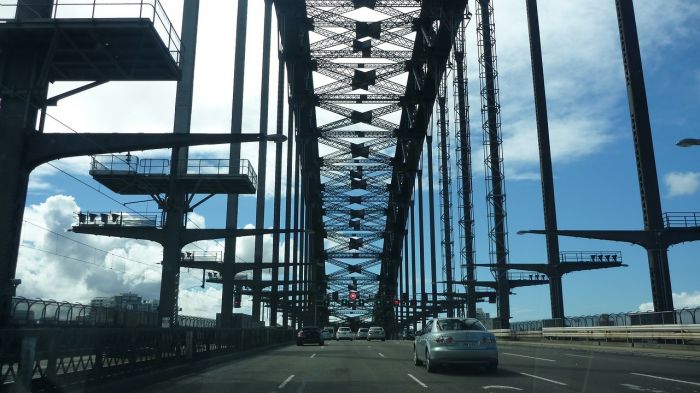
Unless stated otherwise by speed signs, the speed limit in Sydney urban areas is 50 km/h, while country roads, freeways and ring roads usually have a speed limit of 100 km/h. Bear in mind that Australians drive on the left side of the road, so you need to stick to the left-most lane on any multi-lane road whenever you are heading straight. Exchange lanes only when you need to turn. Always give the right of way to traffic incoming from your right-hand side on intersections, unless a "yield" or "stop" sign states otherwise. At a T-junction, a vehicle keeping its straight direction will always have the right of way.
Inside the Car
For the sake of your safety and the sake of your wallet, wear the safety belt at all times. According to NSW laws, the driver can be fined $325 and three demerit points for not wearing a seat belt, while if you drive with three unrestrained passengers, the fine increases to $1,047 and six demerit points. Needless to say, the car needs to be equipped with rear seat belts. Unlike the state of Victoria where the minimum driving age is 18, in Sydney and entire NSW the legal driving age is 16.
Tolls and Parking
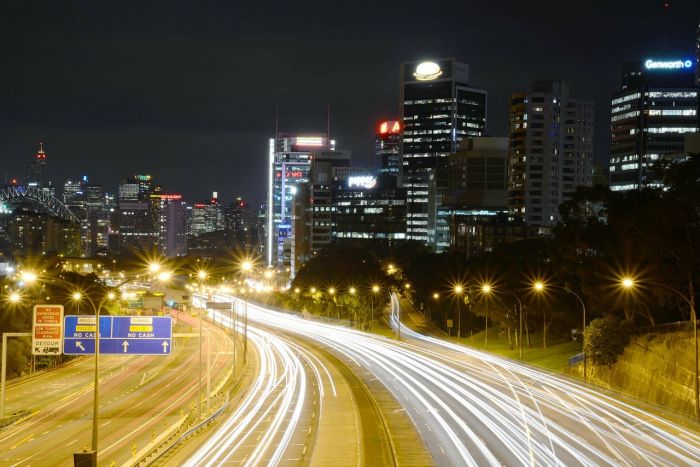
There are some additional rules that will help you navigate Sydney motorways more easily. Keep in mind that there are several Toll Way roads in the Sydney area, so you need to prepare enough change to pass through the Sydney Harbour Bridge toll and the Sydney Harbour Tunnel toll. There are strict parking zones throughout the city, so pay close attention and remember to feed the parking meter with enough change to avoid fines or tow service. A parking ticket is $7 per hour during business hours, and $3 during off-business hours.
In Case of Emergency
The overall safety of the city is regulated by numerous safety laws that ensure traffic efficiency. Still, you can never be too cautious when driving, especially if you come from a right-side driving country. Prepare yourself to handle all emergency situations by notifying authorities and first responders in the case of a traffic collision and car theft. The universal number for first responders in Sydney is triple zero—000. You should also look up an emergency car locksmith in case you lose or break your key or cannot unlock your car.
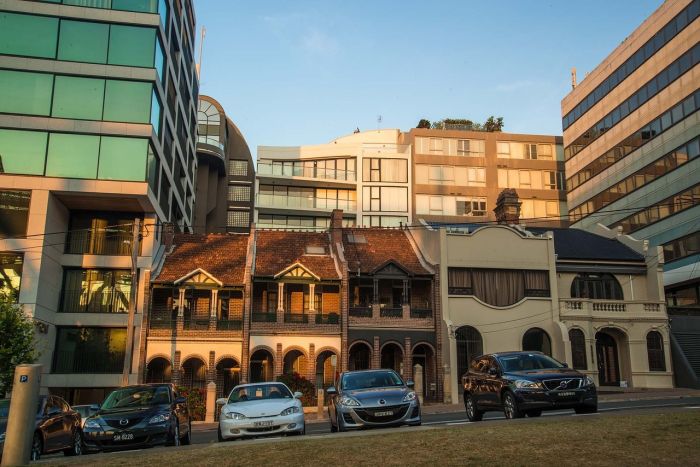
Local Traffic Details
Sydney has strict regulation on drinking and driving, with maximum legal driving limit being 0.05 or 50 mg of alcohol per 100 ml of blood. Another good piece of advice is to skip navigating through the city if you are headed to the Outback. Use one of numerous roundabouts that travel in a clockwise direction in this part of the world. Stick to the left-hand side of the road if you are headed straight or turning left, and switch to the right only if you plan to turn right.
Its iconic landmarks, popular attractions, sun-kissed beaches and vast area make Sydney difficult to navigate on foot. What is more, its many nearby localities make renting a car one of the best ways to explore this favorite holiday spot.