
Pore strips are popular skincare products designed to remove visible buildup from clogged pores, particularly around the nose. They are commonly used by individuals who want to reduce the appearance of blackheads, excess oil, and impurities on the surface of the skin. Available in various shapes and formulations, pore strips are typically applied to damp skin and removed after they have dried and adhered to the skin.
While pore strips can provide satisfying and immediate visible results, understanding how they work is important for using them safely and effectively. They are not a permanent solution for blackheads or enlarged pores, but they can be a helpful addition to a regular skincare routine when used properly.
What Are Pore Strips?
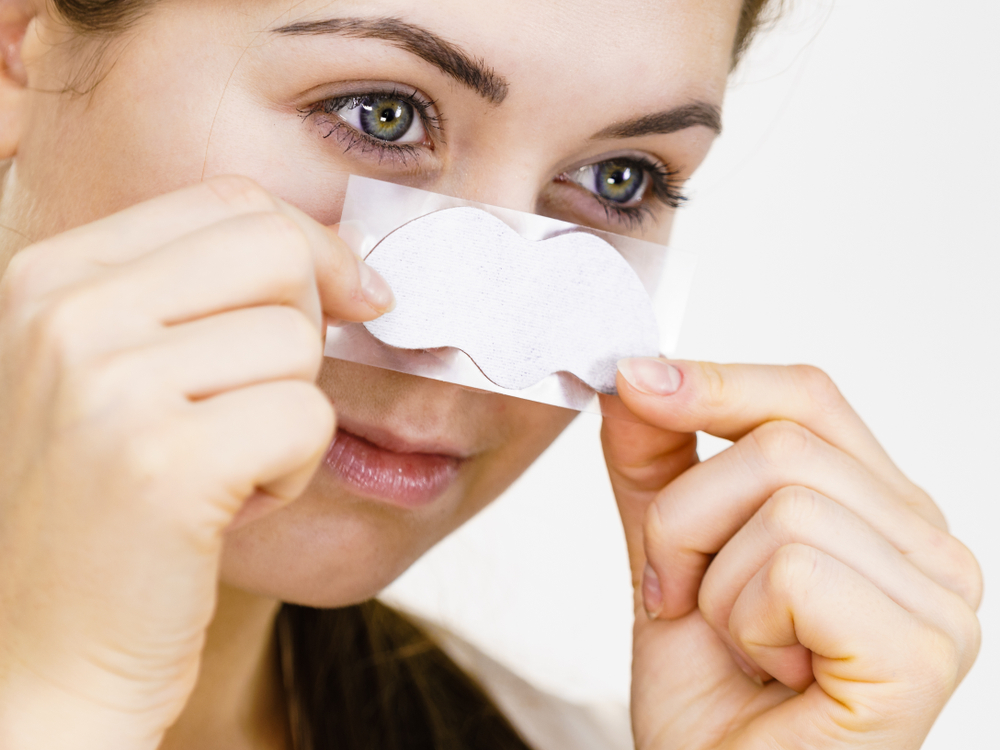
Pore strips are adhesive skincare treatments made from materials designed to stick to the surface of the skin. Most are intended for use on the nose, although some products are also available for the chin and forehead.
When applied to wet skin, the strip becomes activated and adheres closely to the area. As it dries, it attaches to surface debris, including excess sebum, dead skin cells, and some material found within clogged pores. Once the strip is carefully removed, some of this buildup may come away with it.
Pore strips are especially popular for targeting the small dark spots commonly referred to as blackheads. However, not every dark spot on the nose is necessarily a blackhead. Some may be sebaceous filaments, which are naturally occurring structures that help transport oil to the skin’s surface.
How Do Pore Strips Work?
The process of using a pore strip is relatively simple. First, the skin is cleansed to remove makeup, dirt, and surface impurities. The area where the strip will be applied is then thoroughly wetted.
The pore strip is placed over the damp skin and gently pressed down to ensure good contact. It is left in place for the recommended amount of time, usually until the strip becomes dry and firm.
As the strip dries, its adhesive properties allow it to grip surface debris and buildup around the openings of the pores. When removed, the strip can pull away some of the material attached to the skin and within the upper portion of clogged pores.
It is important to understand that pore strips do not permanently shrink pores or completely eliminate blackheads. They mainly provide temporary removal of surface-level buildup.
What Can Pore Strips Remove?
Pore strips may help remove several types of visible debris from the skin, including:
- Excess oil and sebum
- Dead skin cells
- Surface dirt and impurities
- Loose buildup around pore openings
- Some blackhead material
The results can vary depending on skin type, the condition of the pores, and how the product is used. People with oily skin may notice more visible material on the strip after use, while those with dry or sensitive skin may experience different results.
Are Pore Strips Effective for Blackheads?
Pore strips can temporarily improve the appearance of blackheads by removing some buildup near the surface of the skin. However, they do not address the underlying causes of clogged pores, such as excess oil production and the buildup of dead skin cells.
Because blackheads can develop again over time, pore strips should not be considered a permanent treatment. A consistent skincare routine that includes gentle cleansing and appropriate exfoliation may be more effective for long-term pore care.
How Often Should You Use Pore Strips?
Using pore strips too frequently may cause irritation, dryness, or sensitivity, particularly for people with delicate skin. It is generally best to follow the instructions provided by the product manufacturer.
Overusing adhesive skincare products may disrupt the skin barrier or cause unnecessary irritation. If redness, discomfort, or peeling occurs after using a pore strip, it may be advisable to reduce usage or discontinue the product.
Tips for Using Pore Strips Safely
For the best results, start with clean skin and ensure that the application area is sufficiently damp. Avoid using pore strips on irritated, sunburned, broken, or highly sensitive skin.
Remove the strip slowly and carefully rather than pulling it off aggressively. Afterward, apply a gentle moisturizer to help maintain the skin’s hydration and comfort.
It is also helpful to avoid combining pore strips with harsh exfoliating treatments immediately before or after use, especially if your skin is prone to irritation.
Final Thoughts
Pore strips offer a simple and convenient way to temporarily remove visible buildup from clogged pores. They work by using an adhesive surface to lift oil, dead skin cells, and debris from the upper layers of the pores and skin.
Although they can provide immediate cosmetic results, pore strips are not a permanent solution for blackheads or enlarged pores. For healthier-looking skin, they work best as part of a balanced skincare routine that includes cleansing, moisturizing, and appropriate exfoliation. When used in moderation and according to product instructions, pore strips can be a useful tool for maintaining a cleaner and smoother-looking complexion.