
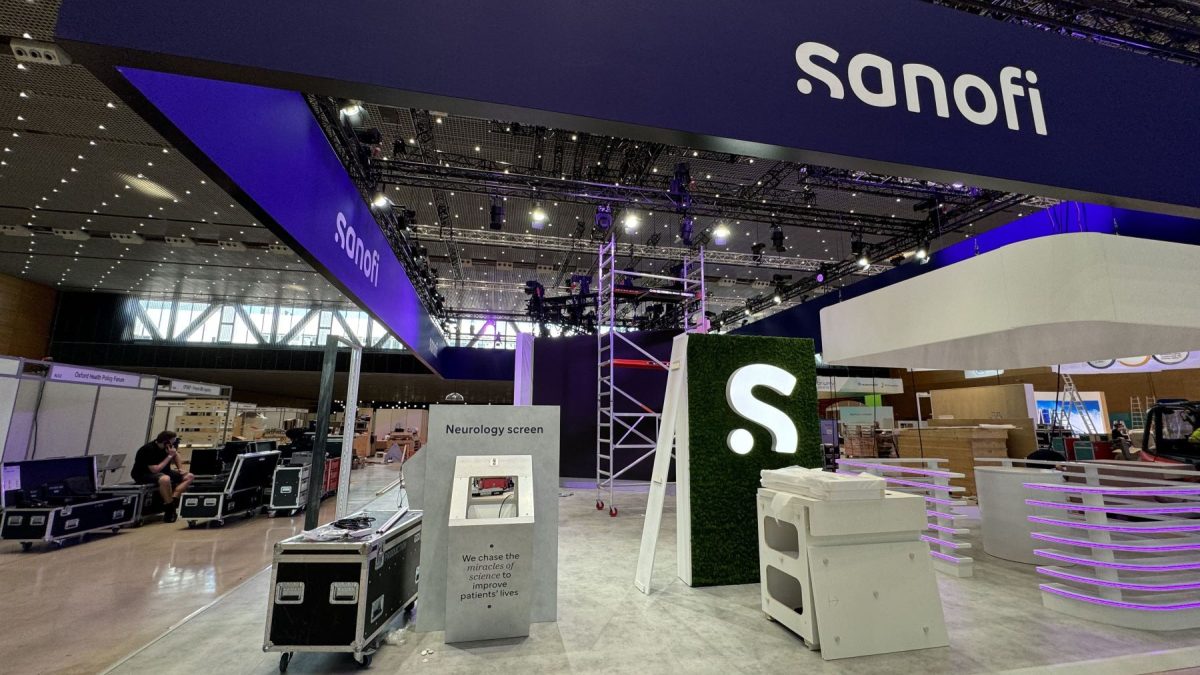
The term “full-service” is used widely in the exhibition industry, but rarely defined clearly. While exhibitors think it means end-to-end responsibility, many vendors use it as a marketing term. In 2026, however, things are different. A full-service model means no more ambiguity, no more interfaces, and no more unpredictability for every exhibition stand, regardless of its size or location.
Why “full-service” became a vague promise
Clients often believe they are buying a single accountable partner. In practice, they receive fragmented delivery. Strategy, design, production, and installation are passed between teams with limited visibility. This gap between expectation and execution is common across the exhibition company landscape.
Hidden handoffs create delays and cost overruns. Design is approved without engineering input, production is outsourced without coordination, and logistics are treated as a separate service. These breaks in responsibility increase stress during exhibition stand building and shift risk to the client.
Many “full-service” offers are primarily coordination layers over third-party suppliers. To identify this, clients should ask who owns drawings, who controls the budget, and who is responsible on-site. If answers are unclear, the model relies on outsourcing rather than delivery. This is common among exhibition stand contractors that do not operate as a single system.
What should full-service include in 2026
Full-service starts with strategy, not visuals. Concept planning must connect exhibition stand design to measurable goals such as leads, demos, meetings, or product launches. Visual appeal without intent does not support performance.
Engineering, production, and material decisions must be integrated early. Choices made at this stage affect assembly time, compliance, durability, and reuse. A trade show booth builder working in isolation from engineering cannot control build-day risk.
Logistics, storage, and timeline ownership must sit with one party from start to show close. This includes freight planning, buffers, and contingency logic. Without this, even well-designed show stands fail under schedule pressure.
The real deliverables that prove full-service
Evidence matters more than promises. A clear scope document should define responsibilities, interfaces, and deadlines. This document anchors all decisions and limits ambiguity.
Budget transparency is another proof point. Costs, change orders, and approval flows must be visible and controlled. Exhibition solutions fail when the financial impact is discovered late.
Compliance handling is also critical. Safety standards, venue rules, and approvals must be resolved before on-site work begins. A true exhibition builder removes this burden from the client rather than reacting during install.
How ESBAU runs full-service in practice
ESBAU assigns one accountable lead and maintains a single communication thread. All decisions, updates, and approvals flow through this channel, reducing noise and delay.
A modular build approach is used to manage risk across multiple shows. This supports consistency while allowing adaptation, benefiting clients working with exhibition stand builders on long-term programs.
Onsite install management is handled directly. Real-time problem solving happens within defined authority, avoiding escalation loops common with distributed exhibition stand contractors.
What clients get on the show week after week
During show week, clients receive daily coordination covering labor schedules, progress tracking, and quality checks. This ensures the exhibition stand is operational as planned.
Lead capture readiness, technical checks, and last-mile fixes are completed before doors open. The focus is on operational performance, not just appearance.
After the event, dismantle, return shipping, and reporting are handled as part of the same scope. Insights are captured to improve future builds.
What defines full-service in 2026:
- Single ownership from strategy to teardown.
- Integrated design, engineering, and production.
- Transparent scope, budget, and approvals.
- Direct onsite control and accountability.
This is how ESBAU defines full-service for modern trade show exhibit company requirements.