

Landscaping is the planned design, modification, installation, and ongoing care of an outdoor area. It coordinates plants, soil, water, built features, and the way people move through a space to improve how a property looks, how it works, and how it handles things like rain and runoff. If you’re a homeowner or property manager starting a first outdoor project, or you’re trying to work out how landscaping differs from gardening and lawn care, this guide covers what the work includes, how a project runs, and when to call in a specialist.
The most useful way to think about it: landscaping is an outdoor system, not a set of decorations. Four relationships drive every project. Plants and soil. Water and drainage. Movement and built features. Use and long-term maintenance. The living parts (trees, turf, shrubs) are called softscape. The constructed parts (patios, walls, paths) are called hardscape.
What Does Landscaping Include?
Scope varies by property, but nearly everything falls into four groups.
| Group | What it covers |
| Softscape | Trees, shrubs, flowers, groundcover, grass and turf, soil amendment, mulch |
| Hardscape | Patios, walkways, steps, retaining walls, edging, decorative structures |
| Site systems | Grading, drainage, irrigation, outdoor lighting, erosion control |
| Maintenance | Mowing, pruning, weeding, mulching, seasonal cleanup, plant replacement |
Site systems are the part most people skip, and they usually decide whether the visible landscape succeeds. Grading moves water away from the house to ensure it doesn’t pool against a foundation or cut channels through a bed. Drainage lines carry heavy rain somewhere safe. Irrigation keeps plants alive through dry stretches without anyone standing there with a hose. Soil management gives roots something to grow into. A standing-water problem isn’t cosmetic, and planting over it just buys you a few seasons before the plants fail.
A custom patio changes curb appeal and gives you a room outside the back door, but it only stays flat and dry if the base and the grading underneath were done right. The same logic applies to everything above it.
Does a fence count? A fence belongs in the landscape plan because it sets boundaries, creates privacy, shapes circulation, and defines planting zones. Installation is often a separate contract handled by a dedicated contractor such as Fantastic Fence rather than by a planting crew.
What Is Landscaping vs. Gardening, Lawn Care, and Landscape Architecture?
Gardening and lawn care are narrower activities inside the larger job of landscaping, and landscape architecture is a licensed profession that sits above all of it.
| Term | Typical scope | Focus | Best fit |
| Gardening | Cultivating plants in beds and garden areas | Mostly care | Ornamental beds, vegetables, containers |
| Lawn care | Turf only: mowing, aeration, fertilization, weed control | Maintenance | Keeping an existing lawn healthy |
| Landscaping | Whole site: plants, hardscape, water, circulation, upkeep | Design, install, maintain | Most residential and commercial projects |
| Landscape architecture | Analysis, planning, design, management, stewardship | Design and planning | Complex grading, public sites, permit drawings |
One caution worth taking seriously: landscape architects are licensed in all 50 states and the District of Columbia, per ASLA. A talented designer without that license is a designer, not a landscape architect, and the title matters when drawings go to a permit office.
What Are the Main Types of Landscaping?
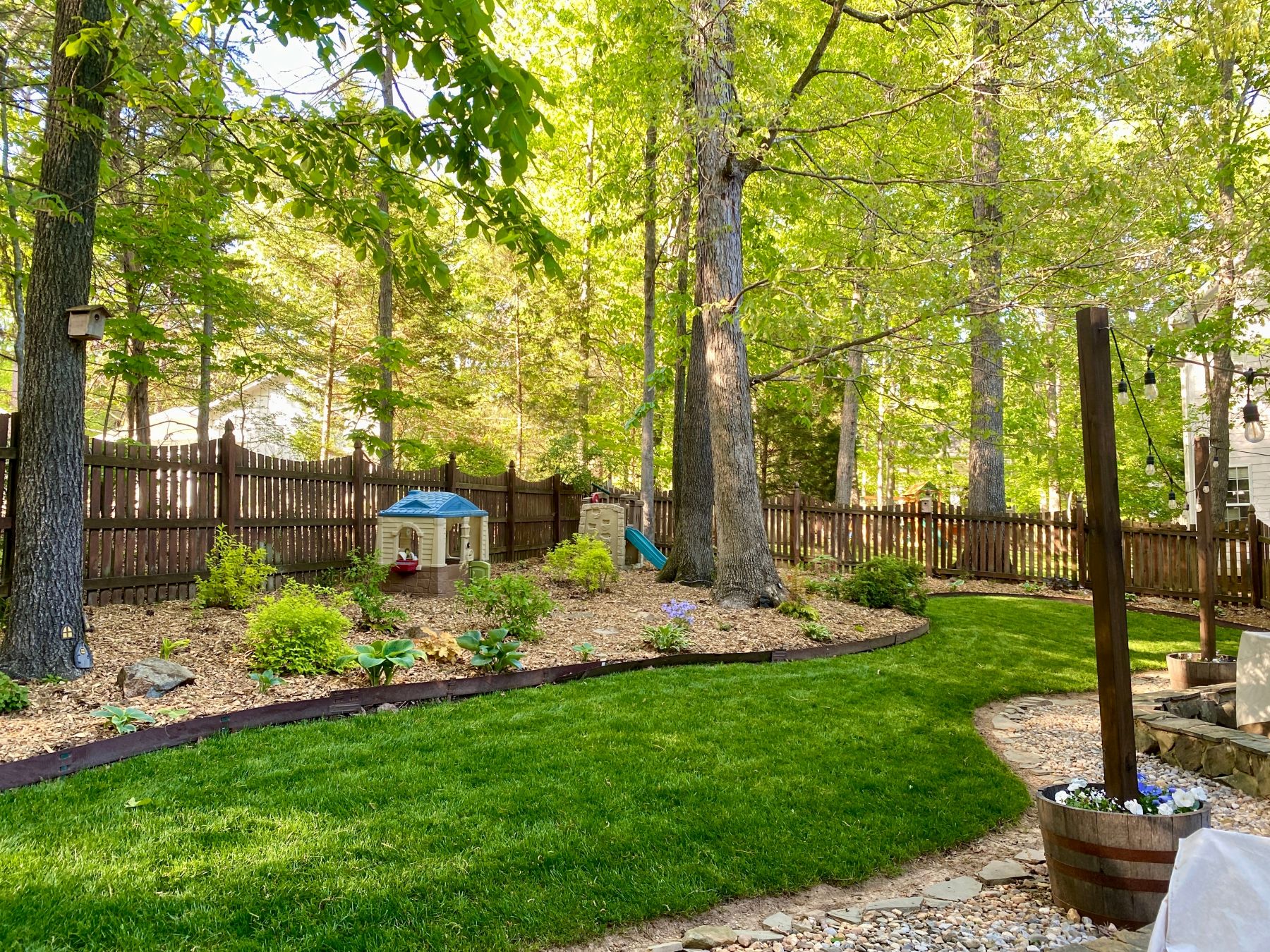
- Residential: yards, outdoor living areas, privacy, play space, curb appeal.
- Commercial: entrances, pedestrian routes, screening, parking islands, public-facing grounds.
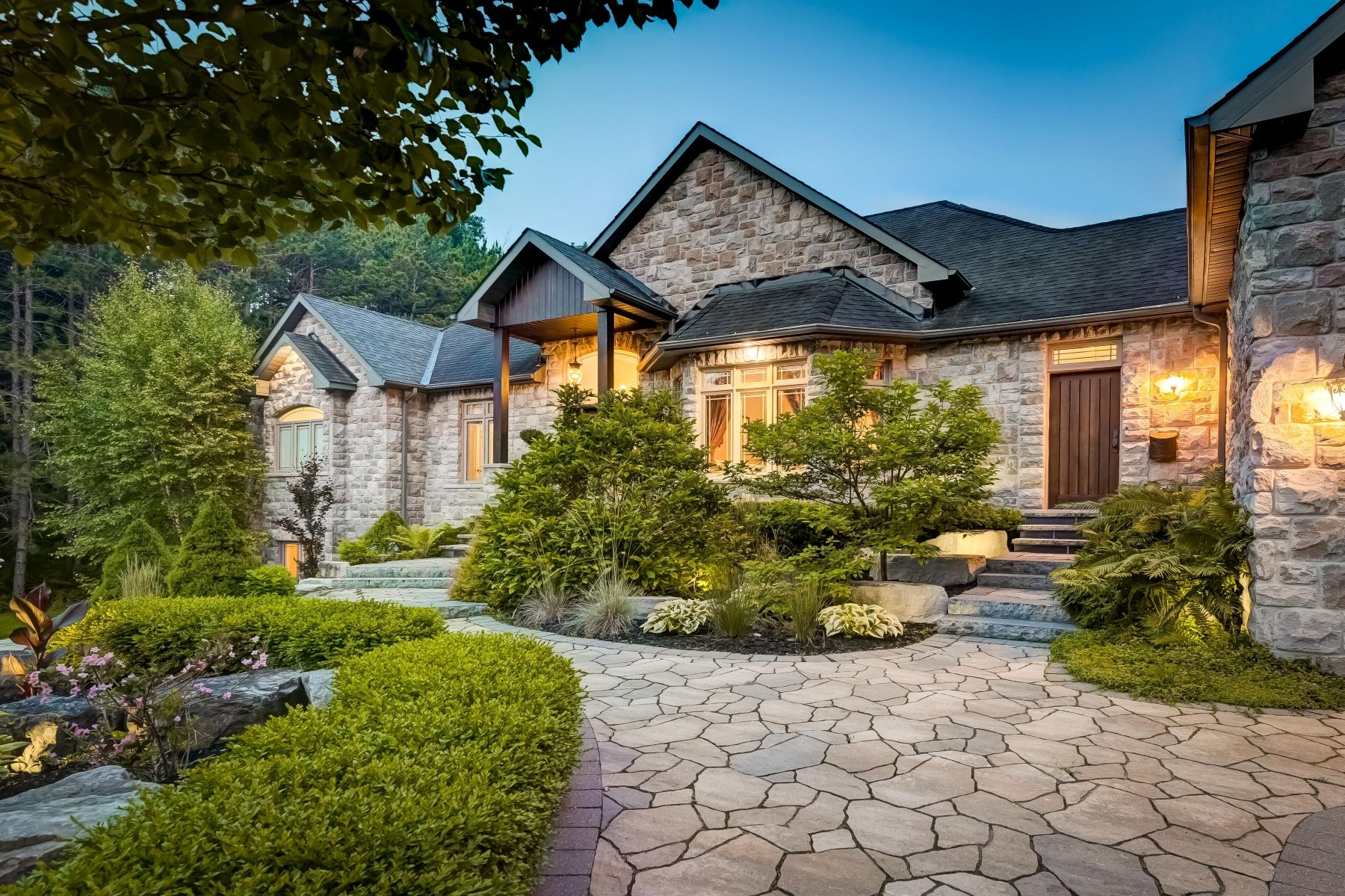
- Hardscape-led: the patio, wall, or path does the heavy lifting and planting fills in around it.
- Planting-led: trees, ornamental beds, and lawn carry the design.
- Water-wise (xeriscape): matching plants and irrigation to local rainfall and soil. It does not mean covering a yard in rock. Done properly, it reduces supplemental watering while keeping the space green.
- Ecological and pollinator-friendly: regionally native plants that support local wildlife, plus rain gardens that capture and filter stormwater instead of sending it straight to the storm drain.
- Edible: fruit trees, herbs, and raised beds worked into the ornamental plan.
- Low-maintenance: durable materials and plants chosen around the time you actually have.
Native plants need less fussing once established, but they still need the right sunlight, soil, and drainage, and they need regular water through the first season or two.
How Does a Landscaping Project Actually Work?
- Define your goals. Shade, privacy, a place to eat outside, pet containment, somewhere for kids to play, or simply less weekend upkeep.
- Draw a base map. House footprint, property lines, doors, driveway, existing trees, utilities, easements.
- Analyze the site. University of Georgia Extension recommends recording light and shade, water movement, drainage, microclimates, wind, utilities, and existing vegetation before the plan is finalized. A good-looking design cannot overcome poor growing conditions.
- Fix the functional problems. Grading, drainage, erosion, and access get solved before anyone picks out shrubs.
- Design the space. Circulation first, then activity zones, hardscape, planting areas, and focal points. Distribute visual weight across the yard so one corner doesn’t feel heavy and the rest empty.
- Select plants and materials. The governing principle is matching each plant to the conditions it will actually live in, and leaving room for the size it reaches at maturity.
- Install in sequence. See the order below.
- Plan maintenance before you commit. If the design needs four hours a week and you have one, change the design.
Water is worth a specific note. EPA WaterSense reports that outdoor use accounts for roughly 30% of household water consumption nationally, close to 8 billion gallons a day, most of it landscape irrigation. Turf area, plant choice, and irrigation layout are the three levers that move that number on your property.
Before digging for trees, fence posts, irrigation, or lighting, call 811. PHMSA is clear that even small jobs like planting shrubs require utility location, and notice periods vary by state. On commercial or public sites, accessible routes may also govern path design: the 2010 ADA Standards specify a 36-inch minimum clear width, a maximum 1:20 running slope, and a maximum 1:48 cross slope where they apply.
In What Order Should Landscaping Work Be Done?
- Survey, boundaries, easements, and 811 utility marking
- Demolition, grading, and drainage
- Retaining walls, patios, and fence posts
- Building repairs and exterior finishing
- Irrigation lines, drainage lines, and lighting
- Soil preparation
- Trees and large plants
- Smaller plants, lawn, and mulch
The logic is simple. Heavy equipment, ladders, scaffolding, and wheelbarrow traffic destroy new planting, so anything requiring access to the house goes first. Anyone working on the exterior needs clear reach to siding, trim, and windows before shrubs go in against the foundation. If exterior repairs or repainting are part of the same property upgrade, finish that work before installing delicate foundation beds. A specialist such as Cover Pro Painting belongs in the exterior-finish phase rather than in the landscaping scope. Mulch goes on last, where it holds soil moisture and suppresses weeds instead of getting churned into the ground.
What Are the Benefits of Good Landscaping?
You get usable square footage outside the house, shade where the afternoon sun hits, and privacy without blank walls. Paths and steps that are properly sized and lit make the property safer to walk at night. Grading and planting hold soil in place instead of letting it wash into the street, making the whole site cheaper to keep up over the years.
Runoff is where landscaping does real environmental work. EPA points to rain gardens, bioswales, and permeable paving as green infrastructure that slows water down, lets it soak in, and filters pollutants through soil and roots. Trees pull pollutants out of the air as they grow. Native plantings give pollinators and local wildlife somewhere to live.
Buyers respond to mature trees, healthy turf, and a finished patio. Any specific percentage return on resale is guesswork, so treat curb appeal as a real advantage without a guaranteed number attached.
DIY or Hire Help? How Much Time Are You Committed To?
Answer the time question honestly first, then pick the scope.
- Reasonable DIY tasks: mulching, small beds, containers, edging, seasonal cleanup, debris removal.
- Hire a landscaper: larger planting plans, irrigation, sod, coordinated installation, and routine maintenance that keeps plants healthy through all four seasons.
- Hire a landscape architect or engineer: major grading, complex drainage, accessibility requirements, permit drawings.
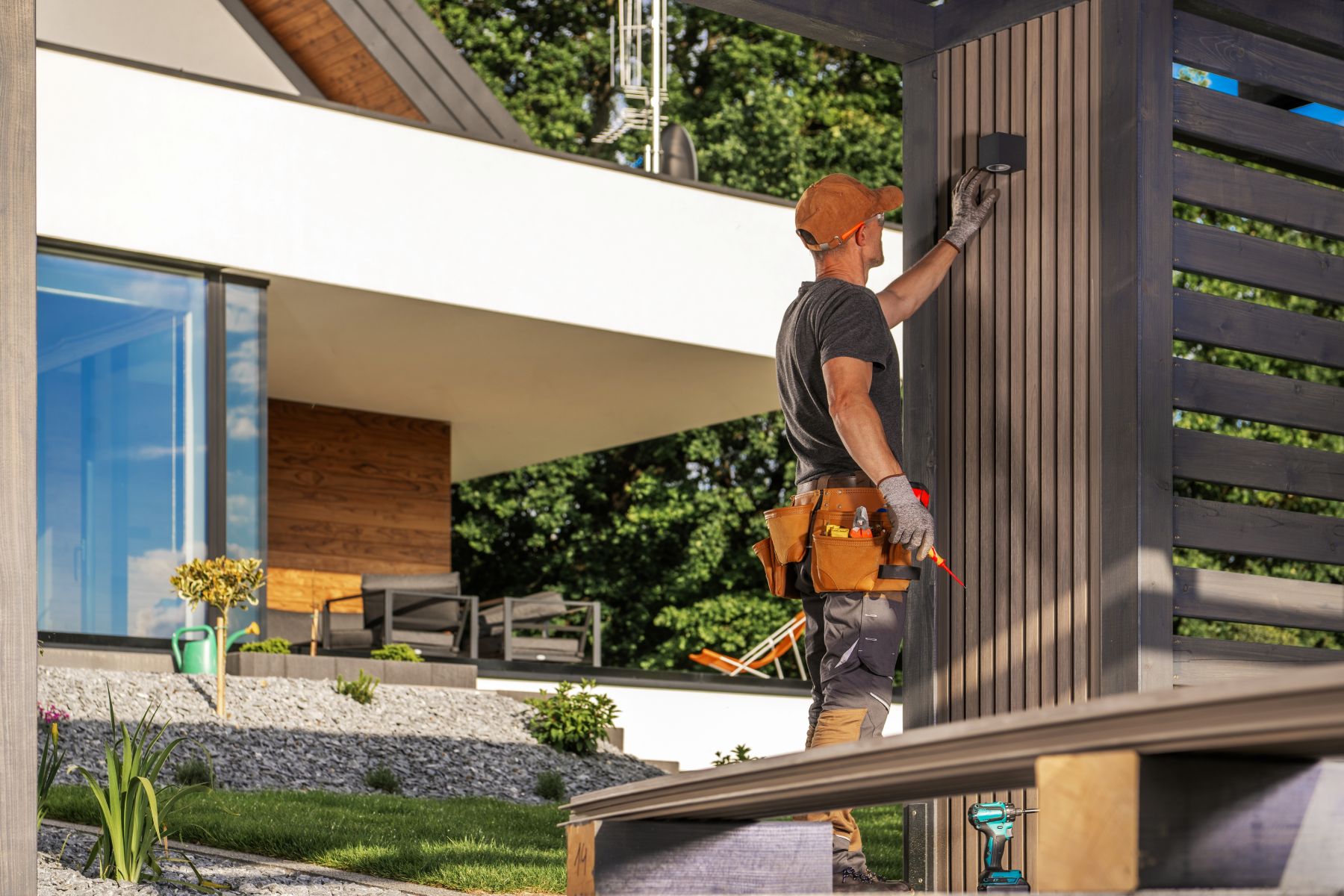
- Use specialist contractors: fences, exterior painting, electrical, plumbing.
- Use a certified arborist: large-tree pruning or any work near major roots, following ANSI A300 tree care standards.
The year has a rhythm. Spring is soil prep and the main planting window, summer is watering and actually using the space, fall is cleanup and structural pruning, winter is lighting and the bones of the design. OSHA treats grading, hardscape construction, planting, and tree work as jobs with distinct hazards, and machinery, chemicals, lifting, and weather exposure are all part of the picture.
Frequently Asked Questions About Landscaping
What exactly do landscapers do?
They design, install, and maintain outdoor spaces: planting, grading, drainage, irrigation, hardscape construction, mowing, pruning, mulching, and seasonal cleanup. Scope varies widely by company, license, and specialty, so a maintenance crew and a hardscape builder may both call themselves landscapers.
What is landscape in simple words?
A landscape is the visible features of an area of land and the way they’re arranged, including land shape, plants, water, and structures. Landscaping is the act of shaping that area and caring for it over time.
What are examples of landscaping?
A paver patio, a retaining wall holding a slope, a rain garden at the bottom of a downspout, a drip irrigation zone, a native pollinator bed, regraded soil that moves water away from a foundation, or a newly seeded lawn.
What is the highest paying job in landscaping?
Generally licensed landscape architects and the owners or managers of landscape construction firms. Certified arborists and irrigation specialists also tend to earn above typical crew wages because the work requires certification and carries more liability.
Where to Start
Landscaping is the coordinated planning and care of plants, water, structures, and outdoor space over years, not a weekend of decorating. Start here:
- Write down what you want the space to do.
- Map the property and study its light, soil, and slope.
- Solve drainage before anything else.
- Decide how much maintenance you’re committed to, then design to that.