
The essence of sailing lies in the delicate dance between wind and water, a ballet where the sailcloth is the pivotal element connecting the two. This seemingly simple fabric shapes a sailboat’s performance, harnessing wind power to propel vessels across the world’s oceans. But not all sailcloths are created equal; they vary in material, construction, and capabilities. If you’re curious about the science and art behind this essential sailing component, you’re in the right place. Below, we’ll explore the intricacies of sailcloth and how it transforms the wind’s breath into seafaring adventure.
Understanding the Basics of Sailcloth Material
Sailcloth is the fabric used to create sails for all types of sailing vessels, from small dinghies to majestic tall ships. Its primary purpose is to capture and harness wind, generating thrust that moves a boat through the water. The choice of material is critical, as it must possess both the strength to withstand natural forces and the ability to maintain a shape that efficiently captures wind.
The most common sailcloth materials are woven polyester, known for its durability and all-around performance, and nylon, which is lightweight, stretchable, and suitable for downwind spinnaker sails. Technological advancements have introduced laminated sailcloths that combine multiple layers, including Kevlar fibers, to provide improved shape retention and strength.
When selecting sailcloth, sailors must consider the type of sailing they’ll be doing, the conditions they’ll encounter, and the performance characteristics they desire. A comfort-cruising journey may require different material qualities than those required for high-speed racing. Each sailcloth variety has its own trade-offs among weight, durability, stretch, and cost.
For those focused on performance or specialized applications, companies specializing in woven fabrics for performance and cruising from Challenge Sailcloth offer a range of materials that meet exacting demands. From cruising to racing, the sailcloth must be carefully matched to the vessel and its intended use, affecting the overall sailing experience.
The Manufacturing Process of Sailcloth
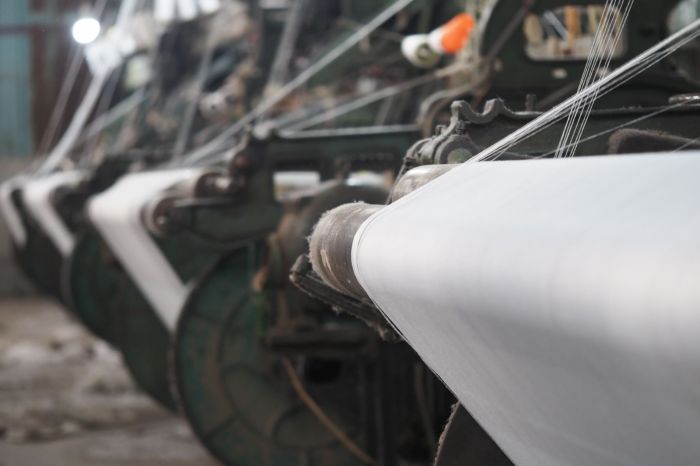
The manufacturing process of sailcloth is a complex blend of traditional skill and modern technology. It typically begins with selecting fiber types, which are then spun into yarns. The yarns are treated with finishes to enhance properties like UV resistance and water repellency before being tightly woven into fabric on industrial looms.
Woven sailcloth can then undergo heat- and pressure-based treatments. These processes, known as calendering or heat-setting, stabilize the material, helping it retain its shape once it is crafted into a sail. Coating application may follow to enhance durability and performance. Each step is crucial and must be precisely controlled to produce high-quality sailcloth.
For laminated sailcloths, the production process involves layering materials. Films, scrims, and additional reinforcing fibers are painstakingly combined to achieve the desired characteristics. Adhesives and bonding agents play a pivotal role, ensuring that the layers adhere without compromising the flexibility or introducing weaknesses.
Once the sailcloth rolls off the production line, sailmakers take over, employing both time-honored techniques and digital cutting and shaping methods to craft sails that fit boats perfectly. The precision of the manufacturing process significantly affects how the sail performs under wind and weather loads. Each sail is uniquely tailored, much like a bespoke suit, to meet the needs of the sailor and their vessel.
Sailcloth in Action: How It Transforms Wind Into Motion

The marriage of sailcloth and wind is a poetic and practical relationship that defines sailing. Once hoisted, the sailcloth catches the air, creating a pressure differential between its two sides. This pressure difference generates lift, similar to an airplane wing, propelling the boat forward.
Sailcloth also plays a significant role in a vessel’s handling. A more rigid material transmits wind forces more directly to the boat’s hull, affecting speed and maneuverability. In contrast, a slightly forgiving sailcloth can absorb gusts and sudden wind shifts, providing a smoother, sometimes more controlled experience.
The art of sailing, therefore, is inseparable from the quality and characteristics of the sailcloth. Skilled sailors can read the wind and the water, but they also understand their sails intimately—anticipating how changes in trim and tension will affect the boat’s response. It’s this dynamic interplay between natural elements and engineered materials that underpins the exhilarating adventure of sailing.
The significance of sailcloth in the realm of sailing cannot be overstated. It is the core component that enables sailors to capture the wind’s essence and translate it into motion. From the careful selection of materials to the intricacies of the manufacturing process, every step contributes to the sail’s overall performance. Sailcloth, in its various forms and evolutions, continues to be the lifeblood of marine propulsion, shaping adventures upon the vast blue as it has done for millennia.