
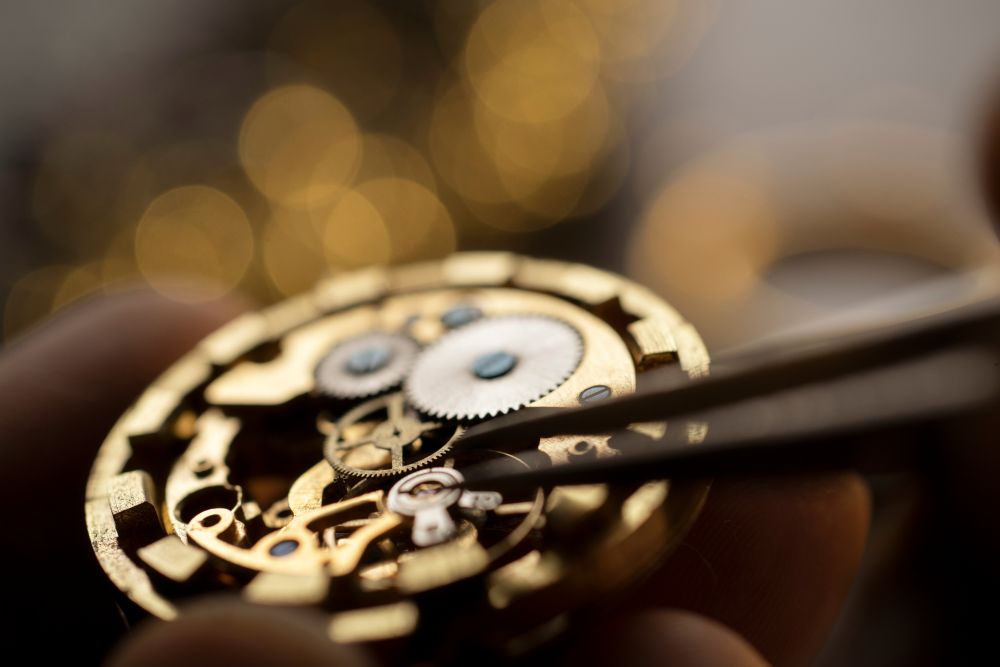
Collecting is rarely just about acquisition. For serious collectors, the real satisfaction comes later—when a rare watch, vintage bottle, or piece of fine art finds its place within a home and becomes part of daily life rather than remaining locked away.
The most impressive collections are not simply large. They are thoughtfully presented in a way that reflects the collector’s taste as much as the objects themselves.
Talk to enough serious collectors and a pattern emerges: the hunt for a piece is only the beginning. What happens after the acquisition—how it is framed, positioned, illuminated, and lived with—is where a collection truly takes shape.
The Difference Between Storing and Displaying a Collection
There is a meaningful difference between owning something valuable and knowing how to live with it. Storage protects an object. Display gives it purpose.
Many new collectors focus entirely on protection without realizing how much presentation shapes their long-term enjoyment of what they own.
Why Presentation Matters as Much as the Piece
A rare item tucked into a drawer or closet loses much of its emotional value, even if its monetary value remains intact. Collectors who understand this instinctively treat presentation as part of the collecting process—not as an afterthought once the acquisition is complete.
This mindset appears across luxury home design more broadly. The growing appeal of refined, atmospheric interiors reflects a similar instinct: a home should feel curated, not simply furnished.
The same philosophy applies whether the object is a painting worth six figures or a modest but meaningful print. Intentional presentation relates to the significance of the collection rather than its price tag.
Choosing the Right Setting for a Collection
Once collectors decide to display rather than store their pieces, the next decision is where and how the collection should live within the home.
Dedicated Rooms vs. Integrated Displays
Some collectors prefer a dedicated space, such as a library, den, gallery, wine room, or converted room designed entirely around the collection.
Others integrate pieces throughout the home, allowing standout objects to appear in a hallway, study, living room, or entertaining space rather than confining everything to one location. Both approaches can work, provided the setting suits the scale and nature of the collection.
A collector drawn to motorsport, for instance, might anchor a den or study with a curated group of high-quality racetrack prints from Flow Racers. Pairing themed motorsport posters with professional framing can transform a personal passion into a genuine interior-design feature rather than a scattered assortment of memorabilia.
Lighting, Climate and Preservation Considerations
Beyond aesthetics, serious collectors think carefully about the conditions surrounding their pieces. Direct sunlight can fade prints, photographs, fabrics, and artwork over time. Meanwhile, inconsistent temperature and humidity may damage paper, warp frames, and affect canvas, leather, wood, and other sensitive materials.
UV-filtering glass, controlled lighting, appropriate ventilation, and a stable room environment are among the considerations that separate a casual arrangement from a display designed to last for decades.
What Different Types of Collectors Prioritize
Not every collector approaches display in the same way. Priorities often depend on the nature, value, size, sensitivity, and security requirements of the objects being collected.
Watch and Jewelry Collectors
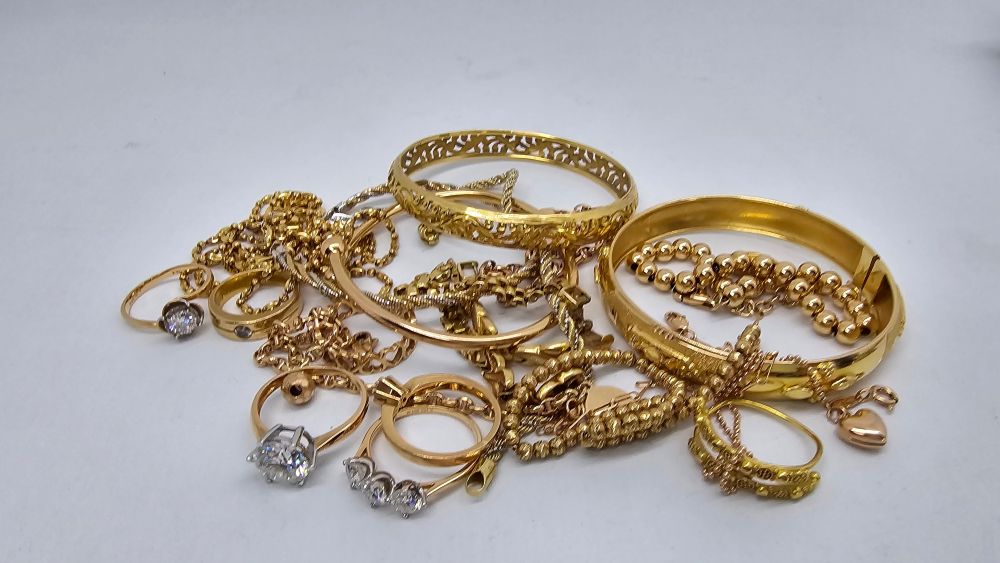
For watch and jewelry collectors, display is often about security as much as presentation. Custom cases with integrated lighting, secure mounting, protective glass, and climate controls may be used to showcase pieces safely.
Many collectors also rotate watches and jewelry between a display case and a safe. As a result, the visible collection functions like a curated exhibition that changes over time rather than a fixed arrangement.
Fine Art and Print Collectors
Art and print collectors tend to focus heavily on framing, wall placement, spacing, sightlines, and the relationship between individual pieces. They may also consider how an artwork interacts with natural and artificial light throughout the day.
Some collectors spend weeks testing a single piece in different rooms before choosing its final placement. The same artwork can create a very different impression depending on the surrounding wall color, furniture, architecture, and lighting.
Motorsport and Automotive Memorabilia Collectors
Motorsport collectors frequently work with a combination of framed prints, vintage posters, scale models, helmets, photographs, race programs, and race-worn objects. The variety of formats can make cohesive presentation more challenging.
One effective approach is to begin with a consistent framing style across a themed print collection. The collector can then arrange models and other memorabilia around that visual anchor, helping the room feel coordinated rather than crowded.
The Craft of Framing and Presentation
Framing is often where a collection either comes together or falls apart visually. Collectors who take presentation seriously tend to treat this stage as its own discipline.
Custom Framing and Museum-Grade Glass
Museum-grade, UV-filtering glass helps protect a piece while reducing glare. This makes it easier to appreciate a print, photograph, document, or work of art without fighting reflections or exposing it to unnecessary ultraviolet light.
Custom framing selected to complement the materials, colors, and character of the room also helps a collection feel intentional rather than assembled piecemeal over time.
Working With Designers to Create a Cohesive Display
Many serious collectors hire an interior designer, art consultant, lighting specialist, or custom fabricator to plan how a collection will live within a space. In these cases, the display becomes a design project of its own rather than an afterthought added after the room is complete.
Professional guidance can be especially valuable for collections containing pieces from different eras, formats, or artistic styles. A cohesive design plan can keep the room from feeling disjointed while allowing each object to retain its individual character.
A thoughtful designer will often ask about the story behind a collection before recommending a frame, shelf, display case, or lighting solution. The strongest displays usually follow a narrative rather than simply grouping objects by size or shape.
How Collectors Curate Their Displays Over Time
A serious collection rarely remains static, and its presentation should be flexible enough to evolve alongside it.
Editing a Collection as Personal Taste Evolves
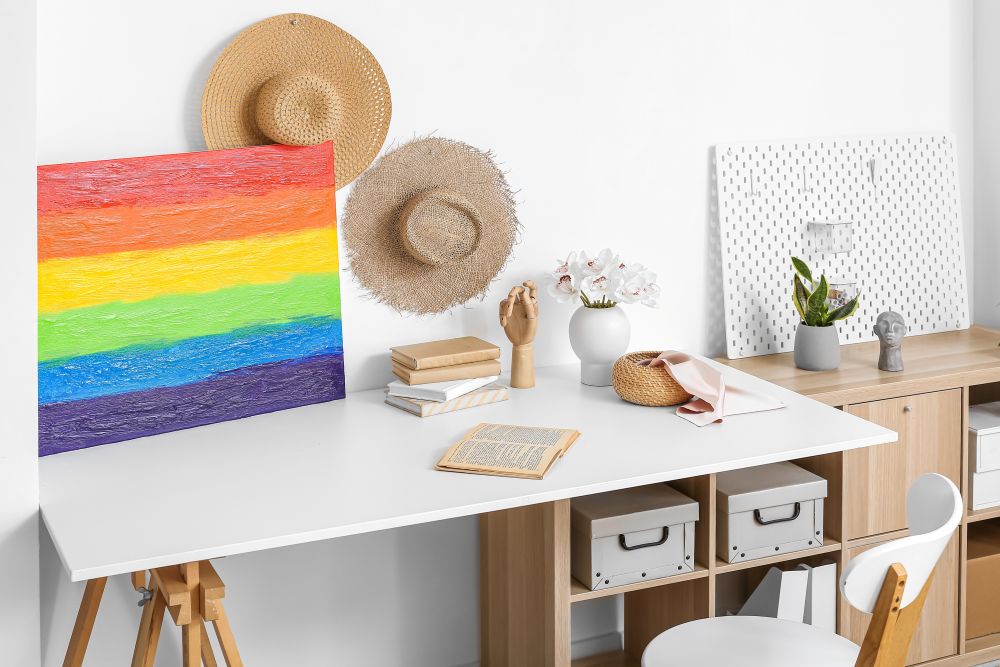
Experienced collectors regularly reassess what remains on display and what returns to storage. They treat their walls and shelves as a living curation rather than a permanent fixture.
This editing process often separates a collection that feels fresh and personal from one that appears frozen in time. It also creates space for new acquisitions without allowing the room to become visually overwhelming.
Rotating Pieces to Keep a Space Fresh
Rotating selected pieces in and out of view—whether seasonally or as new acquisitions arrive—prevents a display from becoming visual wallpaper that the collector eventually stops noticing.
This habit also encourages collectors to revisit and appreciate pieces that might otherwise remain out of sight indefinitely.
A similar philosophy can be found in America’s finest luxury cigar lounges, where humidors and selections are curated and refreshed to keep the experience interesting. A well-managed home collection benefits from the same ongoing care and attention.
Creating a Collection Worth Living With
The best collections are not simply valuable. They are lived with, considered, and presented in ways that reflect genuine care rather than mere accumulation.
Whether the passion involves fine watches, jewelry, art, wine, automobiles, or motorsport memorabilia, the collectors who gain the most satisfaction from what they own are usually those who think as carefully about display as they do about acquisition.