
Modern aesthetic medicine offers countless ways to refresh a tired appearance through cosmetic dermatology. As technology improves, people feel more curious about these aesthetic treatments. Navigating these choices requires a solid understanding of medical and lifestyle factors.
This guide explains how evaluating specific criteria leads to the most successful results. Keep reading to identify the right factors for selecting facial rejuvenation procedures and ensuring a safe and satisfying experience.
Personal Aesthetic Goals
Knowing your specific facial concerns, such as facial wrinkles, serves as the first step in this journey. Some people want to fix fine lines or hollow cheeks. Others prioritize skin texture or overall facial symmetry. When you know these priorities, you can narrow down the most effective clinical options.
Many people want to age gracefully without losing their natural features or unique look. Patients often ask, ‘What is a facial rejuvenation?’ when choosing between a facelift, rhinoplasty, or eyelid surgery. Customized solutions ensure a refreshed appearance that feels authentic rather than artificial or overdone.
Subtle enhancements for concerns like crow’s feet differ significantly from dramatic surgical transformations. Younger patients often focus on prevention and minor volume replacement. Meanwhile, older individuals might require more comprehensive lifting techniques. Combining various methods often yields the most balanced aesthetic outcomes.
Skin Health Status
A thorough evaluation of your skin type ensures safety during any treatment. Sensitivity levels determine which chemical peels or lasers work most effectively. Existing sun damage or acne scarring influences the recommended approach. Healthy skin, free from acne scars, typically responds better to advanced clinical techniques.
Elasticity and collagen production dictate how well skin snaps back. Weakened skin might need tightening treatments before a full facelift. Pre-treatment skincare routines often strengthen the skin barrier. These preparations lead to smoother recoveries and more vibrant outcomes.
Result Duration
Injectables provide quick changes for fine lines but require frequent touch-up sessions. These results fade within months as the body absorbs the product. Surgical options may last years but involve a higher initial commitment. You must decide if you prefer frequent small tweaks or one major event.
Maintenance sessions contribute greatly to preserving a youthful look and slowing the aging process. Regular facial treatments and quality products extend the life of any procedure. Natural aging continues even after a successful clinical intervention. Planning for the future prevents frustration as the face changes naturally.
Lifestyle Compatibility
Recovery timelines for a non-invasive treatment often dictate when someone schedules their chosen facial rejuvenation procedures. Some options allow for an immediate return to work and social life. Following an intensive surgery, you must rest for several weeks and move very little. Planning around major life events helps create a stress-free healing period.
Work schedules and caregiving roles impact which treatments remain practical. People with active lifestyles involving sun exposure must consider temporary restrictions on exercise. Matching a procedure to a daily routine prevents unnecessary complications. Sunlight exposure habits also influence how well the skin heals.
Emotional Preparedness
Setting realistic expectations for cosmetic treatments leads to higher satisfaction after the healing period ends. Results vary based on individual anatomy and biological responses. Social media trends often create impossible beauty standards. Focus on your achievable, personal goals rather than trying to mimic someone else’s face.
Physical changes sometimes require a period of emotional adjustment. Seeing a different reflection in the mirror might feel strange initially. Remain patient during the swelling phase to help maintain a positive mindset. Choosing a path that boosts self-esteem creates the best emotional outcome.
Provider Qualifications
Choosing an experienced specialist reduces the risk of unsatisfactory results. Board-certified professionals understand the complex anatomy of the human face. They provide personalized plans that respect individual features. Trusting a qualified expert could lead to a much safer medical experience overall.
Reviewing before-and-after photos helps gauge a provider’s artistic style. Look for consistency and natural-looking transformations in their portfolio. Skilled doctors handle unexpected complications with confidence and precision. They prioritize patient safety over simply making a quick sale.
Technology Options
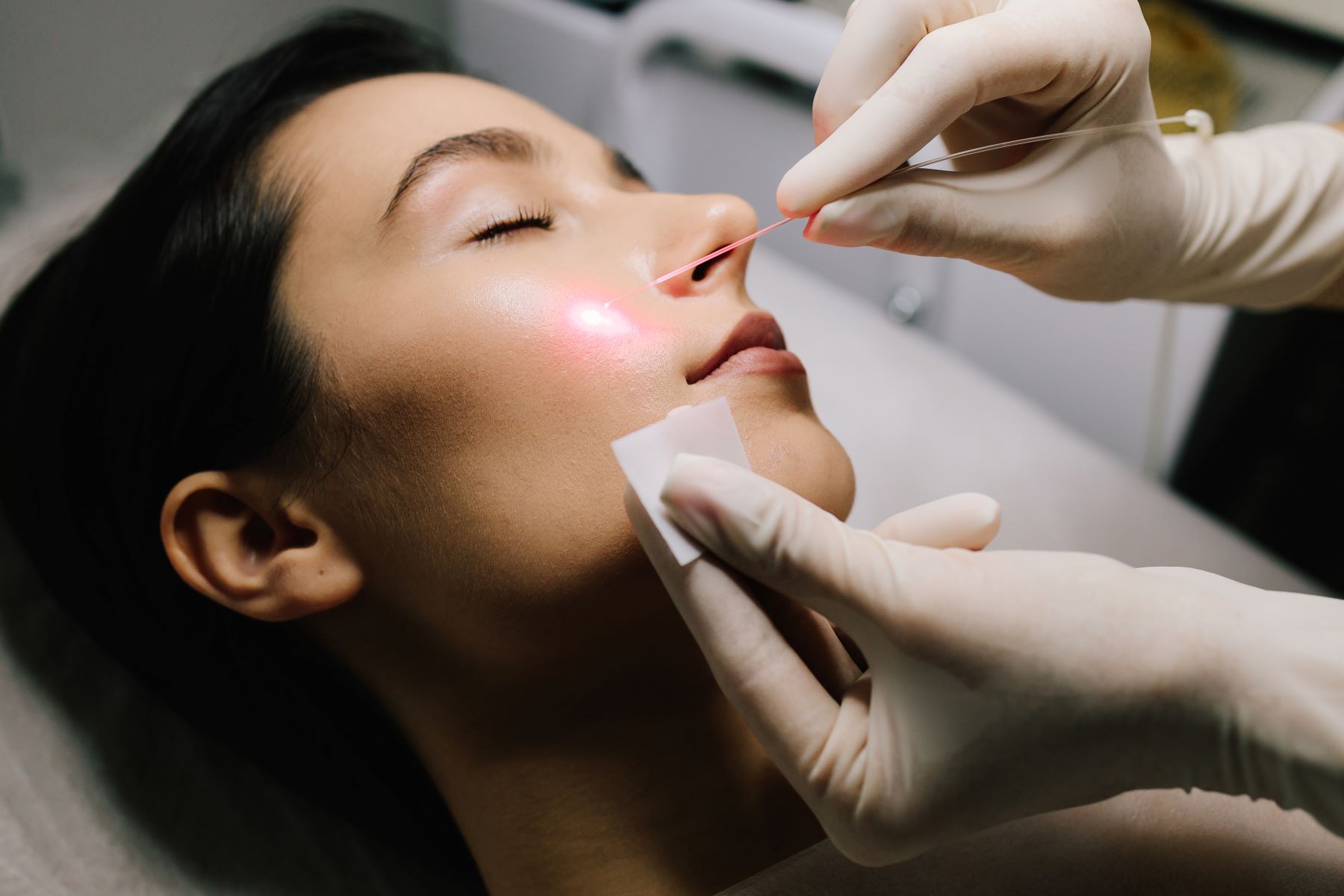
Modern clinics utilize laser treatments and energy-based tools like ultrasound and radiofrequency. These facial rejuvenation procedures for visible blood vessels target deep layers of tissue without incisions. New technologies often stimulate natural collagen production for gradual improvement. Patients enjoy more options today than in previous decades.
Digital imaging tools allow patients to see potential outcomes beforehand. This visual mapping helps align expectations with the surgeon’s plan. Advanced equipment usually results in less pain and faster healing times. Always ask about the safety standards of the tools in the clinic.
Financial Planning
The total price includes more than just the initial session. Factor in the cost of follow-up visits and specialized skincare products. Some non-invasive facial rejuvenation procedures seem cheaper but cost more over several years. Surgery involves a large upfront payment but lasts much longer.
Many providers offer financing plans to make treatments more accessible. Monthly payments help fit these goals into a standard budget. Investing in high-quality work prevents the cost of fixing mistakes later. Consider the long-term value of a refreshed and confident appearance.
Risk Considerations
Minor side effects like swelling or bruising occur quite commonly after these types of procedures. These temporary issues usually resolve within a few days or weeks. For rare risks like infection or scarring, seek medical attention right away. Understanding these possibilities and sun damage effects helps you prepare for the recovery journey.
Sharing a complete medical history prevents dangerous drug interactions. Mention all current medications and supplements during the first consultation. Knowing the warning signs allows for quick action if problems arise. Safety remains the most important part of any aesthetic change.
Conclusion
Selecting the right facial rejuvenation procedures involves balancing many personal priorities. Clear communication with a professional often leads to the best decisions. Everyone deserves a plan that fits their health and lifestyle. Take the time to research for a successful transformation you can be happy about.