
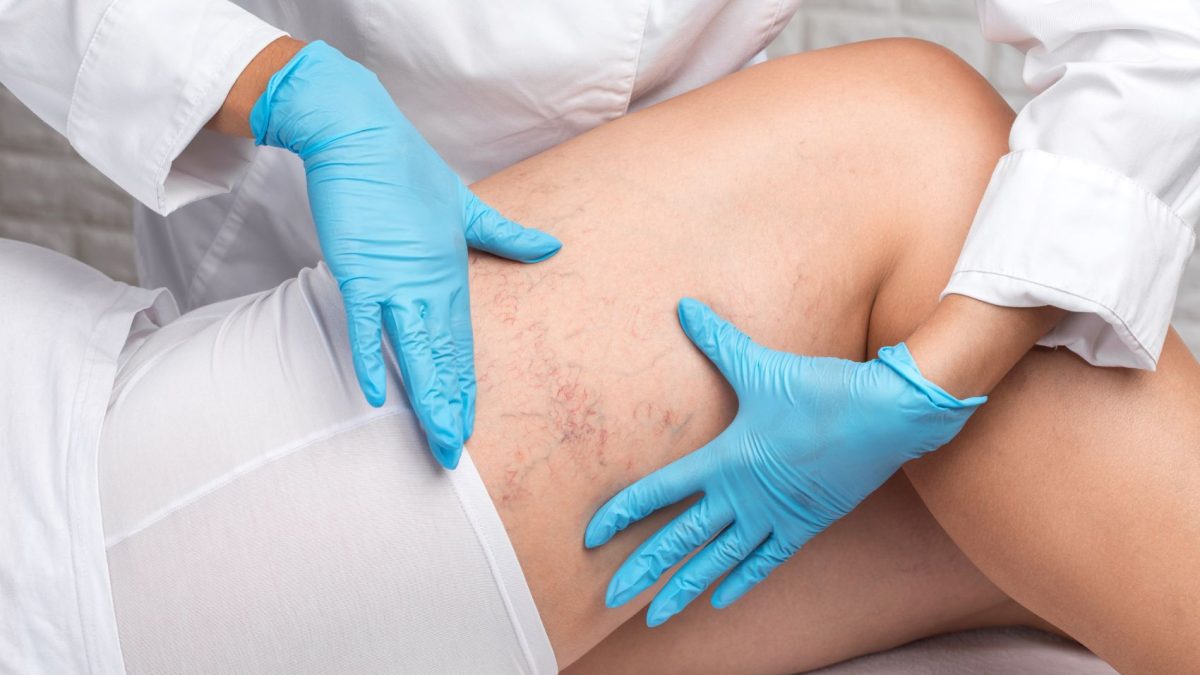
Vein symptoms often begin subtly, then become harder to brush aside. Heavy legs, ankle swelling, nighttime cramps, and bulging surface veins may seem minor in the beginning. Yet these signs can indicate poor circulation in the leg veins. Early care matters because untreated vein disease can worsen with time. Reliable information helps people spot warning signs, understand treatment options, and seek medical attention before discomfort and skin changes become more severe.
Why Early Vein Symptoms Matter
Many people assume leg aching or visible veins are only cosmetic issues. In many cases, these symptoms reflect venous insufficiency, a condition in which blood has trouble moving back to the heart. If ignored, pressure increases inside the veins and symptoms often grow worse. For those dealing with ongoing discomfort, swelling, or enlarged veins, learning about varicose vein treatment in Peoria can provide helpful insight into how current treatment approaches address the source of the problem, ease daily discomfort, and reduce the risk of future complications tied to poor blood flow.
Signs That Need Attention
Some symptoms point to more than ordinary leg tiredness. Aching after long periods of standing is a frequent early sign. People may also notice throbbing, itching, burning, or a restless feeling in the legs. Swelling around the ankles can become more noticeable later in the day. Twisted, raised veins are easy to recognize, but spider veins can also appear alongside deeper vein problems. Skin that feels dry, tight, or discolored should be evaluated promptly.
Common Leg Changes
Vein disease can affect comfort in several noticeable ways. Shoes may fit more tightly by the end of the day. Calves can feel heavy, even after brief activity. Cramps may interrupt sleep, especially overnight. In some cases, skin near the lower leg develops a reddish-brown tone because of long-term pressure and inflammation. These changes matter because they may signal that the condition is progressing, rather than remaining a cosmetic concern.
What Delays Can Lead To
Delaying treatment can give symptoms time to worsen. Continued vein pressure may lead to severe pain, more visible bulging veins, and frequent swelling. Some patients develop thickened skin or sore areas near the ankle. In more advanced situations, open wounds called venous ulcers may appear and can be slow to heal. While this does not happen in every case, early evaluation can reduce the risk and often makes treatment more straightforward.
How Vein Conditions Are Evaluated
A vein specialist typically starts with a review of symptoms and a physical examination. Duplex ultrasound is commonly used to assess blood flow and evaluate how well vein valves are working. The test is painless and helps locate reflux, which is backward blood flow inside the veins. A careful evaluation is important because visible surface veins may reflect a deeper circulation issue. Once the source is identified, treatment can target the underlying problem instead of only addressing what appears on the skin.
Minimally Invasive Treatment Paths
Treatment often starts with conservative measures, such as regular movement, leg elevation, and compression stockings. If symptoms continue, office-based treatments may be suggested. These may include endovenous laser treatment, radiofrequency ablation, sclerotherapy, or removal of small veins through tiny openings. Most of these options are minimally invasive and involve little downtime. The best approach depends on vein size, symptom pattern, ultrasound results, and a person’s general health.
When to Schedule an Appointment
Ongoing symptoms should not be dismissed for months. Medical guidance is worth seeking if leg discomfort keeps returning, swelling becomes common, or skin changes appear near the ankle. A family history of vein disease may also increase risk. Pregnancy, aging, long periods of sitting, and work that involves standing for hours can all play a role. Earlier evaluation often gives patients more treatment options and a better chance of preventing advanced vein damage.
Conclusion
Treating vein symptoms early can protect comfort, circulation, and skin health. Mild aching or a few visible veins may seem easy to ignore, yet those issues can progress into swelling, discoloration, or slow-healing wounds if left untreated. The first step is recognizing symptoms that persist and seeking a proper evaluation. With timely diagnosis and modern minimally invasive care, many patients can relieve discomfort, improve leg function, and address vein disease before it leads to more serious problems.