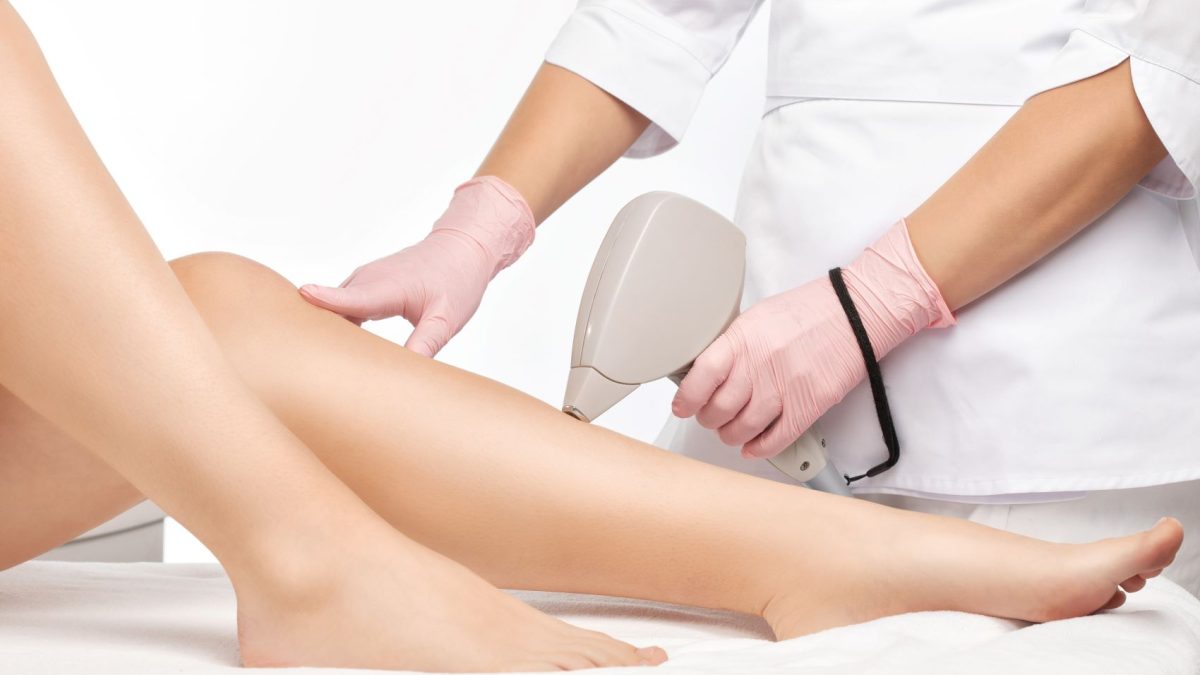
A first appointment for laser hair removal should feel structured, clinical, and manageable. Most appointments begin with a skin assessment, review of the chosen areas, preparation checks, and a brief treatment session. The purpose is long-term hair reduction, rather than immediate clearing. Follicles respond during active growth phases, so progress depends on timing and consistency. Clear expectations help patients protect skin, reduce irritation, and make informed choices about care.
Start With the Consultation
Before you choose to get laser hair removal in St. Johns or wherever you live, a consultation should review the treatment site, Fitzpatrick skin type, hair color, medical history, medications, and recent sun exposure. That discussion gives the provider enough detail to choose settings, estimate session spacing, and explain comfort measures, pigment risks, and realistic reduction goals.
How the Process Works
Laser devices send concentrated light into the pigment within the follicle. Absorbed heat can impair hair growth activity below the skin surface. Since hair cycles through active, resting, and shedding stages, a single visit misses some follicles. Dark, coarse strands usually absorb energy more efficiently. Blonde, gray, red, or very fine growth may require closer evaluation.
Common Treatment Areas
Patients often treat the underarms, legs, bikini line, back, chest, chin, cheeks, upper lip, and shoulders. Small areas may be finished quickly. Larger regions need more time, positioning, and skin checks. A provider may divide broad zones into separate visits if sensitivity, density, or appointment length becomes a concern.
Preparation Matters
Shaving is commonly requested before treatment because surface hair can absorb heat and irritate skin. Waxing, plucking, and threading should usually stop beforehand, since they remove the follicle target. Recent tanning can increase pigment changes or redness. Clean skin, free from fragrance, heavy cream, or deodorant, helps reduce avoidable reactions.
What Session Feels Like
The feeling is often described as brief heat with a quick snapping sensation. Comfort varies by location, hair thickness, and individual sensitivity. The upper lip, bikini, and bony areas may feel more intense. Cooling air, chilled tips, or pauses can help. Temporary redness or mild swelling around follicles is common.
Timing and Session Count
Most plans include several treatments spaced weeks apart. The interval depends on body area, growth cycle, and response after each visit. Facial hair may need a different schedule than legs, back, or underarms. Later maintenance can be useful because hormones, age, and genetics may stimulate new growth over time.
Skin Care Afterward
After treatment, the skin should be kept calm and protected. Limit heat exposure, hot tubs, strenuous exercise, and direct sun for a short time. A bland moisturizer can ease dryness or tightness. Sunscreen is important on exposed areas, especially after facial sessions. Scrubs and strong actives should wait until irritation settles.
Results Take Patience
Some hair may seem to grow after treatment, but many treated strands are shedding. That process can take several days or longer. Early signs may include slower regrowth, softer texture, and patchy thinning. Regular visits matter because each session reaches a different set of active follicles.
Safety Questions to Ask
Useful questions include who performs the procedure, which device is used, and how settings are selected. Patients should mention medications, recent procedures, pregnancy, skin conditions, cold sores, and sun habits. A qualified provider will explain likely benefits, possible side effects, aftercare steps, and reasons to postpone treatment.
Who May Need Extra Review
Additional screening may be needed for recent tanning, active rash, open skin, certain prescriptions, tattoos near the area, or prior pigment changes. Darker skin tones can often be treated with appropriate technology and conservative settings. Accurate intake details help reduce burns, discoloration, and prolonged irritation.
Cost and Planning
Cost usually reflects area size, number of sessions, device type, and package terms. Small zones often cost less per visit than legs, chest, or back. Price alone gives an incomplete picture. Provider training, sanitation, equipment quality, and follow-up access carry real value. A written plan makes comparison easier.
Appointment Day Basics
Clean, shaved skin helps the visit run efficiently. Loose clothing can reduce friction afterward, especially for the legs, underarms, or bikini area. Photos may be taken to document progress. The provider may mark treatment borders, apply cooling, and adjust settings. Treatment time is often shorter than the intake time.
Conclusion
A first appointment for laser hair removal is easier when patients know what will happen and why. The visit usually includes screening, preparation review, treatment, and aftercare guidance. Results appear gradually because follicles respond at different growth stages. Direct questions, careful prep, and sun protection improve safety. With consistent sessions and realistic goals, laser treatment can reduce shaving, waxing, and plucking while supporting smoother skin over time.