As travelers start planning ahead for 2027, Shaun Stanley, founder of Cape Town-based tour operator Stanley Safaris, has honed the art of the perfect safari, down to the last detail.
Having spent decades traveling throughout Eastern and Southern Africa, and even working as a safari guide himself, Shaun shares what he believes many often overlook when they first start planning their African adventures:
- It’s more physically tiring than people expect.
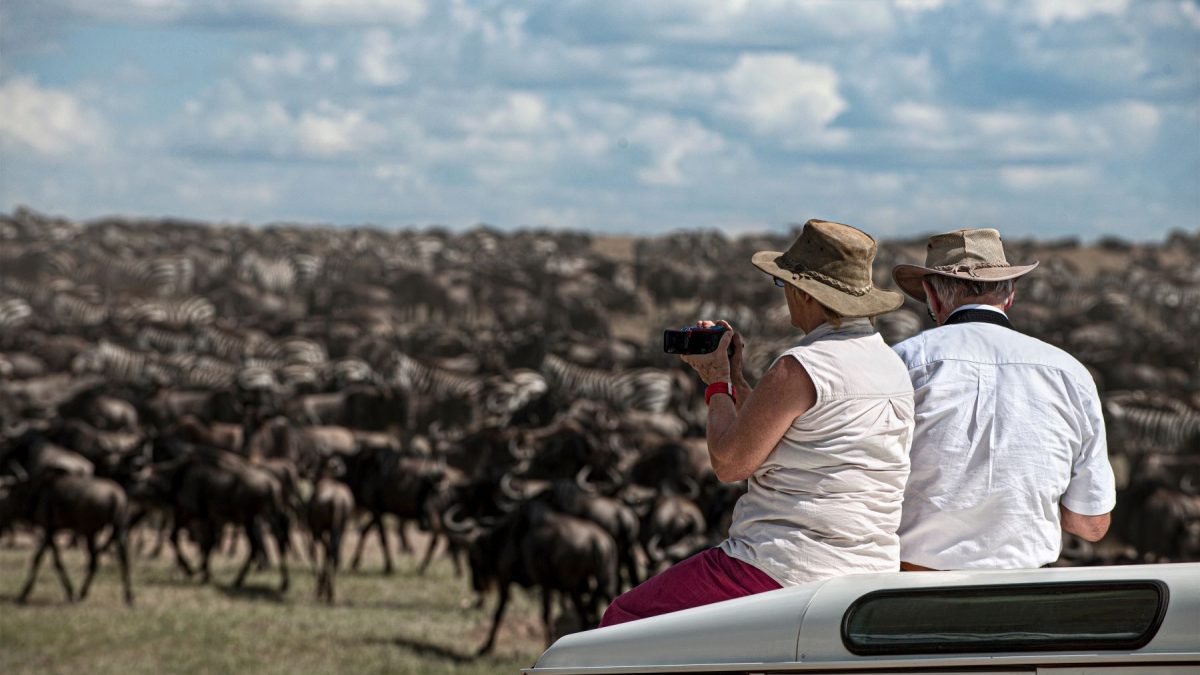
A safari can be more physically demanding than travelers expect, with long game drives and early starts. Shaun recommends breaking up the drive-heavy rhythm with experiences such as walking safaris, cultural encounters or time on the water.
- The Big Five checklist mentality does people a disservice.
Shaun encourages guests to look beyond the “Big Five” checklist and stay open to whatever nature offers. Wildlife is unpredictable, and focusing too much on ticking boxes can mean missing the smaller, more unexpected moments.
- People try to fit in too much, and move around too often.
Shaun recommends spending at least three nights in each camp, giving guests time to properly settle in and connect with the environment. Staying longer also allows guides to better understand the wildlife and behaviour of the area.
- Everything you experience comes from the one camp you’re based at.
Where travelers stay matters more than they may think, as the camp shapes almost the entire experience — from the food and guiding to the vehicle and access to private concessions. Choosing the right camp is therefore about more than simply finding somewhere beautiful to stay.
- Don’t choose a camp because it photographs well.
Rather than choosing a camp based on how it looks in photographs, Shaun advises looking at the whole picture: location, wildlife and guiding first, and design second. Any move between camps should also add something meaningful to the safari, whether that means a different habitat, wildlife or experience.
For all the planning a safari takes, Shaun’s advice comes down to leaving space: fewer camps, more nights in each, and less of a checklist. In the bush, the days that go off-script are often the ones that stay with people longest.