
Your HVAC system usually shows warning signs before it quits. It runs longer, sounds rougher, and costs more to keep your home comfortable. Maintenance helps you catch those shifts early, while comfort stays steady.
Many homeowners sign up for regular HVAC maintenance plans with Comfort Monster to keep service consistent, especially before peak summer and winter. Most appointments follow an HVAC service checklist, which keeps the visit focused on the checks that matter.
The process typically starts with airflow and filter condition, then moves to thermostat accuracy, electrical safety, cooling performance checks, coil condition, and the parts that push air through your home. It also covers drainage and moisture control, then ends with a full system run to confirm everything is operating normally.
Below is the maintenance walk-through, in the same order a technician typically checks the system.
Air Filter Inspection and Replacement
Airflow affects comfort right away. When a filter is clogged, air coming from the vents can feel weaker. The system may run longer to reach the set temperature, and you may notice more dust settling around the house.
During maintenance, the technician checks the filter’s condition and fit. If it is dirty or overdue, air filter replacement for HVAC is recommended to restore airflow and reduce strain on the system. Homes with pets or higher dust levels often need more frequent filter changes.
Thermostat Check and Calibration
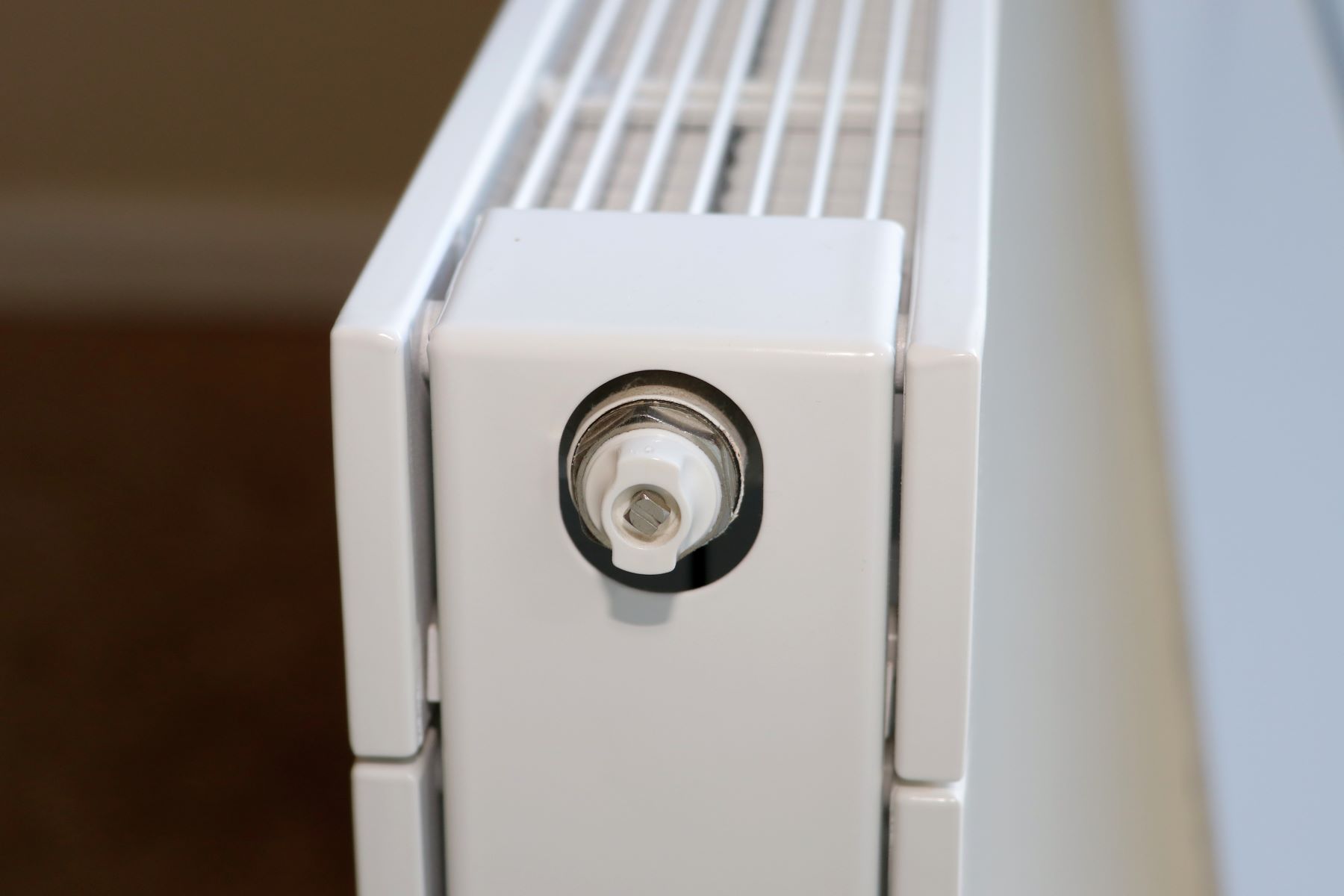
When the thermostat is not reading correctly, comfort can feel inconsistent. One room may feel fine while another feels too warm or too cool. You may also notice the system cycling more often than expected.
The technician confirms that the thermostat communicates properly with the system and responds to temperature changes. If needed, adjustments are made so heating and cooling cycles stay more consistent.
Electrical Component Inspection
Electrical parts help the system start and operate safely. Over time, connections can loosen and components can show signs of wear.
During a visit, the technician inspects accessible wiring and key electrical components for visible issues such as loose connections or heat-related wear. Safety controls are also checked. This step helps reduce the risk of unexpected shutdowns during high-demand periods.
Refrigerant Level and Leak Check
For cooling systems, refrigerant levels directly affect performance. If levels are low, the system may struggle to cool the home efficiently and could run longer than usual.
Technicians check refrigerant readings and look for signs that could indicate a leak. If a leak is suspected, the correct next step is diagnosis and repair rather than simply adding more refrigerant.
Coil Cleaning and Inspection
Coils handle heat transfer inside and outside the home. When they collect dirt and debris, the system can lose efficiency and take longer to reach the desired temperature.
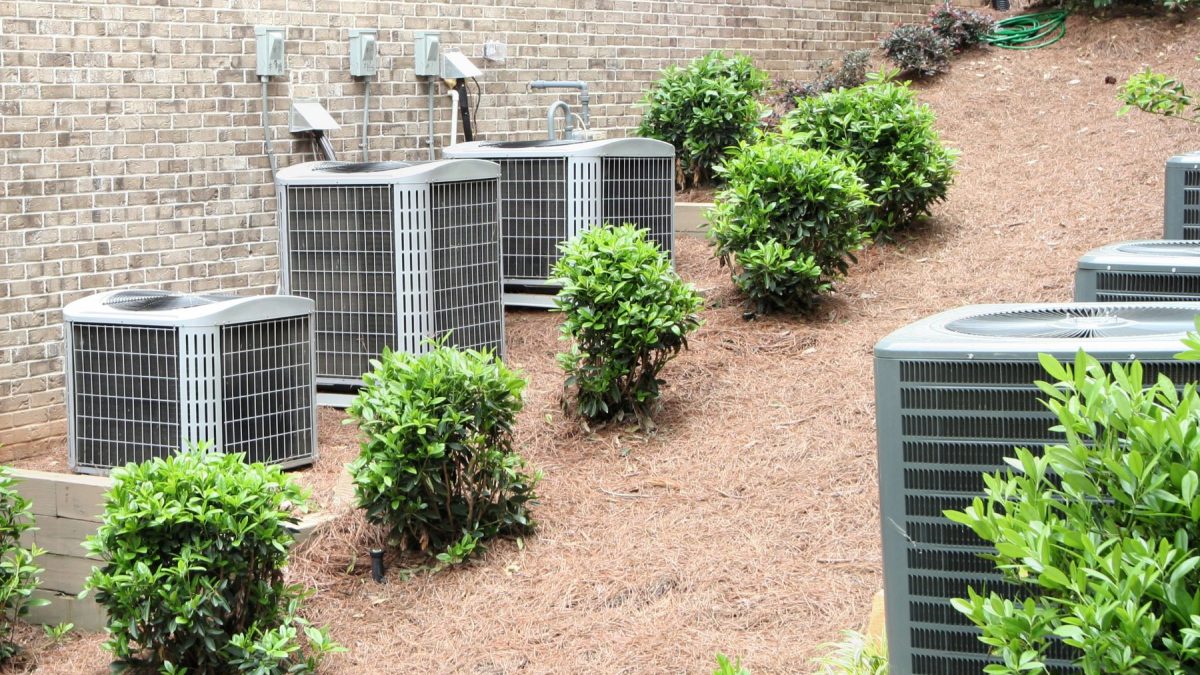
The technician inspects coil condition and cleans them when necessary. Outdoor units are also checked for debris that may block airflow around the cabinet.
Blower and Fan Maintenance
The blower and fan move conditioned air through your ductwork and into living spaces. If these components are dirty or worn, airflow may feel uneven, and certain rooms may not match the thermostat setting.
During maintenance, the technician checks for buildup, confirms smooth operation, and ensures parts are secure. Steady airflow supports more balanced comfort across the home.
Drain Line and Condensate Pan Check
Air conditioning systems produce condensation during normal operation. That moisture needs to drain away properly.
The technician inspects the condensate pan and drain line and clears blockages if needed. This helps prevent leaks, water near the indoor unit, and musty odors that can develop when moisture does not drain correctly.
Overall System Performance Test
After individual components are reviewed, the technician confirms the system operates as expected under normal conditions. This may include an HVAC system test to verify startup, airflow, temperature change, and normal cycling.
This final check in the HVAC service checklist confirms the system is functioning as a complete unit.
In conclusion
A standard HVAC maintenance service focuses on the components that most directly affect comfort and reliability. It covers airflow, thermostat operation, electrical checks, refrigerant readings for cooling systems, coil condition, drainage, and overall system operation.
Staying on schedule and handling air filter replacement and HVAC when needed can support steadier temperatures and fewer surprises during peak seasons.
If you have a simple routine that keeps your HVAC running smoothly, drop it in the comments for readers so they can try it too.