
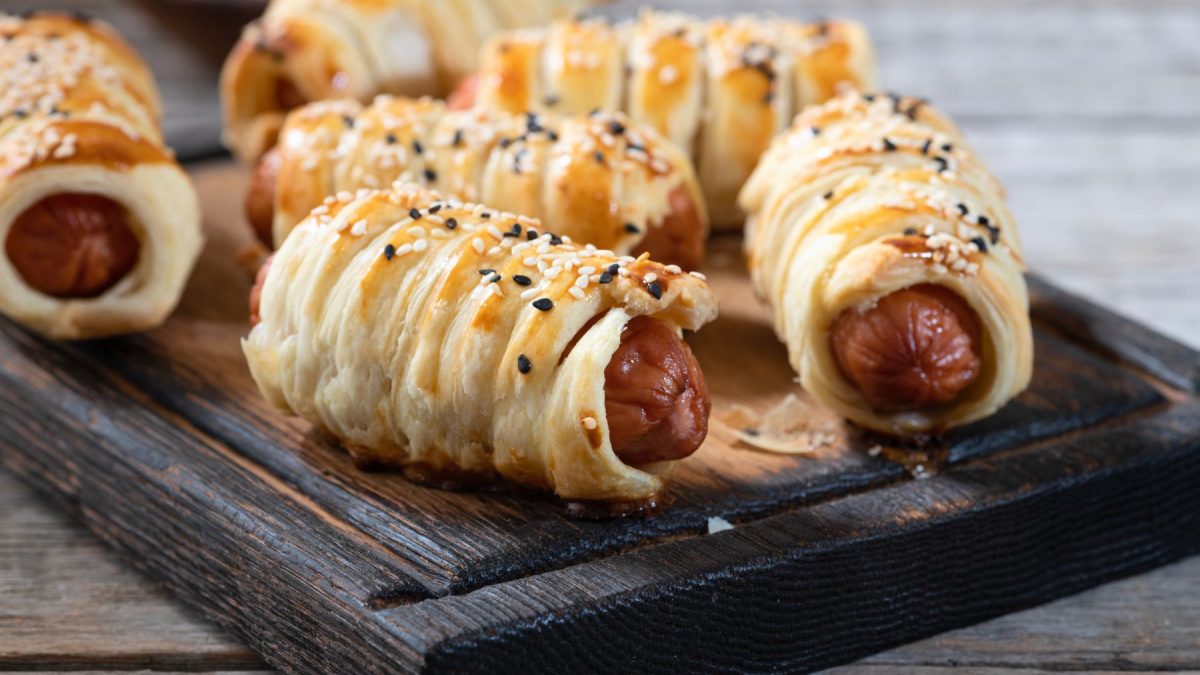
Few appetizers have achieved the kind of universal, cross-generational appeal that pigs in a blanket have managed to maintain across decades of changing food trends.
They disappear from non toxic bakeware trays faster than almost anything else, they are requested at gatherings of all kinds, and they somehow manage to be both simple and satisfying. For something so beloved, the history of how they came to exist is a surprisingly layered story that stretches across multiple countries and culinary traditions.
The Origins Are Older Than Most People Expect
The concept of wrapping meat in some form of dough or pastry is ancient enough that pinning a single origin point is more complicated than it might seem. Cultures across Europe had been wrapping sausages and other meats in dough for centuries before anything resembling the modern party appetizer took shape.
The practice was practical as much as it was culinary. Encasing meat in pastry helped preserve it, made it portable, and extended it into a more filling meal.
The specific term pigs in a blanket appears in American cookbooks as far back as the 1800s, though the recipe it described at that time looked quite different from what shows up on appetizer trays today. Early American references to the dish involved oysters wrapped in bacon, which shared the conceptual DNA of wrapping one ingredient in another but bore little resemblance to the sausage version that became iconic.
The British Connection
Across the Atlantic, the British version of pigs in a blanket developed along a completely different trajectory. In the UK, pigs in a blanket refers almost exclusively to small sausages wrapped in bacon rather than pastry, and they are considered an essential component of a traditional Christmas dinner.
British pigs in a blanket are typically roasted alongside the Christmas turkey, absorbing the cooking juices and developing a crispy, caramelized exterior that has made them a non-negotiable presence on holiday tables for generations.
The British version traces its roots back through the long tradition of combining pork products in various forms, and it became firmly established as a holiday staple by the mid-twentieth century. The debate over whether the British or American version represents the true original is one of those cheerful culinary arguments that has no clean resolution and is probably better enjoyed than settled.
How the American Version Took Shape
The pigs in a blanket that most Americans picture (small cocktail sausages or hot dogs wrapped in crescent roll dough or puff pastry) solidified as a party food staple sometime in the mid-twentieth century. The rise of processed and convenience foods in postwar America helped shape this version of the dish. Refrigerated crescent roll dough, which became widely available in the 1960s, made the recipe accessible to home cooks in a way that working with scratch pastry dough was not, and the combination caught on quickly.
Cocktail sausages wrapped in crescent dough and baked on a sheet of non toxic bakeware became a true fixture of the American party spread during this era, appearing at holiday gatherings, game day spreads, and potlucks with a consistency that has never really faded. The ease of preparation combined with the near-universal appeal of the flavor combination made them one of the most successful appetizers in the American home cook’s repertoire.
Regional Variations and Global Relatives
The broader family of dishes that share conceptual ancestry with pigs in a blanket is remarkably large and spans most of the globe. German cuisine has long featured sausages wrapped in various forms of dough. In Australia and New Zealand, a close relative called a sausage roll (ground or whole sausage encased in puff pastry) is a beloved snack food with its own devoted following. South African cuisine has the iconic boerewors roll, which occupies similar cultural territory.
Each of these variations reflects the same fundamental appeal that has made pigs in a blanket so enduring: the combination of savory meat and some form of carbohydrate wrapper is a satisfying pairing that crosses cultural lines with remarkable ease.
Why They Have Never Gone Out of Style
Food trends come and go with considerable speed, and appetizers that feel dated can disappear from party spreads almost overnight. Pigs in a blanket have defied this pattern with impressive consistency.
Part of the explanation is flavor, or the combination of salty, savory sausage and buttery, slightly sweet pastry that hits a set of taste preferences that are close to universal. Part of it is nostalgia, since for many people, pigs in a blanket are tied to specific memories of childhood gatherings and family celebrations.
There is also something to be said for the tactile simplicity of the food itself. It requires no utensils, no plate, and no explanation. It is the kind of appetizer that people reach for without thinking, which is perhaps the highest compliment a party food can receive.