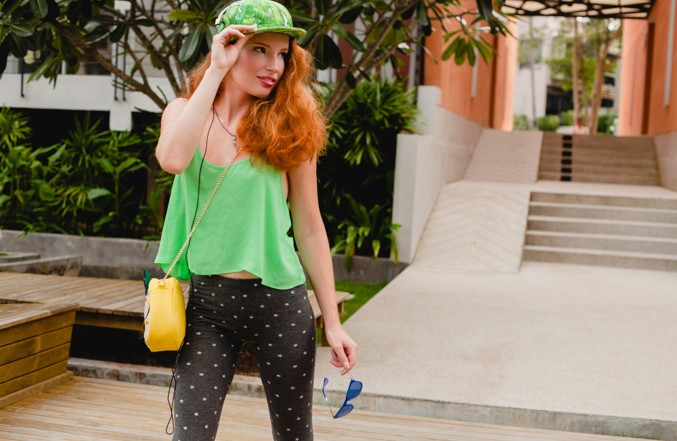
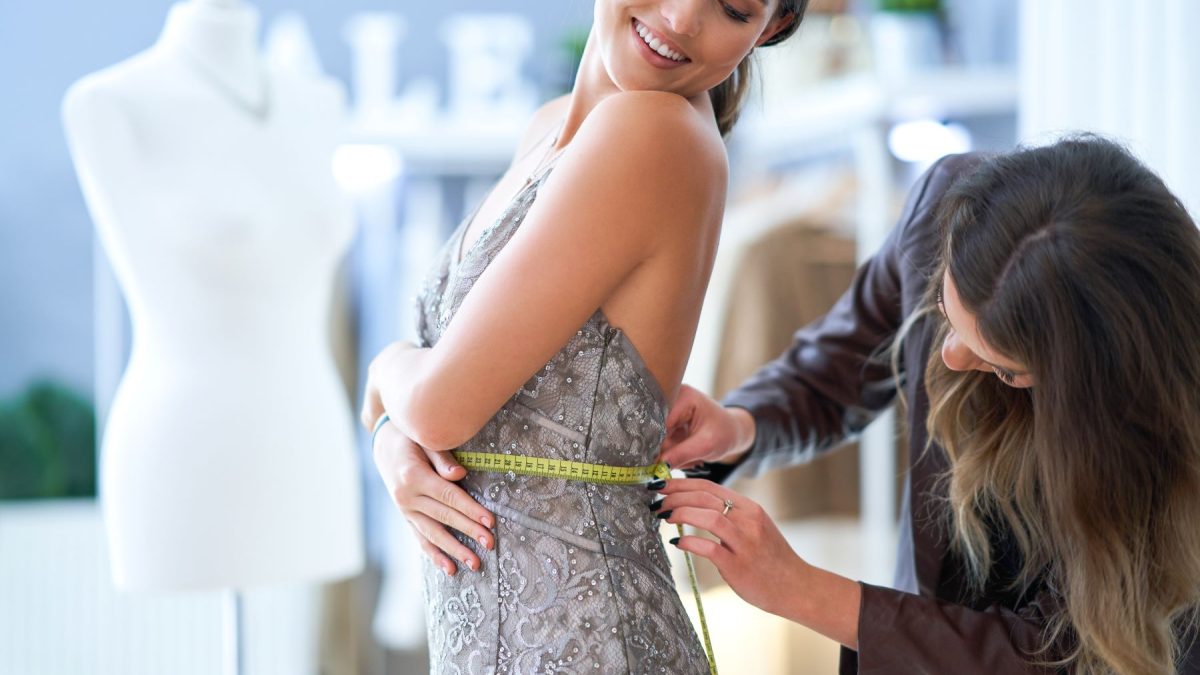
Big logos used to do the talking. Now a lot of closets look quiet at first glance today. The signal is in the cut, the handwork, and the way a garment sits on the body. When you see custom fitting in luxury clothing done well, it reads like confidence. People notice the ease in the shoulders, the clean line at the waist, the hem that lands exactly where it should, and the fabric that moves instead of fighting you.
A tailored coat can look right in a boardroom, at a gallery opening, or stepping out. It reads as authority.
The Real Difference Between Bespoke And Made To Measure
Most shoppers hear “custom” and assume it is one thing. It is not. The bespoke vs. made-to-measure question comes down to how the pattern is created and how much of the build is shaped by hand.
Bespoke often starts from scratch. A pattern is drafted for one person, then refined through multiple fittings, often with a test garment first. Made-to-measure starts from a standard base pattern and adjusts it to a set of measurements. It can look excellent, especially for people who fit close to a block, but it is still a modified template.
This is where luxury tailoring services separate themselves. The best work accounts for posture, shoulder slope, and how someone moves when they sit, walk, and reach.
For gowns, the same logic applies. A strong fitting plan and careful hand finishing can make custom-tailored dresses look composed from every angle, not only in a front-facing photo. When the stakes are higher, like a wedding, wedding dress alterations become part of the craft, not a last-minute fix.
The Perfect Fit Changes How Clothing Feels
The importance of perfect fit in fashion shows up in small, practical moments. You stop tugging at a sleeve. A strap stays where it was set. A jacket does not pull across the back when you drive. Breathing can feel easier when the waist and chest are cut for your body instead of a size range.
Researchers at Northwestern University found that what people wear can affect attention, depending on the meaning assigned to the clothing and the physical experience of wearing it. In their “enclothed cognition” work, participants wearing a doctor’s coat showed higher sustained attention than those wearing a painter’s coat, even when the coats were physically identical.
Craftsmanship You Can See And Craftsmanship You Can’t
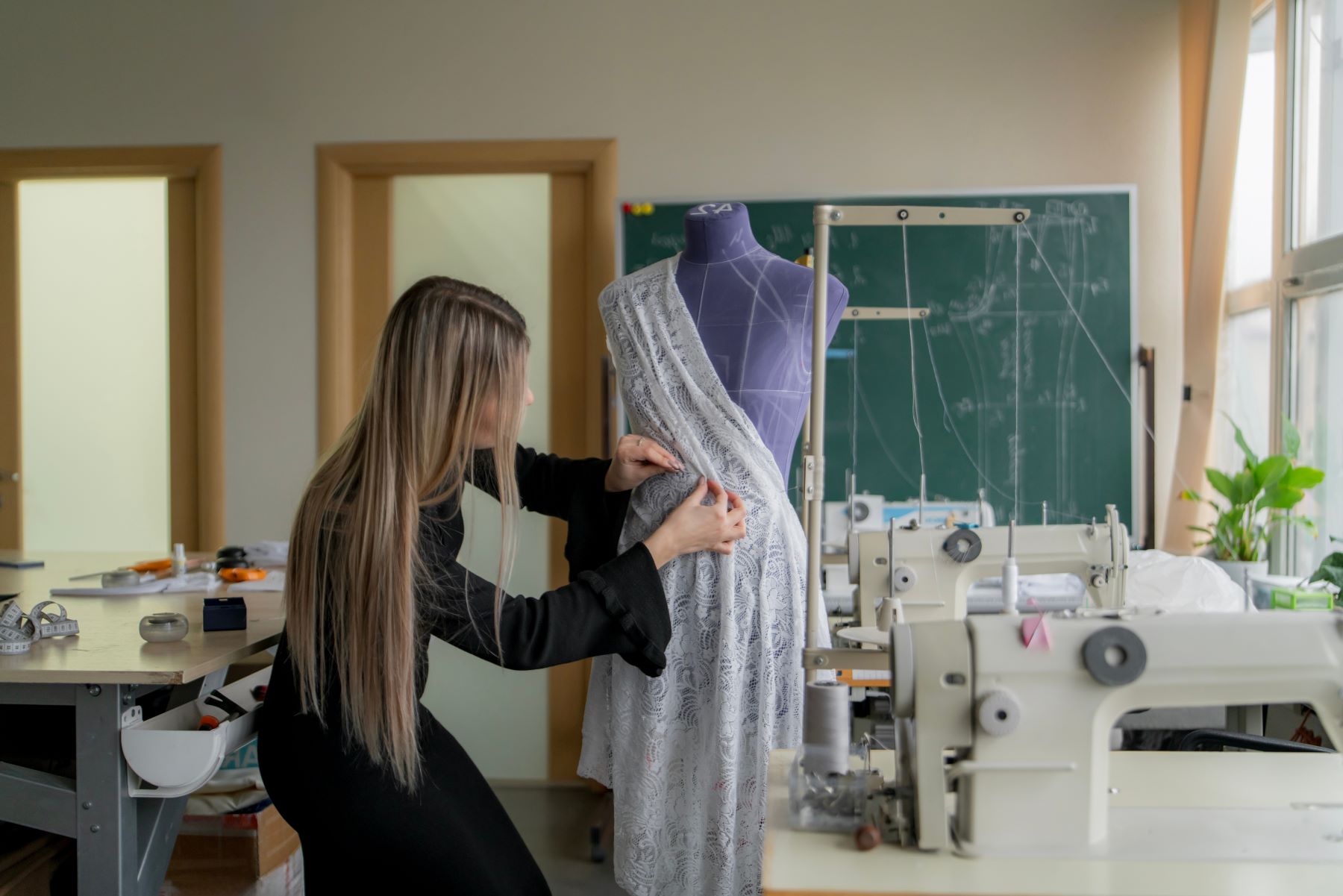
High-end fashion craftsmanship is mostly patient discipline. A hand-shaped lapel has life to it. A well-set sleeve rotates cleanly. Inside, a canvassed structure can move with the outer cloth, rather than sitting stiff and flat. Pick stitching can show a slight irregularity. Hand-worked buttonholes feel dense and precise.
Fabric is part of the story, too. The International Wool Textile Organisation describes the “Super S” system as a way to categorize wool fineness, measured in micrometers. Higher Super numbers can feel smoother and lighter, but they can also be delicate.
Where Custom Fit Pays Off Most
Some pieces benefit from tailoring more than others. A blazer is obvious, but the list is wider than many people think.
- Eveningwear that has to sit cleanly under movement, like dancing or a long dinner
- Structured coats, where shoulder fit controls the whole silhouette
- Trousers, because a small change in rise and taper can change the entire line
- Formal shirts, since collar and cuff comfort show up all day
- Dresses with internal support, where fit affects both comfort and shape
Bespoke Versus Made-To-Measure At A Glance
| Feature | Off-The-Rack | Made-To-Measure | Bespoke |
| Pattern | Standard size block | Adjusted base pattern | Drafted from scratch |
| Fittings | None or one | Usually one | Often three or more |
| Construction | Mostly machine | Mixed | Significant handwork |
| Result | Predictable compromise | Strong improvement | Highest precision |
Time and skill are the product, and the extra fittings are where the garment becomes yours.
Dress Types And Fit Expectations
Different silhouettes demand different priorities. A sheath dress needs a clean line with no drag across the hips. A full skirt needs balance at the waist so the volume hangs evenly. A slip dress needs the right bias and strap placement so it does not creep. Well-executed custom-tailored dresses account for these details from the first fitting, shaping the garment around the body instead of forcing the body to adapt.
For a short, formal piece, the line between playful and awkward can be one inch. Many people spend time choosing a cocktail dress and then refine the fit with careful adjustments, especially around the neckline and hem.
Weddings Put Tailoring Under A Microscope
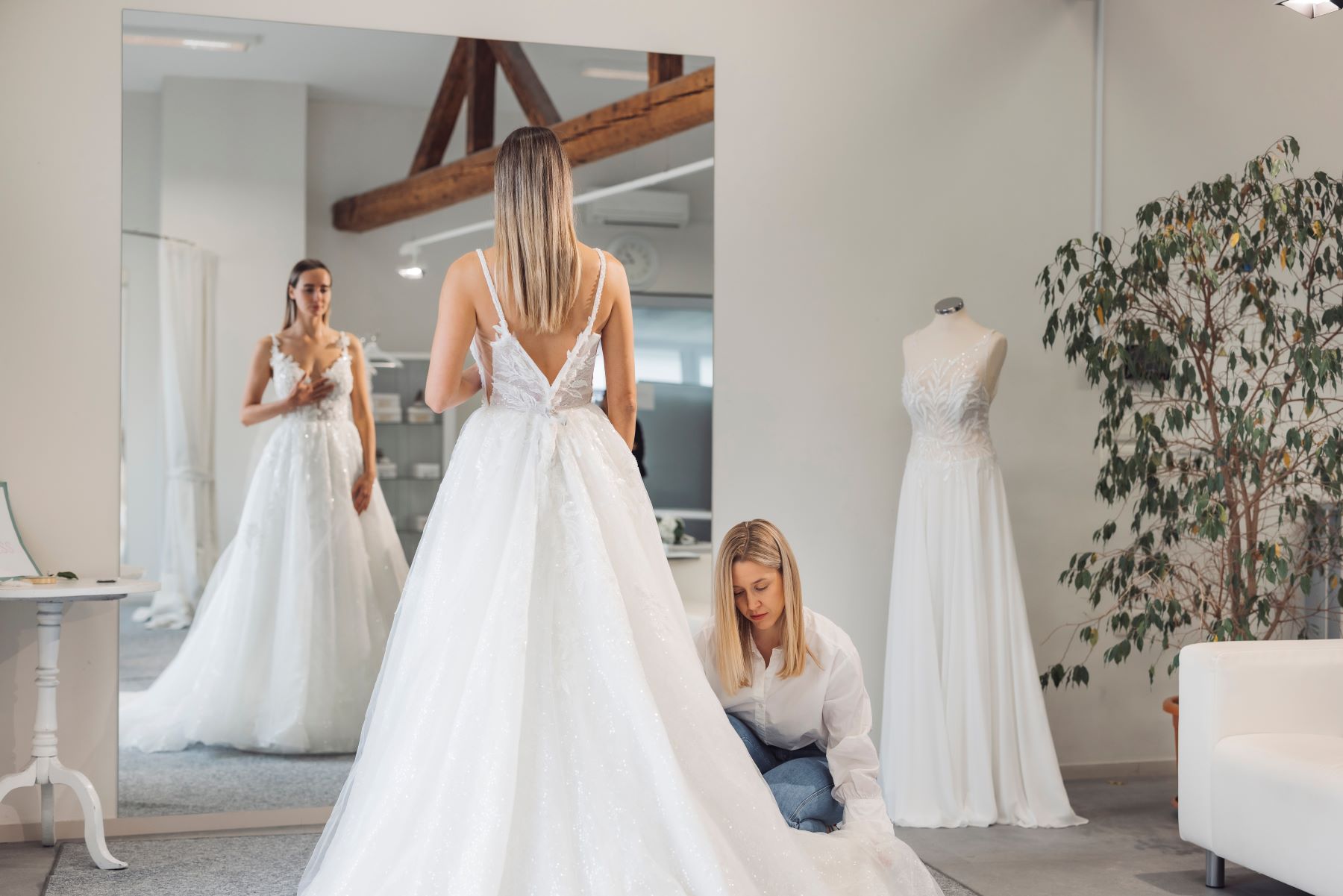
Weddings compress time, emotion, and cameras into a single day. Fit gets tested in hugs, stairs, dancing, and hours of wear. Bridal gown fitting experts plan for all of it, including how boning sits after a meal and how support holds up after movement.
Guests deal with their own version of the problem. Dress codes vary, venues change, and photos last. A polished look often comes down to tailoring, even for pieces bought off the rack, especially when the event leans toward luxury wedding standards.
If you want a quick gut check before committing to a tailor or atelier:
- Ask how many fittings are typical for the garment you want
- Look at seams and interiors, not only the outside
- Pay attention to how they talk about posture and movement
- Get clear on what can be adjusted later, and what cannot
Final Thoughts
A perfect fit is hard to fake. It is personal, quiet, and technically demanding, which is exactly why it lands as a status symbol in a crowded world. When you see custom fitting in luxury clothing at its best, you are seeing time, skill, and restraint stitched into something wearable.
If you want to stay in that headspace, spend time here.