I Didn’t “Quit Cars” — I Just Stopped Finding Them Useful
I didn’t become some anti-car crusader. I still have a car. I still use it when it actually makes sense. But for short trips in the city, it started feeling like using a sledgehammer to hang a picture frame. Big, heavy, expensive, and weirdly slow for the job.
Around 2026, the change wasn’t even dramatic. I just noticed my keys weren’t moving. The car stayed parked because my daily trips were the kind that punish drivers: constant stopping, constant waiting, and then the cherry on top—parking that turns a quick errand into a mini mission.
Short Urban Trips Are Where Cars Lose
Most people don’t realise how many of their weekly journeys are under 10 km until they try doing them without a car. Work commutes, coffee runs, quick pickups, groceries—these are “small” trips that somehow feel huge when you do them in traffic.
A car is at its worst in that environment. You warm up an engine, burn fuel, crawl forward, stop again, and then pay for the privilege of leaving the vehicle somewhere. You’re not travelling—you’re queueing.
On an ebike, the same trip feels like it’s on rails. You move. You don’t “win” traffic, you simply stop participating in it.
Pedal-Assist Changed Who Can Commute
Traditional cycling comes with conditions. Fitness matters. Heat matters. Hills matter. Clothing matters. You start doing mental maths before you even leave: “Will I be sweaty? Is that climb going to wreck me? Do I have time to shower?”
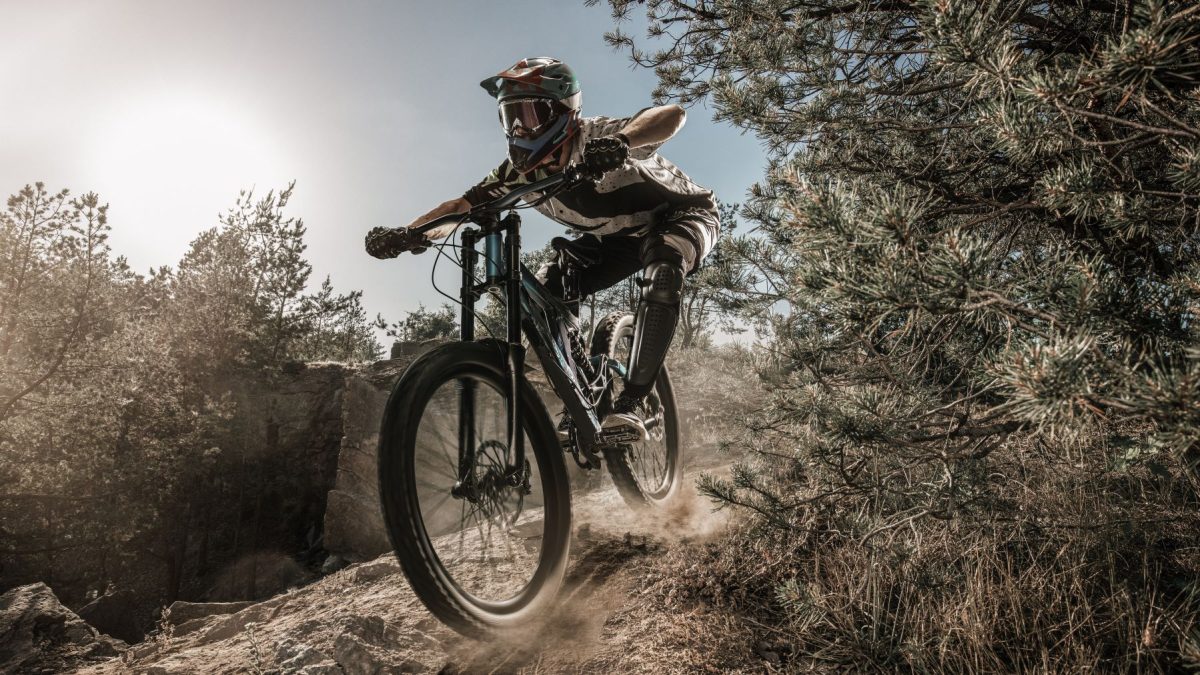
Assisted cycling removes that internal negotiation. With a pedal-assist setup, you decide how hard the ride is. Some days it’s a proper sweat. Other days it’s basically smooth transport with your legs still involved. That’s the magic: it’s still riding, but it’s adjustable.
That adjustability is why people who never called themselves “cyclists” are now commuting on e-bikes like it’s completely normal—because it is normal.
Predictability Beats “Fast” Every Time
Cars are marketed like speed machines, but in cities they’re mostly delay machines. The real luxury in 2026 isn’t top speed—it’s knowing what time you’ll arrive.
When I started commuting on an e-bike, I stopped doing that thing drivers do: adding “just in case” minutes to everything. No more guessing whether a 15-minute trip becomes 35 because one intersection decided to ruin your morning.
I could leave later and still arrive on time. That sounds small, but it changes your whole day.
The Stress Drops First, Then Everything Else Follows
Driving short distances in a city has a specific kind of stress. It’s not “high drama” stress, it’s slow-burn irritation: inching forward, watching lights cycle, watching someone block the lane, watching a delivery truck create chaos.
Riding doesn’t feel like that. You’re alert, but you’re not trapped. You have options. You can turn off, reroute, roll through calm streets, take the path that avoids the mess.
You arrive less angry. And once you taste that, going back to crawling in a car for a 4 km trip feels… pointless.
The Cost Isn’t the Main Reason — Until You Add It Up
People argue about costs online like it’s a debate, but in real life it’s simple: short trips by car rack up nonsense expenses.
Fuel, parking, maintenance, little fees you don’t even notice until you look back at the month. Meanwhile, charging an ebike is cheap, and the maintenance is the kind you can predict: tyres, brake pads, basic servicing.
Even if you keep your car, you start using it less. And once you start using it less, you start questioning why you were using it for everything.
Comfort Is What Made It Stick
If riding felt annoying, I wouldn’t keep doing it. The reason it became my default is comfort.
Modern commuter setups are stable and city-friendly. Upright posture. Strong brakes. Lights that actually work. Practical accessories. Riding stopped feeling like “exercise gear” and started feeling like transport.
And when it’s transport, you do it on ordinary days. Not just on “motivated” days.
It Quietly Builds Health Into Your Week
This isn’t gym talk. It’s just reality: when your commute includes movement, your body benefits.
Even with pedal assistance, you’re still pedalling. You’re still moving. You’re not sitting for the entire trip. Over weeks, that matters. Over months, it’s obvious.
It’s the easiest kind of fitness because it doesn’t require willpower. It’s baked into your routine.
Cities Are Finally Making Space for This
Infrastructure didn’t magically appear first. Riders appeared first.
But by 2026, more cities are building protected lanes, improving crossings, and making cycling routes feel like real routes—not afterthoughts squeezed next to traffic. When riding feels safer, more people try it. When more people try it, cities invest more. That loop keeps feeding itself.
“Where Do I Even Start?” Is No Longer a Barrier
One reason people stayed in cars was decision fatigue: too many models, too many specs, too much fear of buying the wrong thing.
These days, it’s easier to compare options and actually choose something that fits your commute. If someone asked me where to browse without being pressured in-store, I’d tell them to check BikesOnline and treat it like research: look at range, comfort, and use-case first, not hype.
The Big Truth: Cars Didn’t Get Worse — Cities Did
Cars are still useful. They’re just not the best tool for short urban travel anymore.
Cities are denser. Roads are packed. Parking is tighter. Time is more valuable. For commutes under 10 km, pedal-assist riding fits the reality of urban life better than driving does.
And once you experience that reality—quiet, predictable, low-stress—it’s hard to justify firing up a car just to sit in traffic again.