
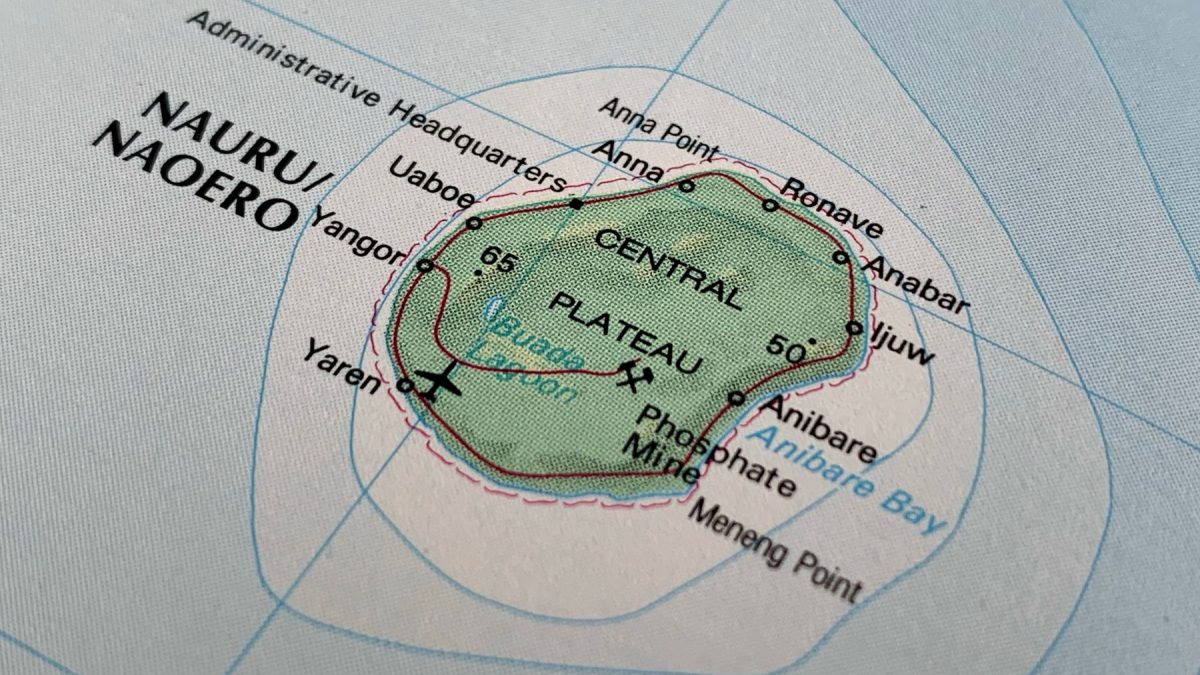
For decades, the Pacific island nation known internationally as Nauru has been recognised under a name that originated during the colonial period. Today, the country has taken an important step toward restoring its cultural identity by officially adopting its traditional name: Republic of Naoero.
While the change is largely symbolic, it also carries practical implications for government documentation, international recognition and the country’s Citizenship by Investment Program.
A Return to the Island’s Original Identity
“Naoero” (pronounced now-eh-ro) is the island’s traditional name in the local language and has been used by its indigenous population for centuries. It already appears on the country’s coat of arms and reflects more than 3,000 years of Micronesian history.
The internationally known name “Nauru” became widely used because it was easier for foreign visitors and colonial administrations to pronounce. The decision to restore the historical name reflects a broader effort to strengthen national identity, preserve cultural heritage and promote the indigenous language.
The name change has now been recognised internationally, including by the United Nations and other international organisations.
What Changes in Practice?
The transition primarily affects official government terminology.
Citizenship certificates issued under the country’s Citizenship by Investment Programme will now bear the country’s official name, Republic of Naoero.
Passports, however, will continue to be issued under the name Nauru during a transitional period. Existing passports remain fully valid until they expire, and future passport updates will be introduced once the government completes the administrative transition.
The change therefore does not affect the legal validity of previously issued travel documents or citizenship status.
Citizenship by Investment Continues Unchanged
The country’s Citizenship by Investment Program continues to operate under the same legal framework despite the official name change.
Eligible applicants may obtain citizenship by making a qualifying contribution to the government’s development fund and successfully completing the program’s Due Diligence process. The program is designed to support national development while providing investors with an additional citizenship.
Until the end of the year, the government continues to offer reduced contribution levels under The Iruwa Initiative, lowering the required contribution from $115,000 to $90,000.
Not the First Country to Rebrand
Naoero joins a growing list of countries that have chosen to restore or promote their historical names in international use.
In 2018, the Kingdom of Swaziland officially became Eswatini. Cabo Verde requested that the Portuguese form of its name be used internationally, replacing “Cape Verde” in official UN usage. In 2022, Türkiye successfully requested the adoption of its native spelling across UN documentation and many international organisations.
These changes reflect a broader global trend in which countries seek greater recognition of their cultural heritage and national identity.
Looking Ahead
Although the world has known the country as Nauru for many years, the adoption of Naoero represents more than a simple name change. It is a statement about history, identity and the country’s future.
For applicants considering the Citizenship by Investment Program, the transition has little practical impact on the application process itself. The legal framework, investment options and citizenship rights remain unchanged, while future government documents will gradually reflect the country’s restored official identity.