Spring in Louisiana isn’t just a season. It’s a calling.
The minute temperatures soften, the bayou comes alive, and something primal kicks in across the Gulf South: the urge to haul out a big propane burner, fill the largest pot you own, and summon everyone you love to the backyard for a crawfish boil. It is not a recipe so much as a ritual, one that has been passed down through generations and refined with the same devotion that the finest restaurants in New Orleans reserve for their most celebrated dishes. For anyone who has made the pilgrimage to explore New Orleans’ remarkable food culture, the crawfish boil is the thread that ties the city’s Creole kitchens, its jazz-soaked streets, and its deeply communal spirit together.
Only this version involves a newspaper on the table, cold beer in the cooler, and the kind of conversation that lasts well into the night.
A Tradition Worth Understanding
The history of Louisiana seafood boils is richer than most people realize. Long before crawfish became a cultural icon, Native American communities along the Gulf Coast were boiling shellfish and vegetables over open fires. When the Acadians arrived in Louisiana following their forced expulsion from Canada in 1755, they brought bold French culinary traditions with them. The blend of cultures that followed, including the profound influence of African cooking techniques, shaped a cuisine that is uniquely and unmistakably Louisiana.
The crawfish boil as we know it today is the product of that layered history: spicy, communal, deeply seasonal, and completely impossible to rush.
What Makes a Cajun Boil Different
Not all seafood boils are created equal. The different types of seafood boils across the United States each carry their own regional identity. The Lowcountry boil of coastal South Carolina, which has its own storied place in Southern culinary culture, leans milder and centers on shrimp and the traditions of the Gullah-Geechee people. New England clambakes favor lobster, clams, and the briny perfume of seaweed. Maryland and Virginia go all in on Chesapeake blue crab.
But Louisiana? Louisiana goes bigger.
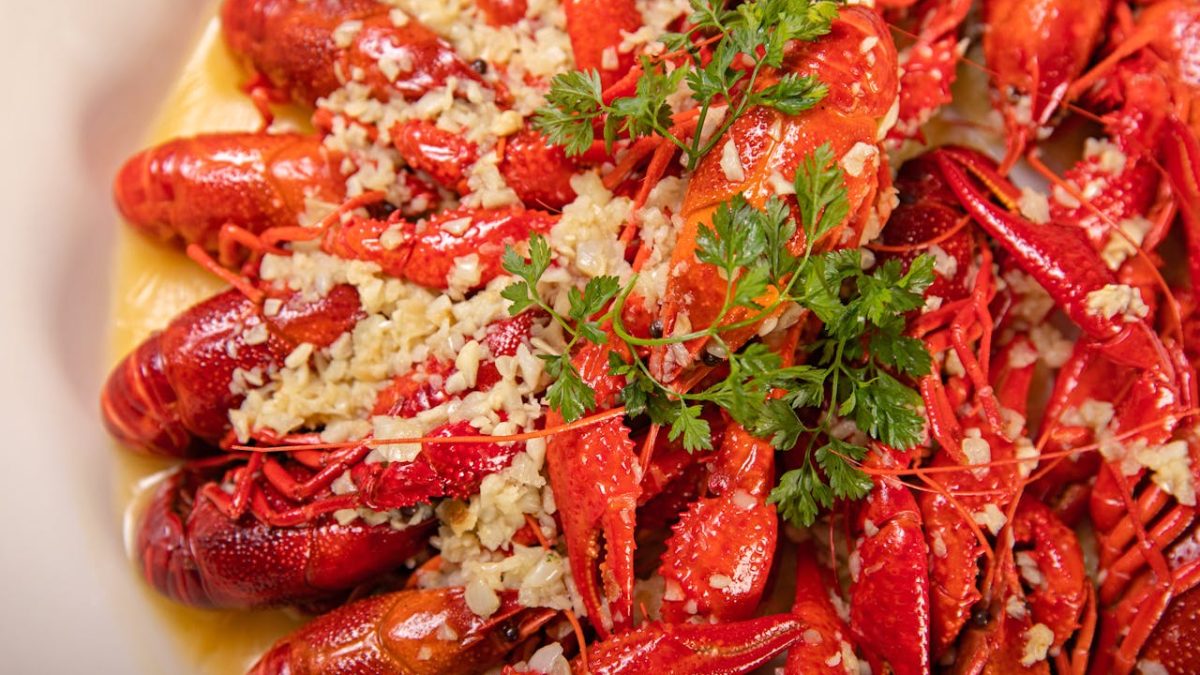
A proper Cajun crawfish boil starts with a heavily seasoned stock. Not just seasoning powder tossed in at the last minute, but a slowly developed base of celery, onions, garlic, citrus rinds, hot sauce, and bold Cajun spice blends simmered until every element has surrendered its flavor to the pot. Potatoes, corn, andouille sausage, and mushrooms go in next. The crawfish, cleaned and alive, follow last. Then comes the part that separates the great boilers from the merely good ones: the soak. Done right, crawfish boil temperature and timing control how much of that gorgeous stock penetrates the shell, turning each piece of tail meat into a concentrated burst of spice and sweetness. Cook too long, and you get mush. Pull too early, and you’ve wasted the whole stock.
Precision, not guesswork, is the difference.
The Art of the Setup
Anyone who has attended a serious backyard boil knows the host is running a small, high-stakes operation. A thoughtful crawfish boil setup accounts for propane pressure, water-to-seasoning ratios, the order and timing of ingredients, and the critical cooldown phase that locks flavor into the seafood rather than letting it cook away. A rough rule of thumb for quantities is three to five pounds of crawfish per person, though regulars tend to err generously on the side of abundance.
The tools have evolved considerably. Where backyard boilers once managed purely on instinct and family knowledge, modern equipment such as temperature-sensing paddles, high-output triple jet burners, and pot cooling rings now give serious home cooks precise control over every stage of the process. For those investing in quality gear, the choice of crawfish boil pots matters far more than most people initially expect. Heat retention, surface area, and pot size all directly affect how consistently the boil turns out, especially when cooking for a crowd.
Table Culture and Lagniappe
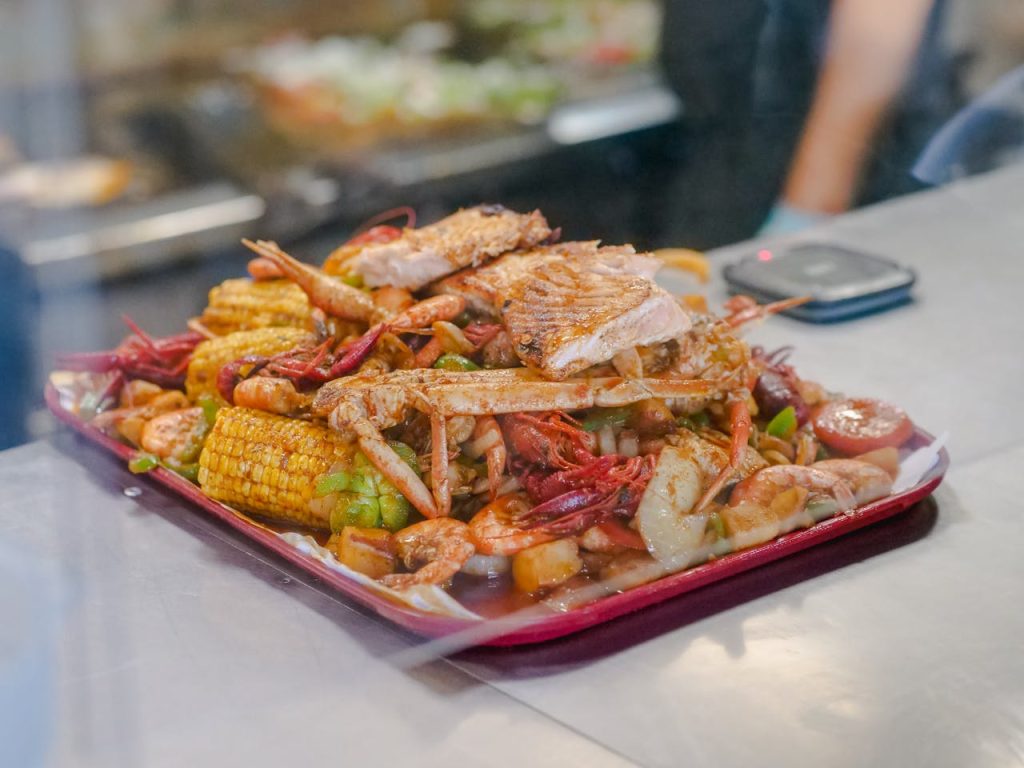
Once the crawfish are done, the tableau is everything. Long tables covered in newspaper or butcher paper, piled high with steaming red crawfish, golden corn, potatoes glistening with seasoning, and thick slices of andouille. Garlic bread for soaking up the broth. Crispy fried pickles for contrast. A cool, Creole-spiced coleslaw to cut the heat between bites. The best seafood boil side dishes frame the main event without competing with it.
For the uninitiated, knowing how to eat crawfish is the first order of business. Twist the tail, peel away a few rings of shell, push the meat through from the back, and, if you want the full Louisiana experience, suck the head for the concentrated, spiced juice inside. It sounds bold. It is bold. That is the point.
Leftovers, if there are any, get repurposed with the same reverence given to the original feast. Crawfish tail meat folded into étouffée, gumbo, or po’boys the next day. Nothing goes to waste, and nothing is rushed.
Why Right Now Is the Best Time to Go
Crawfish season in Louisiana runs roughly from January through early summer, with the peak months of March through May delivering the largest, freshest catches. We are squarely in that window right now, which means live crawfish are at their best: plump, flavorful, and worth every bit of the effort a proper boil demands.