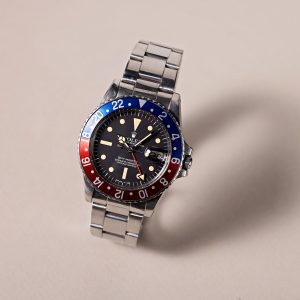
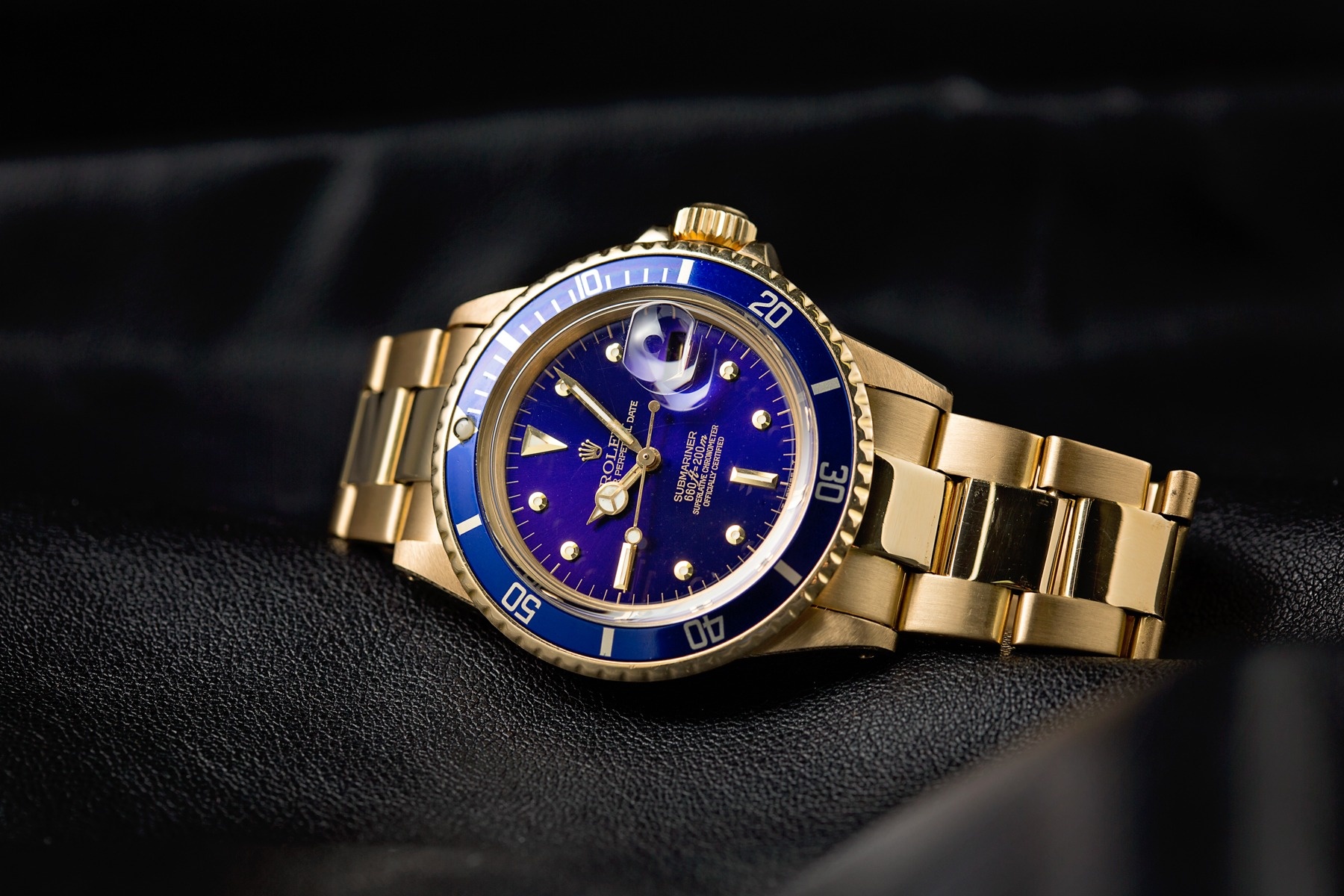
The global secondary luxury watch market has evolved into an industry estimated at more than $25 billion annually. What was once a niche hobby for dedicated collectors has become a mainstream market where consumers regularly buy, sell, and trade Rolex, Patek Philippe, Audemars Piguet, Omega, Cartier, and other luxury timepieces.
After more than 25 years in the luxury watch industry, including the past 15 years leading Bob’s Watches, I’ve watched thousands of transactions unfold. One lesson has remained remarkably consistent.
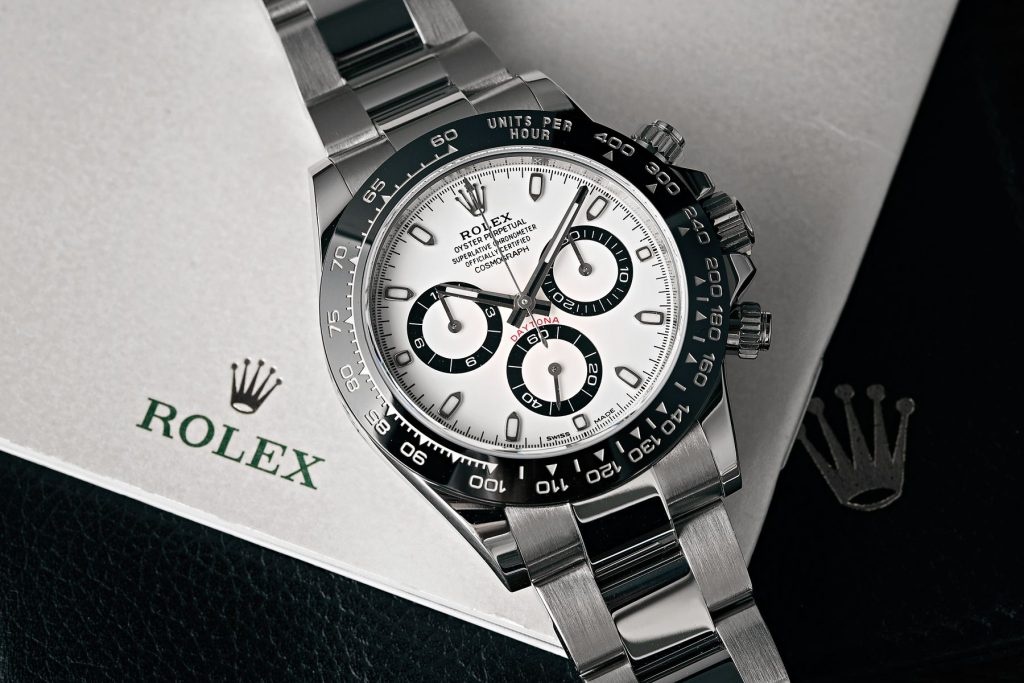
The biggest mistake people make when selling a Rolex isn’t accepting too little money.
It’s accepting the wrong offer.
That may sound counterintuitive, especially when the natural instinct is to compare offers and choose the highest number. But luxury watches aren’t ordinary consumer goods. They are high-value assets, and selling one requires evaluating far more than price alone.
A higher offer means very little if the transaction exposes you to unnecessary risk, hidden costs, payment issues, or a deal that never closes.
In today’s online marketplace, sellers have more options than ever before. They also face more potential pitfalls. Fraudulent payment methods, chargebacks, buyers who disappear after agreeing to terms, and transactions that ultimately fall apart have become increasingly common as the resale market has expanded.
The strongest transaction balances four factors: price, certainty, security, and transparency.
Price certainly matters. But so does knowing exactly who you’re selling to, how payment will be handled, whether the buyer has a proven reputation, and whether the process protects both parties throughout the transaction.
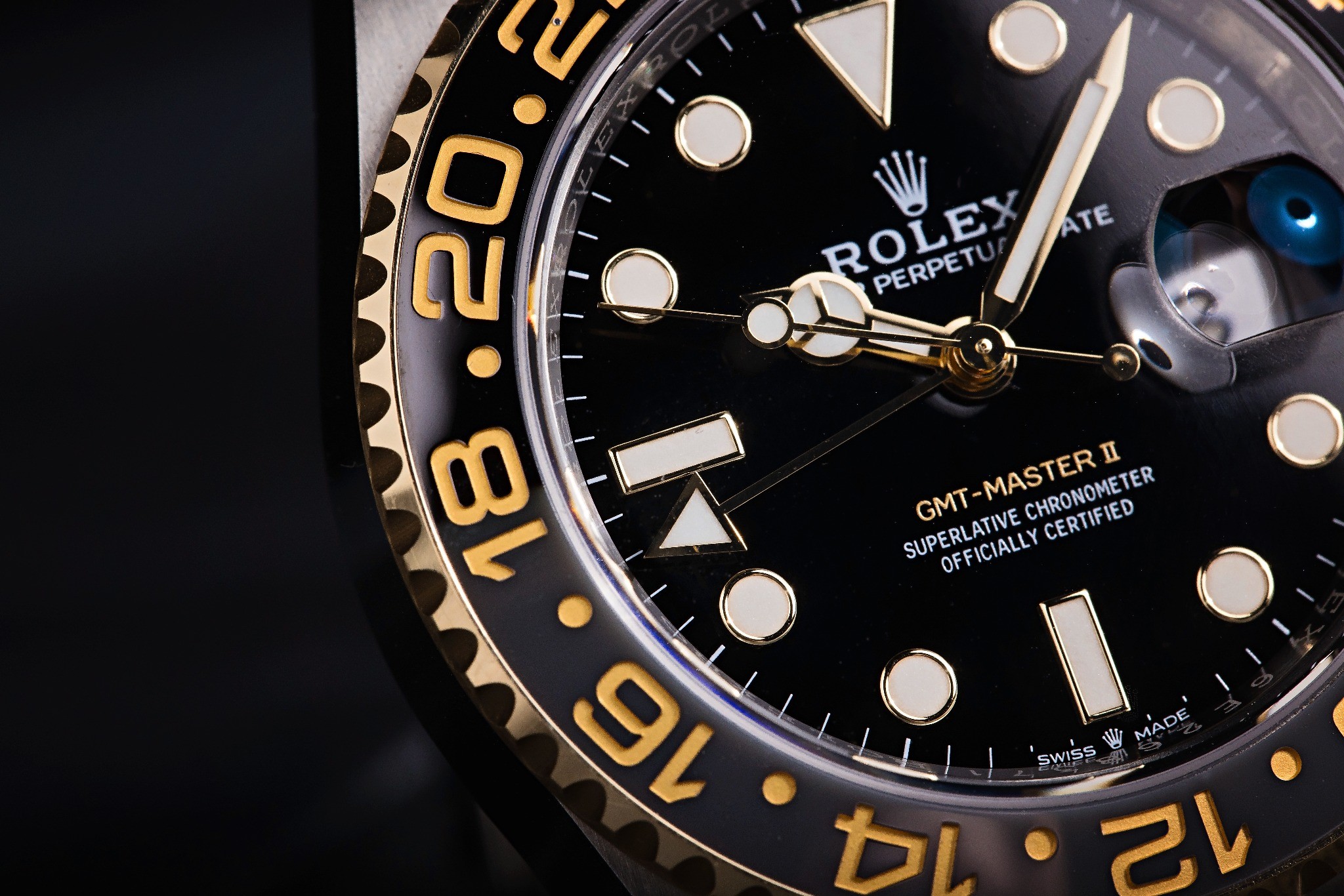
Another common misconception is that market value is determined by a single number. In reality, a luxury watch’s value depends on numerous variables, including its condition, originality, service history, accompanying box and papers, rarity, and current market demand. Two seemingly identical watches can command meaningfully different prices based on these details alone.
I’ve also seen sellers unintentionally diminish their watch’s value before ever listing it. Losing original documentation, replacing factory components with aftermarket parts, or failing to understand how collectors evaluate originality can all affect the final selling price.
Perhaps the most significant change over the past decade is how consumers view luxury watches themselves. Increasingly, they aren’t simply fashion accessories or collectibles. For many owners, they’re financial assets—objects that can preserve value, appreciate over time, or provide liquidity when circumstances change.
That shift has made selling decisions more consequential.
Whether someone is selling a Rolex they’ve owned for years or parting with a carefully curated collection, the goal shouldn’t be to secure the highest offer. It should be to achieve the strongest overall outcome.
The best transaction is one that delivers fair market value while providing confidence that the deal will close exactly as promised.
In an industry built on trust, certainty often proves more valuable than chasing the highest number on the page.