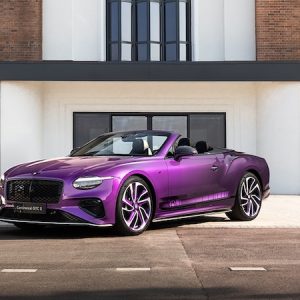
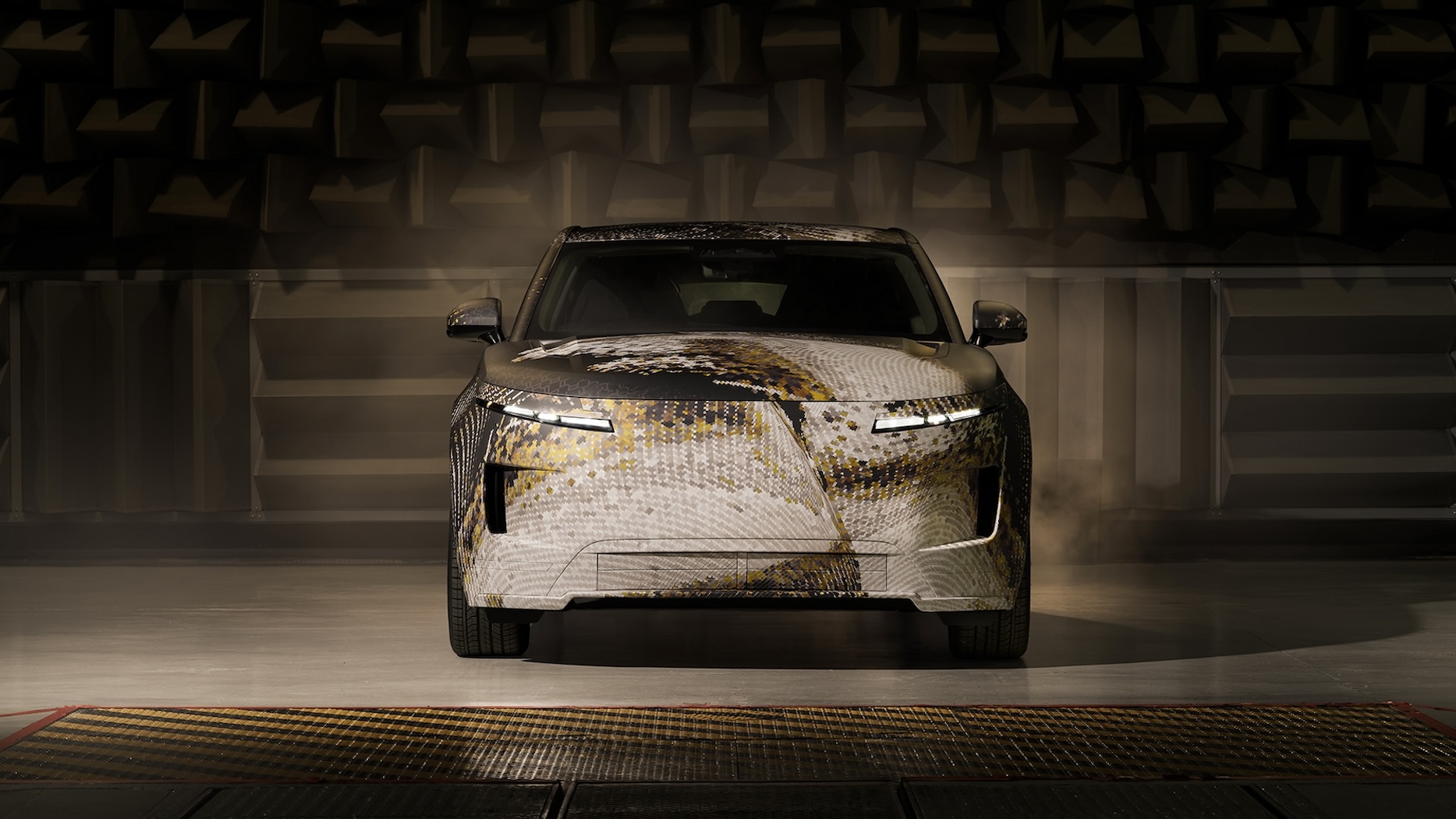
For decades, a Grand Tourer has always been a machine for the long drivers. You buy one when you want to cross countries. They’re fast, beautifully built and effortlessly comfortable over long distances. And, for a better part of the last century, the Aston Martin DB12, Bentley Continental GT and the great Italian Gran Turismos had ruled this segment. The all-new Range Rover GT takes the familiar formula and takes it to a new level.
Instead of going the low-slung coupé route, Range Rover has asked a more interesting question: what if a Grand Tourer didn’t have to look like one at all? That’s what makes the GT such an intriguing addition to the British marque’s portfolio. As the fifth member in the lineup, it isn’t simply another SUV with a different roofline. It feels like a rethink of what modern luxury touring can be.
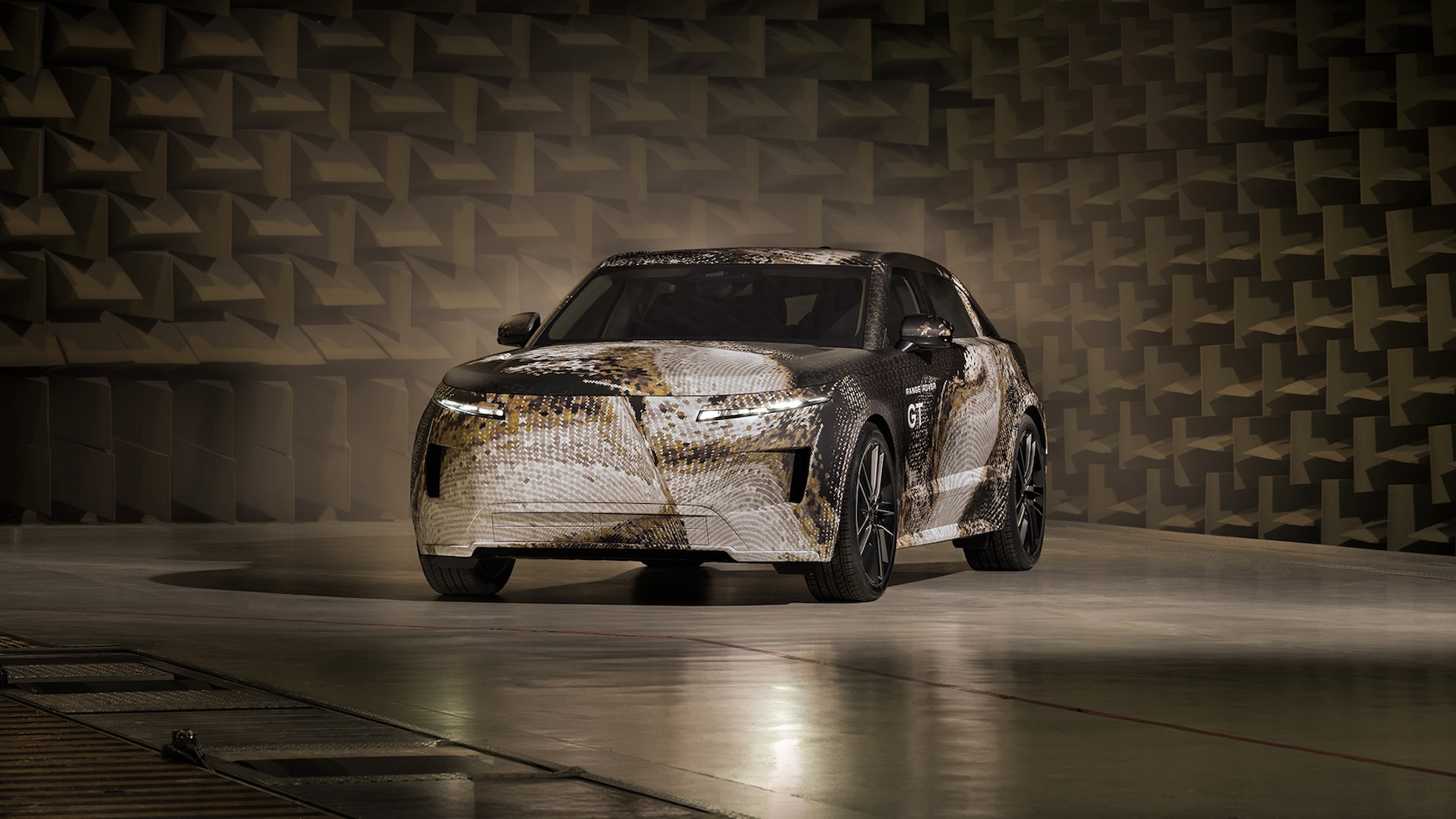
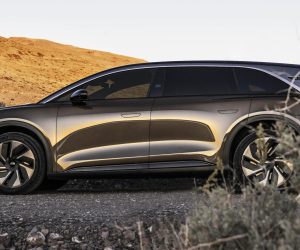
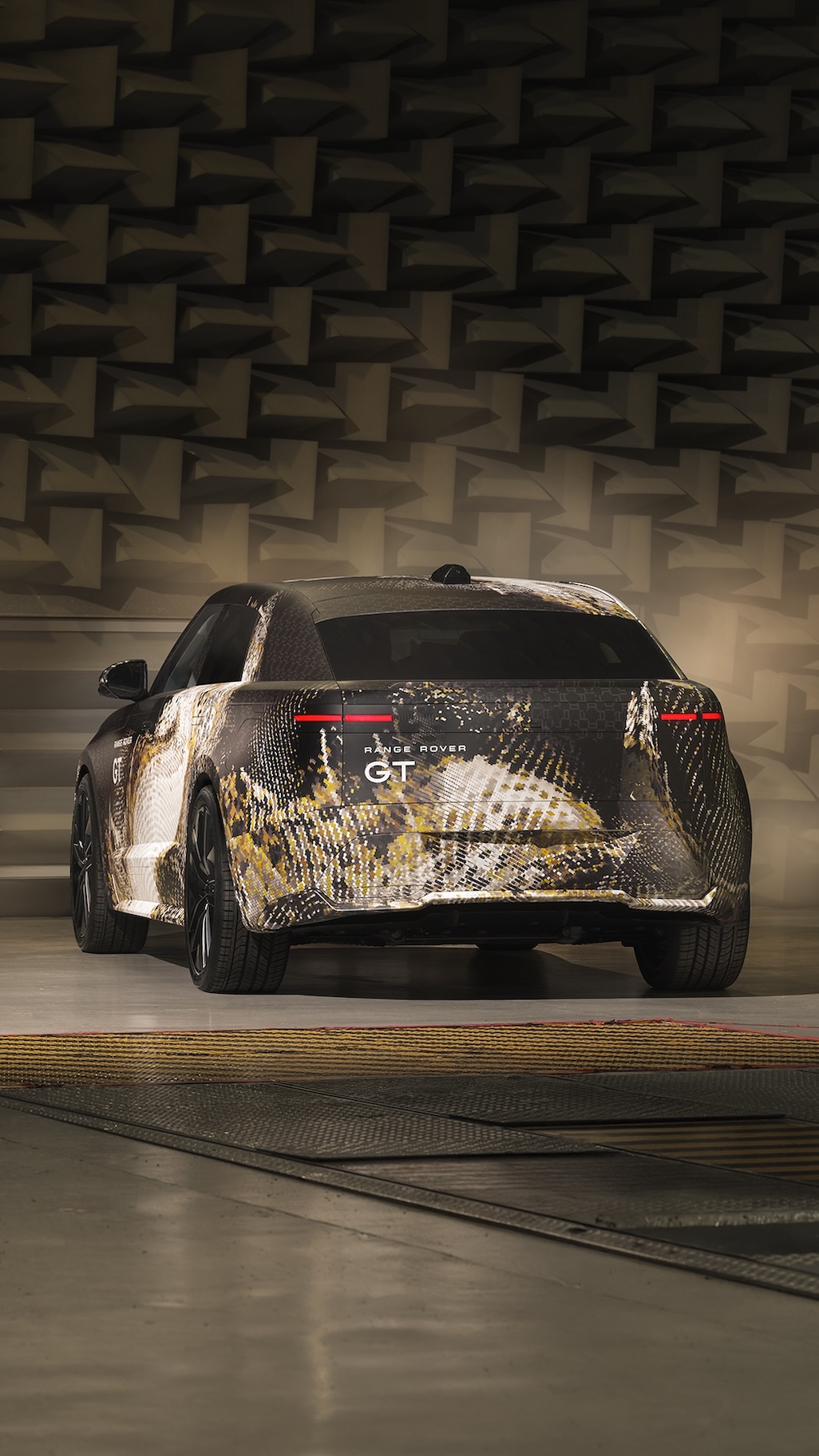
You notice it immediately. The long-characterised features of Range Rover take a backseat for something more streamlined and athletic. The coupé-like roofline, lower-slung proportions, and more minimalistic design all contribute to an overall bearing that feels more grand tourer than SUV. And yet, somehow, it still looks unmistakably like a Range Rover—a feat not as easy to achieve as it might seem.
Thankfully, it isn’t done through ostentatious styling gimmicks. A great deal of today’s luxury electric vehicles appear obsessed with figures. The Range Rover GT takes a different route. It feels less interested in shouting and more interested in getting the fundamentals right. That philosophy becomes even clearer once you step inside.
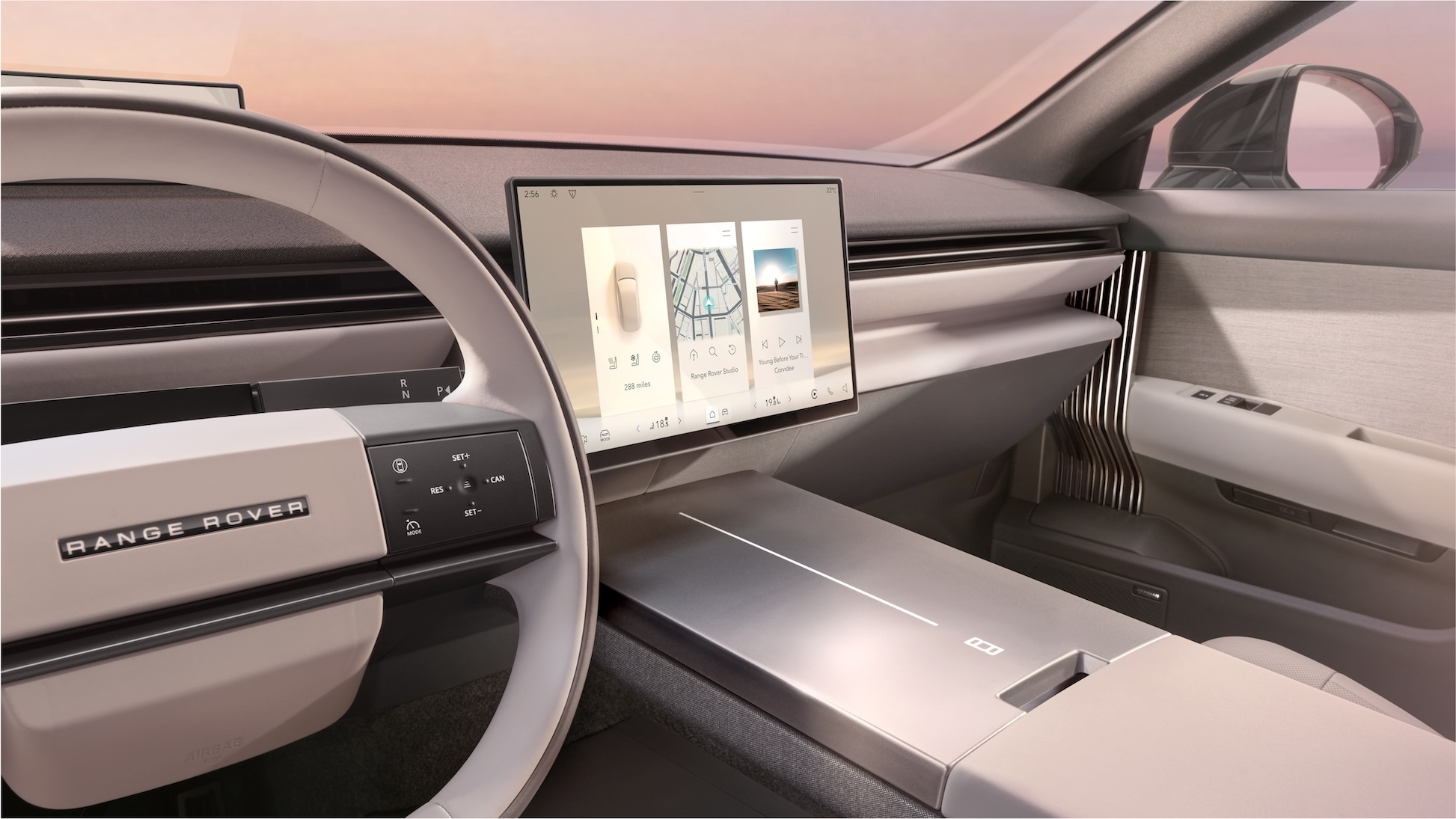
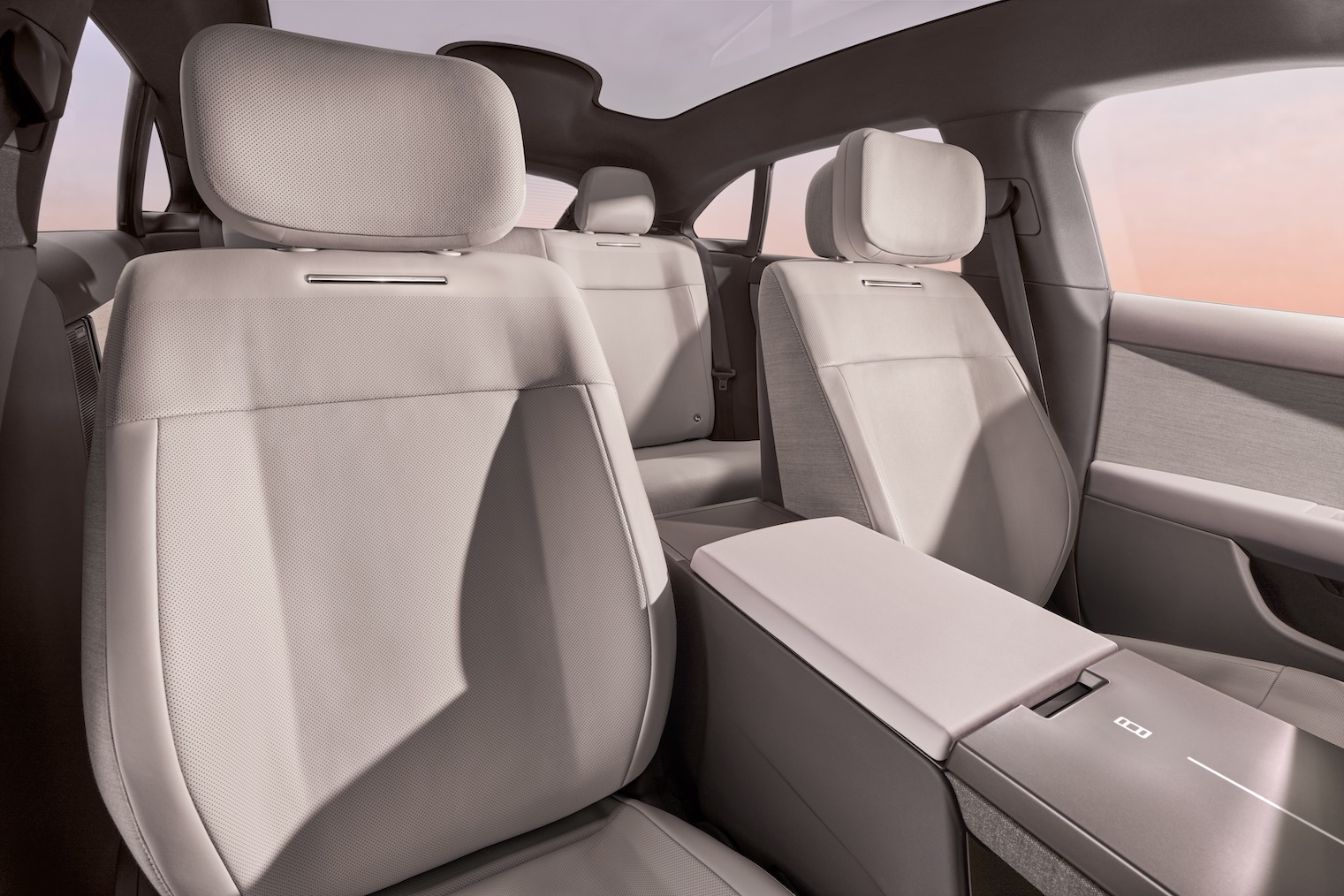
Range Rover has spent years refining what it calls “reductive design,” and the GT takes this concept to a new level by not equipping the vehicle with numerous screens and lit-up buttons. A single interface replaces the visual clutter. Air vents are incorporated into the dashboard, speakers are hidden under aesthetically pleasing materials, and technology integrates into the architecture without taking centre stage.
It doesn’t look like a cockpit from a sci-fi movie. It looks more like being situated in an exquisitely designed private lounge. Whatever decision has been made, be it aesthetic or sound-related, all seem to lead to one result—to make long drives as calm and comfortable as possible.
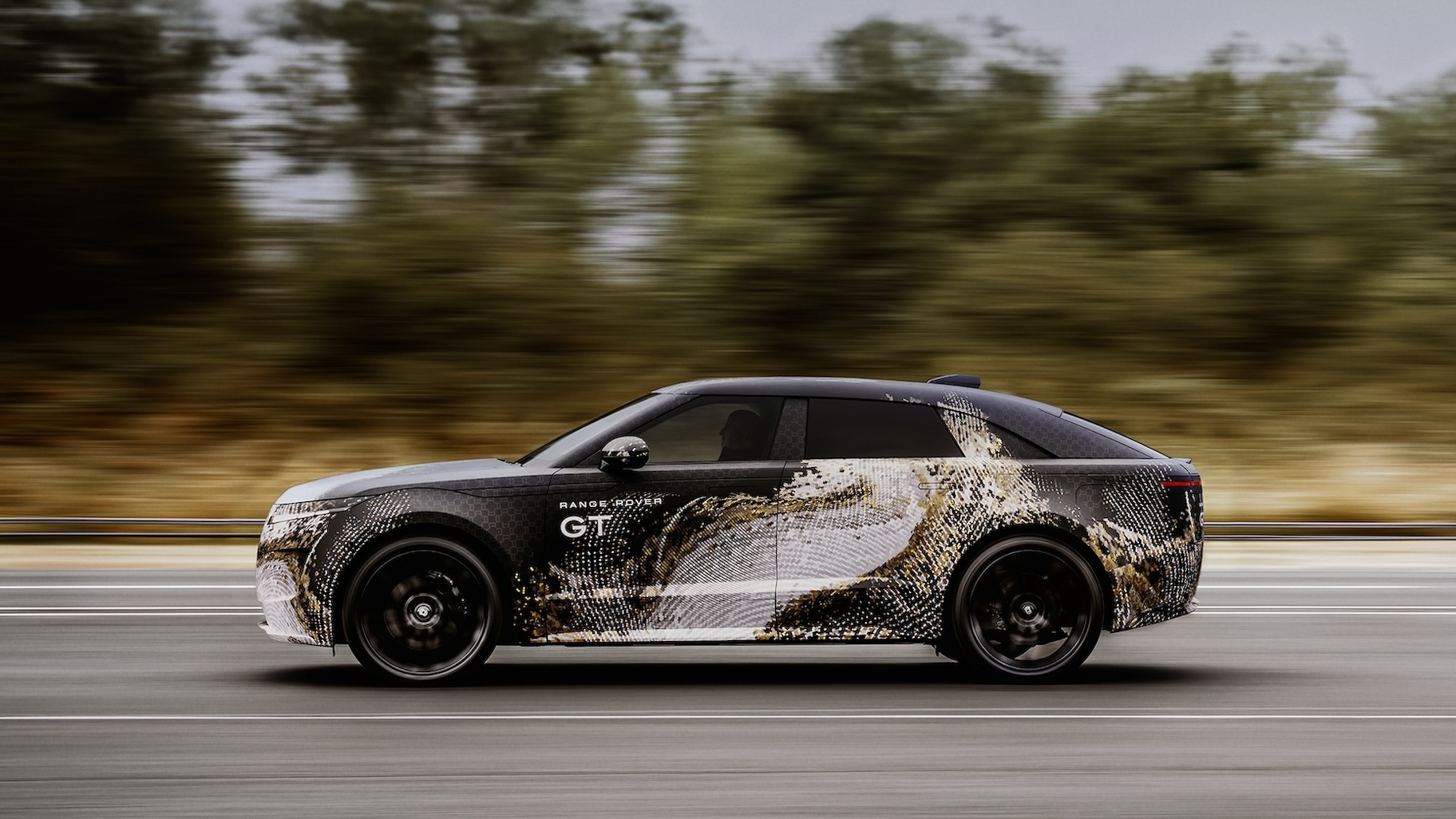
But possibly the most interesting story lies underneath. This GT is the first-ever all-electric Range Rover developed on JLR’s latest platform, EMA, thus making it a significant landmark in the company’s electrification story. The vehicle will launch as a battery-powered model, but the platform itself has been created with a possibility of developing hybrid variants in mind.
What is great about it is the fact that Range Rover is not trying to make electrification the focal point of its offering. Instead, they use electricity to strengthen their key strengths.
Electric motors are inherently very quiet and extremely smooth, something that goes hand in hand with Range Rover’s tradition of striving for elegance. Combined with an instant response, driving such a vehicle feels very easy and relaxed, especially with a virtually silent drivetrain.
In many ways, it feels like electric power was always meant for a Range Rover. It is indicative of how luxury is evolving as well. Consumers today do not necessarily want the loudest and fastest vehicle available. They prefer the elegance in simplicity rather than the flamboyant extravaganza.
Range Rover is not following this route. Instead of getting rid of the factors that made it luxurious from the start, it has transformed those into a language that would make sense for the next generation.
As the automotive world moves deeper into the electric era, plenty of brands are reinventing themselves from scratch. Range Rover has chosen a different path. Rather than abandoning the qualities that made it desirable in the first place, it’s translating them into a format that feels right for the next generation.
Refinement. Comfort. Sophistication. Capability. All those factors are still present in the brand.
It has only been revamped to fit the new form of grand touring. Considering how this brand has always defined segments for itself, this move makes a lot of sense.