From a design-forward farm retreat in Iwate and Blue Zones program in Okinawa to an urban ryokan in Tokyo, three distinctive escapes for cultural immersion and destination-driven luxury.
Azuma Farm Koiwai, Iwate
Set against the foothills of Mount Iwate (often called “Nambu Fuji” for its resemblance to Mt. Fuji), newly opened Azuma Farm Koiwai is a refined, design-led retreat that reimagines rural luxury through the lens of agriculture, architecture, and slow living. Located in Japan’s northeastern Honshū, the property introduces travelers to the often-overlooked Tohoku region and offers an experience that feels both deeply rooted and distinctly contemporary.
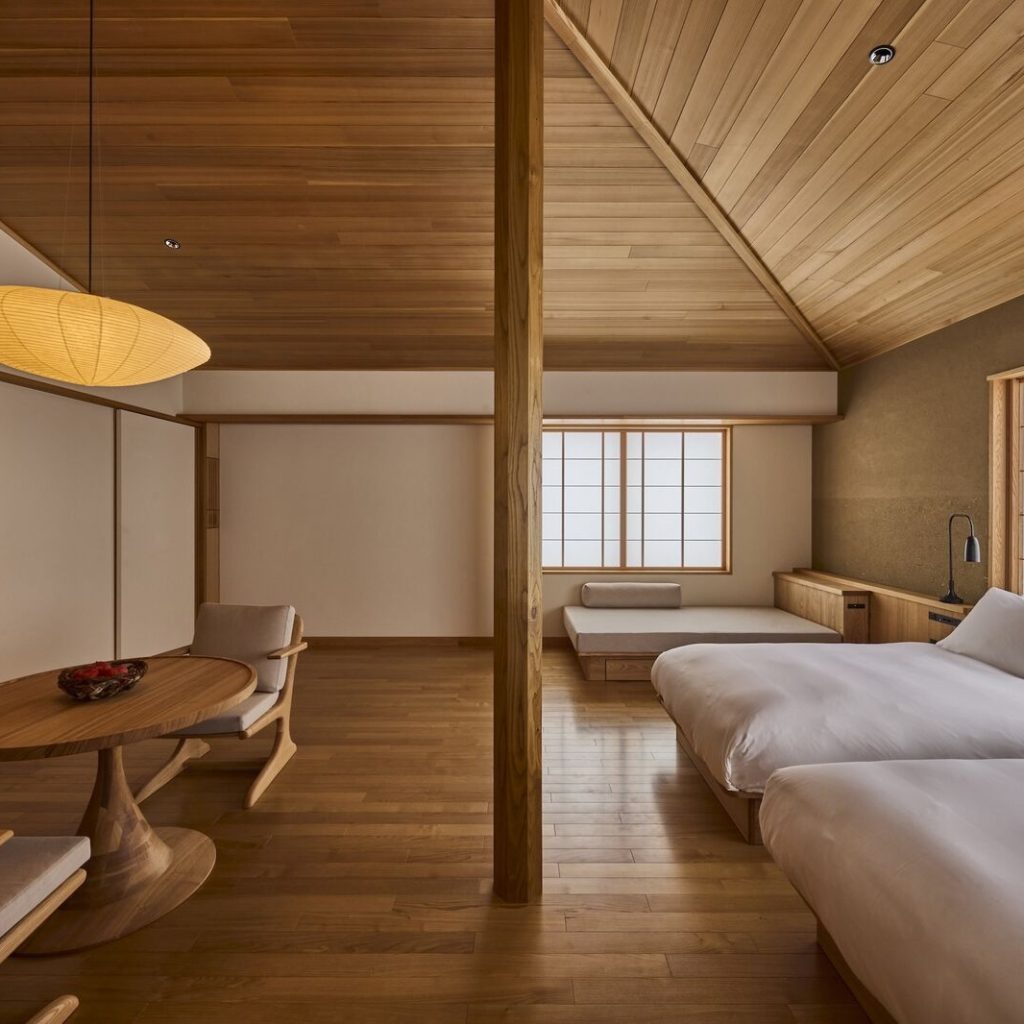
Developed by Kyoto-based luxury hospitality brand Azumi Japan in collaboration with East Japan Railway Company, the retreat sits within a landscape shaped by more than 130 years of farming heritage. That legacy is palpable in every detail—from villas constructed with century-old cypress and red pine sourced onsite to architectural cues inspired by traditional cowsheds, reinterpreted by Kyoto-based architect Shiro Miura. Surrounded by pastureland and forest, its 24 standalone forest and garden villas offer a rare sense of seclusion. Interiors are understated yet tactile, with cedar ceilings, chestnut wood pillars, and panoramic views that shift with the seasons.
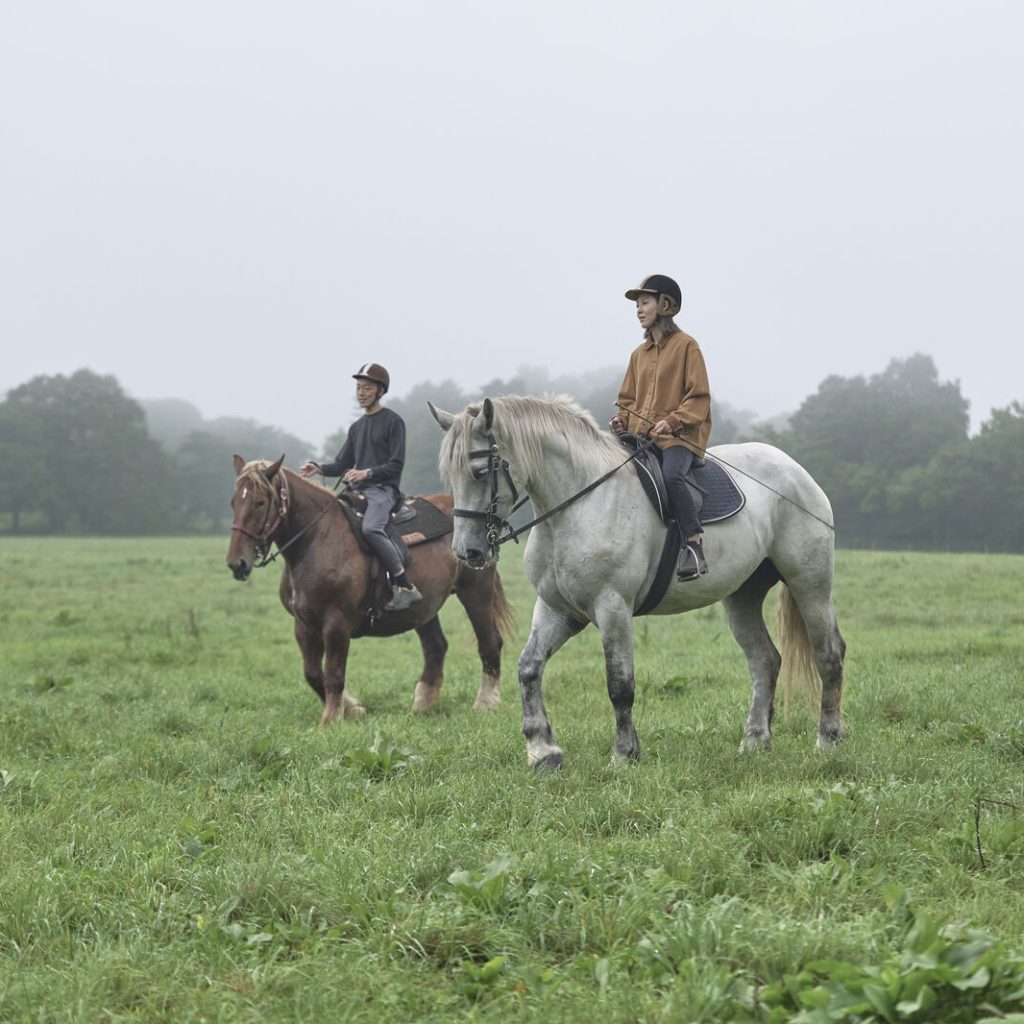
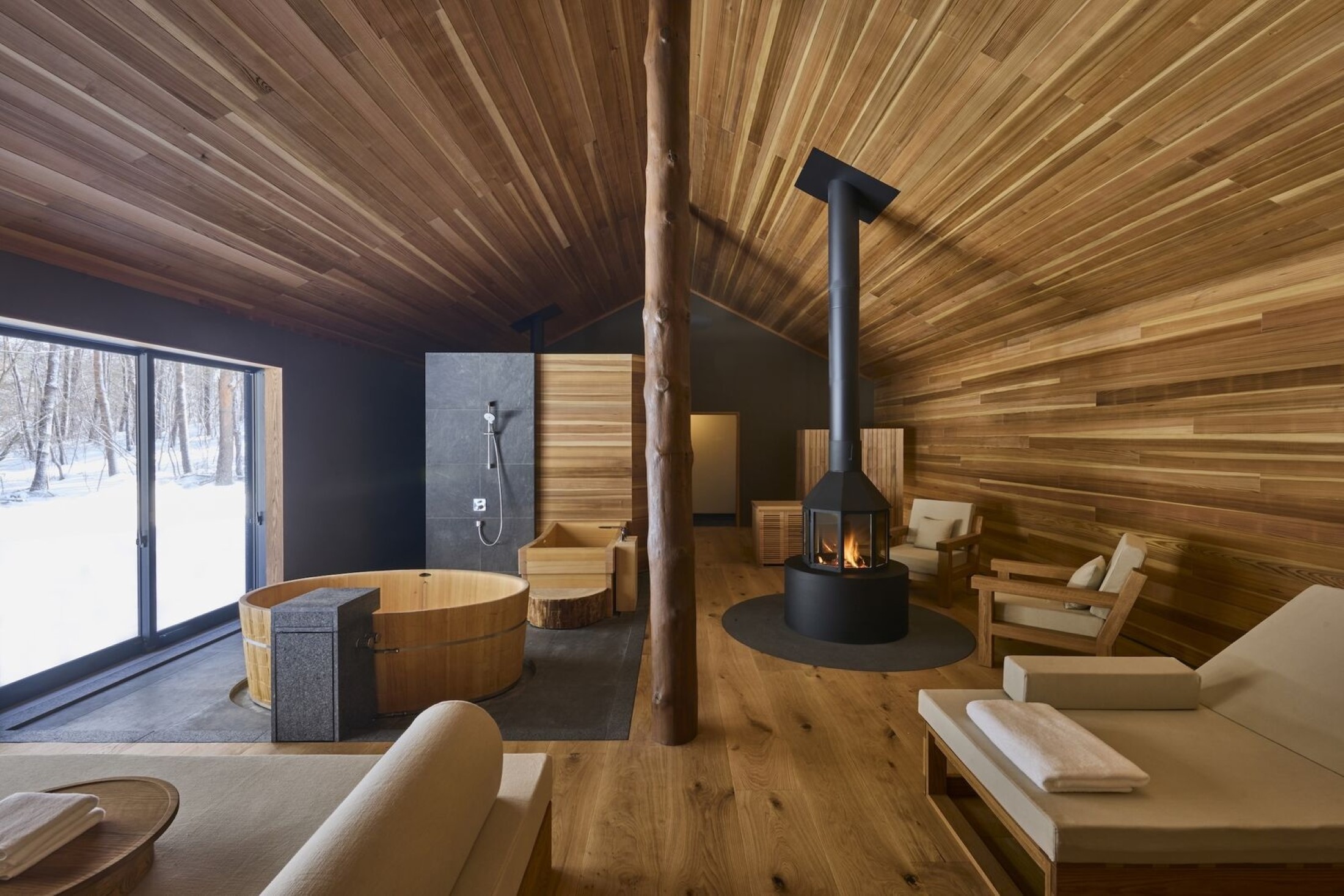
Dining, led by French-trained chef Yoshitaka Oyama, further anchors the experience in place, spotlighting Tohoku ingredients through a refined, ingredient-first approach. During an intimate Okibi experience, meals unfold around a charcoal grill in a communal, fire-led setting. Wellness here is elemental too, with three private Forest Springs bathing pavilions, a natural hot spring opening later this year, and outdoor activities designed to explore the landscape, including horseback riding, all of which encourage a slower, more grounded approach to wellbeing. azumafarms.com
Halekulani Okinawa, Okinawa
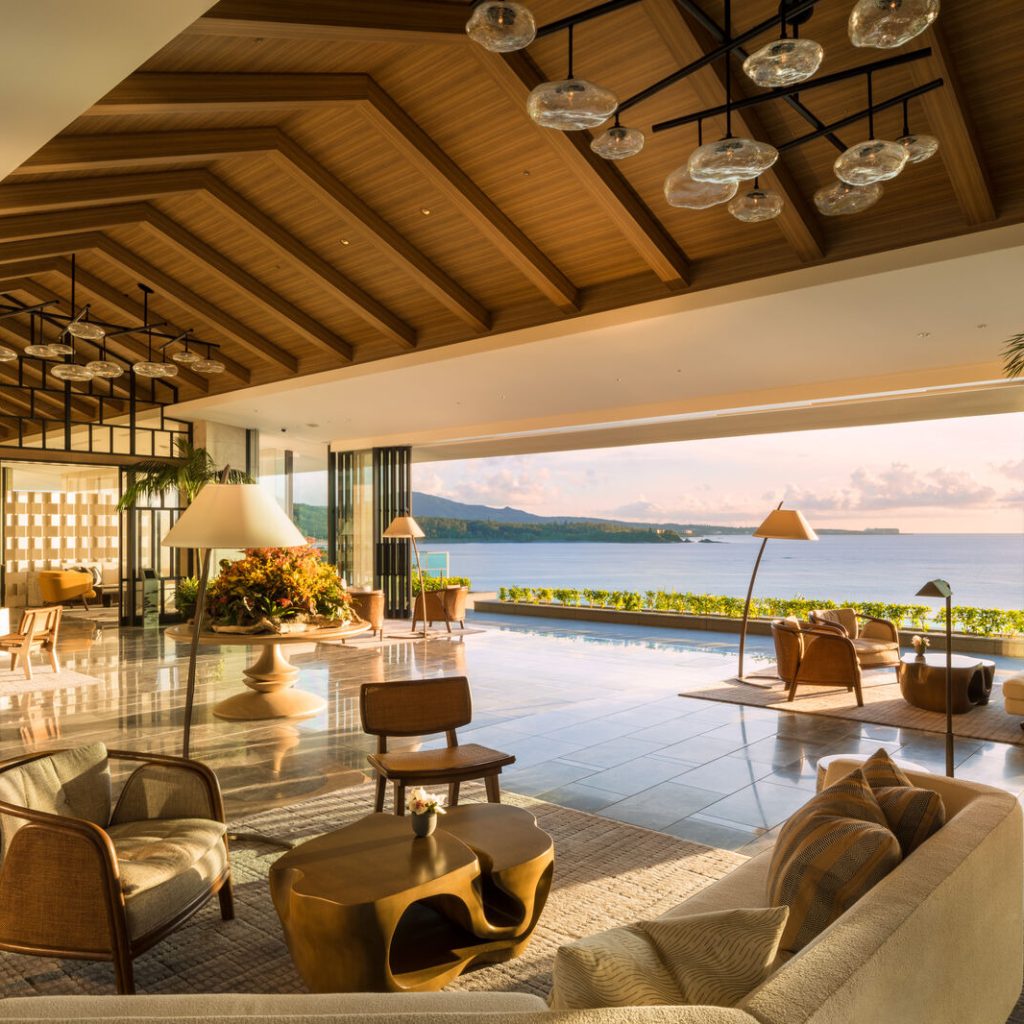
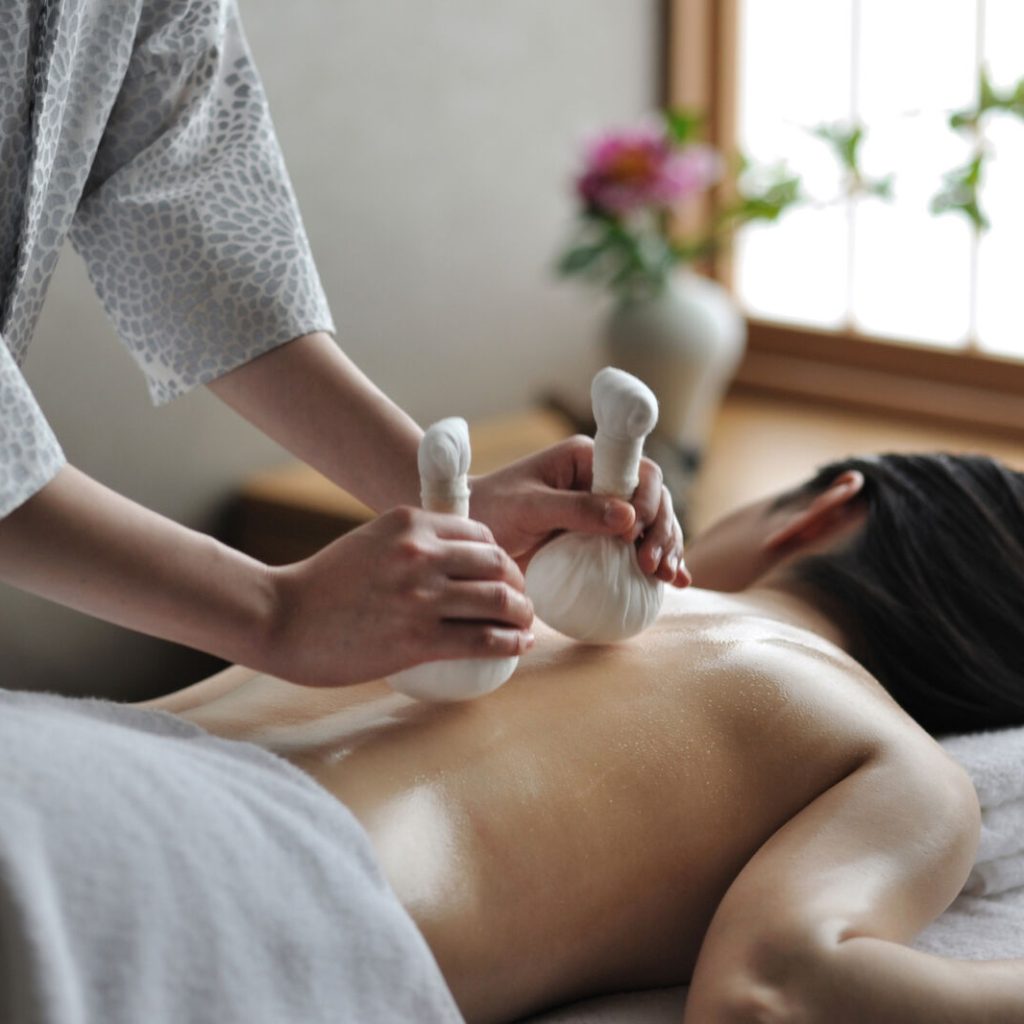
Rather than focusing solely on spa treatments (although there is plenty of time for those), the weeklong experience unfolds through a cultural lens: weaving protective salt amulets, stepping into a 120-year-old lacquerware studio, and practicing karate in its birthplace. A private visit to Shuri Castle adds further depth, grounding the experience in history and the Okinawan concept of chimugukuru—a philosophy rooted in compassion and emotional strength.
Designed to nourish without excess, culinary programming also reflects the island’s longevity ethos, with workshops on mindful eating, local ingredients, and plant-based mocktails. Guided sessions unpack the “Power 9” habits identified by Blue Zones, offering practical ways to integrate these insights into everyday routines long after the trip ends. Tucked within Okinawa Kaigan Quasi-National Park, the resort itself features a sublime oceanfront setting and an award-winning spa. okinawa.halekulani.com
HOSHINOYA Tokyo, Tokyo
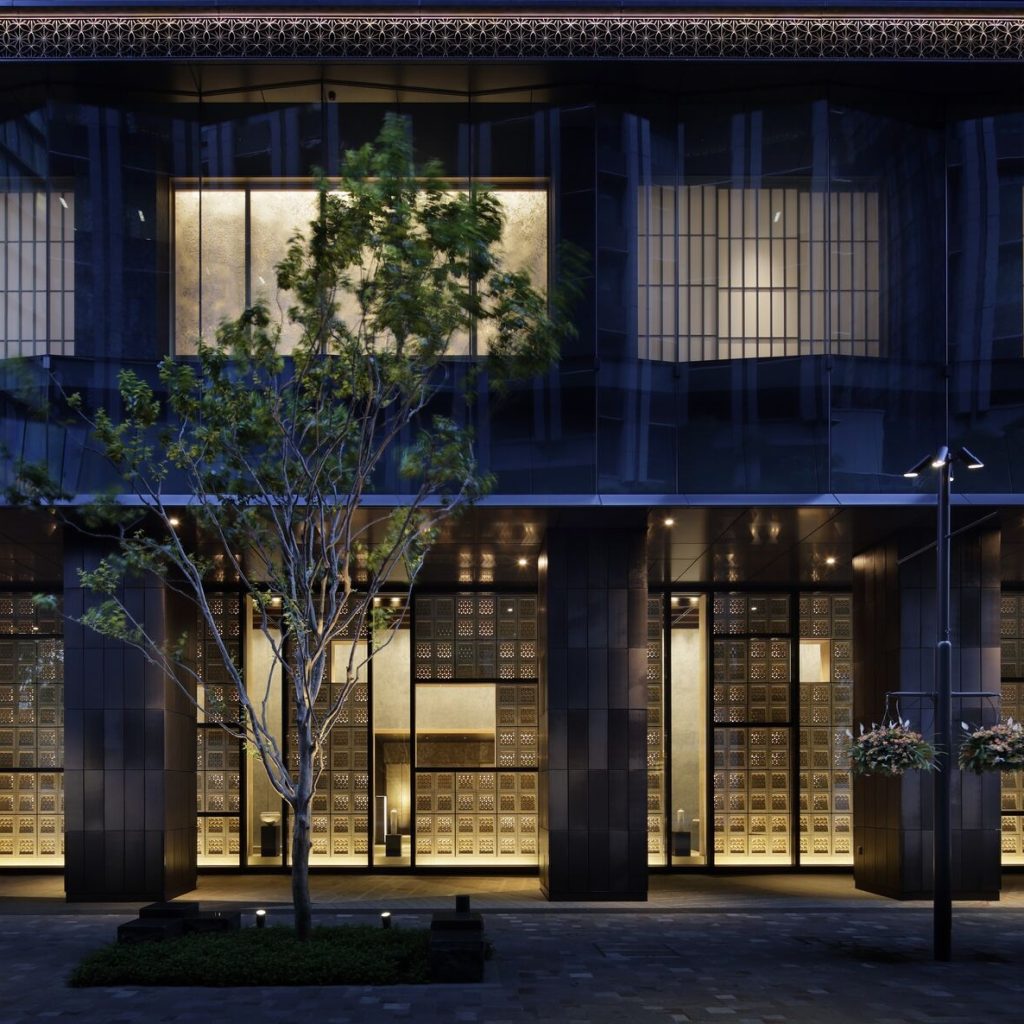
Each floor operates as its own private enclave, accessible only to those staying there and anchored by an Ochanoma Lounge stocked with seasonal refreshments. Slip into kimono-style loungewear and linger as long as you like. Rooms follow suit: minimalist yet tactile, with tatami floors, soft lighting, and a quietly meditative sense of calm. The real draw, however, lies above it all
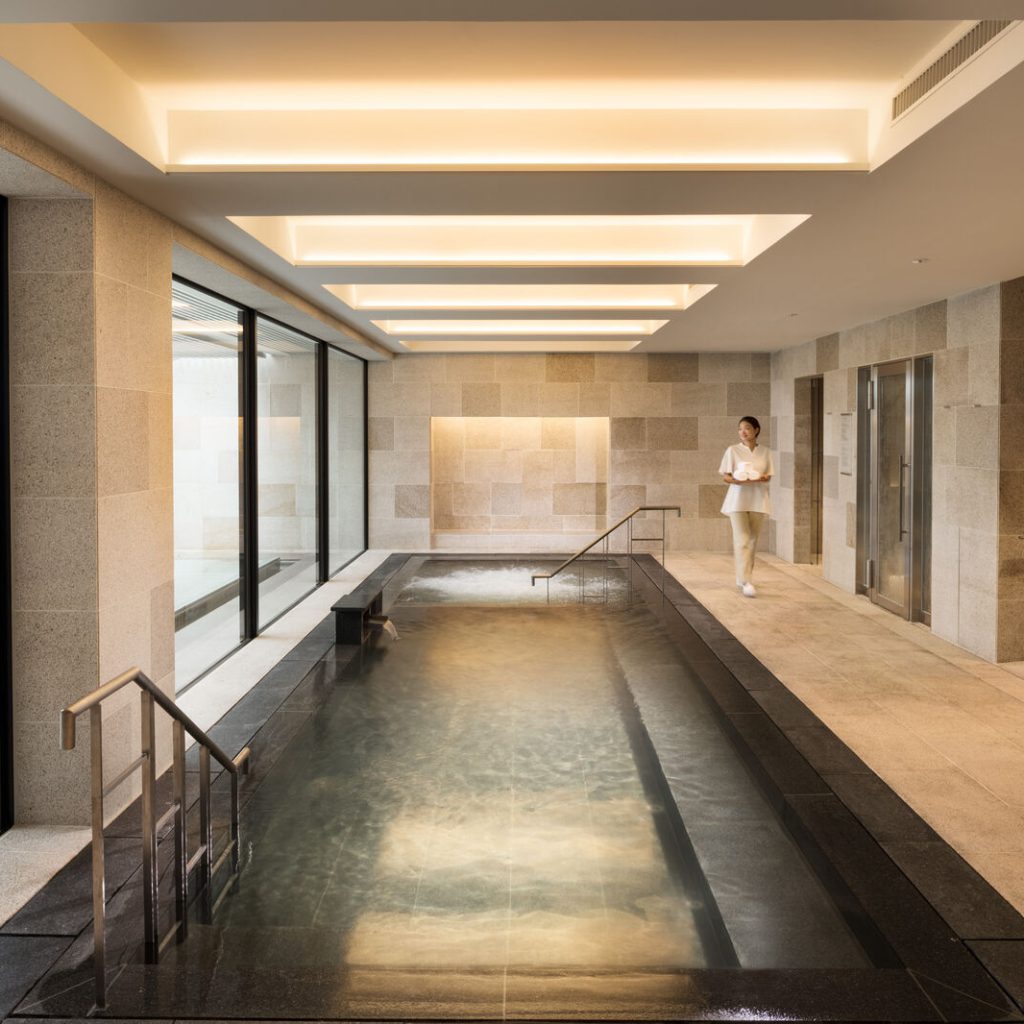
The Otemachi Onsen, a natural hot spring drawn from 1,500 meters beneath the city—an exceptional rarity in central Tokyo. Set on the top floor, the open-air bath introduces a slower rhythm of soaking and stillness. Treatments build on this ritual, including Kobai, a 90-minute full-body experience combining oil bodywork with facial cleansing. For a deeper immersion, the Edo Beauty Stay program extends these practices into a multi-day journey. hoshinoresorts.com