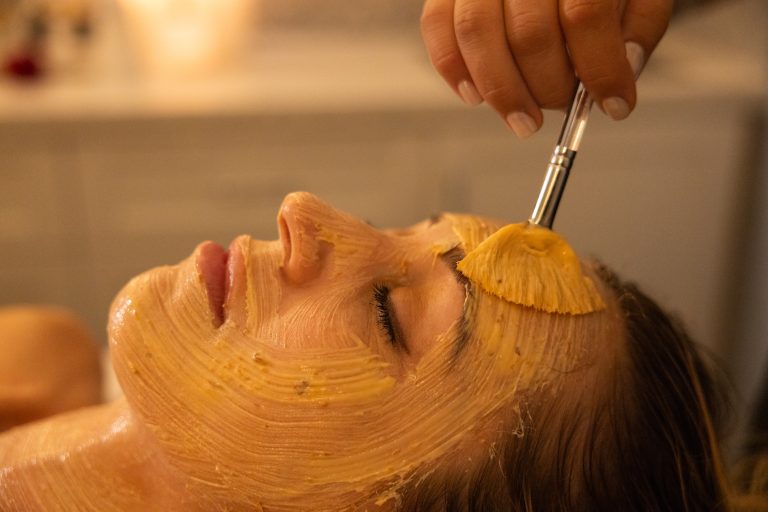
Something is shifting in the way women approach their skincare. The reflexive reach for injectables is giving way to something arguably more powerful: a genuine investment in how the skin feels, functions, and ages from the inside out.
Theresa Armour, co-founder of Burke Williams Day Spa, has had a front-row seat to this evolution. “We’re seeing a real cultural shift,” she says. “Women are coming to us not because they want to look younger — they want to look vital, rested, and healthy at whatever age they are. They’re asking smarter questions. They want to understand what’s actually happening to their skin and bodies, and they want treatments that work with those changes, not against them.”
That curiosity isn’t just anecdotal. Bookings for facial treatments, body therapies, and stress-recovery rituals have been climbing steadily at Burke Williams locations across California. The conversations happening in treatment rooms reflect a broader cultural moment: women are connecting the dots between overall wellness and skin health, in ways that are driving more intentional self-care choices.
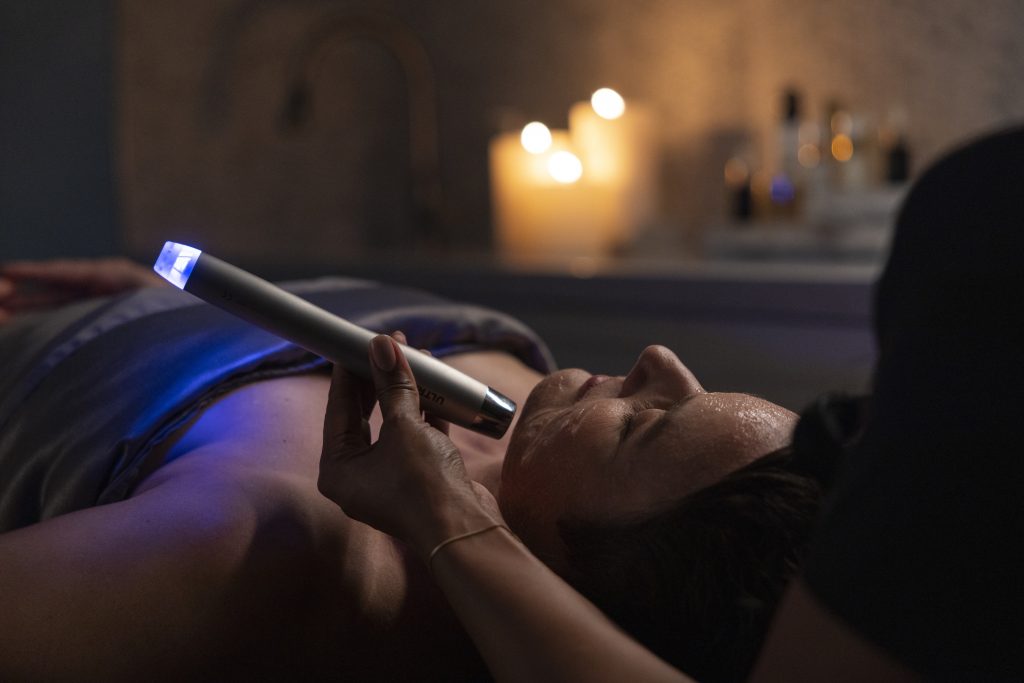
The Estrogen-Skin Connection
Estrogen does a remarkable amount of work beneath the surface. It supports collagen production, regulates moisture retention, and helps maintain the skin’s protective barrier. When estrogen fluctuates or declines — whether due to hormonal shifts, stress, or life stage — the effects are often noticed first in the skin: increased dryness, a loss of plumpness, heightened sensitivity, and a slower healing response.
“This is exactly where we see women feeling frustrated,” Armour explains. “They’re doing everything they’ve always done, and suddenly their skin isn’t responding the same way. It’s not a failure on their part — it’s a physiological shift, and it calls for a different approach.”
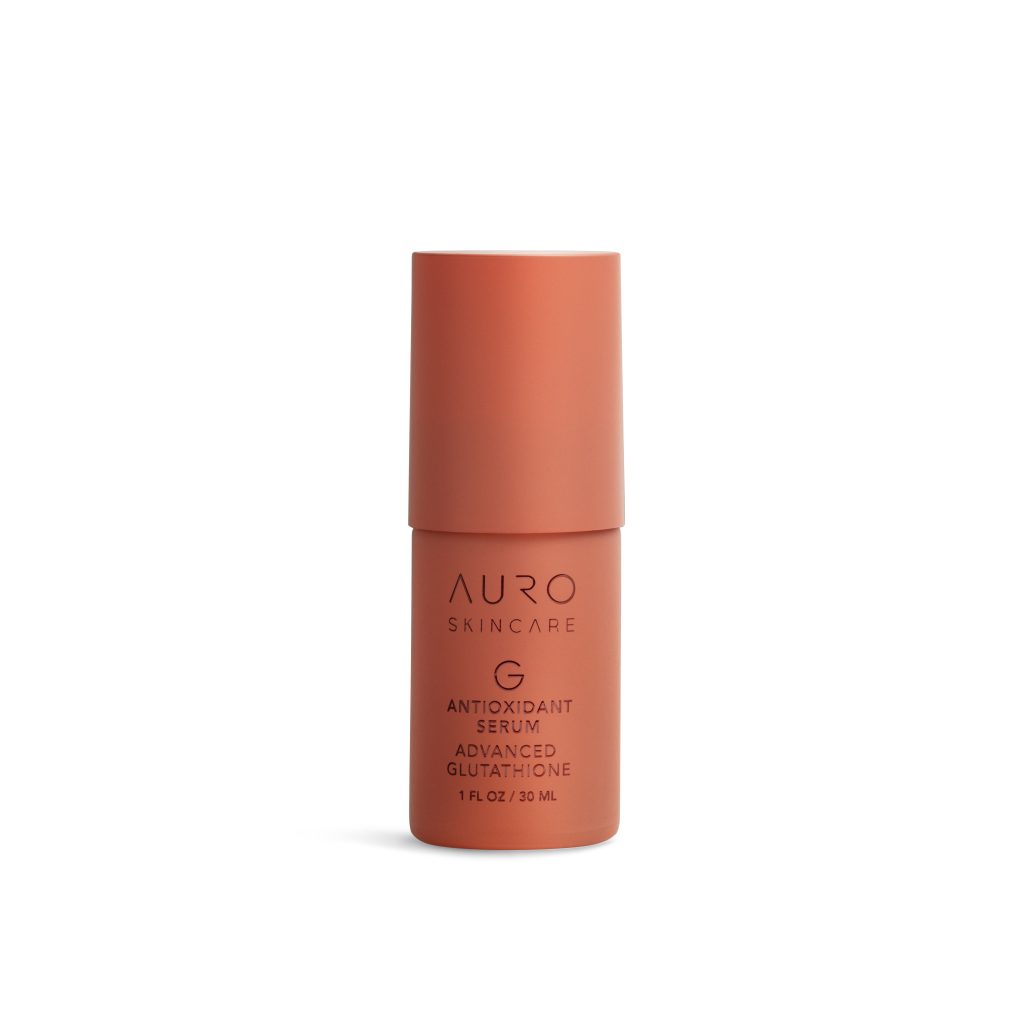
That different approach is baked into the Burke Williams philosophy and their H2V skincare line, developed with real skin health specifically in mind. H2V focuses on deep, functional hydration — not just adding moisture to the surface, but supporting the skin’s ability to hold and use it. As the skin’s natural hyaluronic acid production slows over time, targeted hydration becomes less of a luxury and more of a necessity.
“H2V is designed to address what we call the hydration gap,” says Armour. “It’s about reinforcing the skin barrier so that moisture doesn’t just sit on the surface — it penetrates and supports the skin’s natural resilience. That’s especially important when the barrier is more vulnerable and prone to inflammation.”
Spa as Wellness Strategy
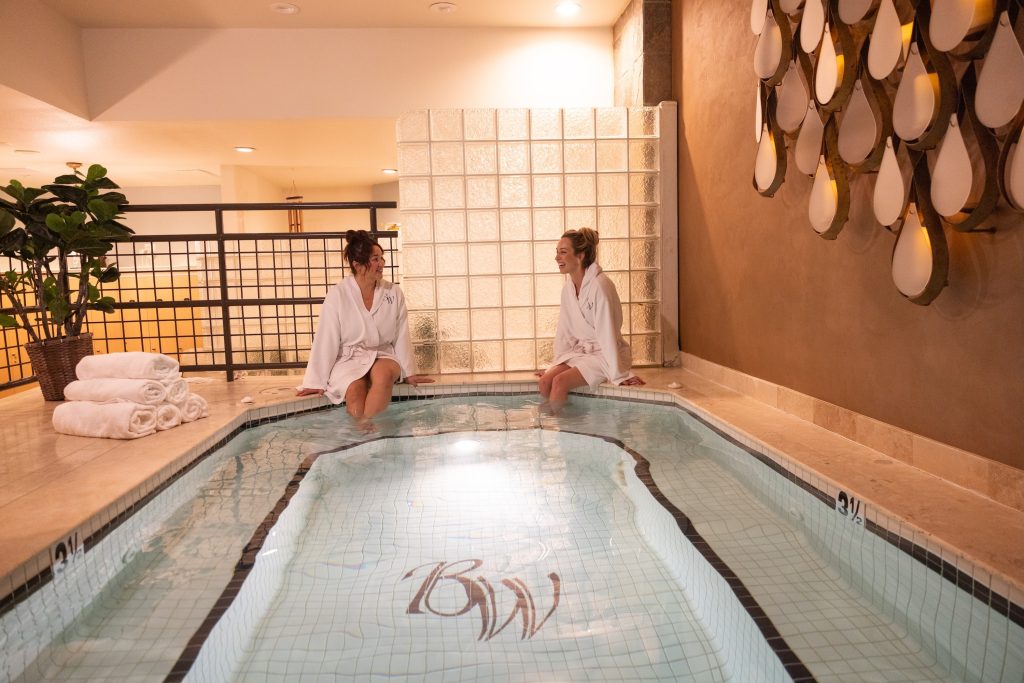
What’s changed isn’t just what women are buying; it’s how they’re thinking about the spa itself. Rather than treating a facial or body wrap as an occasional indulgence, more women are booking treatments the way they schedule physical therapy or acupuncture: as part of a proactive wellness routine.
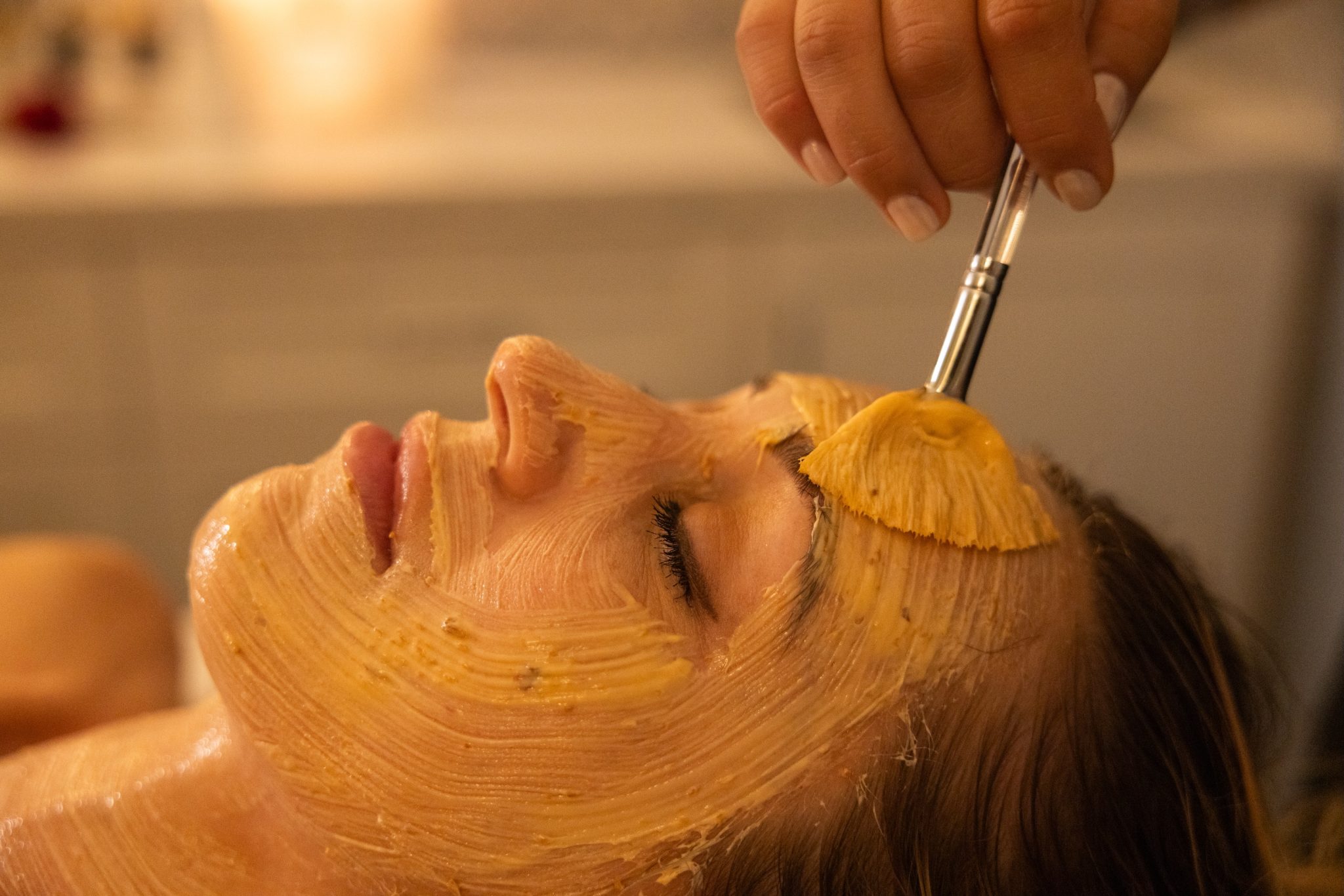
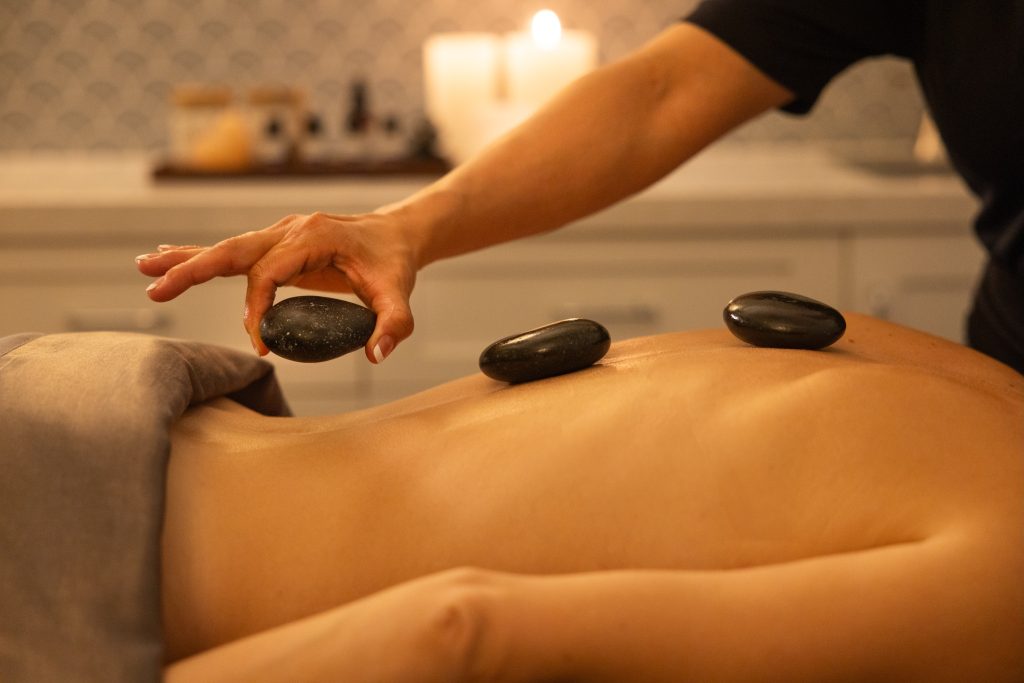
The benefits extend well beyond the treatment room. Regular facial massage stimulates lymphatic drainage and circulation, which can reduce puffiness and dullness. Body treatments incorporating heat and botanical therapies support the parasympathetic nervous system — the branch of the autonomic nervous system responsible for rest and repair — which is frequently overtaxed in women navigating the sleep disruptions and stress of modern life.
“Sleep is one of the biggest complaints we hear,” Armour notes. “And when you’re not sleeping well, it shows in the skin. Cortisol stays elevated, inflammation goes up, and your skin can’t repair itself overnight the way it should. Our body treatments are specifically designed to trigger that relaxation response, not just for the hour you’re on the table, but in a way that carries over.”
The Long Game
Perhaps the most striking shift is in how women are defining results. Rather than chasing the immediate smoothing effect of a toxin or the temporary plumping of a filler, they’re investing in cumulative change: better texture over months, improved barrier function over a season, a complexion that holds up under stress and looks genuinely healthy rather than treated.
“Injectable and aesthetic procedures have their place,” Armour is careful to note. “We’re not anti-anything. But what we hear from women is that they want a foundation. They want their skin to be so healthy and well-maintained that when they do choose additional procedures, the results are better and they need less of them.”
It’s a philosophy that positions the spa not as an alternative to modern aesthetics, but as its most intelligent complement — and a place where women of every age are, increasingly, choosing to begin.
Photos by Jason Speth