For the past 23 years, the first week of December in Miami has evolved into a ritual pilgrimage—part serious art commerce, part high-octane social theater. When Art Basel debuted on the shores of South Beach in 2002, it marked a cultural inflection point, transforming Miami from a party capital into a global nexus for contemporary art, architecture, design, music, fashion, and performance. In 2025, that transformation feels complete—and perhaps amplified beyond recognition.
This year’s Art Basel Miami Beach did more than showcase art; it offered a glimpse into the future of culture itself, where digital innovation, luxury branding, and spectacle coexist in an ecosystem powered as much by algorithms as aesthetics.
The Digital Turn: Art Meets the Algorithm
Art Basel 2025 took a decisive step forward with the debut of its first fully dedicated digital sector, Zero 10. The result was electric. The fair’s traditionally rarefied halls—long dominated by legacy collectors—were suddenly infused with a younger, more diverse, and digitally fluent audience. This generational shift was impossible to miss.
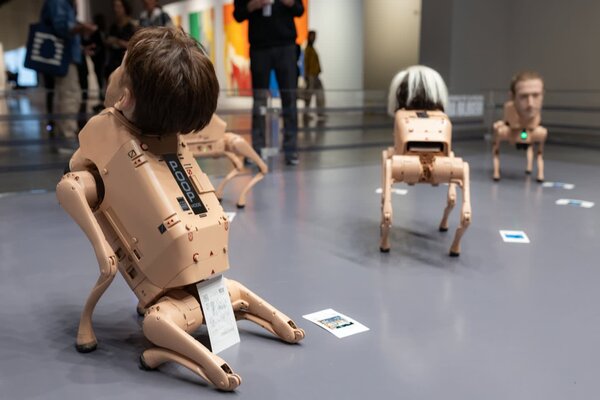
The undeniable epicenter of attention was Beeple (Mike Winkelmann), who presented Regular Animals. Inside a cordoned arena, robotic creatures bearing the identical heads of tech titans—Elon Musk, Jeff Bezos, Mark Zuckerberg—mingled with visages of art-world immortals like Andy Warhol and Pablo Picasso, alongside a replica of the artist himself. These robotic beings discreetly photographed spectators and later “produced/pooped” images rendered in the aesthetic style of their respective creators. Equal parts satire and spectacle, the installation offered a pointed commentary on power, authorship, and the algorithms that increasingly determine what—and who—we see.
All units sold within hours at approximately $100,000 each. The message was unmistakable: digital art is no longer a fringe experiment but a fully monetized force reshaping the market.
Faena: Where Art Becomes Civic Ritual
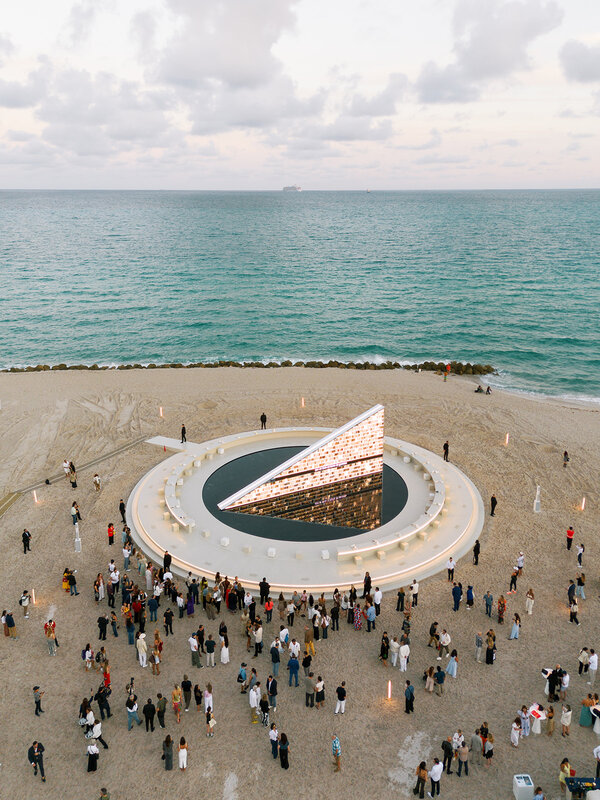
Beyond the convention center, the cultural heartbeat of Miami Art Week pulsed loudly at the Faena District. Celebrating a decade of Faena Art, founder Alan Faena once again commissioned a monumental beachfront installation—this year, surpassing all expectations.
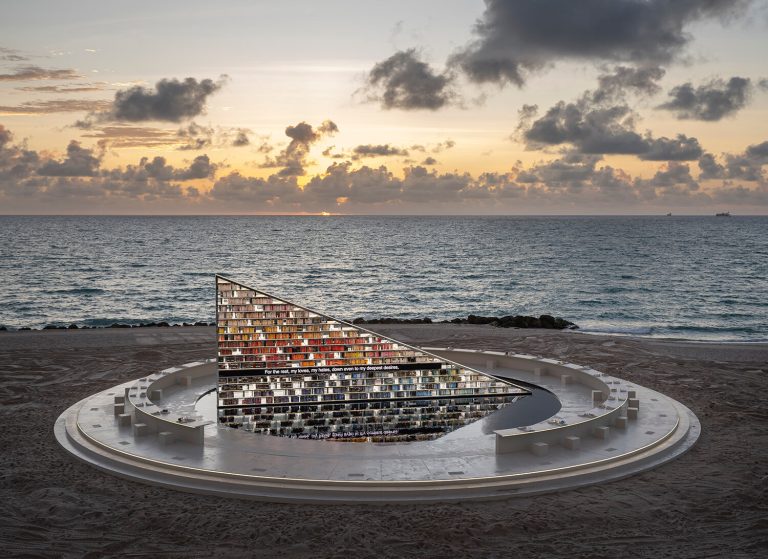
British artist and stage designer Es Devlin unveiled Library of Us, a 50-foot illuminated, triangular, revolving bookshelf holding 2,500 volumes, encircled by a reflective pool. Thirty-three seats invited visitors to pause, read, and reflect as Devlin’s voice softly projected distilled messages drawn from the books. Ray-Ban Meta glasses provided real-time AI translations, underscoring the installation’s premise: that knowledge is borderless, and books can serve as neutral ground for dialogue across cultural and ideological divides.
Inside the Faena Hotel’s cathedral-like lobby, The Reading Room and Tracing Time further extended the literary theme, while sister property Faena Casa showcased Tropical Stomping Grounds by Mexican artist Pepe Mar.
The district’s programming extended well beyond visual art, with beachfront concerts by Jamie xx and Blond:ish, private dinners, and even a Cher-inspired gelato stand—high culture delivered with Faena’s signature theatrical flair.
Luxury Brands Take Center Stage
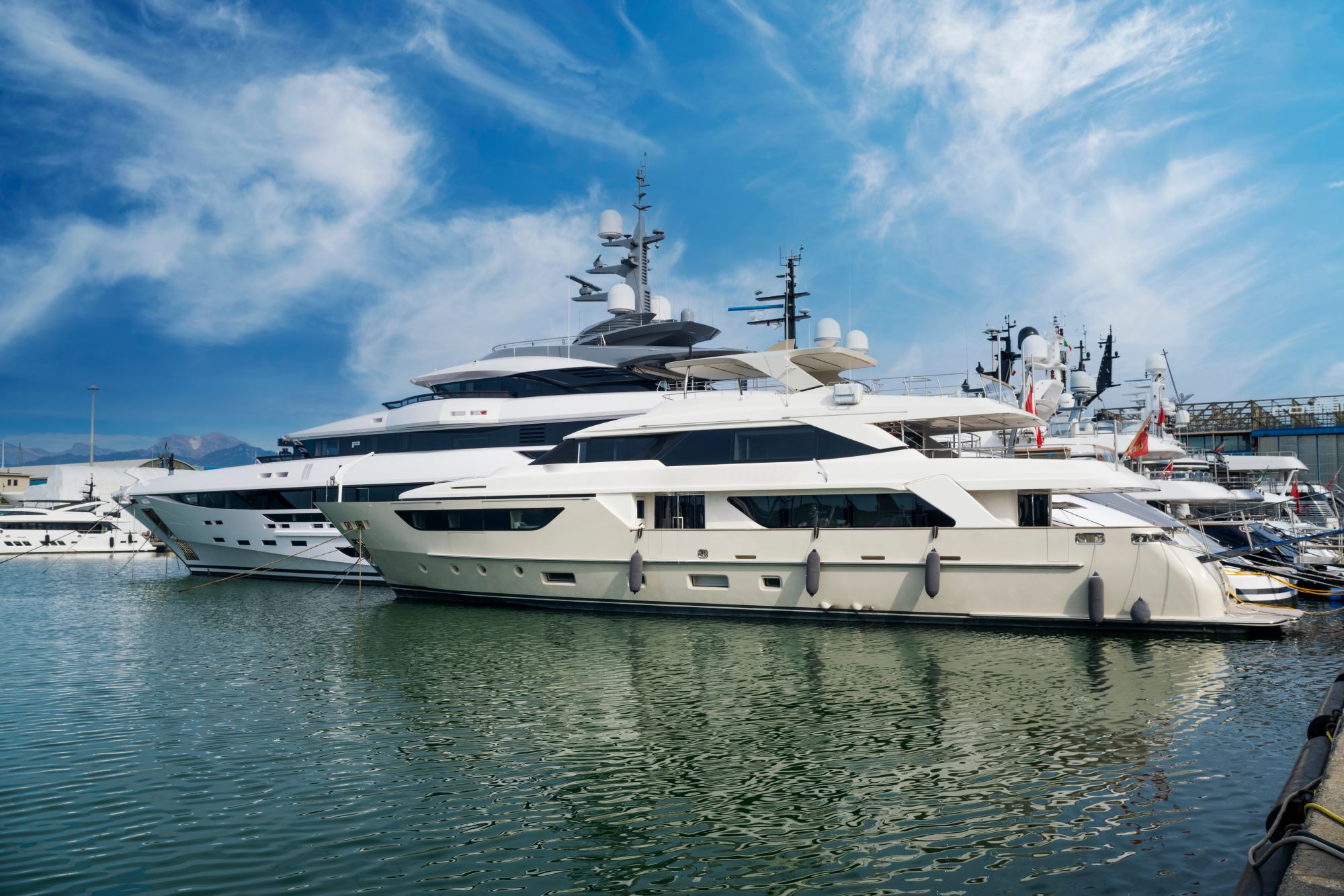
Art Week has become as much a proving ground for luxury brands as for artists, and 2025 was no exception. Robb Report’s House of Robb returned to the Faena penthouse, hosting VIPs amid panoramic views of Library of Us. Between thought-provoking panels, guests sampled ultra-luxury experiences—from Ulyssia World Yacht previews to Casa Obsidiana tequila tastings and Xerjoff fragrance rituals. The penthouse served as a serene refuge from the citywide frenzy below.
On the sands nearby, the newly renovated Shelborne by Proper unveiled Pilar Zeta’s The Observer Effect, a monumental metallic sculpture shifting through iridescent hues as part of Miami Beach’s No Vacancy public art series.
Navigating the Madness
Miami Art Week’s most notorious adversary remains traffic. Causeways locked in gridlock tested even the most patient collectors. While a free water taxi offered an alternative, lines stretched for blocks. Veteran advice prevailed: choose your side—mainland or beach—and stay put. Bicycles proved the most efficient mode of transport, offering both speed and sanity.
Beneath the Surface: Art and Environment
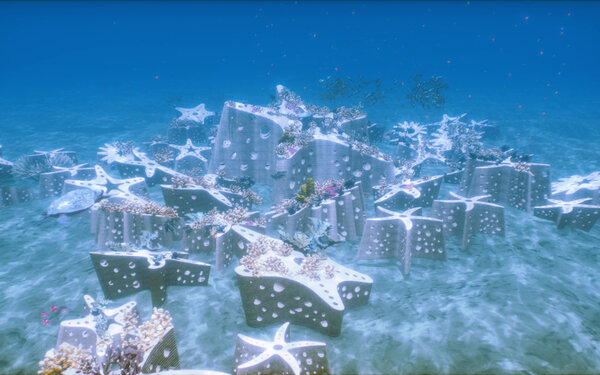
Coinciding with Art Week, Miami unveiled a new installation for its commissioned underwater sculpture park, Reefline. Argentine artist Leandro Erlich contributed life-size concrete car sculptures designed to double as artificial reefs, merging environmental restoration with conceptual art. Accessible only by snorkeling, diving, swimming, or kayaking, the project offered a rare moment of quiet reflection amid the week’s commercial crescendo.
Inside Art Basel Miami Beach
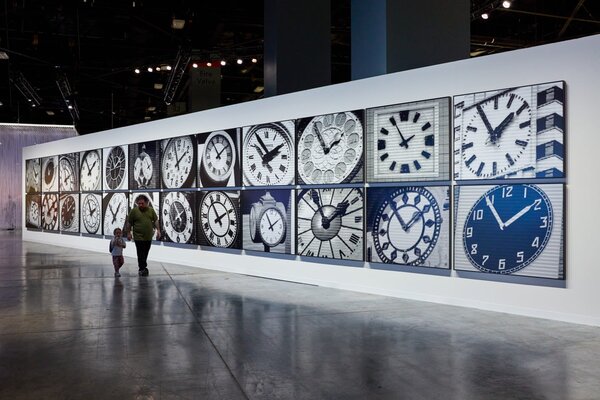
Art Basel itself remained the gravitational core. The fair welcomed approximately 80,000 visitors who explored 283 galleries from 43 countries. Sales were robust—particularly in the $1 million-plus range—signaling renewed confidence after recent market hesitations.
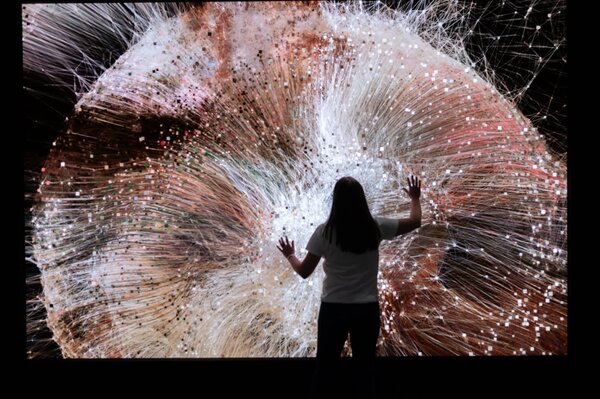
Digital art surged. Alongside Beeple’s sellout, XCOPY’s Coin Laundry drew massive NFT engagement, while Digital Dialogues convened Web3 communities to explore the evolving intersection of art and technology. Traditional crowd favorites such as Meridians and Conversations continued to anchor the fair with monumental works and intimate artist discussions.
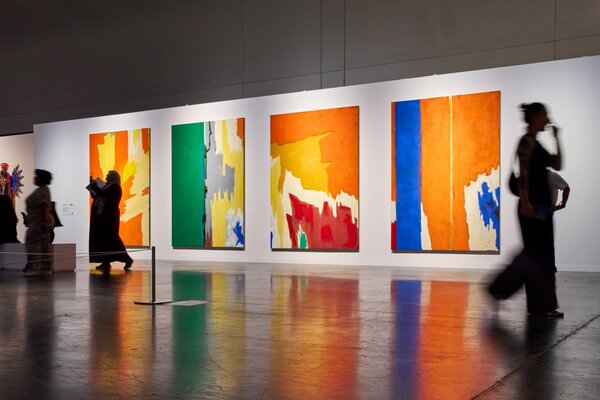
The inaugural Art Basel Awards, presented with BOSS at Frank Gehry’s New World Center, underscored the fair’s expanding cultural reach. Hosted by Swizz Beatz, the evening honored figures including Ibrahim Mahama, Nairy Baghramian, and Icon Artist Gold Award recipient Cecilia Vicuña.
Champagne, Sneakers, and Soft Power
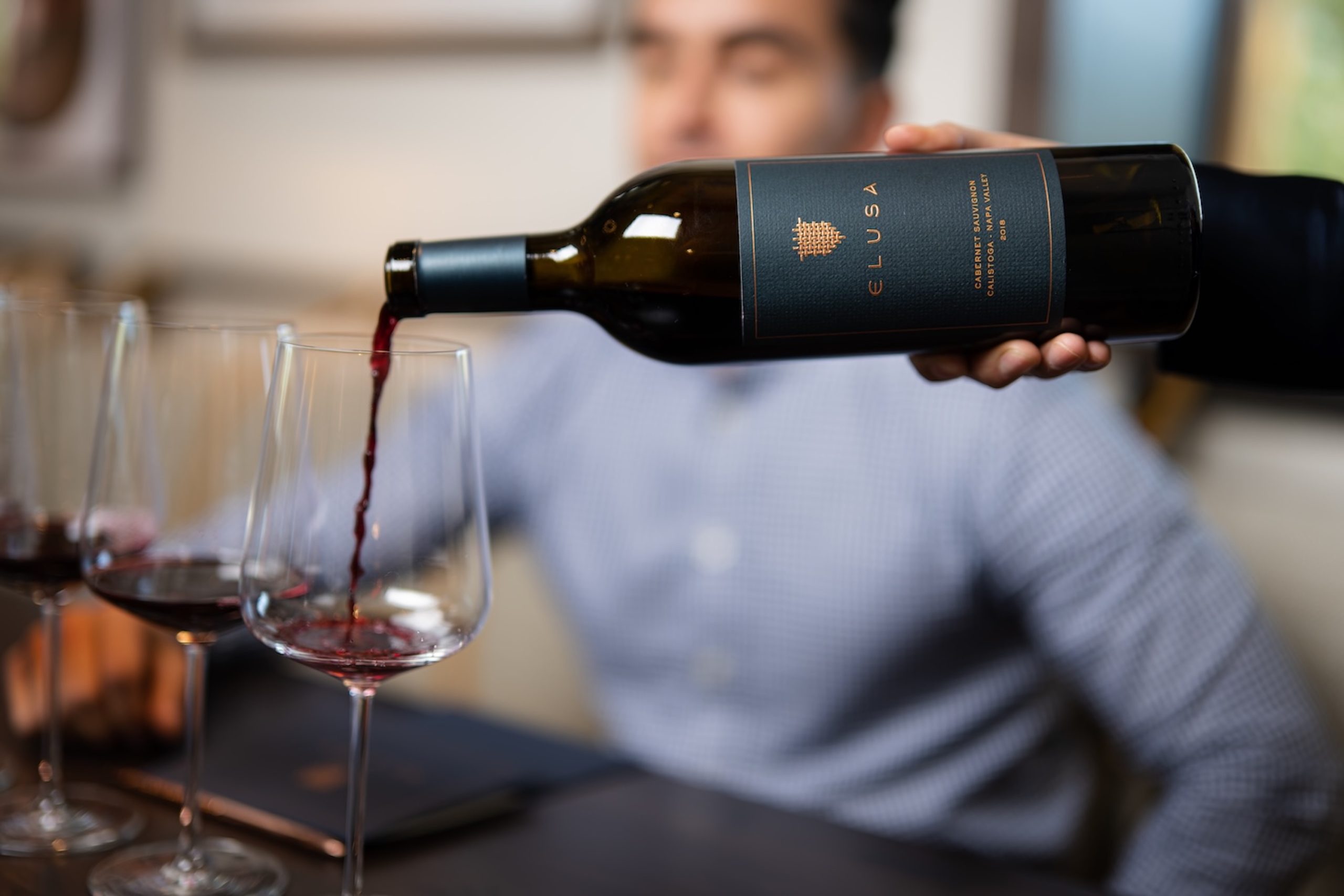
Behind the scenes, the Collectors Lounge remained a sanctuary of discretion, fueled by Ruinart Champagne and Casa Dragones tequila—where artists moonlighted as mixologists. Outside, Marc Jacobs drew daily lines with playful, participatory giveaways, including customizable Converse sneakers celebrating his theme of “Joy.”
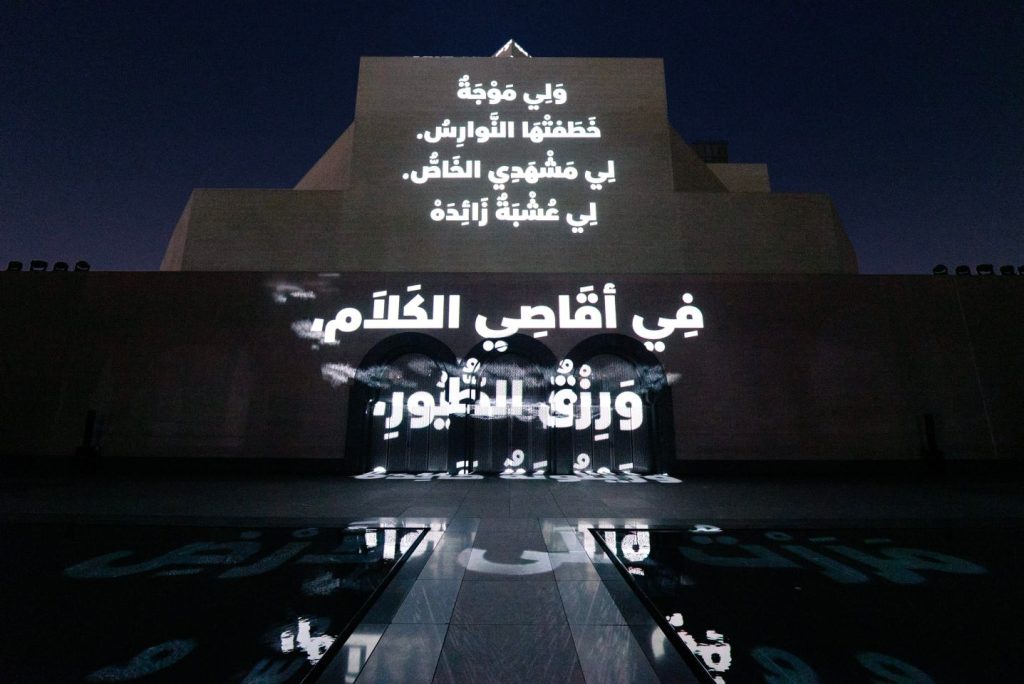
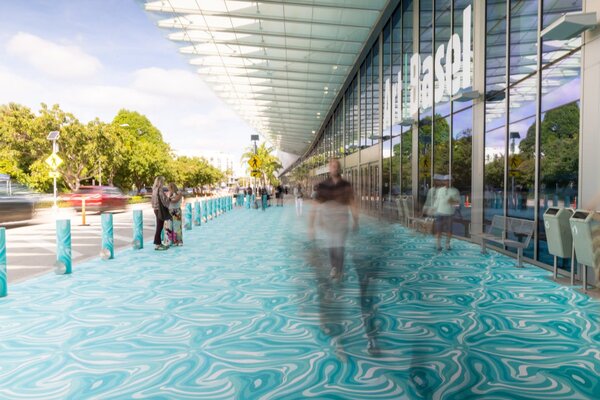
Nearby, the Qatar Creates Lounge previewed cultural hospitality ahead of Art Basel Qatar in 2026, while Pucci’s signature turquoise carpets offered a stylish threshold into the fair. A single day scarcely sufficed to absorb it all.
Design Miami: Fantasy Meets Craft
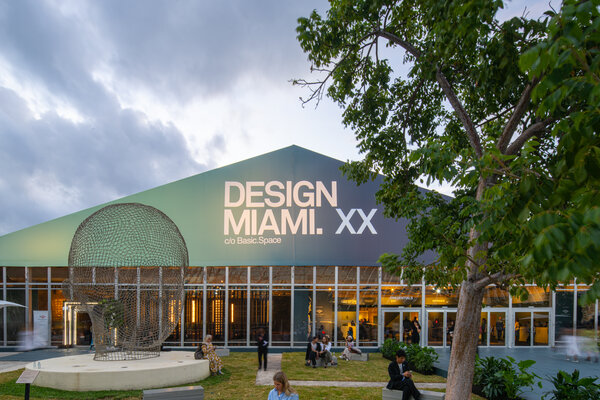
Just steps away, Design Miami celebrated its 20th anniversary under the theme Make.Believe. Eighty exhibitors blurred the boundaries between fantasy, technology, and traditional craftsmanship. Organic forms, tactile materials, and interactive pieces dominated, inviting visitors to sit, touch, and engage.
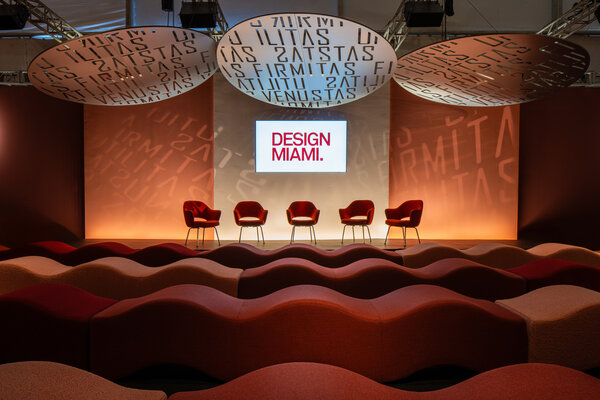
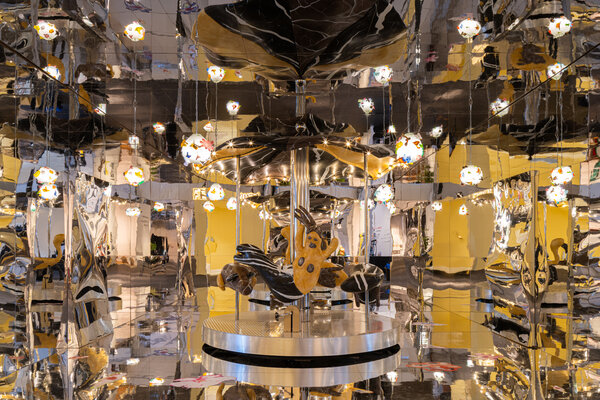
Highlights included Arquitectonica’s Design Talks theater, Katie Stout’s commissioned merry-go-round by the Miami Design District, Kohler’s meditative Underlight, and Technogym’s Design to Move, marking the brand’s 40th anniversary. Perrier-Jouët, as ever, added effervescence.
The Tents & Beyond
The Bass Museum provided a key cultural hub with its ambitious exhibitions amidst the city-wide art extravaganza anchored by Art Basel. Private collections and museums like the Margulies Collection, El Espacio, Rubell Museum, Museum of Graffiti, PAMM and MOCA were enough to keep anyway busy whenever their social schedule had a gap.
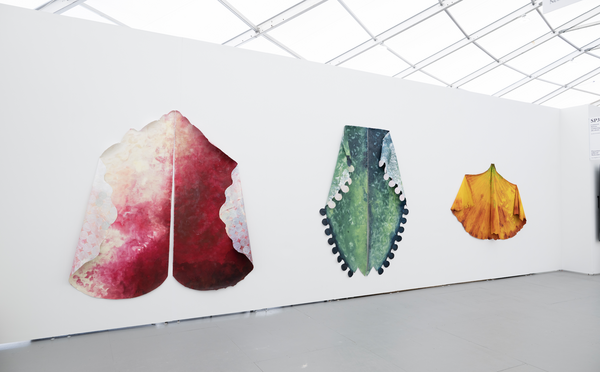
Untitled Art’s sustainability-focused beachfront tent, in its 14th year with 157 international galleries from 29 countries in Miami Beach, provided a sophisticated forward-thinking showcase with new sectors, Artist Spotlight and Nest for emerging artists.
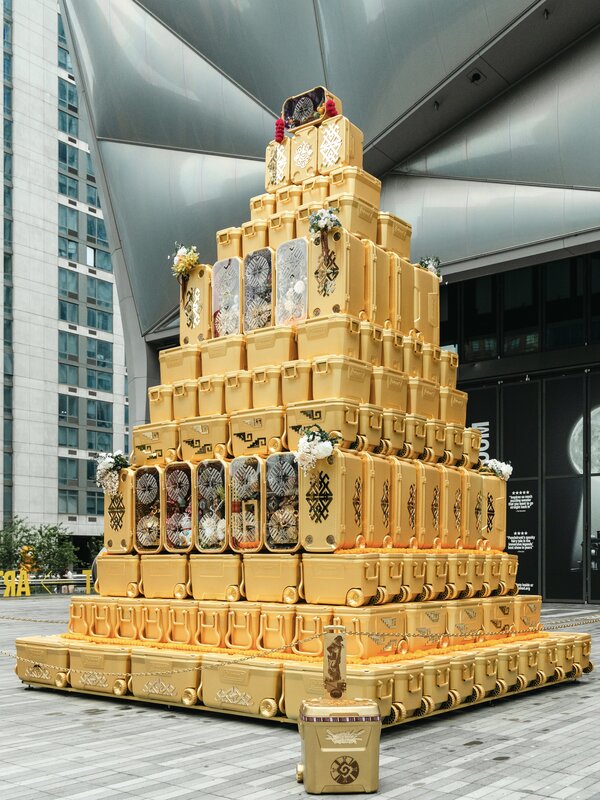
SCOPE’s 24th edition tent with 100 global galleries and neon-infused exuberance included an outdoor spraypainted padel court and Alo wellness sessions on the beach. Offering a healthy escape, the Wellness Oasis at the Miami Seaplane base presented biohacking tricks, cold plunges and saunas for art and party goers to recharge their batteries.
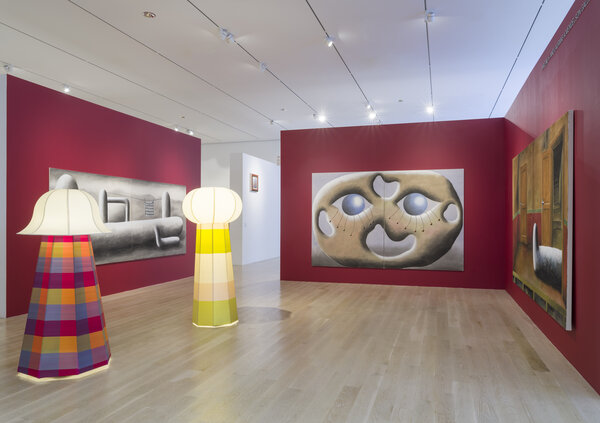
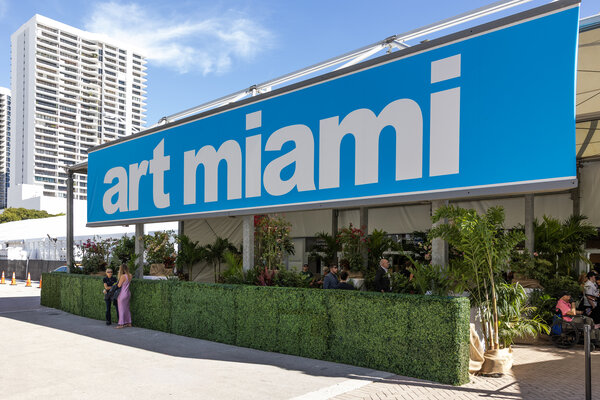
On the mainland, Art Miami and Context tents continued the art fair experiences from 21 countries along Biscayne Bay.
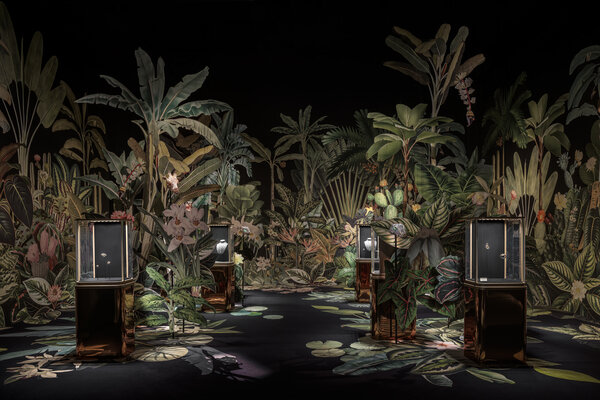
Wynwood buzzed with Red Dot, Spectrum, and the ever-evolving Wynwood Walls, while the Miami Design District offered a more polished counterpoint—home to ICA Miami (Institute of Contemporary Art), Opera Gallery, Galeries Bartoux, and Cartier’s immersive Into the Wild exhibition celebrating the Panthère.
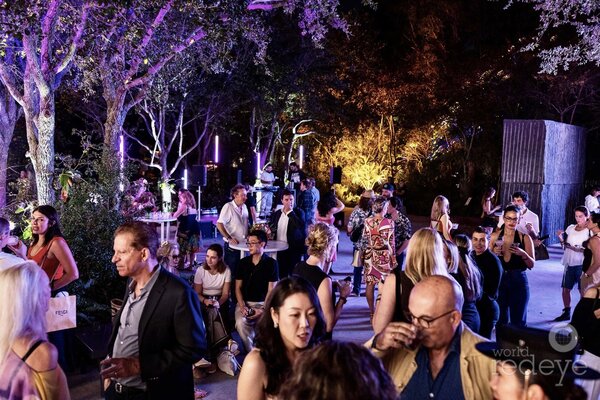
Restaurants, automotive brands, and hotels joined the spectacle. Riviera Dining Group curated art-driven programming across its venues (Claudie with art & photography alongside creative cocktails, Casa Neos with electronic music nights and a collab with St. Tropez’s Shellona Beach Club and Mila’s art activations); Range Rover (Design Miami Dipped in Black), BMW (Art Basel’s Official Car), Alfa Romeo (supercars with Italian photos by Luca Artioli), and Acura (French artist, Dalkafine boldly wrapped SUV) fused design with performance; and hotels from the Sagamore with its Bit Basel Week and Annual art Brunch to The Standard with a whimsical photo booth, Colombian fashion designer, Estaban popup and new Moooi designed suites: all transformed into cultural hubs.
The Final Question
During Miami Art Week, every brand wants access to collectors’ attention—and wallets. Art, design, fashion, jewelry, real estate, spirits, hospitality, and music converge in a dazzling commercial symphony.
So, is Miami Art Week still about art—or has it become the ultimate luxury marketplace disguised as culture?
Judging by the crowds, the sales, and the spectacle, consumerism isn’t just alive and well in America—it’s having its most artistic moment yet, under the Miami sun.
Looking Forward to Art Basel Qatar 2026
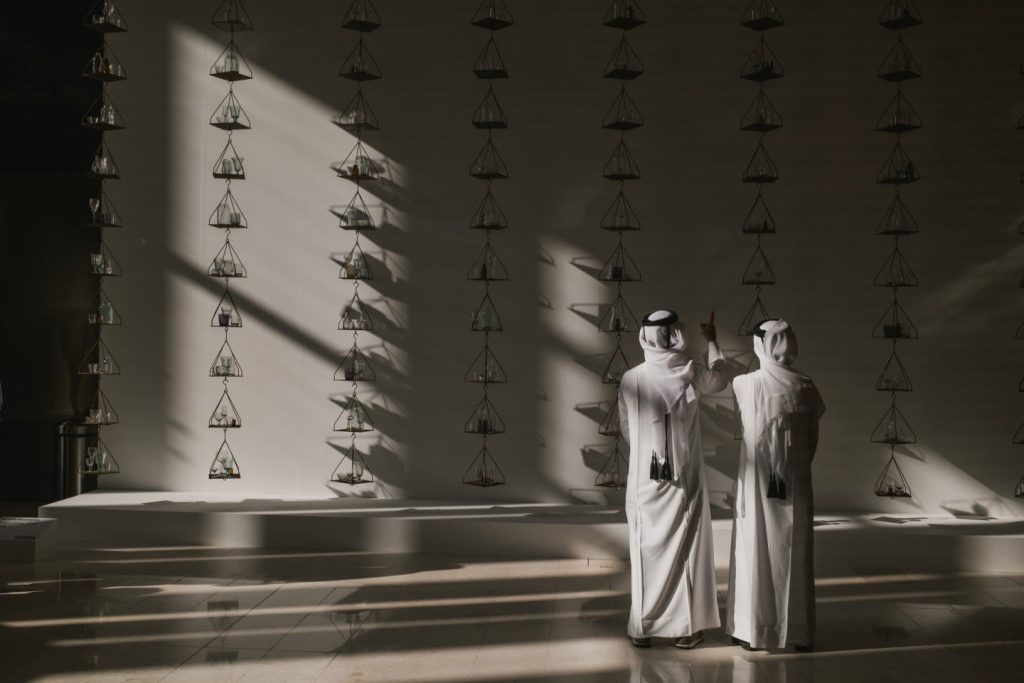
Art Basel is spreading its footprint to a new destination, Doha, Qatar adding to its existing lineup of fairs in Basel, Miami Beach, Hong Kong and Paris. February 2026 marks the inaugural year for Art Basel Qatar. It’s debuting as a concisely curated showcase with only one featured artist per gallery. The art fair celebrates Qatar’s vibrant cultural landscape and the dynamic arts ecosystem of the MENA region. The inaugural edition venues are M7, a creative hub in the heart of Doha, as well as at the Doha Design District in downtown Msheireb. Art Basel Qatar marks an important milestone in Doha’s evolution as a global cultural destination.