
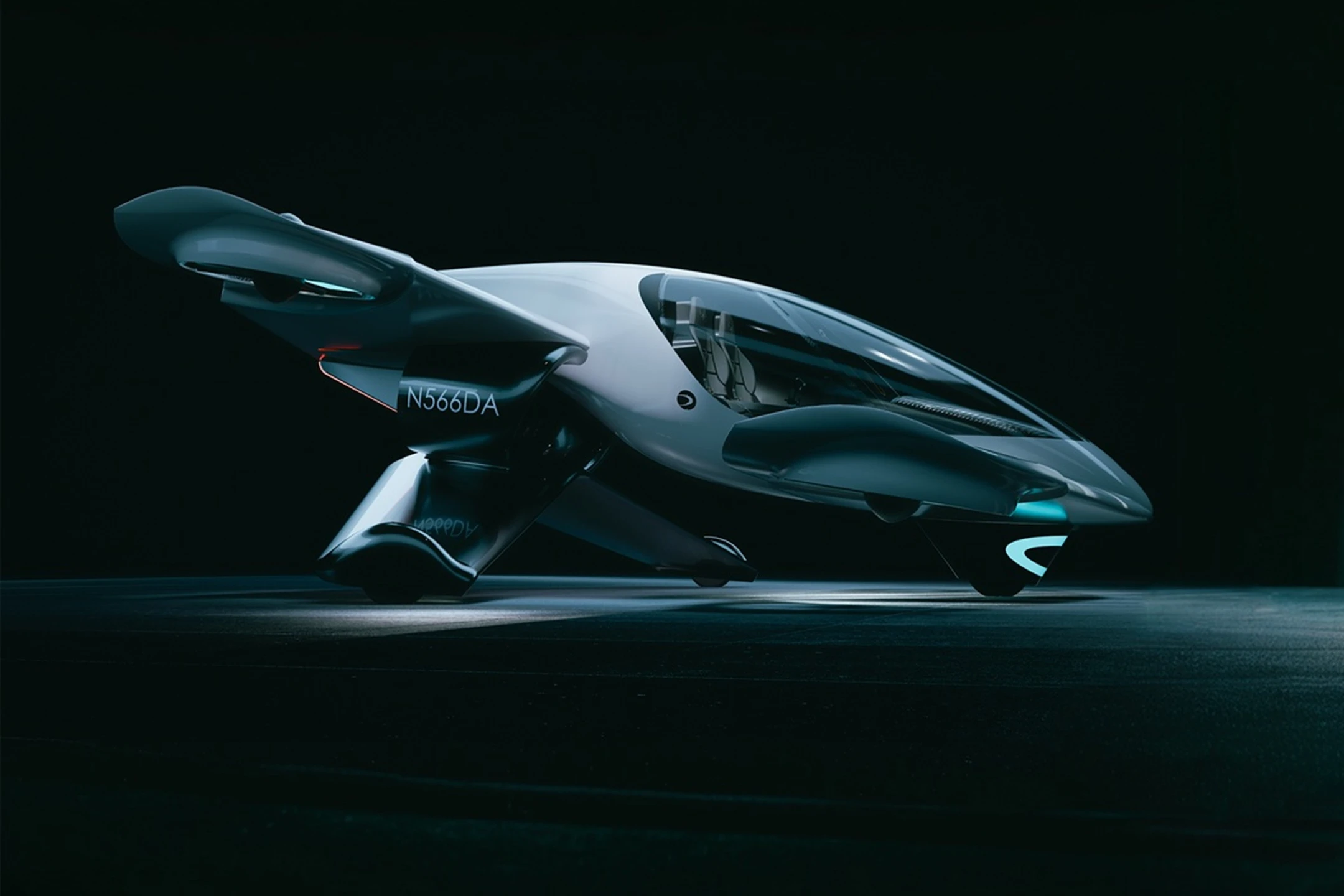
The flying car has long been one of technology’s favorite promises. Yet while commercial air taxis have dominated much of the conversation around next-generation transportation, another possibility is quietly taking shape: aircraft designed not for fleets, but for individual owners.
Doroni Aerospace has been pursuing this space since its founding in 2016. Nearly a decade of research and development has gone into creating what the company believes could become a practical form of personal electric flight: the H1-X, a two-seat electric vertical takeoff and landing aircraft designed to bring the convenience of everyday transportation into the sky.
Beyond the Flying Car Fantasy
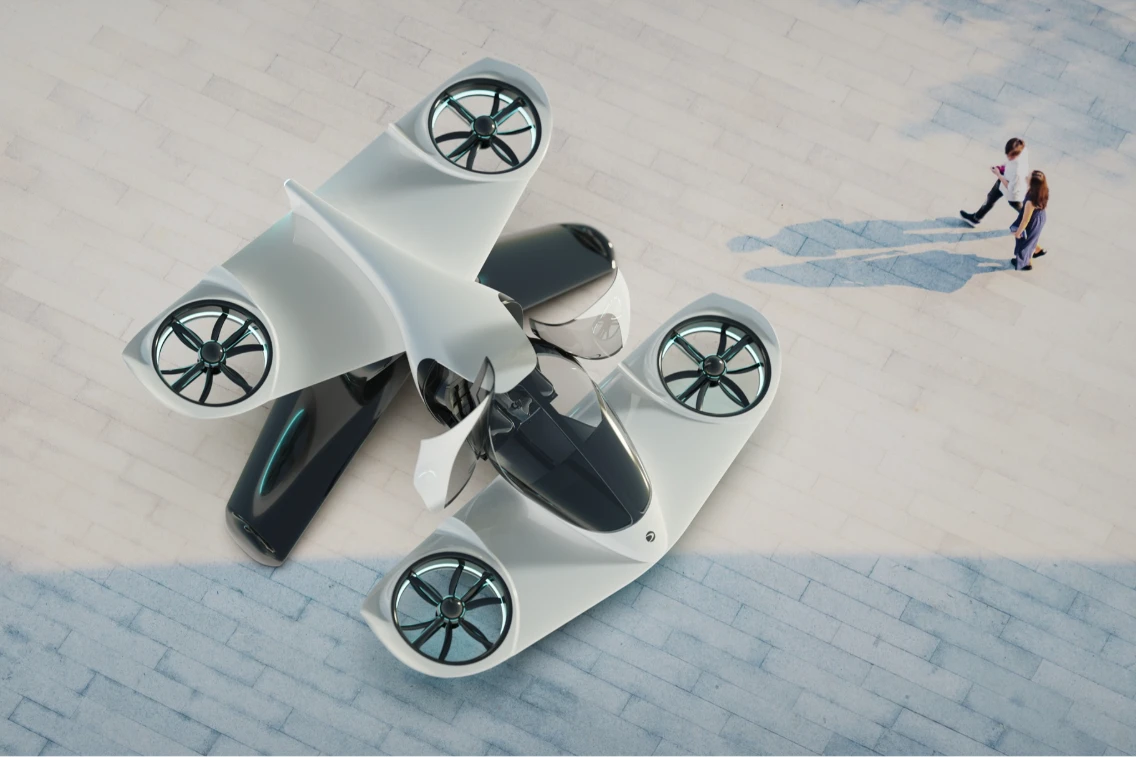
An eVTOL, or electric vertical takeoff and landing aircraft, uses electric motors and batteries to take off and land without a runway. Unlike conventional light aircraft, it can operate from relatively compact spaces, while distributed electric propulsion replaces the mechanical complexity of a traditional helicopter’s main rotor. For Doroni, that technology makes ownership practical.
The company’s development process has included multiple generations of prototypes, including the H1-P1, which completed testing in 2023, flew indoors, and received an FAA Special Airworthiness Certificate. Doroni says it has since completed more than 70 test flights, building the technical foundation for its production-intent H1-X.
The timing is significant. In 2025, the FAA finalized its MOSAIC rule, expanding the Light-Sport Aircraft category and creating a clearer certification pathway for smaller aircraft. Doroni has designed the H1-X around this framework, targeting a pathway that could make personal eVTOL ownership considerably more accessible than traditional aviation.
Meet the H1-X
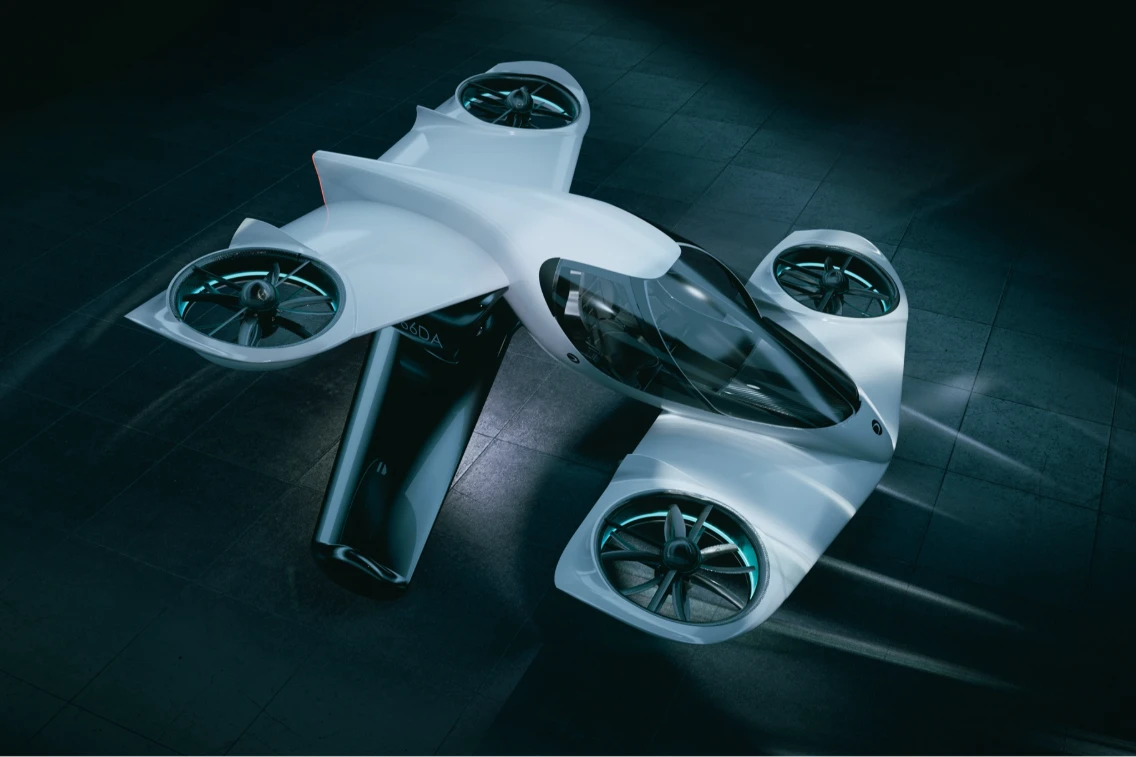
The H1-X takes a distinctly different approach to personal flight. Its clean-sheet design incorporates eight vertical ducted fans for lift and control and two horizontal ducted fans for forward thrust, all powered by a 110 kWh battery system.
The aircraft is also designed around the realities of ownership. It is intended to fit inside a standard two-car garage, while its compact dimensions allow it to fit within a standard 20-foot shipping container. An electric taxiing system lets owners move the aircraft on the ground without engaging the primary lift fans.
Its enclosed ducted fans are another important distinction. Beyond contributing to the aircraft’s aerodynamic design, the enclosed configuration is intended to reduce noise and protect the rotating components, supporting Doroni’s vision of a more neighborhood-friendly aircraft.
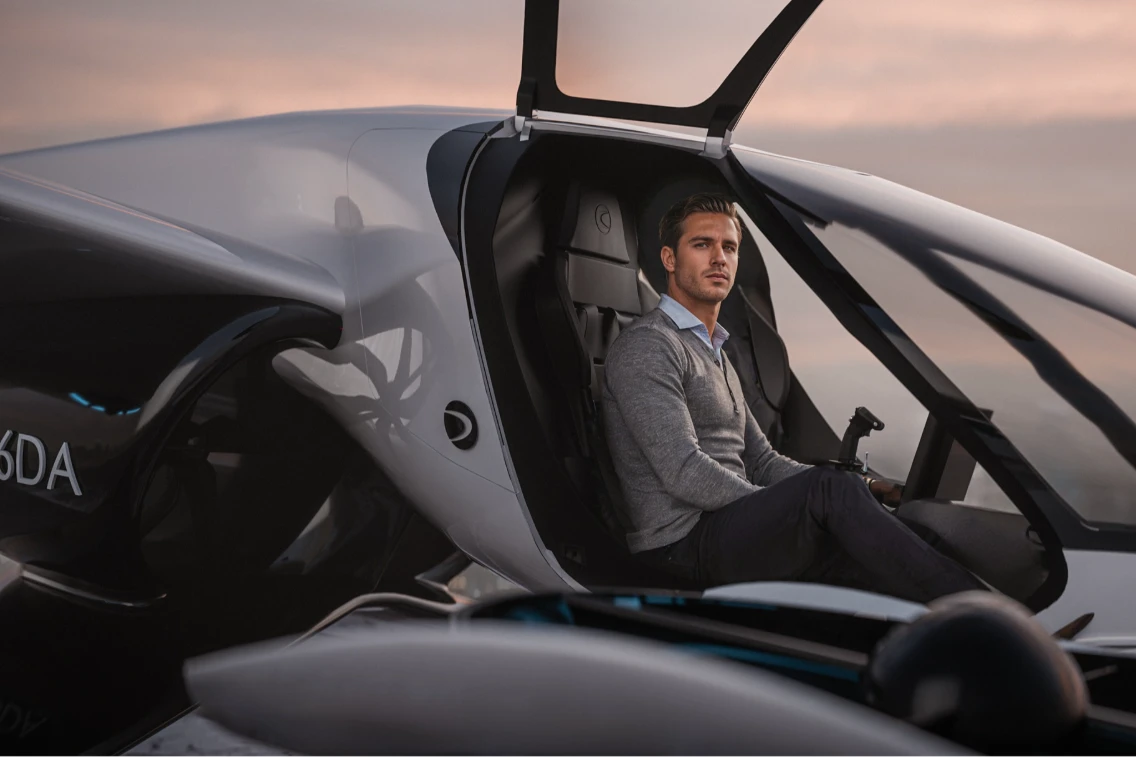
Then there’s SOUL.AI, Doroni’s intelligent flight interface. Rather than flooding pilots with conventional numerical information, the system communicates through intuitive visual cues while providing intelligent geofencing and simplified joystick and voice controls.
Safety is equally central to the H1-X. Redundant propulsion, a segmented battery architecture, intelligent fault management, fly-by-wire controls, and a ballistic parachute create multiple layers of protection.
Doroni is now working toward FAA certification and plans to begin initial U.S. production before targeted customer deliveries in 2028. With hundreds of expressions of interest already recorded, the company is betting that the next chapter of aviation may not belong exclusively to airlines, airports, or air taxi networks. It may belong to the individual owner who wants to take to the sky.

For those interested in the business behind the technology, Doroni is also opening its growth story to investors. The company has raised $10.5 million from more than 3,800 investors and continues to build its development and production program as it works toward FAA certification. With more than 600 expressions of interest representing over $175 million in potential revenue, Doroni is positioning the H1-X within an emerging personal aviation market that could reshape how people think about private transportation. For those who want to learn more about the opportunity, Doroni offers additional information through its investor platform.