California wine country defies easy summary. With nearly 5,000 wineries spread across 154 distinct American Viticultural Areas, the state is an entire vinous world unto itself. The choices could occupy a devoted enthusiast for a lifetime, and still leave discoveries on the table. To distill my favorite wine tasting experiences to ten is, admittedly, a challenge
But I’ll attempt. These wine tastings take place at the wineries themselves. (It’s worth noting that there are countless wonderful tasting rooms throughout the state that operate separately from their actual wineries.) For these purposes, I’m sticking to those places where the wines can be enjoyed at their source. These are not necessarily the most famous names or the priciest labels, though some qualify on both counts. Yet, these are the experiences that have stayed with me long after the last sip was poured, and where the wines, the land they came from, and the hospitality conspired to create something memorable. Consider this a starting point, not a definitive word. For every winery named here, there are so many more worthy of your time and your palate.
So pour yourself something you love, and let’s begin, in no particular order.
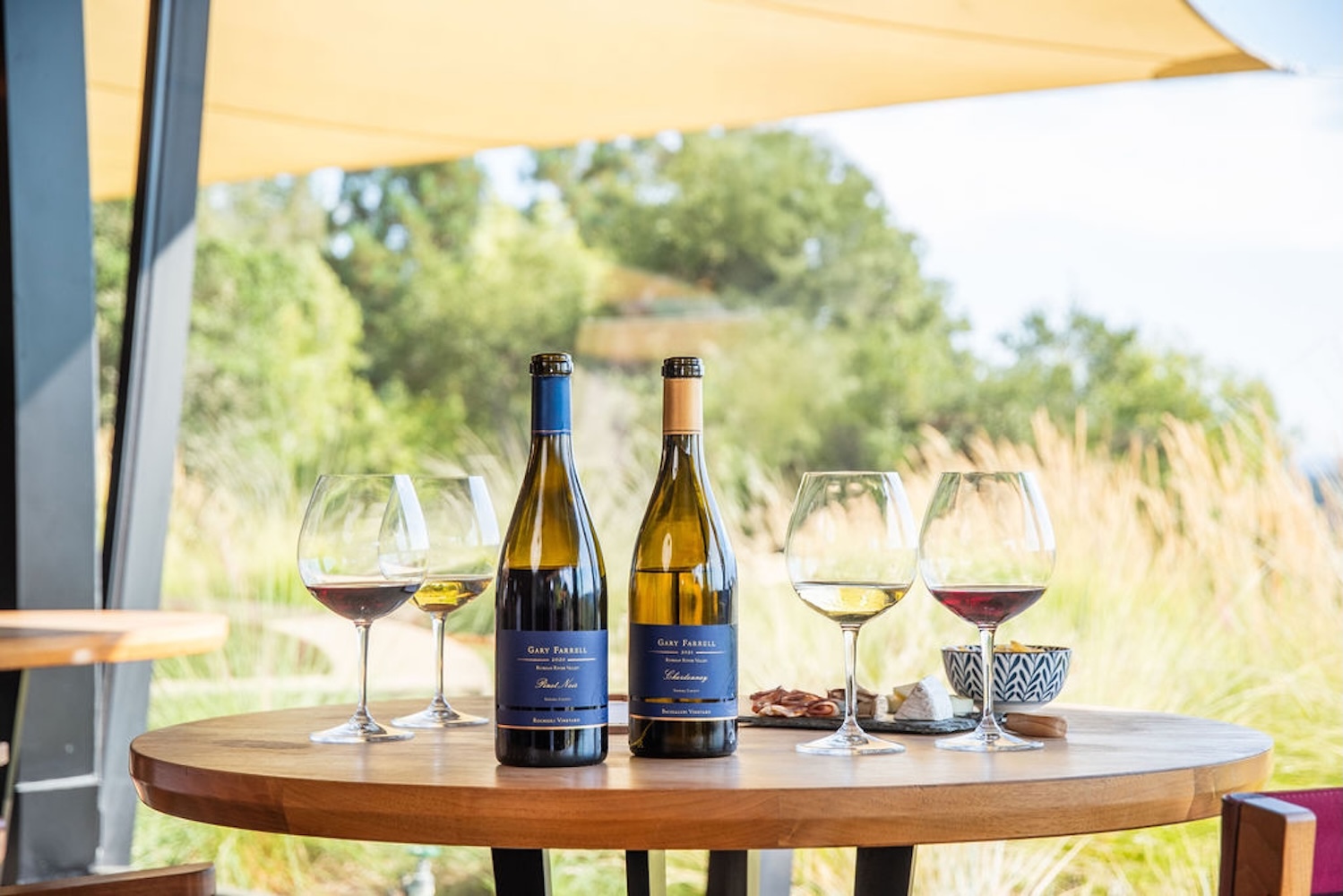
Gary Farrell Winery
I first discovered Gary Farrell Winery well more than a decade ago, when its Pinot Noirs and Chardonnays helped shape my understanding of what Sonoma County could produce. The tasting experience here is relaxed, and deeply rooted in the Russian River Valley. Reaching the winery involves a winding drive through the Green Valley hills west of Healdsburg, ending at a hilltop tasting salon with sweeping views across vineyards, forests, and the fog-cooled valley below.
Guests are seated beside expansive windows and open-air terraces as the tasting unfolds at an easy pace, often with hawks gliding overhead and rows of vines stretching toward the horizon. The hospitality team guides each tasting with warmth and knowledge, focusing on vineyard character rather than scripted talking points. That philosophy becomes especially clear in expressive wines made by longtime winemaker Brent McKoy, sourced from celebrated sites like Rochioli, Gap’s Crown, Bacigalupi, and Hallberg. Here, the setting, the wines, and the hospitality all move in sync.
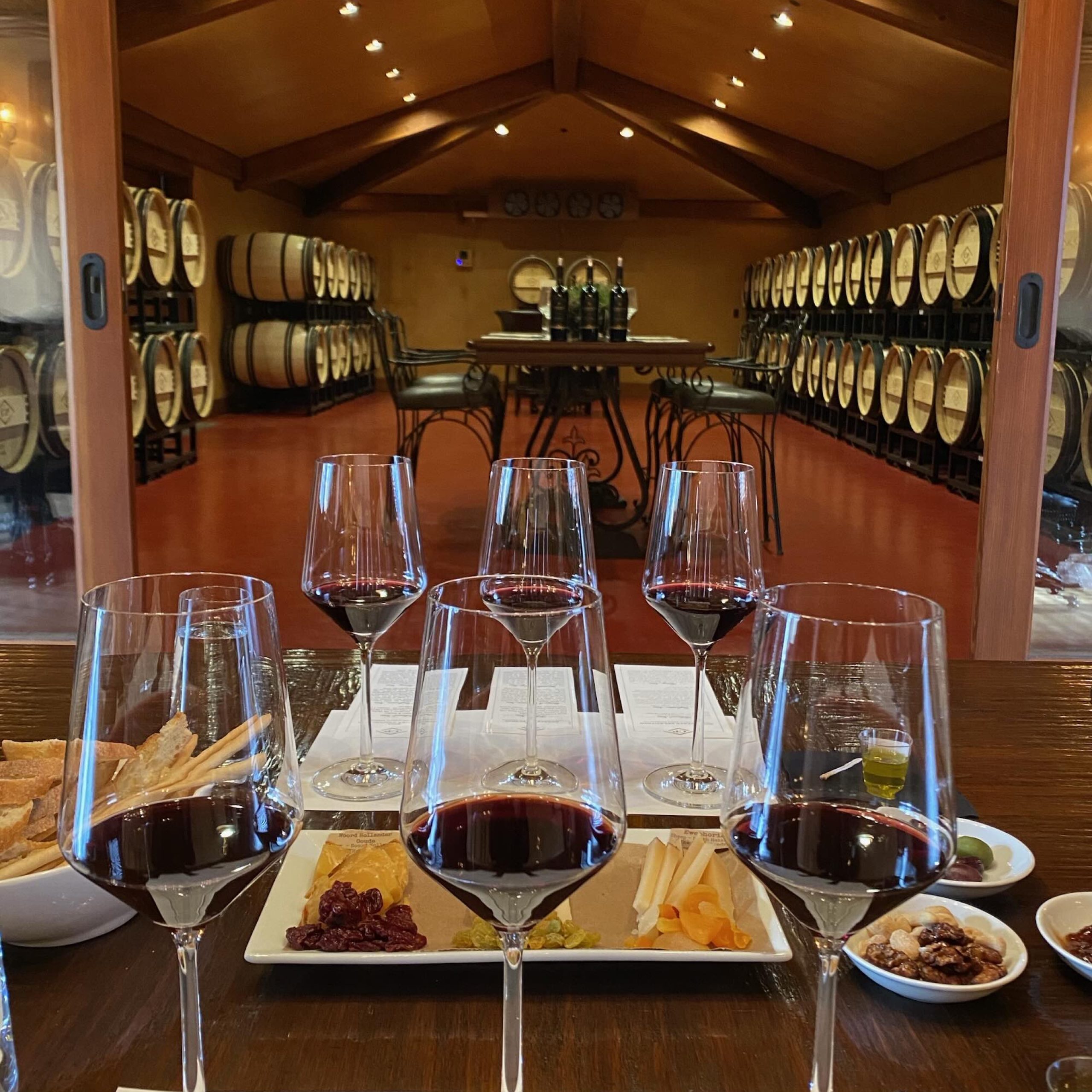
Crown Point Vineyards
For anyone convinced that great Cabernet Sauvignon begins and ends in the Napa Valley, Crown Point Vineyards delivers a persuasive alternative. Located in Santa Ynez Valley’s Happy Canyon AVA, the estate is a serious destination for Bordeaux varieties.
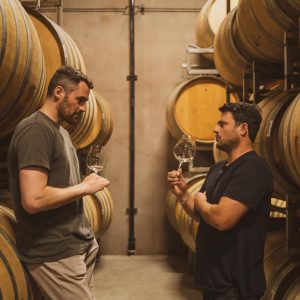
Visits begin with a drive up to the estate vineyards, where rolling hills, oak trees, and rugged canyon terrain reveal why this warmer pocket of Santa Barbara County has become so compelling for Cabernet Sauvignon. Guests are often invited aboard a Jeep-style vineyard tour that climbs toward elevated vineyard blocks with sweeping views across Happy Canyon and the surrounding mountains. The tour continues inside the winery’s barrel room, among rows of French oak barrels. Crown Point’s Cabernet-based wines take center stage; they are layered and refined, with dark fruit, graphite, and savory complexity that evolve beautifully in the glass. Pair your tasting with artisan cheeses, estate olive oil, fresh bread, and seasonal accompaniments.
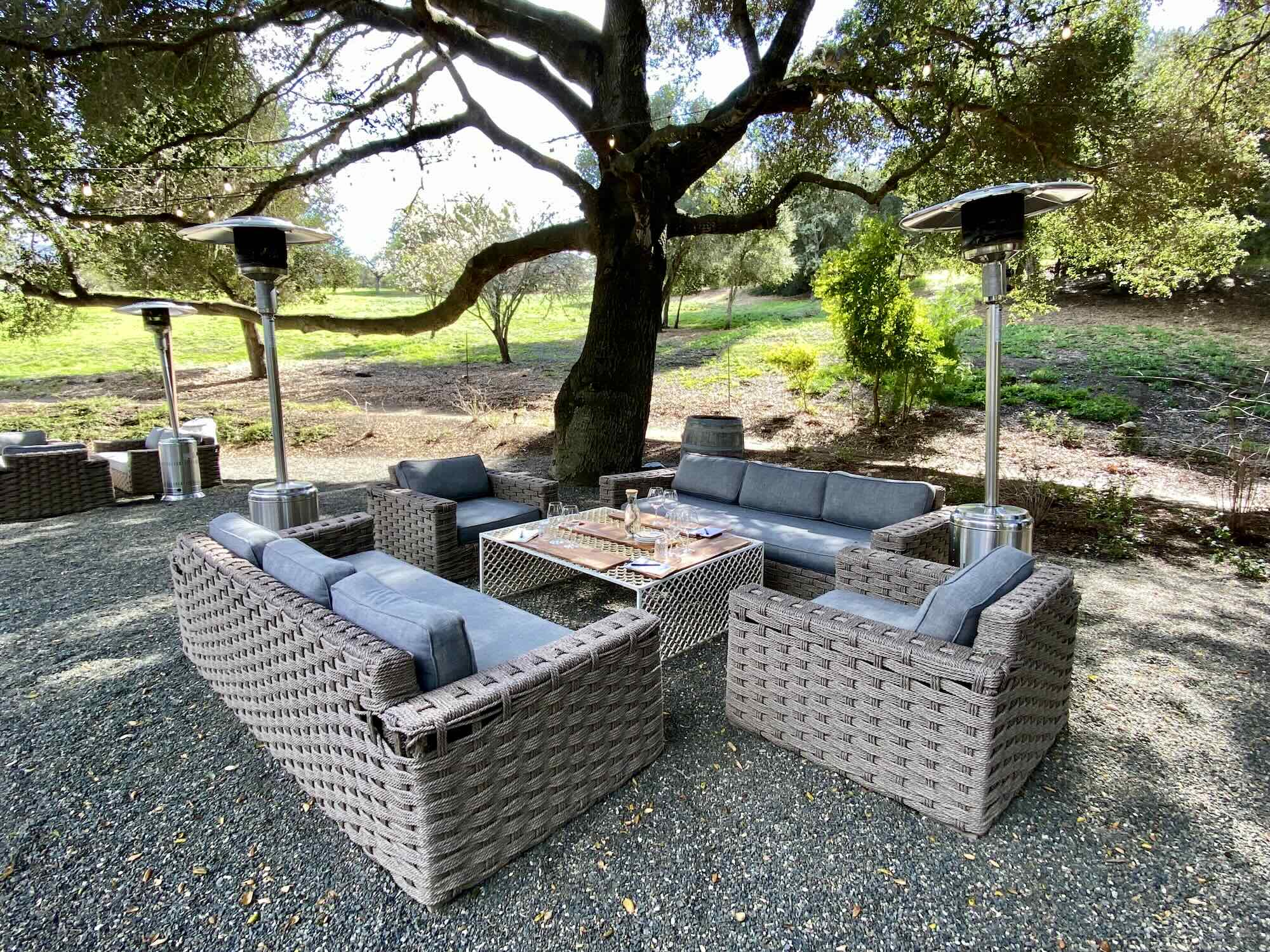
Alma Rosa Winery & Vineyards
Alma Rosa Winery makes my list because the estate experience places you directly inside the landscape that defines Sta. Rita Hills wine. Set across 628 hillside acres in the western Santa Ynez Valley, the property unfolds among vineyard-covered slopes and dramatic ridgelines shaped by cool Pacific winds that funnel inland each afternoon.
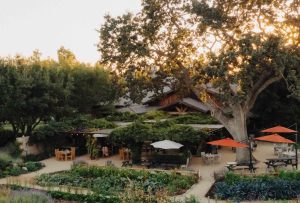
You’ll move through the vineyards and production spaces before settling into cozy seating areas under majestic oaks. Under the direction of Bosnian-born winemaker Samra Morris, the wines are a lovely expression of Sta. Rita Hills, particularly the Chardonnays and Pinot Noirs, which balance bright acidity, mineral tension, and layered coastal fruit. The sparkling wines are especially compelling. What makes the winery memorable is how seamlessly the environment and tasting experience align. You leave with a far deeper understanding of this iconic AVA than a tasting flight alone could ever provide. For those seeking a more casual introduction, Alma Rosa also operates a lively downtown Solvang tasting room with a large outdoor patio.
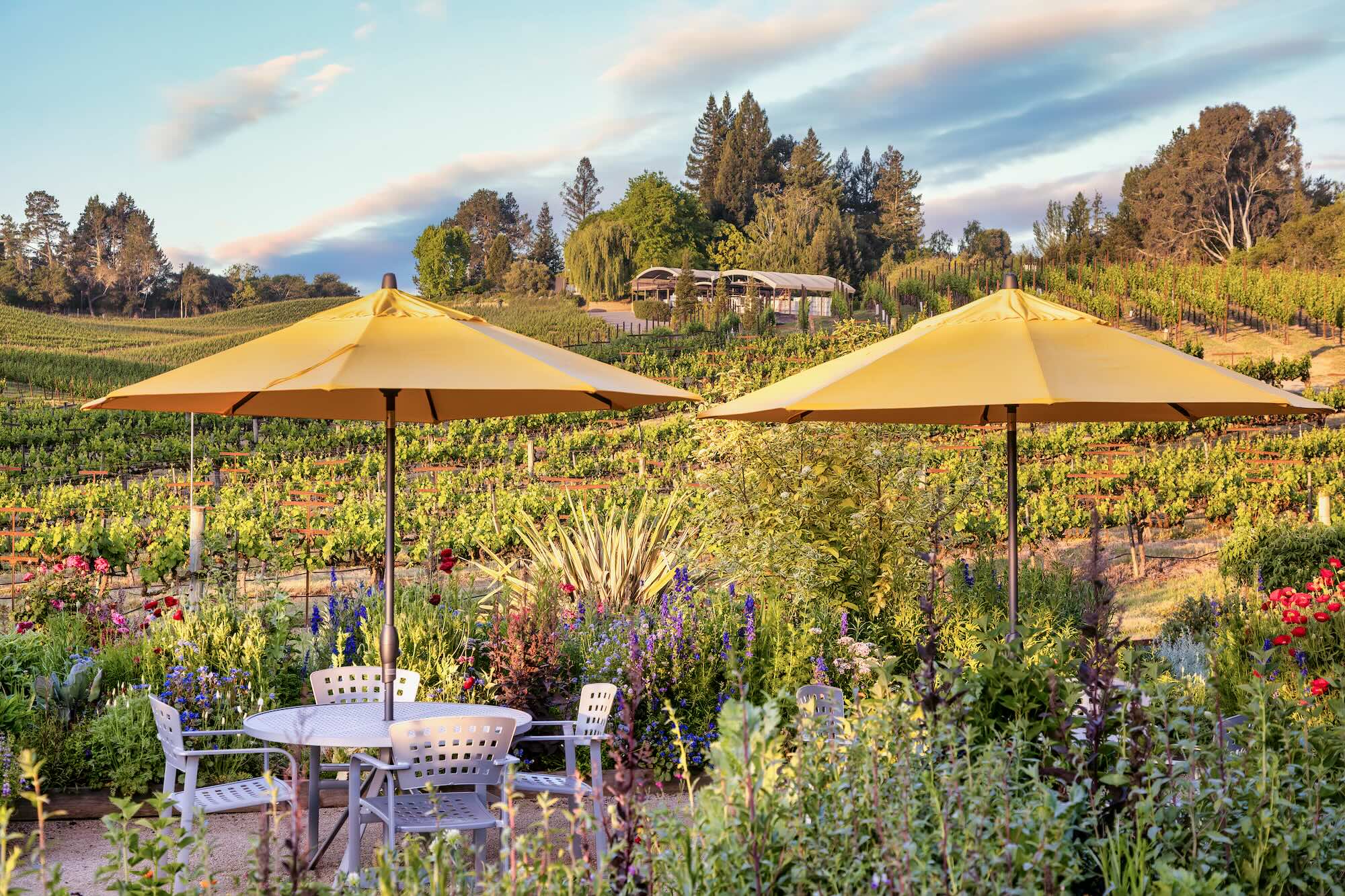
Lynmar Estate
Lynmar Estate traces its roots to 1980, when Lynn Fritz purchased Russian River Valley’s Quail Hill Ranch as a retreat from corporate life, eventually assembling a 100-acre property across four distinct vineyard sites. Situated just 12 miles from the Pacific Ocean, warm days and cool evenings create ideal conditions for Pinot Noir and Chardonnay. The estate is certified sustainable, carbon negative, and powered by solar.
The signature experience is the Collectors Lunch, a multi-course meal, seasonally paired to their ultra-premium wines, with a tableside visit from the chef. Ingredients come from the estate’s own gardens, designed both to supply the culinary program and to protect the vines naturally. And bonus: There’s no need to drive home. Book the on-property Bliss House that sits within the vines. It has a full gourmet kitchen and views over the Quail Hill Vineyard. Pour something from the cellar, cook a real meal, and spend the evening arguing about whether the Pinot or the Chardonnay won the day.
Roblar Winery & Vineyards
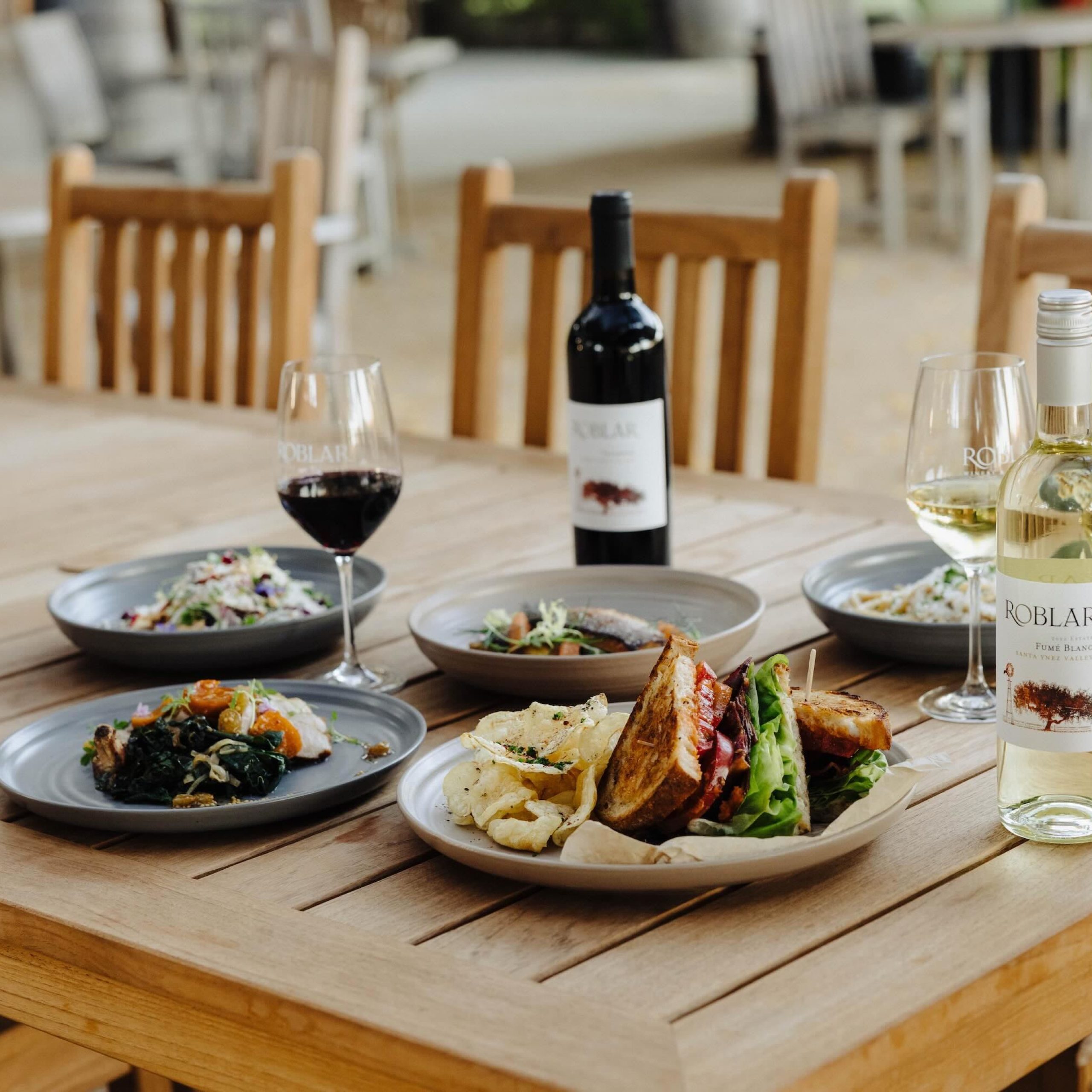
Roblar Winery delivers far more than a traditional tasting. Set among vineyards, grazing land, and towering valley oaks in the Santa Ynez Valley, the estate captures the relaxed yet increasingly sophisticated spirit of Santa Barbara wine country.
The experience here stretches beyond the glass. Under its Gleason family direction, Roblar has evolved into a destination where wine, food, and farming work together seamlessly. Tastings often unfold into long lunches underneath a canopy of trees, with vineyard views, and a pace that encourages guests to settle in for the afternoon. Estate Cabernet Sauvignon, Cabernet Franc, and Merlot thrive in the valley’s warm days and cool evenings, while winemaker Max Marshak also crafts elegant Sta. Rita Hills Pinot Noir and Chardonnay. The culinary program is excellent. Produce from the estate Chef’s Garden shapes seasonal menus created by Executive Chef Terri Buzzard, with dishes that move far beyond expected winery bites. What makes Roblar memorable is how complete the experience feels. You arrive for a tasting and often end up spending the entire afternoon immersed in the rhythms of beautiful Santa Ynez Valley wine country.

Opus One Winery
What earns Opus One a place on my list is the completeness of the experience. Architecture, art, hospitality, cuisine, and wine all converge in lovely harmony. It was founded through a legendary partnership between Robert Mondavi and Baron Philippe de Rothschild, and conceived as a union of Napa innovation and Bordeaux tradition.
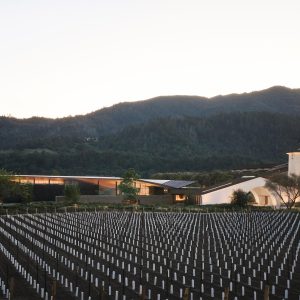
Along Highway 29 in Oakville, the impressive limestone winery rises from the vineyards, its curved architecture integrated with the landscape. Inside, the atmosphere is serene and meticulous, with art, natural light, and vineyard views. Appointments are limited, and tasting experiences are personal. You’ll move through elegant salons, private rooms, and rooftop terraces overlooking the valley, often accompanied by curated culinary elements that highlight the wines. The more immersive experiences include library vintages of Opus One poured alongside beautifully plated seasonal cuisine, allowing guests to explore how individual vintages evolve while maintaining the estate’s unmistakable signature. Under the direction of longtime winemaker Michael Silacci, the wines are sublime. Cabernet Sauvignon anchors the blend, though Opus One intentionally identifies simply as a red wine, allowing each vintage to dictate its final composition naturally.
Antinori Napa Valley
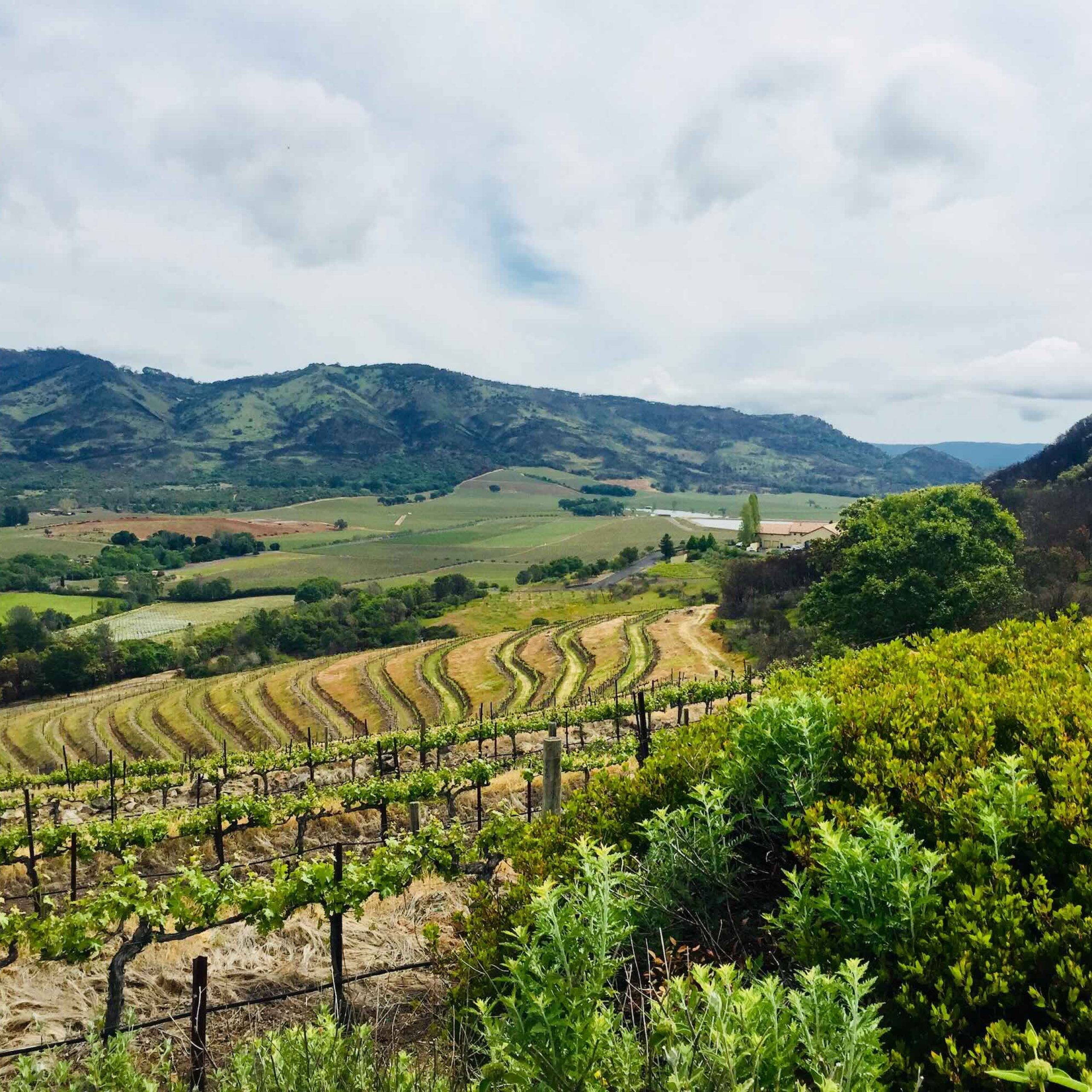
Owned by the legendary Antinori family, whose winemaking roots trace to 1385 in Florence, Italy, this winery connects Napa Valley directly to one of the world’s most influential wine dynasties. This is the same family behind iconic Italian wines including Tignanello and Solaia, bottles that helped reshape modern Italian wine.
Few winery visits carry as much history in the glass. The estate sits high on Atlas Peak, where steep, rocky vineyards unfold across 600 mountain acres with sweeping views strikingly reminiscent of Tuscany. Founded by Piero Antinori in 1985, long before mountain vineyards became fashionable in Napa, Antinori Napa Valley reflects the instinct and long-term thinking that has defined 27 generations of Antinori winemaking. The Estate Experience brings that legacy into focus through cave tours, family history, and private tastings of limited-production wines paired with light bites. The pace is relaxed; if weather permits, you’ll be outdoors overlooking the vineyards, with estate Cabernet Sauvignon and Chardonnay leading the lineup. What makes a tasting here memorable is the sense of continuity; you’re literally stepping into the world of one of wine’s greatest families.
Skipstone
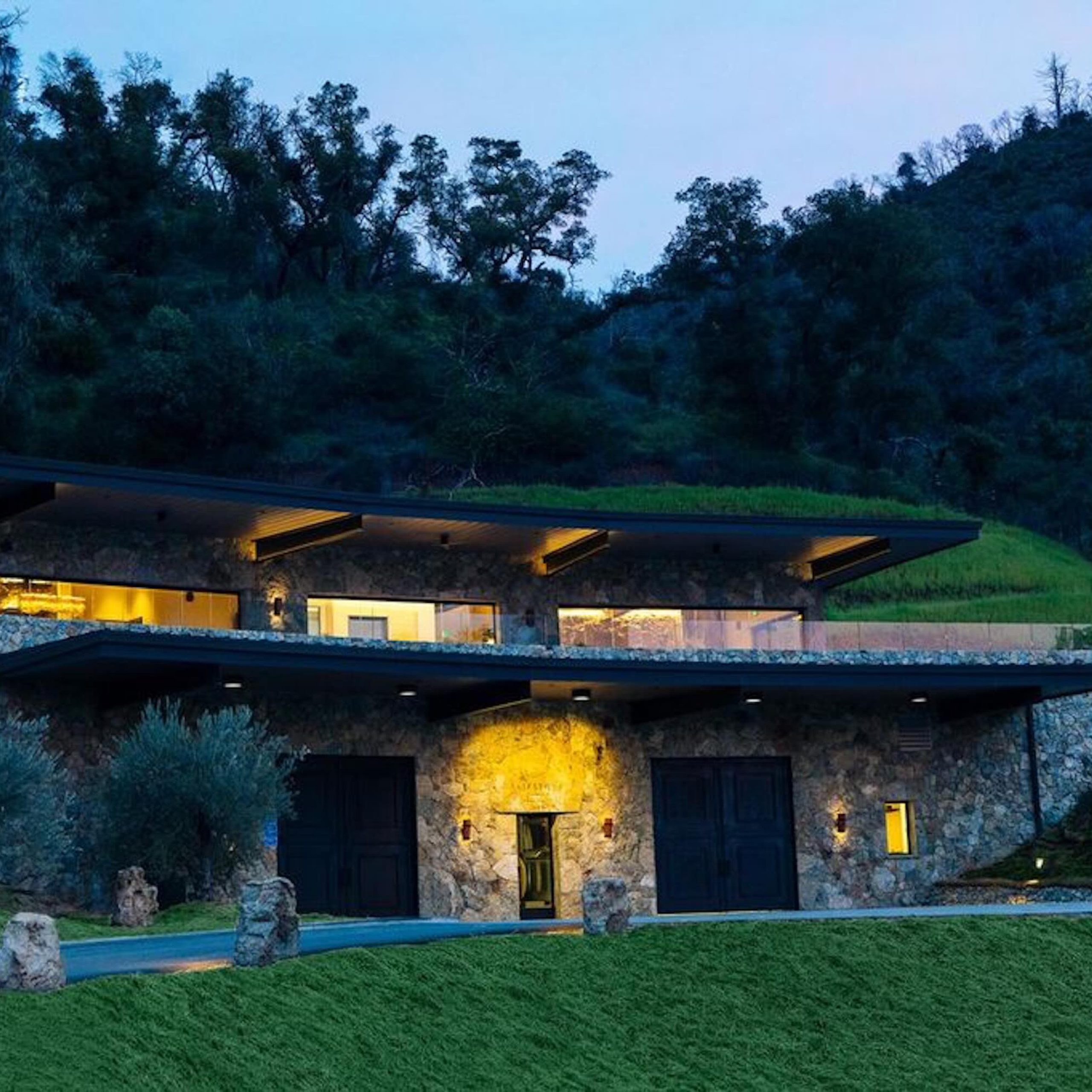
I love Skipstone because if offers total immersion within a living estate shaped entirely around sustainability and site expression. Hidden within the western hills of Alexander Valley, the 200-acre property is remarkably private, with vineyards unfolding across an amphitheater-like landscape framed by the Mayacamas foothills. Founded by proprietor Fahri Diner, Skipstone has farmed organically since 2008, making it one of Alexander Valley’s earliest certified organic estates.
Visits are appointment-only and limited to small groups. Choose from three different experiences, each of which delves successively deeper into the wines. Guests begin at the estate’s striking new winery, where reclaimed wood, estate-harvested stone, and expansive glass walls create a setting that’s deeply connected to the surrounding vineyard. The design reveals the winemaking process itself, from fermentation spaces below to wraparound terraces overlooking the vines.
Sullivan Rutherford Estate
Napa Valley’s Sullivan Rutherford Estate property is beautiful, with garden courtyards, ponds, and classic Napa scenery that create a bucolic atmosphere.
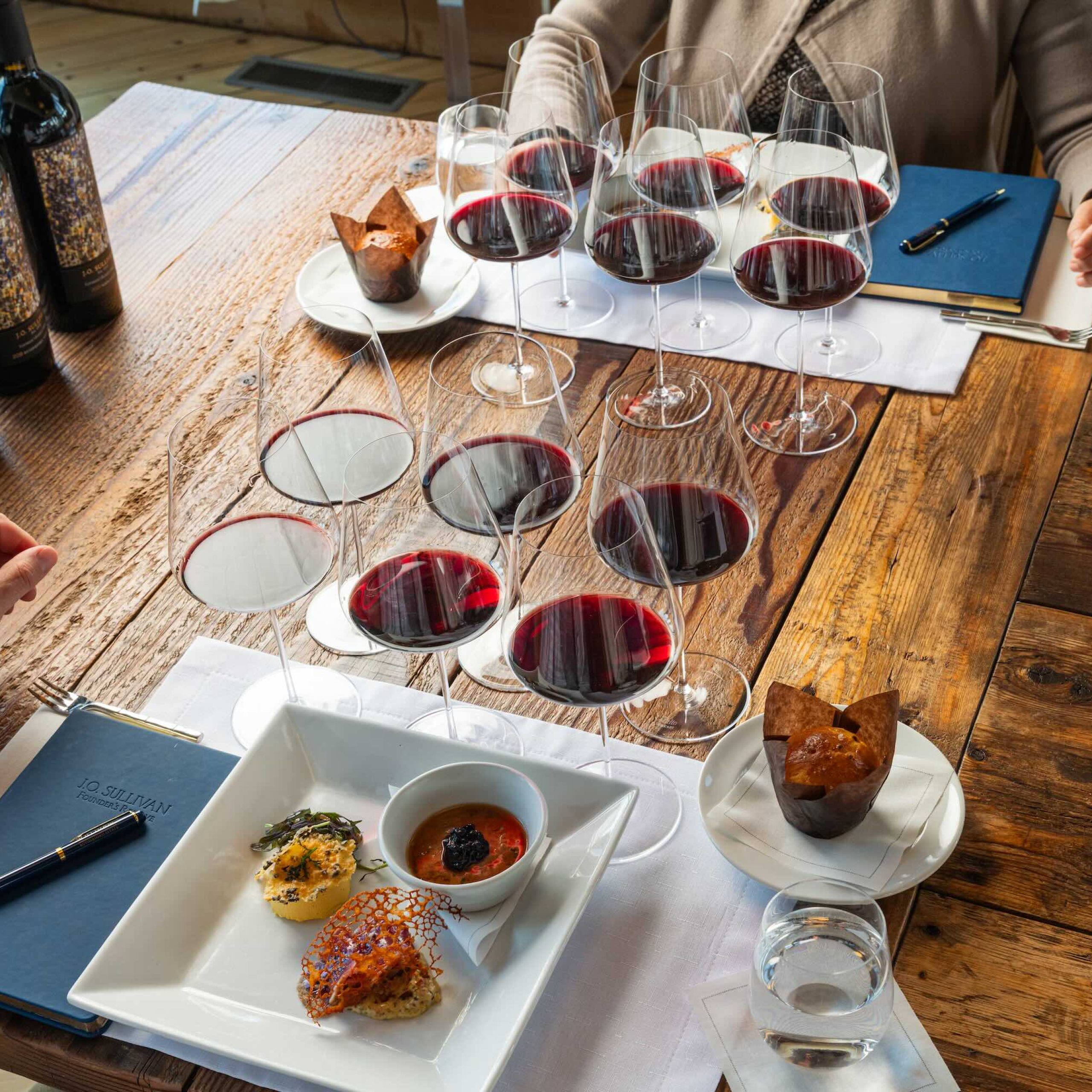
Founded in 1972, Sullivan has long been known for Cabernet Sauvignon and Merlot grown in Rutherford’s prized gravelly soils. What makes the winery particularly interesting today is its continued devotion to Merlot at a time when many Napa producers have shifted their attention elsewhere. Current owner Juan-Pablo Torres-Padilla brings an approachable charm to the estate and has invested heavily in both the vineyards and the winery’s future, including a major new winery project scheduled for completion in 2027. The standout experience is Sullivan’s Merlot Mastery tasting, an immersive two-hour exploration led by winemaker Jeff Cole. Guests taste benchmark Merlots from Napa Valley, Bordeaux, and Bolgheri in a comparative blind format before moving into a vertical tasting of Sullivan’s Founder’s Reserve Merlot paired with curated dishes by Chef Jim Leiken. Yum.
JUSTIN Vineyards & Winery
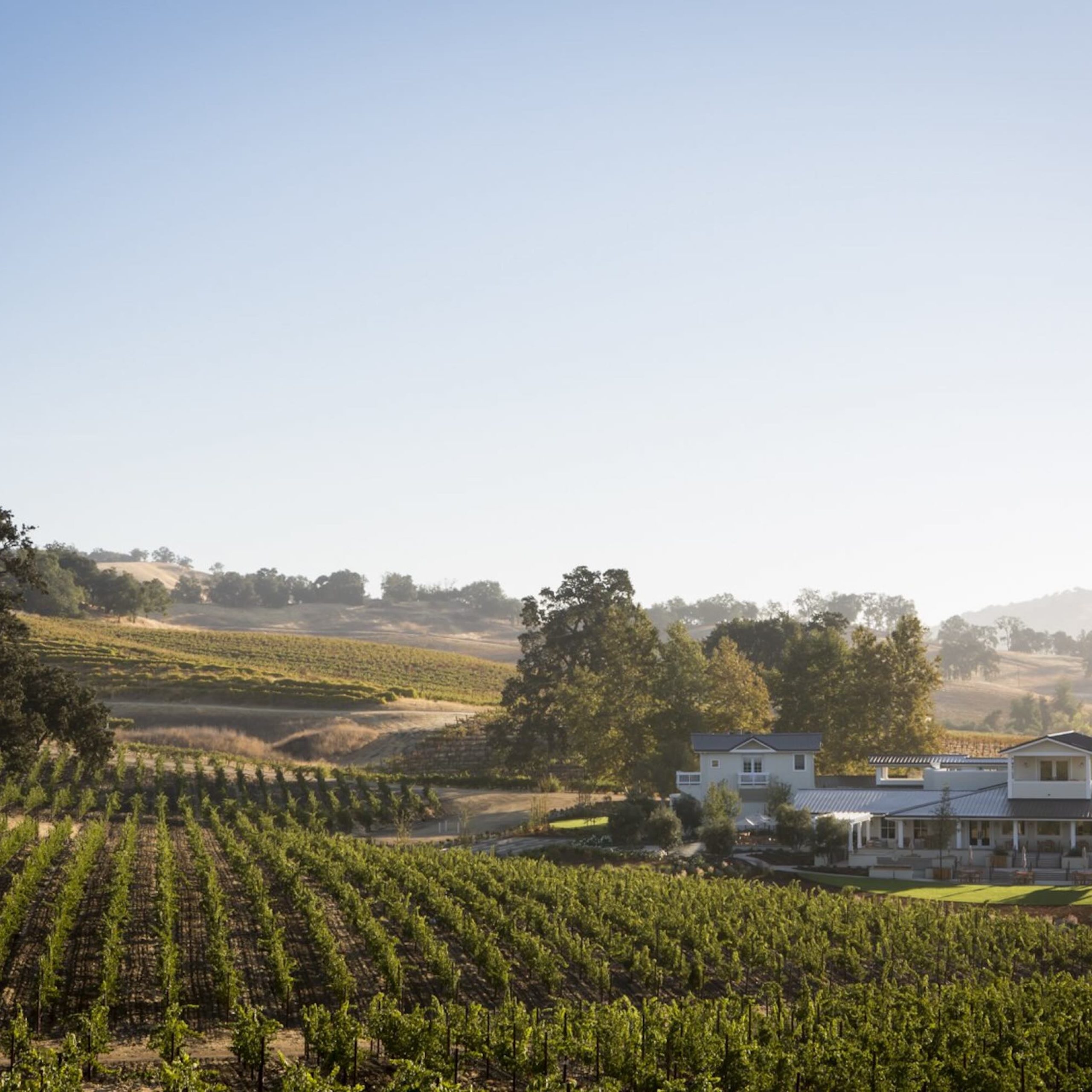
To reach JUSTIN, you’ll wind through backroads, among oak-dotted hills, vineyards, and broad Central Coast ranchland before finally arriving at the Paso Robles estate. That sense of escape becomes part of the experience itself.
JUSTIN’s Bordeaux-style wines are the anchor, particularly the flagship ISOSCELES blend, but the winery succeeds because it offers something increasingly rare: genuine variety. Few California wineries provide this many thoughtfully designed ways to engage with wine, food, farming, and hospitality all in one place. Guests can certainly opt for a classic estate tasting and lunch overlooking the vineyards, but the winery goes much further than standard seated flights. One visit might involve a cave tour ending with a barrel sample of ISOSCELES directly from the cask. Another might center around blind tasting lessons inside the ISOSCELES Library, chocolate-and-wine pairings crafted with the estate chocolatiers, or guided walks through the chef’s edible garden while sipping rosé and blending herbal teas.
In summary, California’s wine country has a way of humbling its visitors. Just when you think you’ve seen the best it has to offer, you turn down an unmarked road and find something that takes your breath away. There’s an enduring sense of discovery here that manages to inspire.