


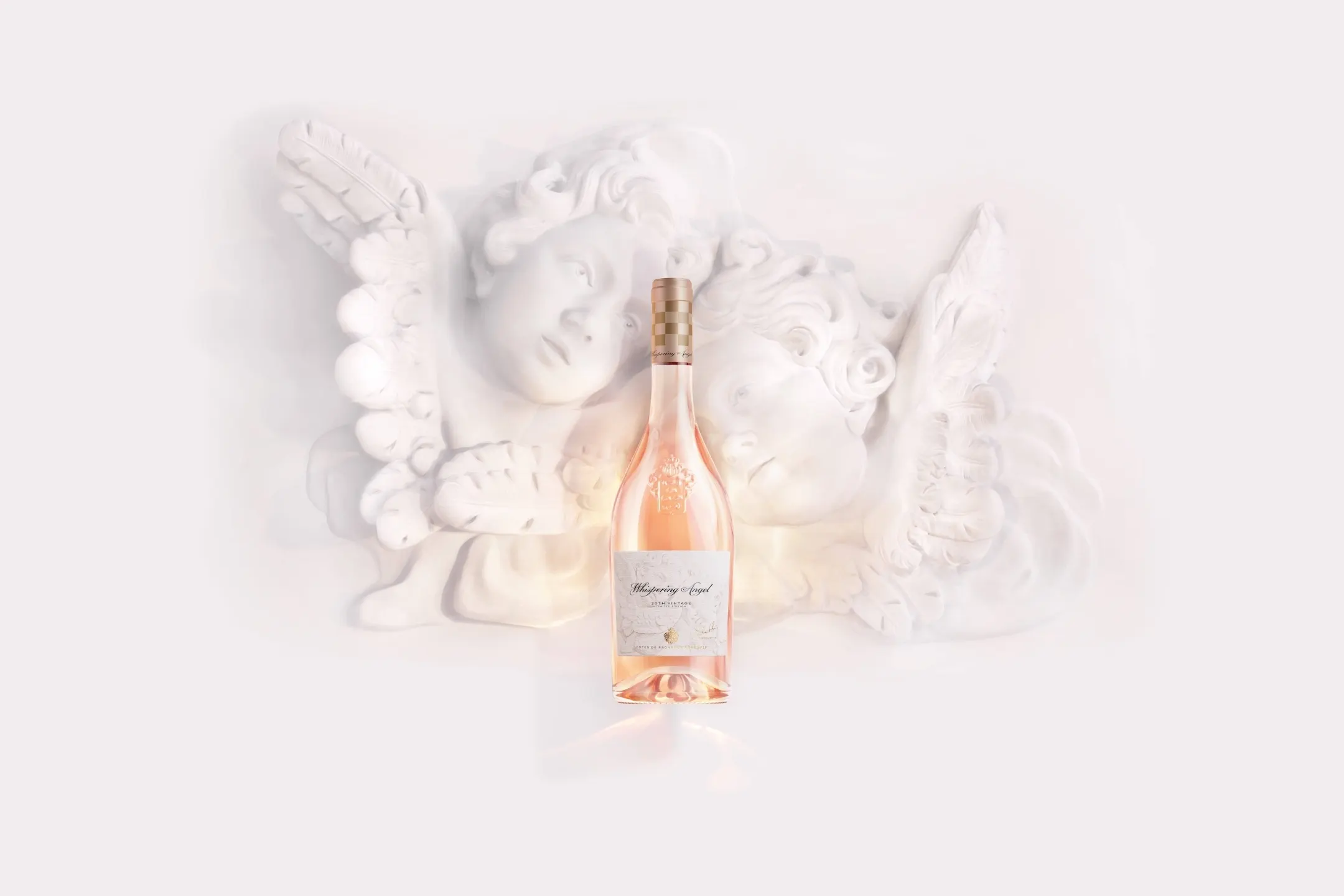
For years, rosé occupied an easygoing corner of the wine world. It belonged at lunch, beside the pool, or in an ice bucket on a summer afternoon. Then Château d’Esclans arrived with a different proposition: rosé could have pedigree, complexity, serious winemaking and a place at a fine-dining table.
Now entering its 21st vintage, Whispering Angel remains the wine that helped make that idea mainstream.
A New Chapter in Provence
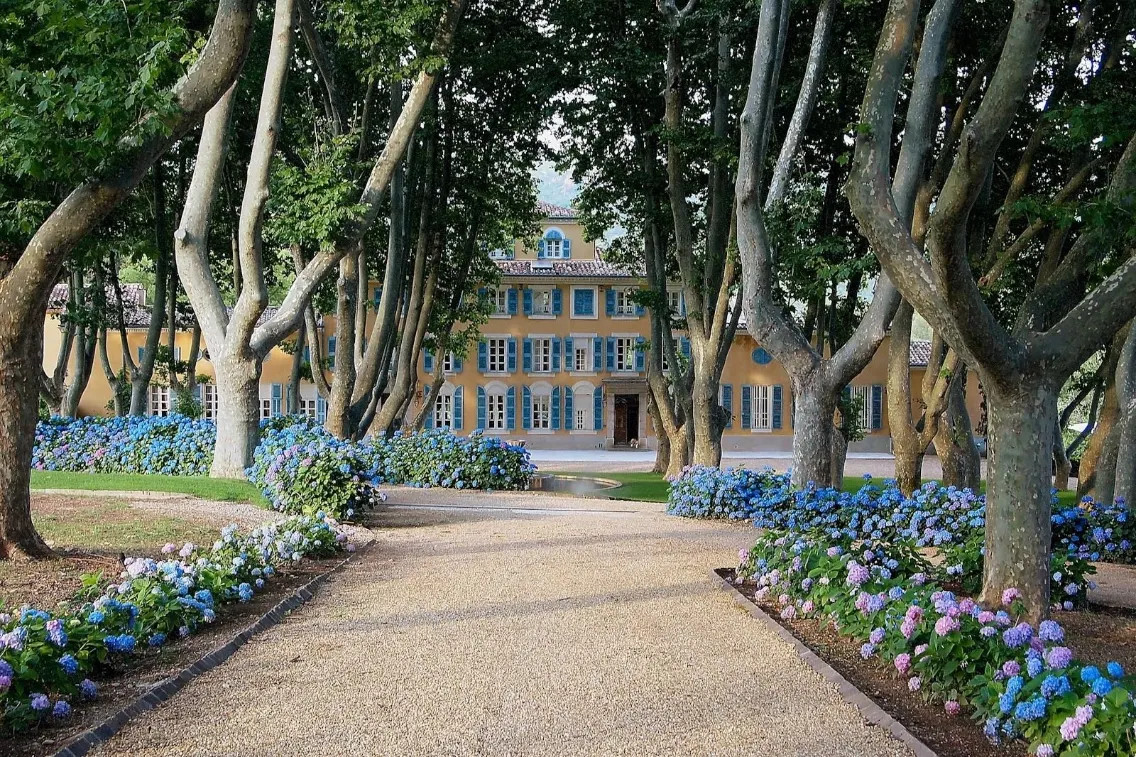
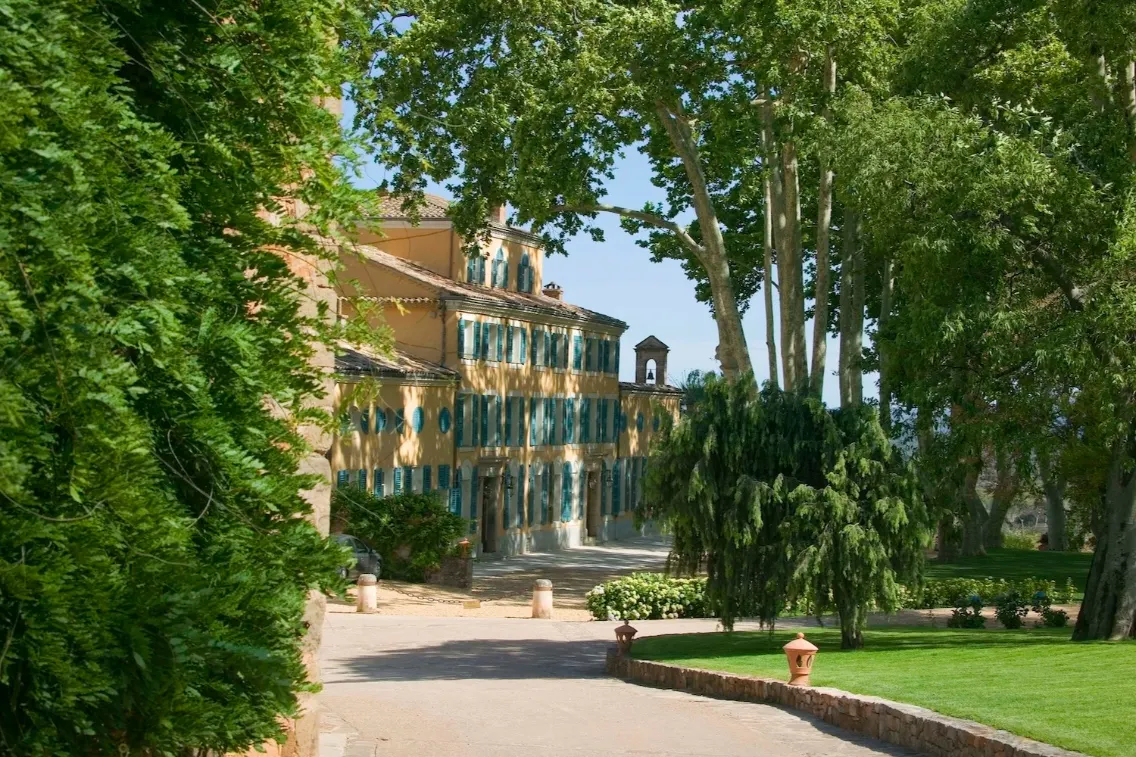
Located in Provence northeast of St. Tropez, Château d’Esclans occupies an estate with a history reaching back centuries. The château itself dates to the 19th century, while the surrounding vineyards include exceptionally old Grenache vines.
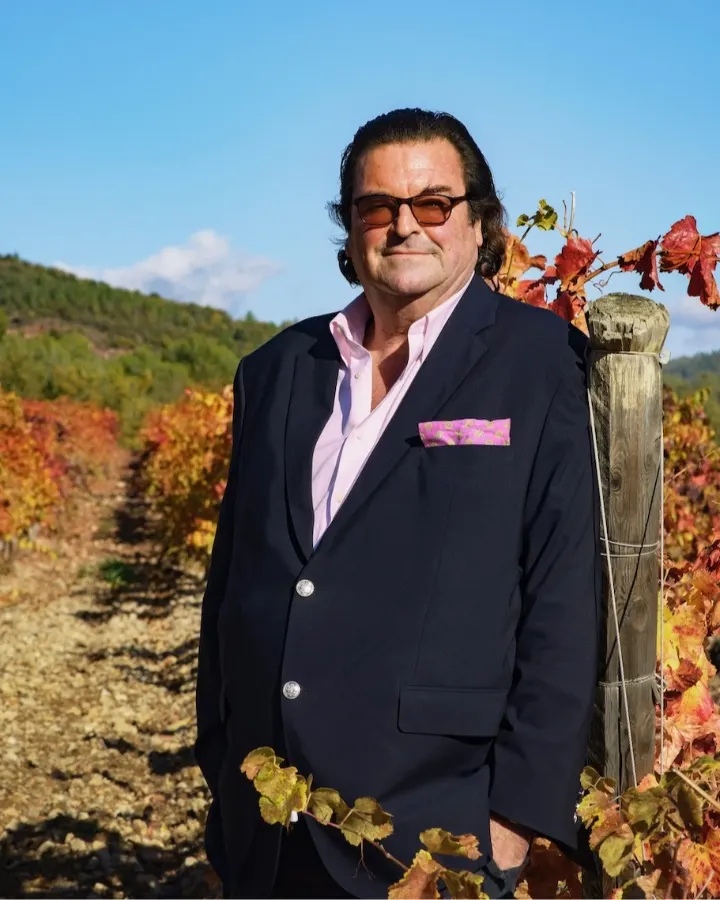
The modern chapter began in 2006, when Sacha Lichine acquired the estate. Born into Bordeaux’s wine world, Lichine understood both sides of the business: making wine and selling it. His ambition was unusually specific. He wanted to demonstrate that Provence could produce rosé with the stature of a great wine.
The 21st Vintage of Whispering Angel
The first vintage of Whispering Angel was released in 2006. Twenty vintages later, the wine had become a global reference point for Provençal rosé, with its 20th vintage celebrated in 2025. The 2026 vintage marks its 21st. The timing offers an interesting measure of just how dramatically the category has changed.
Whispering Angel helped establish the pale, dry, fresh style now closely associated with Provence. Its blend includes Grenache, Cinsault, Rolle and Syrah. The result is crisp and dry, with restrained fruit and the freshness that makes the wine particularly versatile at the table. But Château d’Esclans has always had a more ambitious agenda than creating a successful lifestyle wine.
Where Rosé Gets Serious
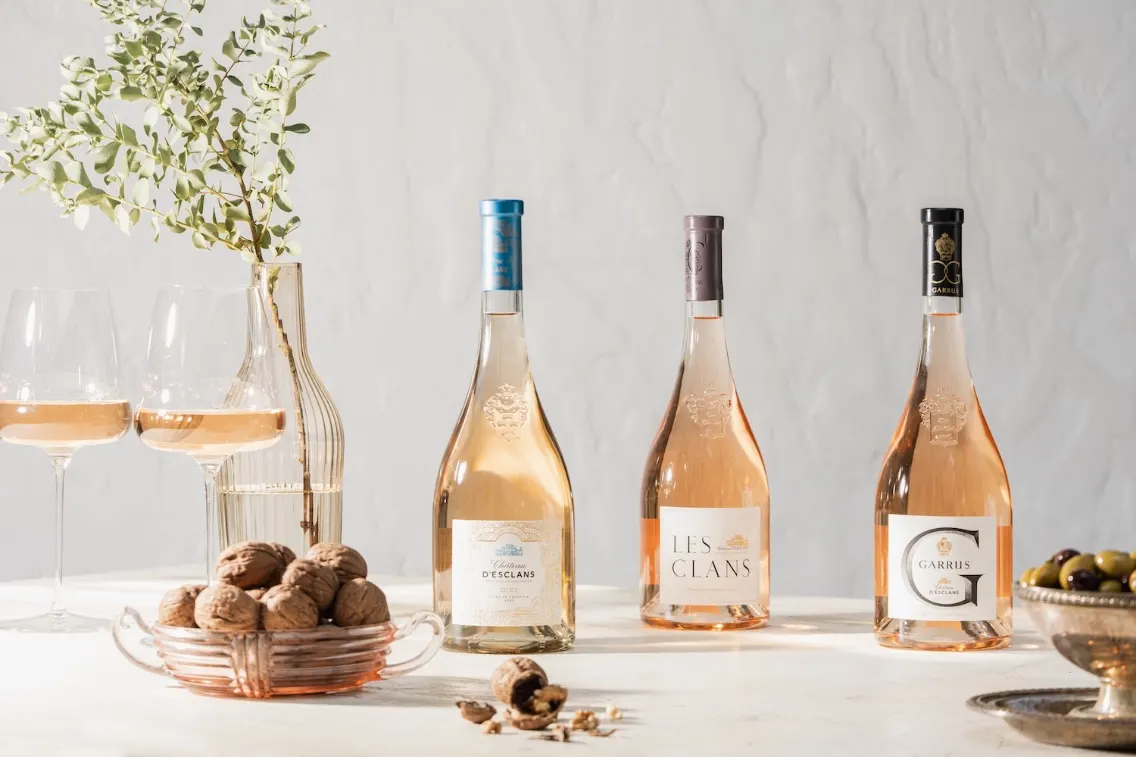
That becomes especially apparent higher in the range. Rock Angel takes the style in a more structured direction, using fruit from vines averaging 20 to 25 years old, with a portion of the wine fermented and aged in 600-liter French-oak demi-muids. Then come Les Clans and Garrus, where the estate’s fine-wine ambitions become impossible to miss.
Les Clans is made from Grenache and Rolle grown on the estate’s higher vineyard sites, including vines approximately 50 to 55 years old. It spends around 11 months in 600-liter French-oak barrels with regular bâtonnage, a technique more commonly associated with serious white-wine production.
Garrus goes even further. Produced from a single vineyard of nearly century-old vines, the wine is predominantly Grenache and Rolle and is fermented and aged in large French-oak barrels. The wine spends approximately 11 months in barrel, with bâtonnage used to build texture and complexity.
The Fine-Wine Approach
The winemaking focuses on freshness, texture, precision and aging potential. Wine professionals noticed. The estate’s approach has been examined in the context of fine Burgundy, particularly its use of large barrels, old vines, bâtonnage and extended lees aging. The comparison illustrates how far the winemaking has moved from rosé’s traditional reputation as a wine intended primarily for immediate consumption.
Building a Global Luxury Brand
The business strategy was equally important. Lichine understood that a luxury wine needs a recognizable identity. The names, labels, pale color and distinctive bottles created a visual language that traveled well beyond Provence. Whispering Angel became as at home on a restaurant terrace or yacht as it was in the vineyards where it originated. That combination of winemaking and branding helped turn Provençal rosé into a global lifestyle category.
Today, Château d’Esclans wines are distributed in more than 100 countries. The estate credits Whispering Angel with helping ignite what it calls the “Rosé Renaissance,” while the 20th vintage milestone in 2025 offered an opportunity to reflect on just how far the wine has traveled since its 2006 debut.
From Provence to the LVMH Portfolio
The estate also sits within one of the world’s most formidable luxury portfolios. Moët Hennessy, the wines and spirits division of LVMH, acquired Château d’Esclans in 2019, with the acquisition integrated into the group in 2020.
Taste It at the Source
For visitors to Provence, the château offers another reason to venture beyond the beaches and boutiques of the Côte d’Azur. Private visits include an introduction to the estate’s vineyards and winemaking followed by a tasting of its rosé portfolio. And there is something especially fitting about tasting these wines at the source. Whispering Angel remains the easy introduction, the bottle that made the name familiar around the world. Garrus tells the other half of the story.
Rosé can still be wonderfully uncomplicated. Château d’Esclans simply demonstrated that it can also be seriously fine wine.
Photos courtesy of Château d’Esclans
