In the rolling hills of Viroqua, Wisconsin, a once-small coffee roastery is quietly reshaping how the world thinks about sustainable coffee. Wonderstate Coffee has long been known for its commitment to ethical sourcing, paying farmers well above fair-trade minimums and building deep, direct relationships with producers around the globe. But beyond what goes into the cup, it’s what powers the roasting that truly sets Wonderstate apart: a roastery that runs entirely on solar energy.
Back in 2015, Wonderstate took a bold step rarely seen in the specialty coffee industry, installing a grid-tied solar array that now supplies 100 % of the electricity used to power its roastery. This move made the company one of the first coffee roasteries in the world to fully commit to renewable energy generation on site, reducing its carbon footprint while reinforcing a long-held belief that sustainability must be more than a marketing phrase.
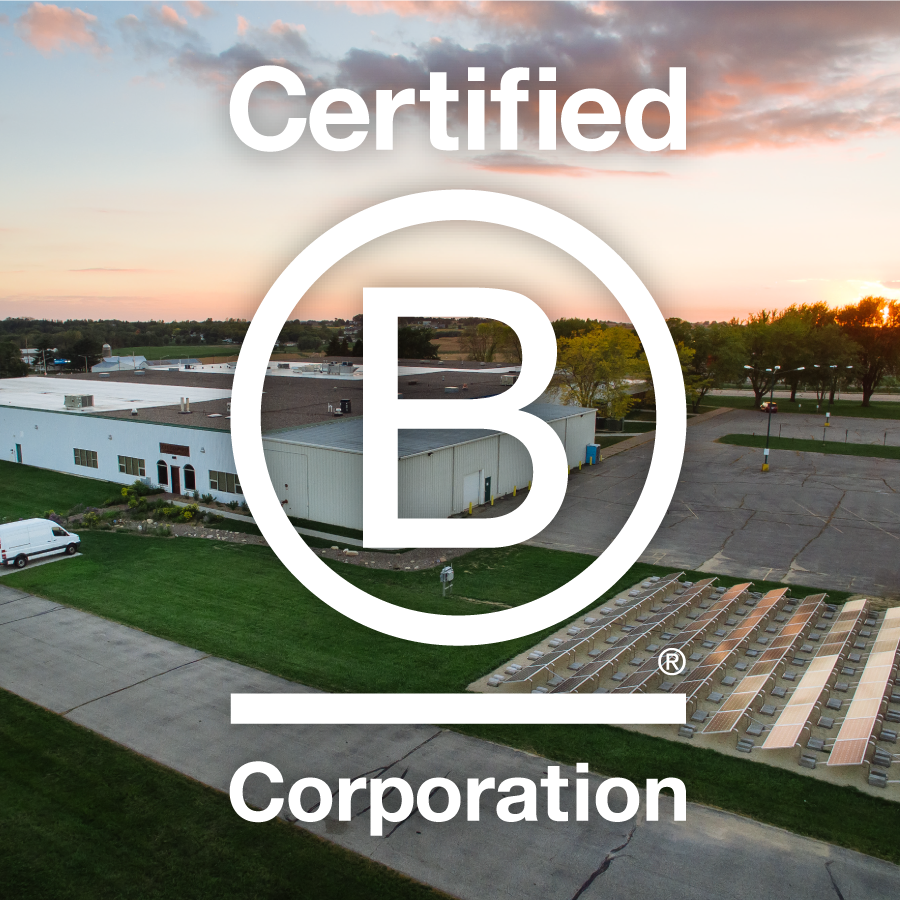
The result is not only cleaner energy but also a powerful statement about what it means to be responsible in a world grappling with climate change. For Wonderstate, solar power isn’t a sidebar, it’s an integral part of a business model that places people and planet alongside profit. By generating its own electricity from the sun, the company has reduced environmental impact, cut energy costs, and built a platform for long-term resilience that reflects its ethos of “coffee for a collective future.”
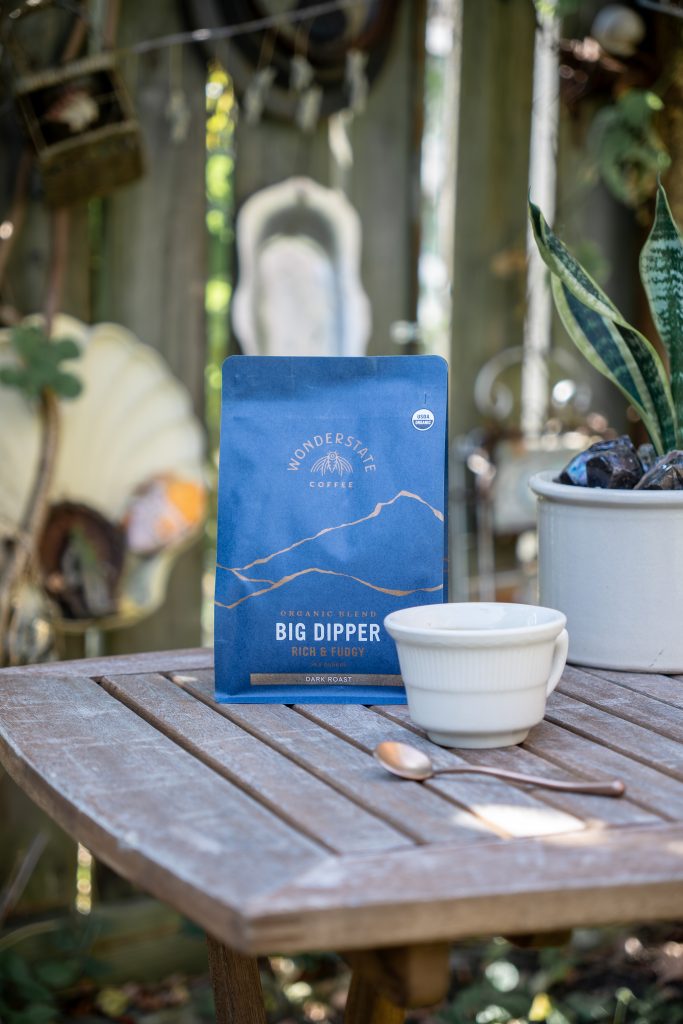
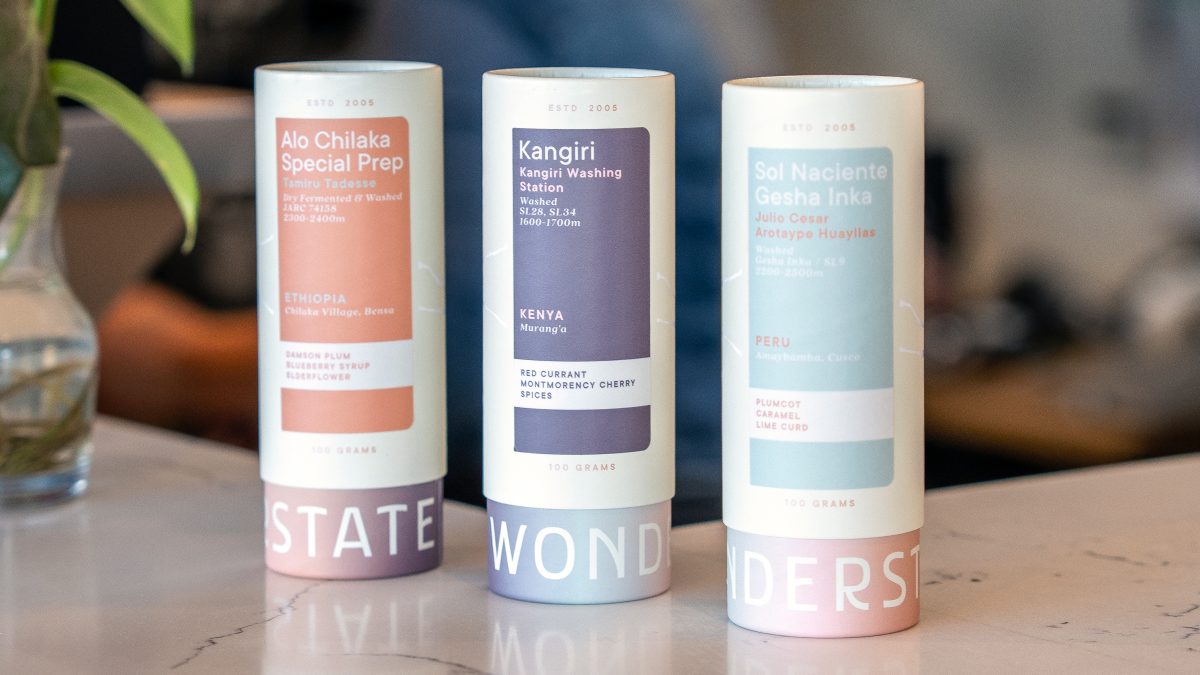
This commitment to sustainability ripples outward: Wonderstate’s solar-powered roastery complements its organic, award-winning coffees and its industry-leading approach to farmer compensation, where minimum prices are often set far above conventional market levels. The company’s ethos resonates with conscious consumers who want their daily cup to reflect values that extend well beyond flavor, from environmental stewardship to economic justice.
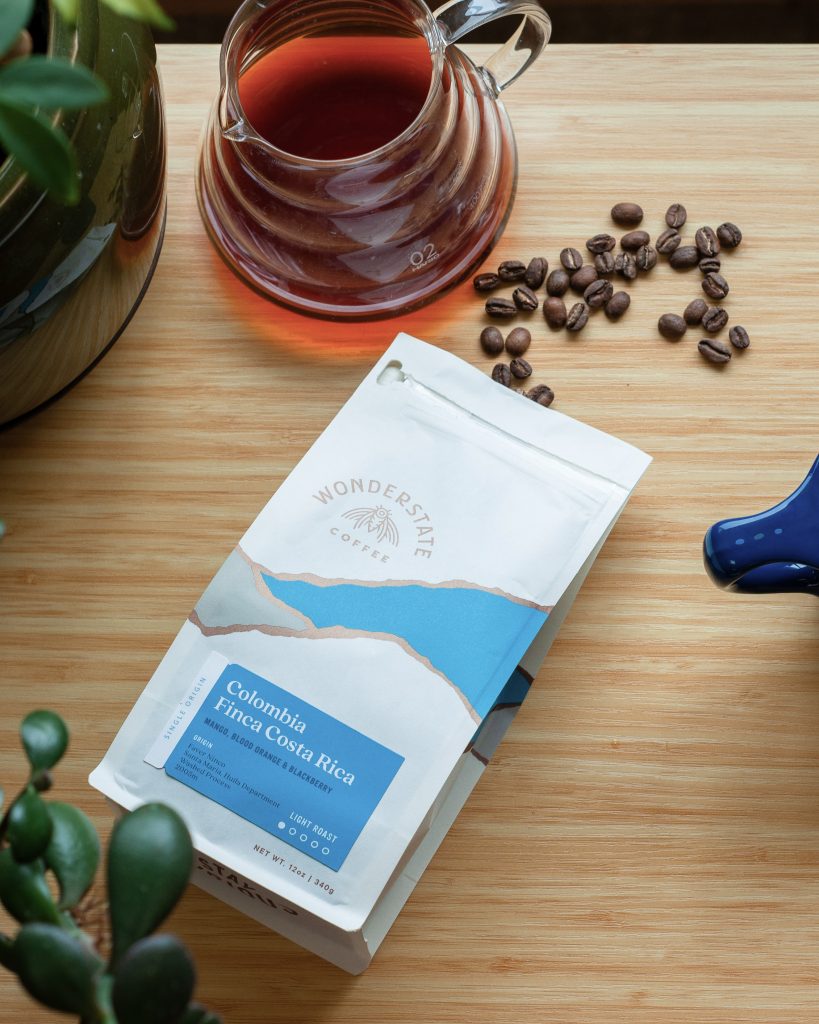
Today, as climate consciousness continues to shape consumer preferences and corporate practices alike, Wonderstate stands as a compelling example of what’s possible when tradition meets innovation. In a small Midwest town, a coffee company’s decision to embrace solar energy has helped transform not only its own operations but also the expectations of what a responsible roastery can, and should, look like in the 21st century.