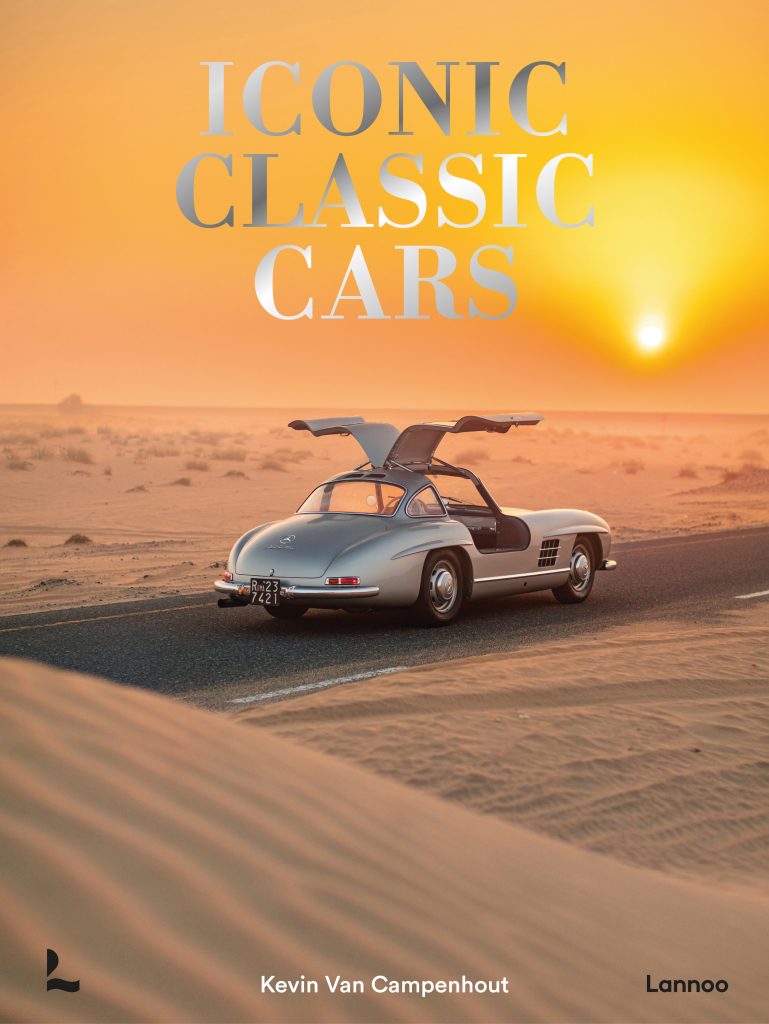

In Iconic Classic Cars, photographer Kevin Van Campenhout and car specialist Yan-Alexandre Damasiewicz chronicle the rare machines that become cultural icons.
Written by Octane’s editor-in-chief, this new coffee-table-worthy tome is a photographic and historical survey of 25 landmark modern classics that moved beyond performance statistics to become symbols of design, wealth, and aspiration. Iconic Classic Cars (Lannoo Publishers) treats the automobile as a subject with its own biography, pairing large-format imagery with contextual essays that present each vehicle as a technical achievement and a product of its era.
25 of the World’s Most Coveted Classic Cars
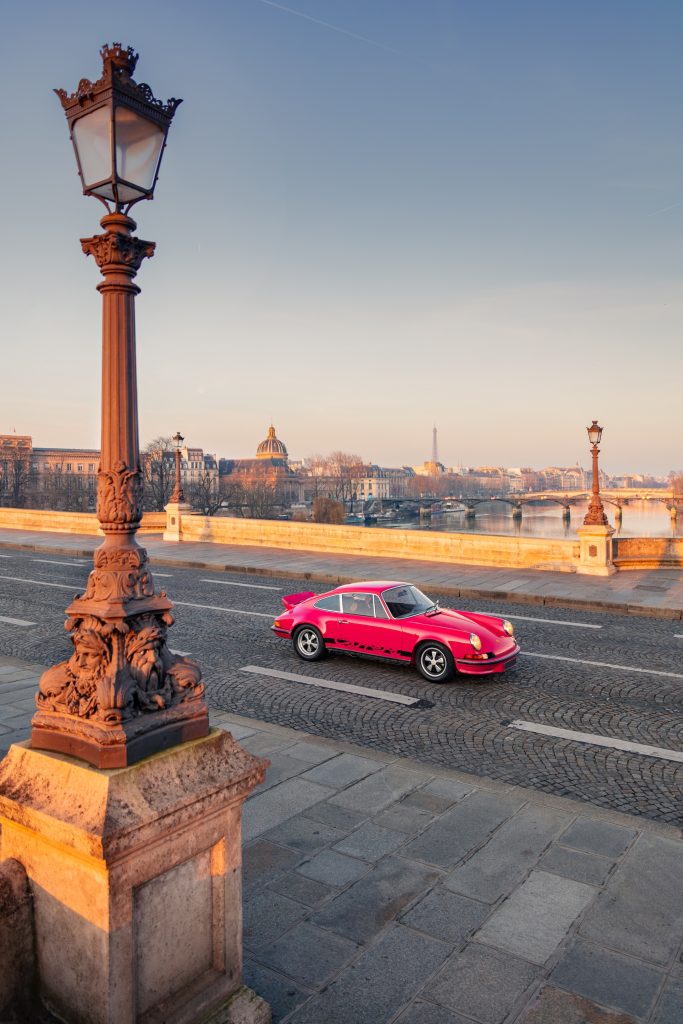
Rather than positioning the cars as static collector trophies, the volume situates them within a broader narrative about the evolution of luxury and high-performance engineering. Tracing the rise of the hypercar and modern classic from the late 20th century onward, when manufacturers pushed materials, speed, and design language to new extremes. Damasiewicz’s commentary connects the vehicles to the industrial and cultural contexts that produced them.
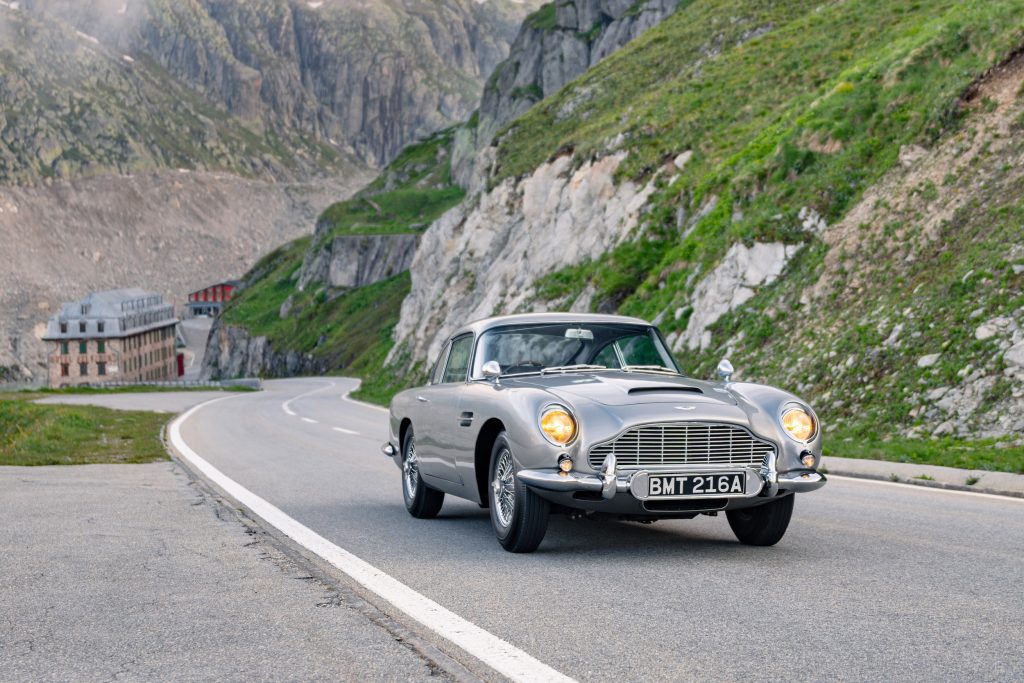
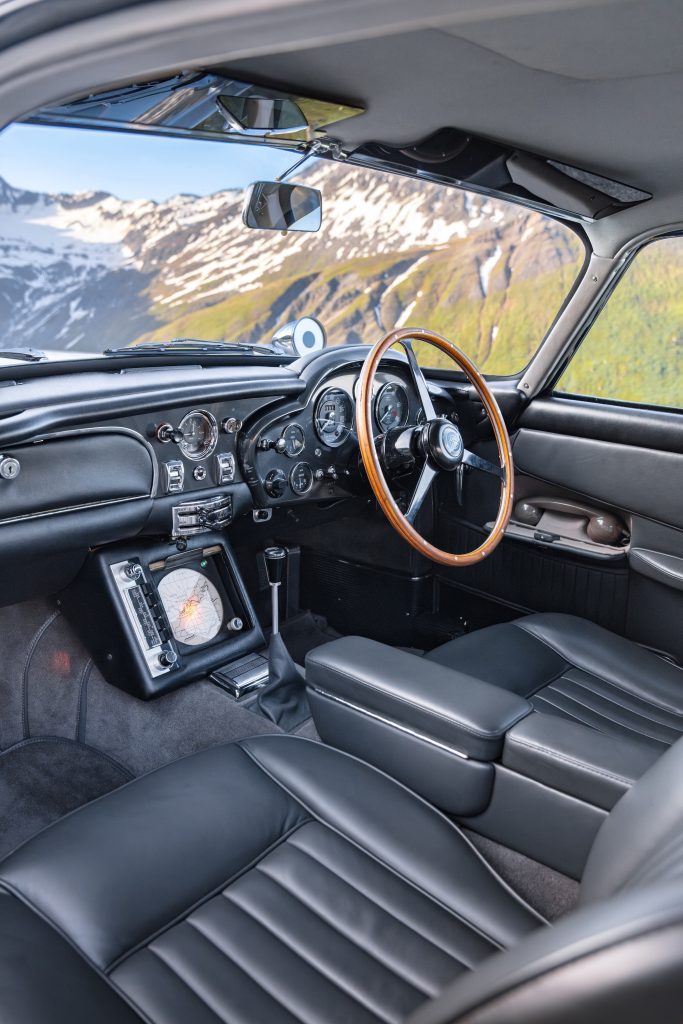
Van Campenhout’s photography anchors the book. Over several years, he traveled internationally to access examples rarely seen outside private collections. Instead of studio isolation, he photographs the cars in natural and urban environments that reinforce their sculptural presence. This approach allows familiar icons — Sophia Loren’s glamorous Mercedes-Benz 300 SL Gullwing and the Aston Martin DB5, a vehicle that became a global symbol of espionage cool courtesy of Ian Fleming’s James Bond—to feel grounded and contemporary rather than nostalgic.
Obsession, mythology & power on Four Wheels
The selection spans key milestones in the history of performance and design. Models such as the Ferrari 250 GTO, Alfa Romeo 33 Stradale, Ford GT40, and Lamborghini Countach Periscopio are presented as inflection points, each marking a shift in how speed, engineering, and aesthetics were understood. Damasiewicz highlights the rivalries, risks, and technical breakthroughs that shaped their development, explaining why these cars continue to command attention decades later.