
The credit card industry has spent decades selling rewards offering airport lounges and beach resorts, yet that is not where most people spend their money. The bulk of a household budget goes to groceries, gas, and quick meals, the routine purchases that repeat week after week. These are the purchases that families feel most sharply when prices climb. These are also purchases traditional rewards programs have paid the least amount of attention of attention to.
The mismatch is not an accident. Premium travel rewards are most valuable to a relatively small group of frequent flyers and high-balance spenders, and the industry has long built its richest programs around them. For the majority of households, whose money runs through the grocery aisle and the gas pump rather than the airport, the rewards have been thinner and slower, structured around purchases they rarely make. As the cost of everyday essentials has climbed, that gap has grown harder to ignore, leaving a large share of consumers paying into programs that were never really designed with them in mind.
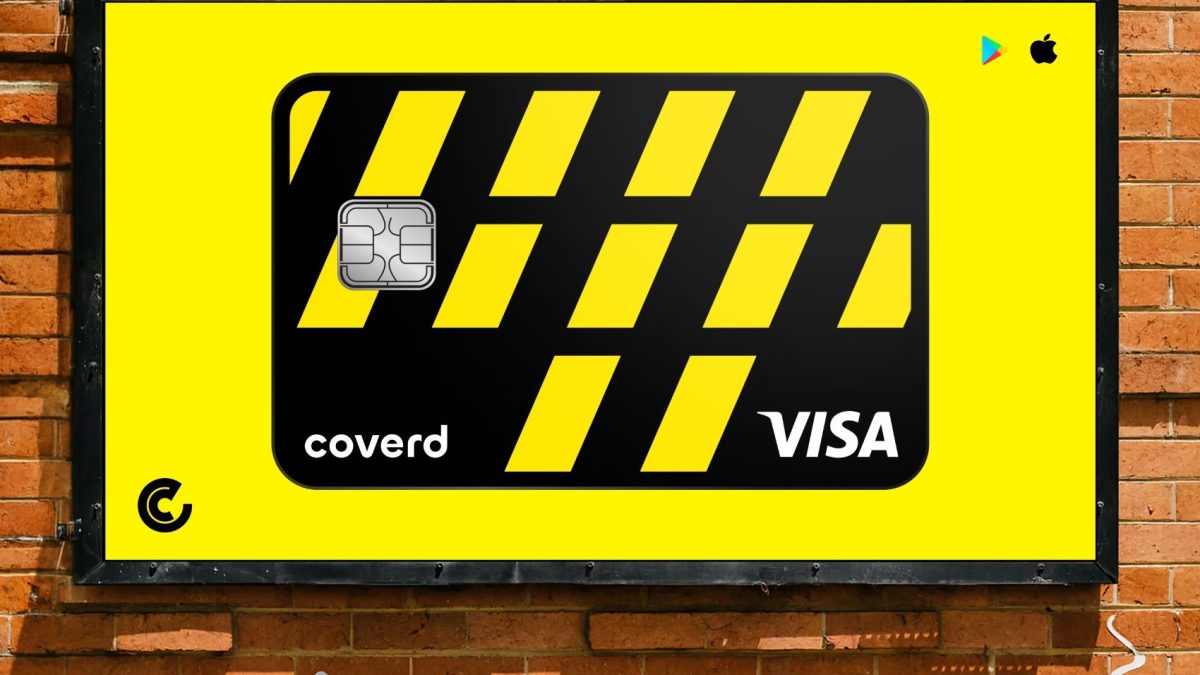
That is the gap Coverd set out to close. The company, founded by Albert Wang and backed by Andreessen Horowitz, built its card around everyday spending instead of the exceptions to it. The Coverd Card pays cash back on many purchases, up to the full cost, delivered instantly at the register. A cardholder buying groceries or picking up lunch may see the charge partly offset or, in some cases, covered in full. This is immediately meaningful to the consumer, especially when compared to the accumulation of points toward a reward that often never arrives.
The company’s early data reflects that focus. Its cardholders spend most heavily at major retailers and fast-food chains. Its core users are working-age adults, men 25 to 35 and women 30 to 45, the same consumers whose daily purchases have long earned the slowest and smallest returns from legacy cards.
The activity is adding up. Coverd says it has covered more than $25 million in purchases through its app so far, including over $10 million in May 2026 alone. For consumers accustomed to value that arrives slowly over time, money returned on an ordinary grocery run is a different kind of pitch.
While most of the industry’s rewards programs are tailored toward nice-to-have rewards, Coverd is building for the everyday purchases that fill a cart, a tank, or a drive-through order. Its focus is on where Americans actually spend. If the bulk of a paycheck goes to essentials, that is where a card should pay the most.