
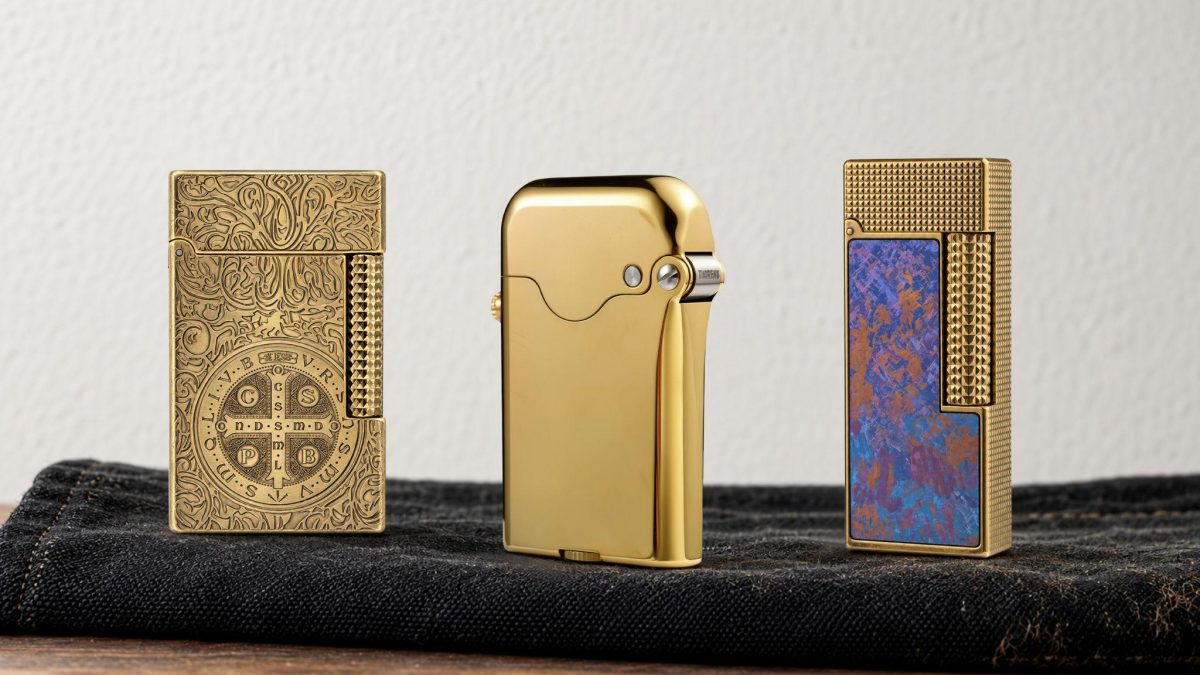
What to look for in the materials, mechanism and finish, and what to ask before buying.
Polished metal and an engraved case can make a lighter an appealing accessory. Choosing one you will enjoy carrying takes a closer look: at how it opens, how comfortably it sits in your hand and what it needs to keep working.
Whether you are buying for yourself or choosing a gift, start with the way it will be used. A slim everyday companion, a sculptural desk piece and a lighter collected for its mechanism call for different priorities. Materials, flame type, fit and repair support will help you narrow the choice.
Look beyond the surface color
A gold-tone finish does not mean a lighter is made of gold, just as a silver-colored case need not be sterling silver. Check the body material and surface treatment separately.
Brass, a copper alloy, is used in many mechanical lighters. It can be machined and decorated, and its weight gives the object a substantial feel. Uncoated brass may develop a patina; plated brass offers a different appearance and needs care suited to its finish. Neither weight nor color alone establishes quality.
For example, THORENS lists solid brass bodies and plated finishes on selected Single Claw models. Check the specification of the particular model rather than assuming that every lighter in a collection uses the same materials.
When shopping online, look for dimensions, weight and close-up photographs as well as a material description. Those details tell you more than a finish name such as “gold” or “titanium.”
Choose the flame and fuel together
A soft flame and a torch suit different preferences. A torch produces a concentrated jet and is often chosen for outdoor use, though wind performance depends on the design. A soft flame may appeal if you prefer a traditional lighter and a less concentrated flame.
Soft flame describes the flame, not the fuel. Soft-flame lighters can use liquid lighter fluid or butane, so check the refill instructions before buying. Wick-based fluid models need occasional flint and wick care, and fuel can evaporate between uses. That upkeep is worth considering if the lighter will be used only occasionally.
Choose a flame that suits your intended use, then decide which maintenance routine you are comfortable with. A mechanism you admire should also fit your habits.
Pay attention to the opening action
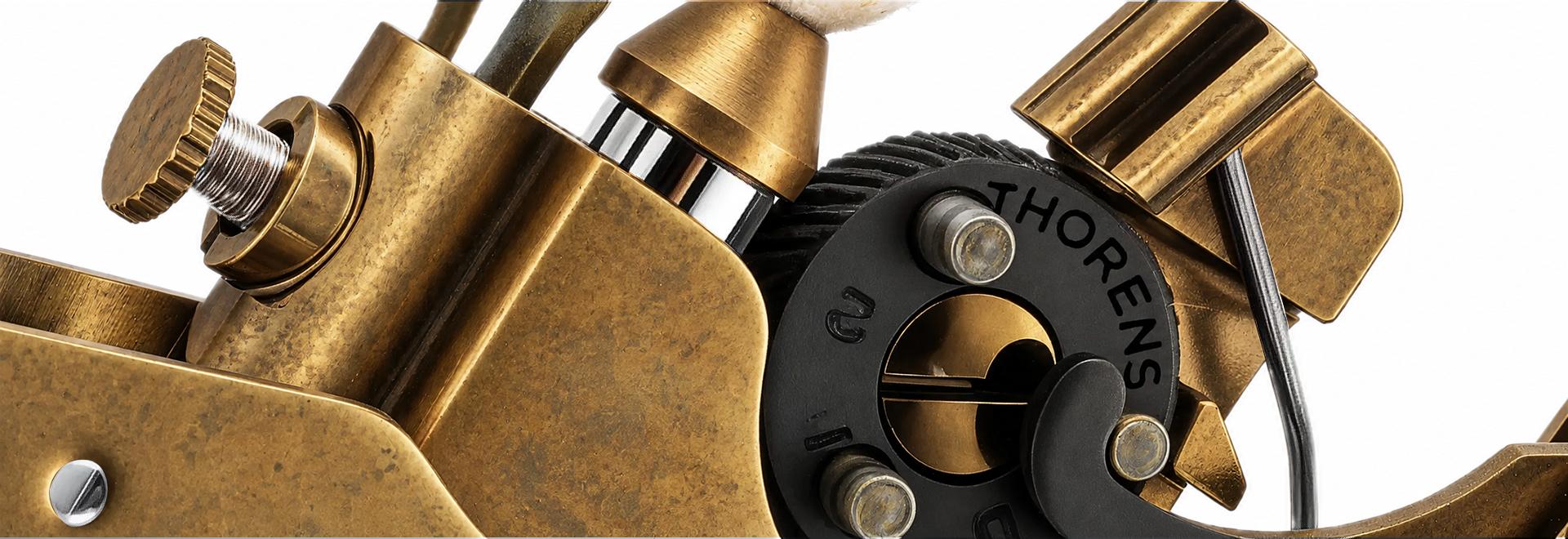
For someone interested in mechanical design, the opening sequence can be as appealing as the case. A thumb wheel, side roller or lid-driven mechanism offers a different interaction; the right choice is the one that feels comfortable and predictable.
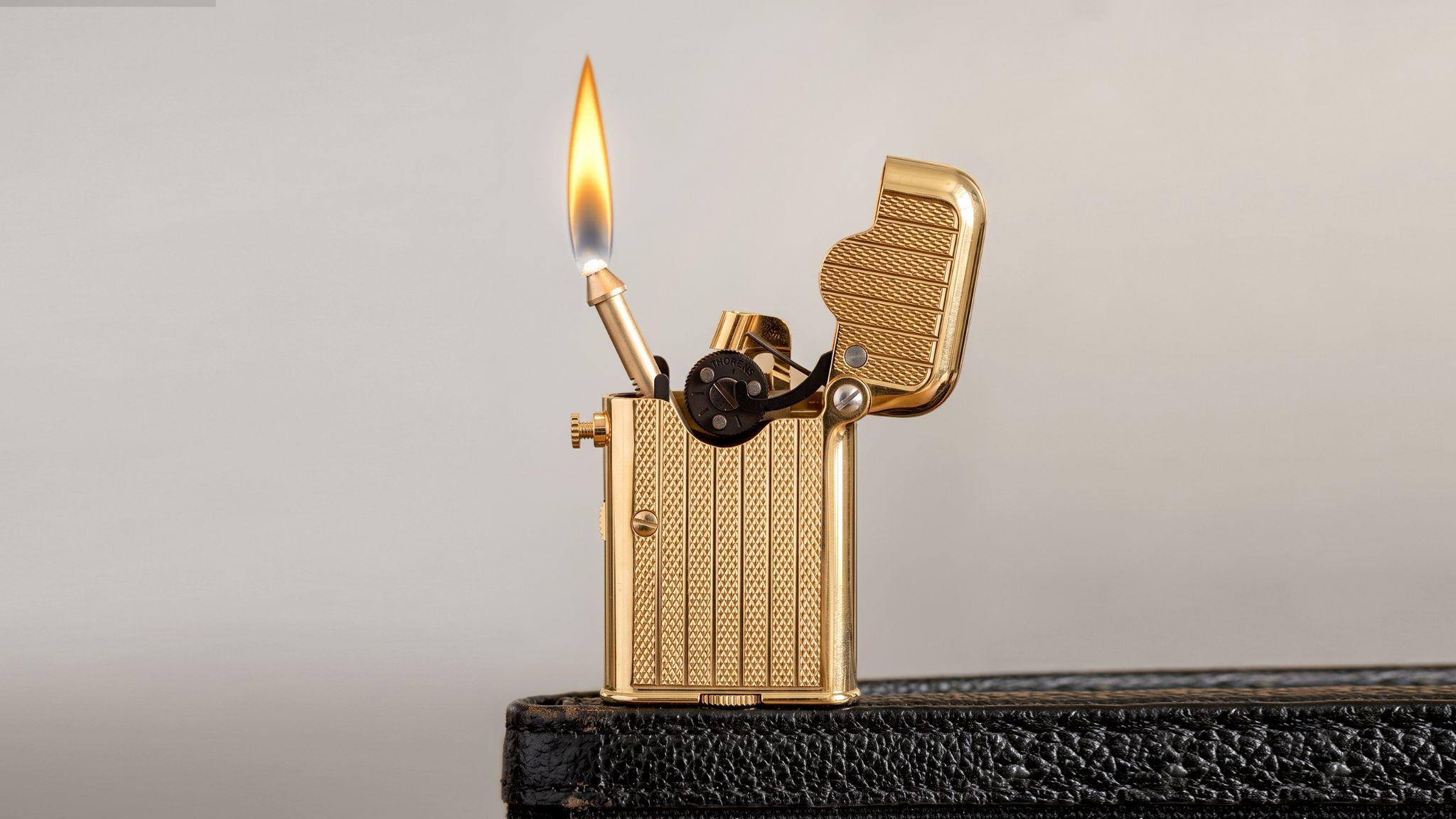
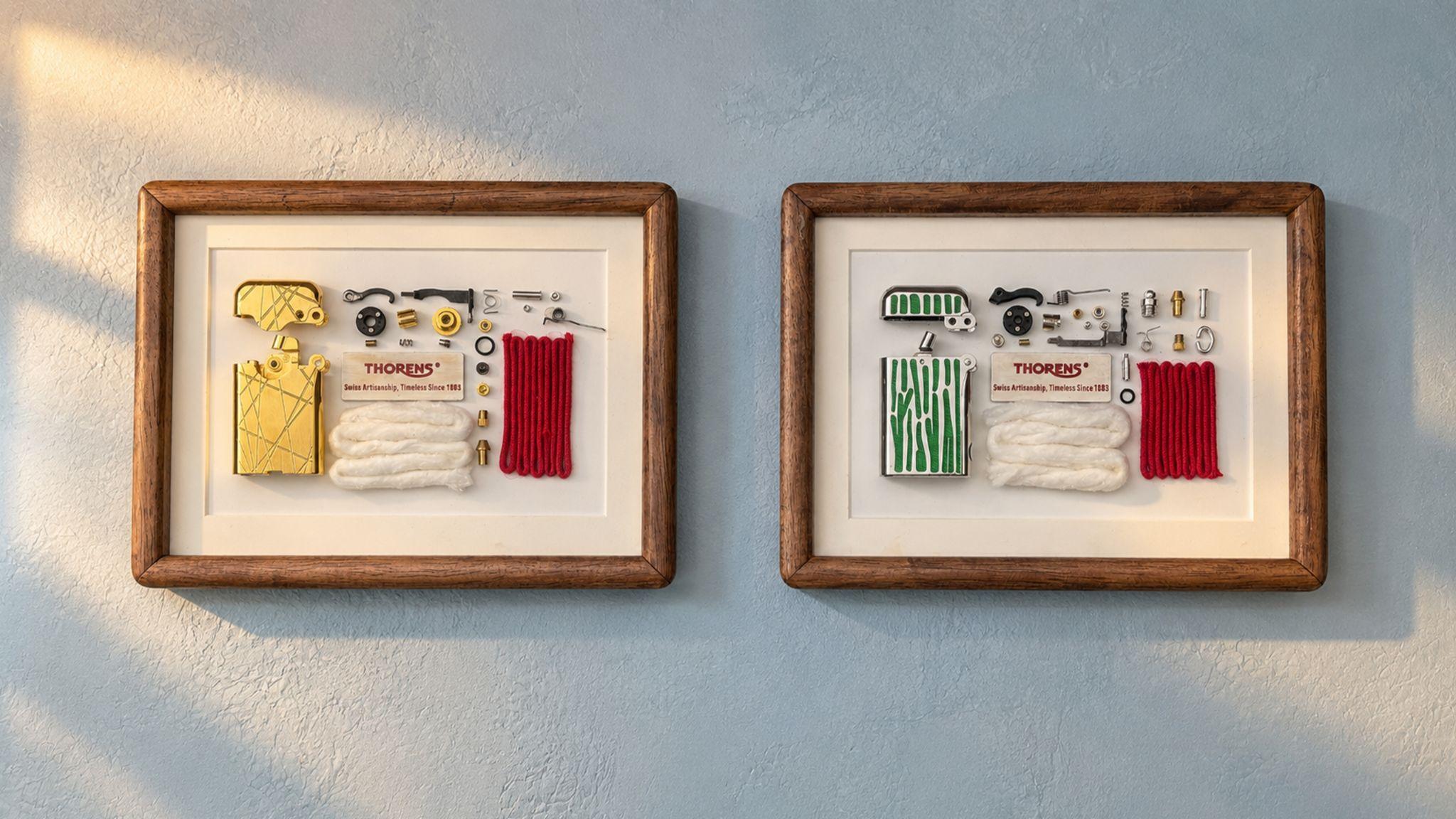
The THORENS Single Claw series provides a distinctive example. Opening the lid moves a linkage that engages the flint wheel to create the spark. The mechanism gives the opening action a visible purpose, which may appeal to buyers who enjoy watching small mechanical parts work together.
If possible, handle a sample. Check whether the lid aligns neatly, the action feels consistent and the controls are easy to reach. If buying online, ask for a clear demonstration video. A satisfying click can be part of the pleasure, but sound alone cannot tell you how well the lighter is built.
Judge craftsmanship by the fit
“Hand-assembled” describes a production method; it is not enough on its own to establish quality. What matters to the owner is how the finished parts work together.
Look for a neatly seated lid, smooth movement and edges that are comfortable to hold. A decorative case should not make the controls awkward to use. If the lighter feels bulky or the opening action demands an uncomfortable grip, it may be better suited to display than daily carry.
For a gift, consider the recipient’s preferences. Someone who enjoys mechanical objects may welcome an elaborate opening sequence. Someone who values convenience may prefer a simpler action and a slimmer case.
Choose a finish you will enjoy using
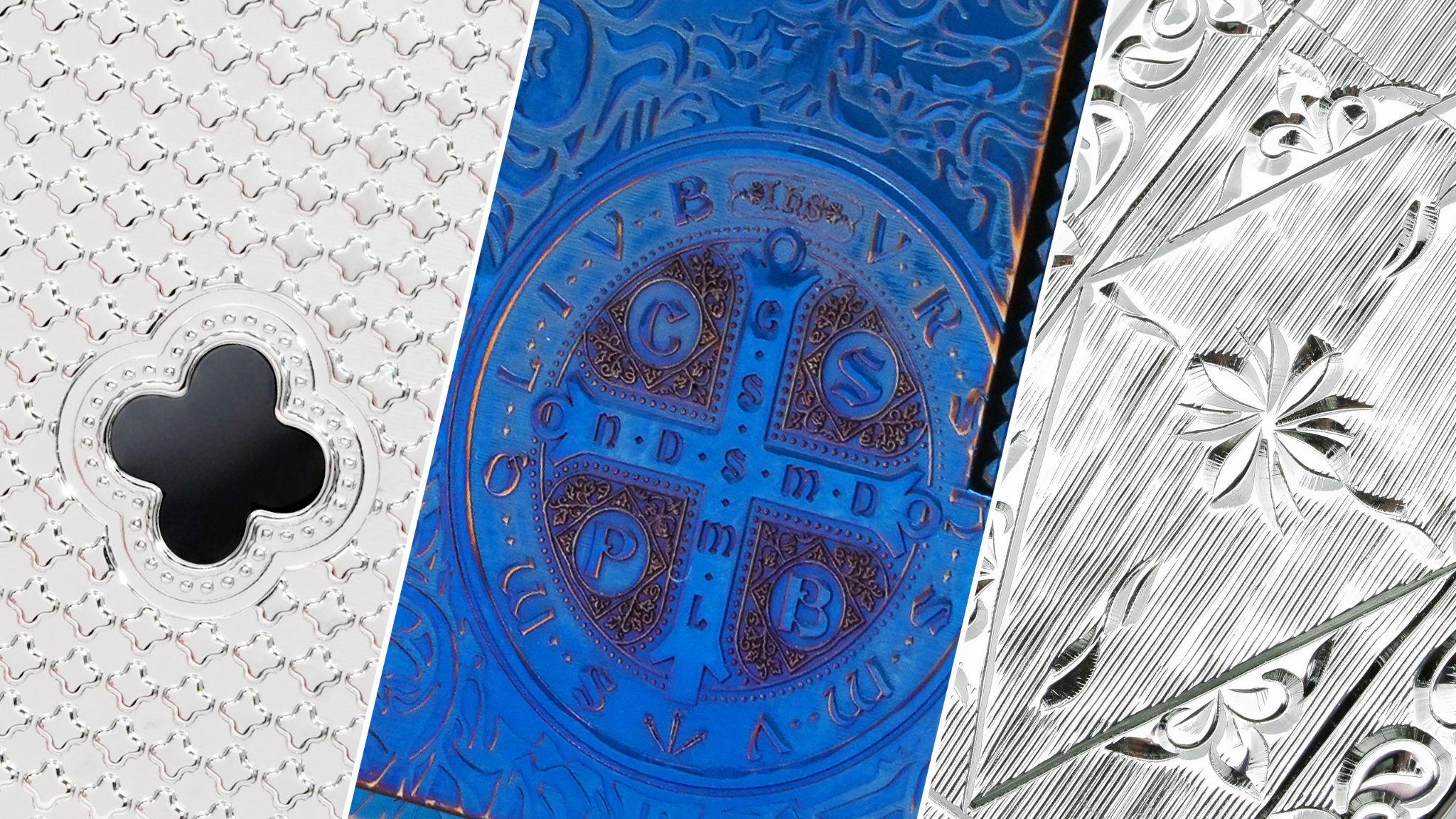
Finishing gives a lighter much of its visual character. Polishing, plating and engraved relief can produce very different effects, even when the underlying body material is the same.
Study close-ups of the edges, lid seam and areas around the controls. Decorative details should look clean and consistent, while the surfaces you touch should feel comfortable. Ask how the finish should be cleaned and whether the maker offers refinishing or repair if it is damaged.
A polished surface can show fingerprints and fine scratches. Uncoated brass may change color over time. These changes need not be flaws, but they should suit your expectations. If you want a piece to remain pristine, a protective case and careful storage may matter as much as the finish you choose.
Ask about maintenance before buying
Refillability is only the starting point. Find out whether replacement flints and wicks are available for the model, which maintenance tasks the owner can perform and which repairs require an authorized service provider.
Routine care and mechanical repair are different things. Being able to replace a flint does not mean that dismantling a spring or hinge is recommended. Follow the maker’s instructions, particularly where unauthorized repairs can affect warranty coverage.
Read the warranty rather than relying on a short marketing phrase. THORENS’ published policy, for example, provides a one-year limited warranty against manufacturing defects and offers repair services beyond that period. Normal wear and consumables are excluded; repairs outside coverage require a cost estimate.
Before ordering, also ask where repairs are handled, whether parts for the specific model remain available and who pays return shipping. These practical details are especially useful when buying from a brand based overseas.
Before you place the order
A few questions can help turn an attractive photograph into a considered purchase.
- What is the body material, and what finish is applied to it?
- Do the dimensions, weight and controls suit how I will use it?
- Which fuel does it require, and what routine care is involved?
- Can I see the opening and ignition action in a demonstration?
- Are the right consumables, spare parts and repair services available?
- What does the warranty cover, and what costs fall to the owner?
The best choice is a lighter whose appearance, feel and upkeep suit you. An intricate mechanism may be the attraction for one buyer; for another, it may be the proportions of a simple case. Choose the piece you will enjoy handling and maintaining, with enough information to know what ownership involves.