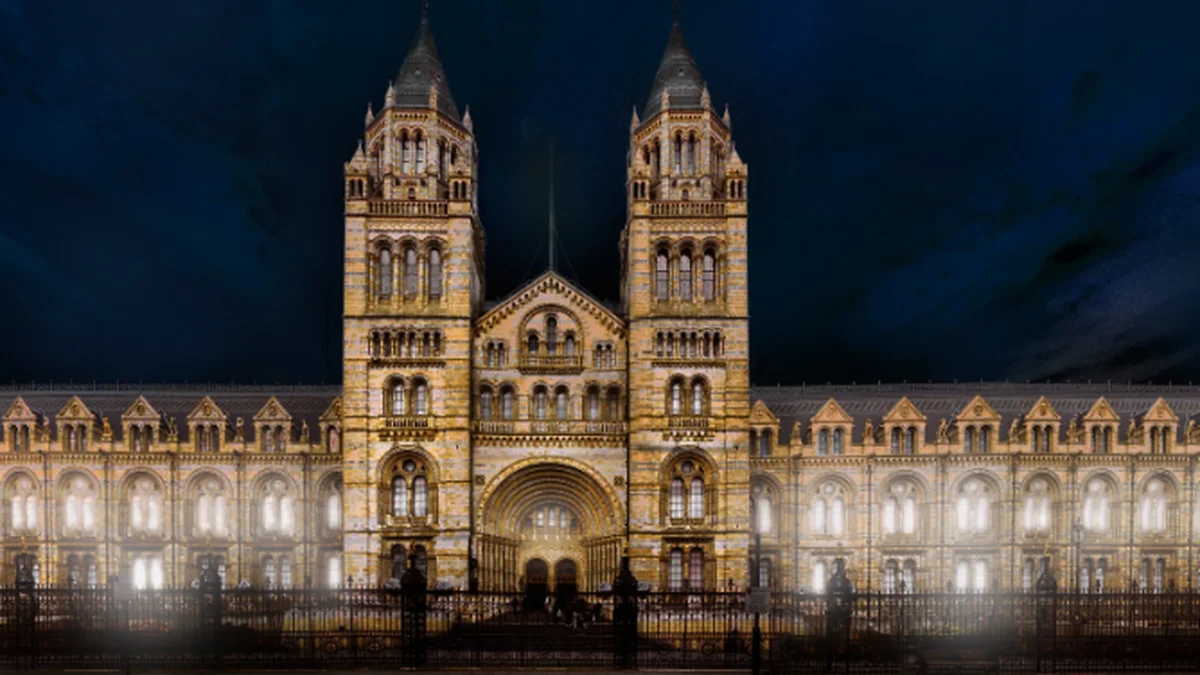
There are few London institutions more familiar than the Natural History Museum, but visiting after hours is an entirely different proposition. Once the daytime crowds have departed and the doors have closed, its vast galleries become quieter, darker and considerably more atmospheric. Dino Snores for Kids, the Museum’s overnight adventure for children, offers the rare opportunity to explore after dark and, ultimately, spend the night in Hintze Hall.
We arrived at around 7pm, armed with sleeping bags and pillows, ready for a programme that would keep us occupied until lights out at 11.30pm. Following a welcome talk at 7.35pm, we divided into groups for the evening’s activities. We were Blue Raptors, ably marshalled throughout proceedings by our enthusiastic group leader, Helen.
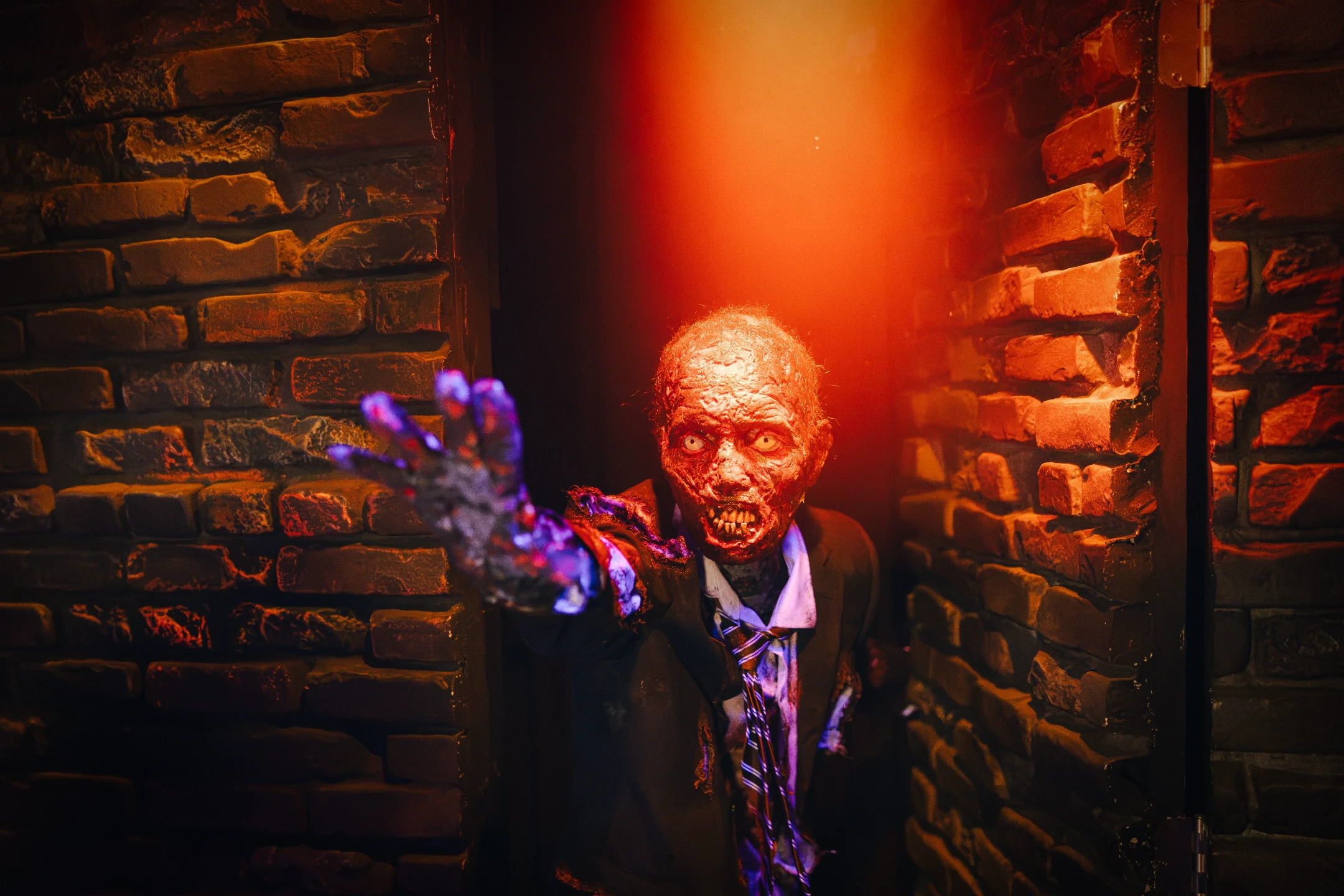
First came a torchlit exploration with guide Leonie. There is something rather different about encountering the dinosaur galleries after closing time, illuminated by torch beams rather than daylight and without the customary bustle. Leonie proved an engaging and knowledgeable guide, deftly combining scientific detail with enough interaction to keep her young audience interested throughout.
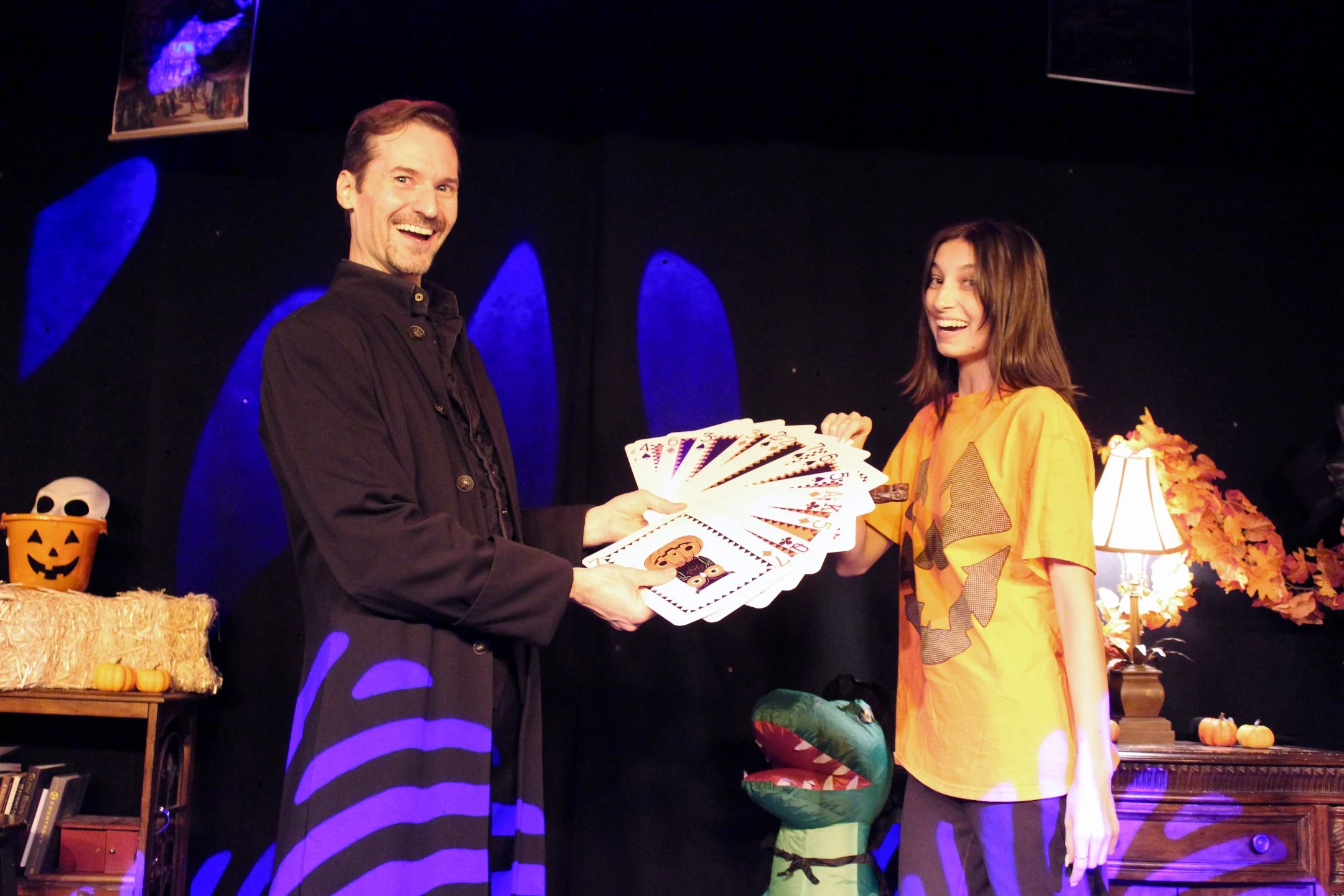
After a break for snacks, it was time for the evening’s science show, presented by Museum scientists Zoe Hughes and Alan Groom. The subject was octopuses, and it proved genuinely fascinating. Incorporating plenty of audience participation alongside some extraordinary facts about these remarkable creatures, the session managed the difficult trick of being properly informative without ever feeling remotely like a lesson. My daughters were completely absorbed and, rather pleasingly, I learnt a great deal too.
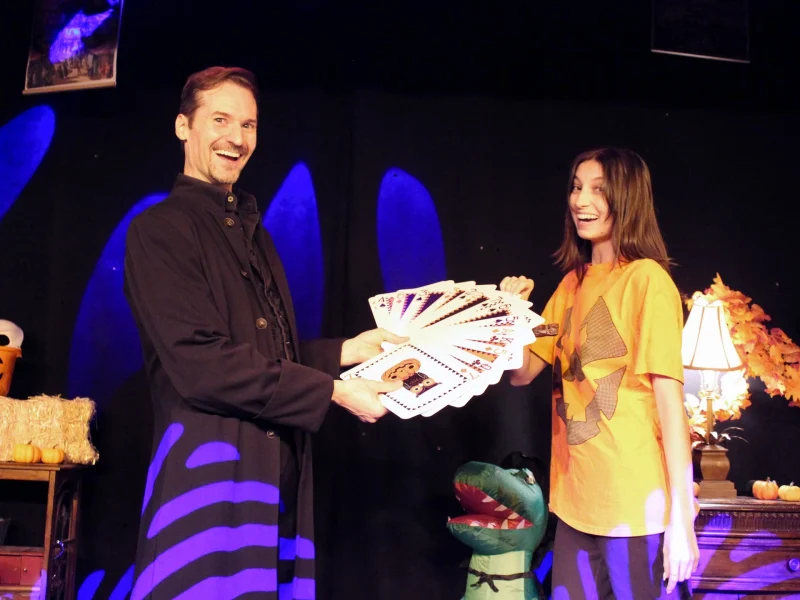
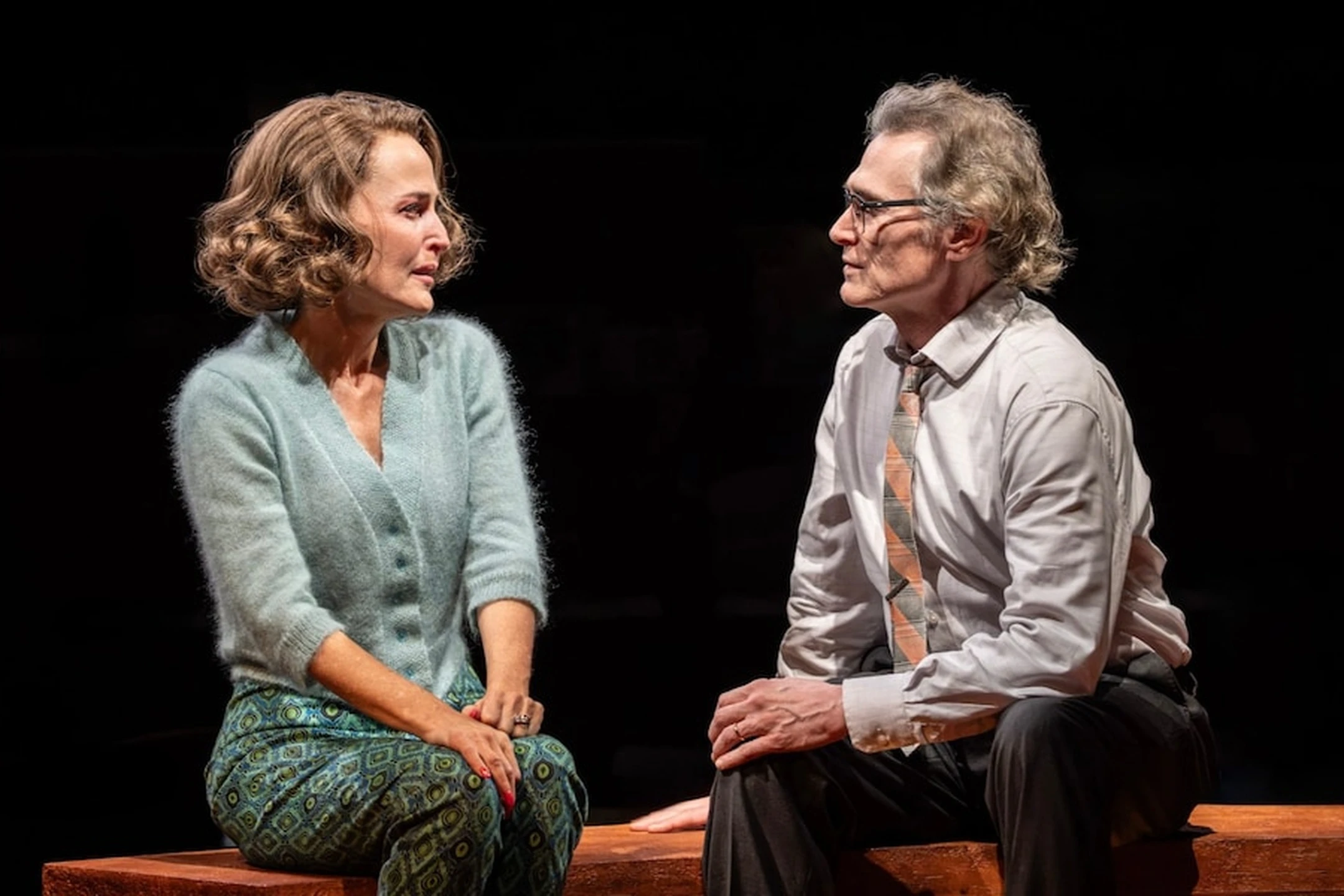
Our final activity transported us back to the Victorian age of fossil hunting. With the help of two Victorian palaeontologists, the children were tasked with piecing together the fossilised remains of a dinosaur. Part scientific investigation, part immersive theatre, it was an inventive introduction to some of the principles of palaeontology and rounded off an impressively varied evening.
What struck me throughout was the enthusiasm and dedication of the team. An overnight event involving large numbers of excited children could easily feel formulaic, but the staff brought genuine energy, expertise and good humour to proceedings. From Helen, our indefatigably cheerful Blue Raptor leader, to the scientists, guides and performers running the individual sessions, there was a palpable commitment to making the night both entertaining and worthwhile.
At around 11.30pm, it was finally time for the part everyone had been waiting for: sleeping in the Museum.
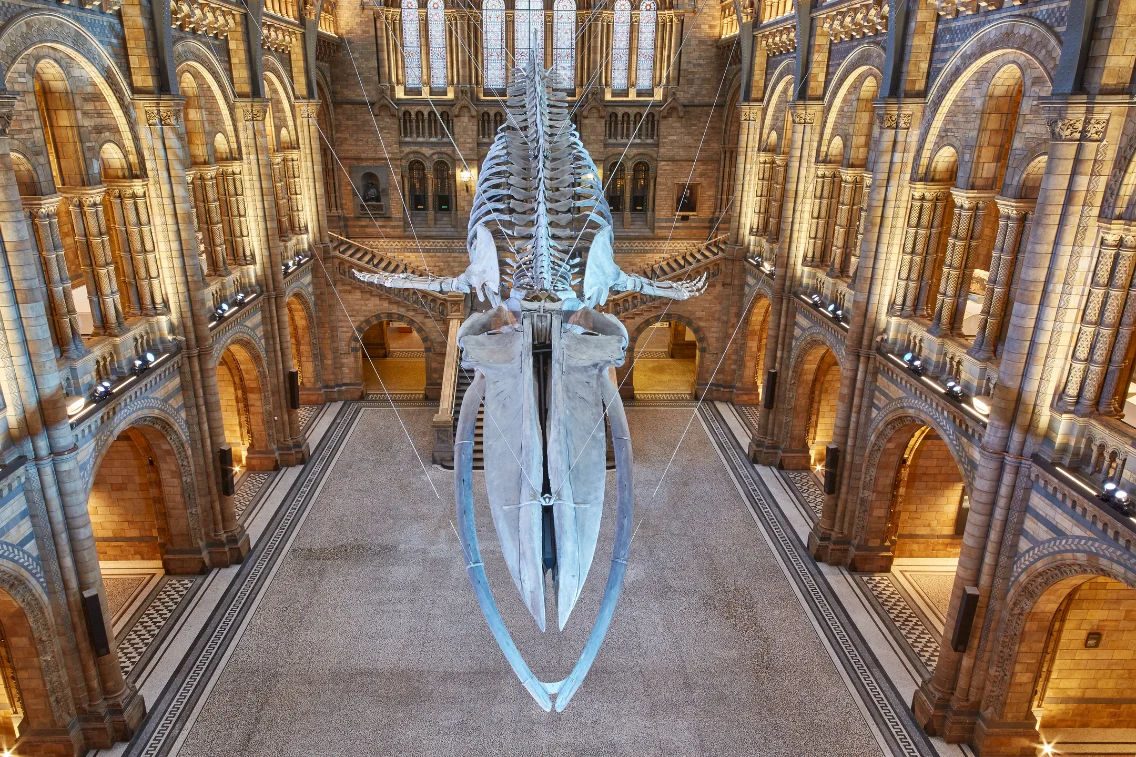
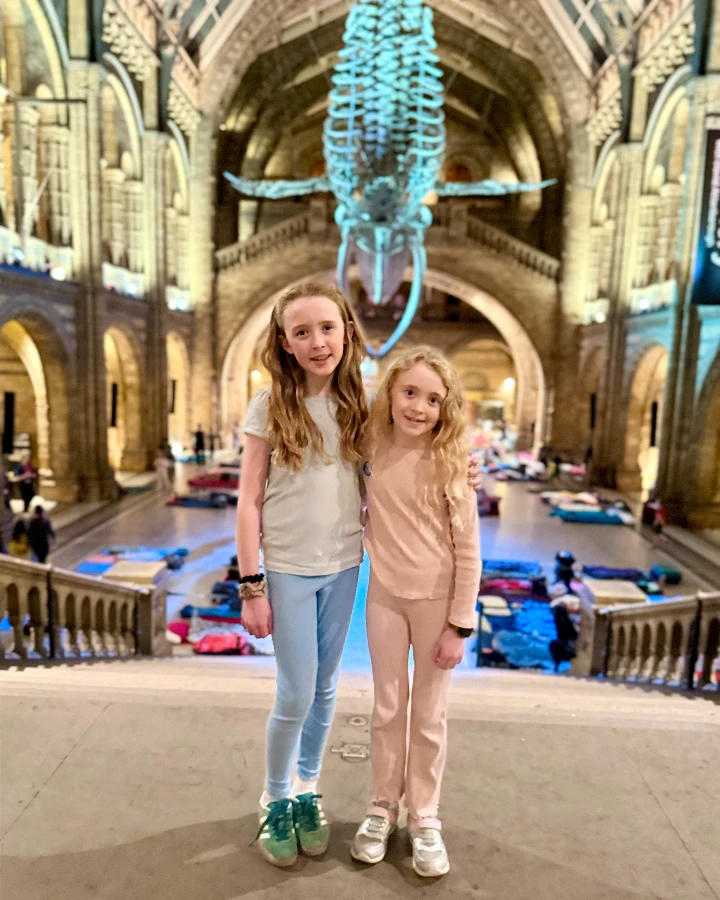
We were allocated a spot beneath an alcove in a corner of Hintze Hall, which turned out to be something of a boon. Our little corner was darker, quieter and more secluded than some of the more exposed areas, while still placing us amid the extraordinary surroundings of the great central hall. Presiding over it all was Hope, the magnificent 25-metre blue whale skeleton suspended overhead.
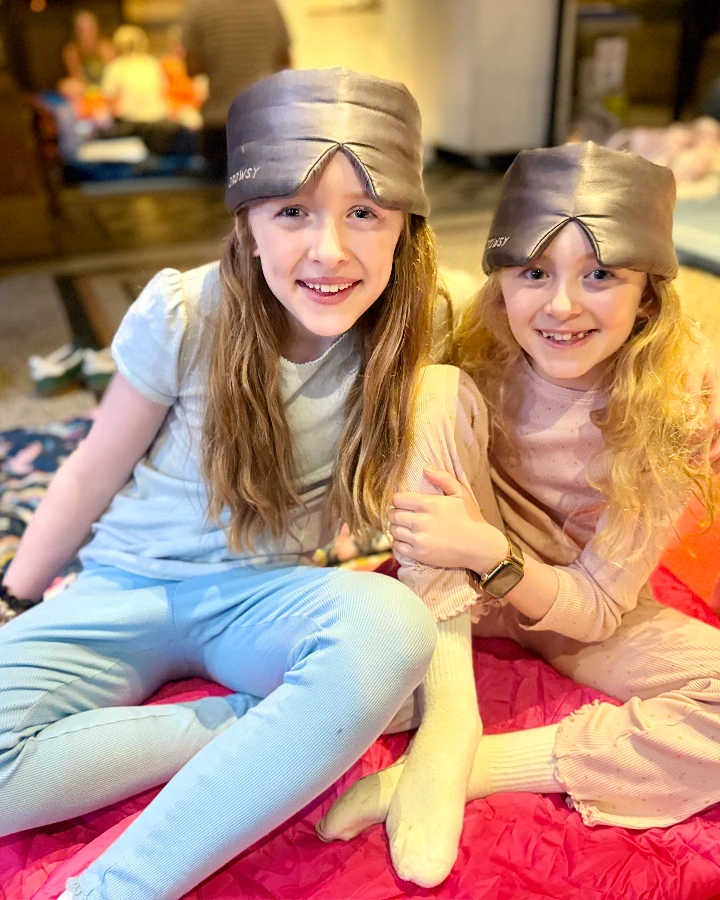
Dino Snores requires a certain amount of preparation. Guests bring their own sleeping bag and pillow, while an eye mask and ear plugs are highly recommended. A foam mat is provided for each camper. This is very much an old-fashioned sleepover rather than a hotel stay, but our sheltered position evidently worked in my favour: according to my Apple Watch, I managed a fairly respectable five hours of sleep.
Wake-up comes promptly at 7am, with breakfast at 7.15am. Porridge, fruit and juice were on offer, along with, crucially, coffee. After a night on a foam mat, I made the most of the latter and gulped down four cups.
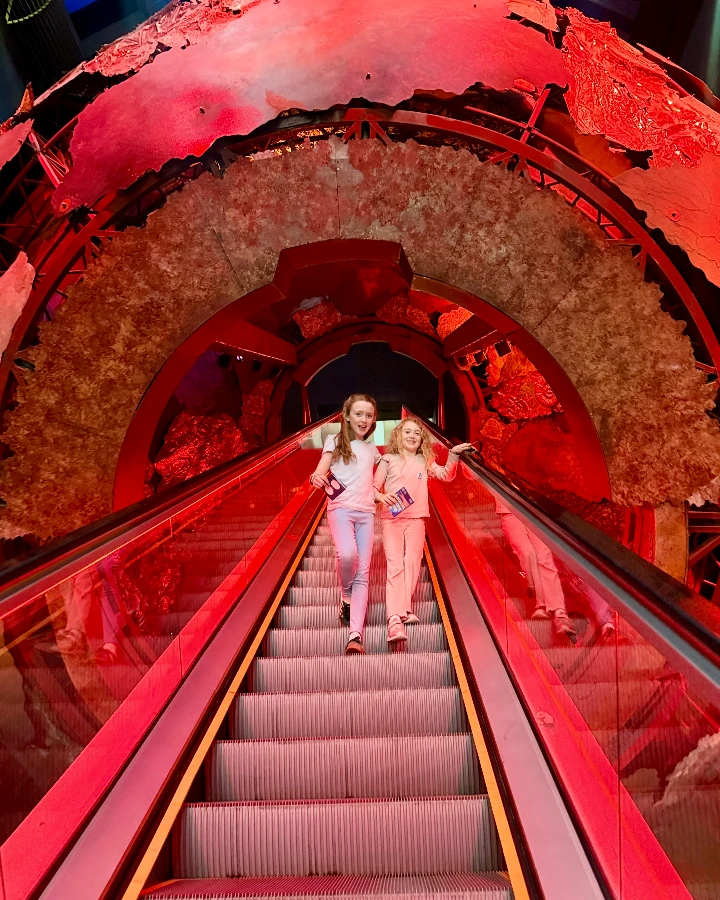
The early start, however, brought with it one of the highlights of experience. After breakfast, we had the opportunity to explore before the doors opened to the public. Having some of the Natural History Museum virtually to ourselves felt like a genuine luxury.
We made our way to the normally packed earthquake and volcano zone, where we could wander around in wonderfully unhurried calm. Anyone who has attempted to navigate the Natural History Museum during a weekend or school holiday will appreciate quite what a treat this is.
Indeed, this privileged access is what elevates Dino Snores beyond a conventional children’s sleepover. The organised programme is thoughtful, varied and full of substance, but just as memorable is the chance to encounter one of London’s great cultural institutions in circumstances unavailable to the average daytime visitor: roaming by torchlight after closing, sleeping in Hintze Hall beneath Hope and wandering through near-empty galleries the following morning.
Parents contemplating Dino Snores should harbour no illusions about the sleeping arrangements. A foam mat on the cold hard floor of a museum is never going to rival a night at Claridge’s, and an eye mask and ear plugs should be considered essential rather than optional. Yet that is hardly the point. The luxury here lies not in thread count or room service, but in access.
For children with even a passing interest in dinosaurs, animals or science, there is plenty to hold their attention, while the calibre of the talks means accompanying adults are unlikely to find themselves simply counting down the hours until bedtime. I certainly hadn’t expected a children’s museum sleepover to leave me considerably better informed about cephalopods.
Ultimately, Dino Snores succeeds because the Natural History Museum itself remains the star attraction. Strip away the novelty of sleeping bags and torches and what remains is a remarkably intimate encounter with a building most of us have only ever experienced alongside thousands of other people. Seeing it quiet, dark and virtually empty offers an entirely different perspective on a place we thought we knew so well.
Five hours’ sleep and four cups of coffee notwithstanding, I would happily do it again.
Natural History Museum, Cromwell Road, London SW7 5BD
Various dates, 18:30-10:00