There are some productions that become so closely associated with a theatre that they feel less like revivals and more like cherished returning guests. Twenty years after its premiere, David McVicar’s The Marriage of Figaro remains one of the Royal Opera House’s crown jewels, a production that combines visual elegance, dramatic clarity and musical vitality with remarkable assurance. Far from showing its age, this latest revival demonstrates exactly why it has endured for two decades.
Mozart’s sublime comedy of love, jealousy, class tensions and mistaken identities unfolds over a single chaotic day in the household of Count Almaviva. Yet what makes The Marriage of Figaro such an enduring masterpiece is the way its comic machinery is balanced by moments of extraordinary humanity. McVicar’s production understands this perfectly, allowing both the humour and the emotional depth to flourish.
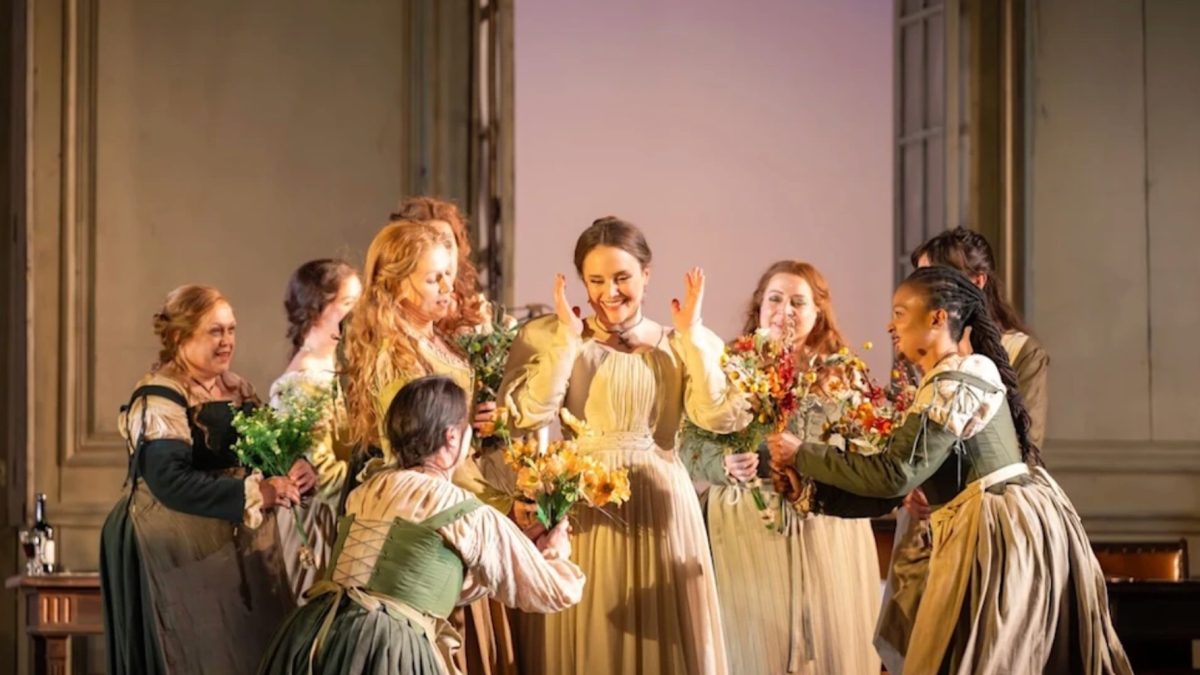
Visually, the production remains a delight. Tanya McCallin’s richly detailed designs evoke an aristocratic world on the brink of change, while the fluid movement of the staging ensures that the complex web of plots and subplots remains crystal clear. Doors open and close with impeccable comic timing, disguises proliferate and misunderstandings multiply, yet the storytelling never feels cluttered. Instead, everything unfolds with an effortless sense of purpose.
The cast assembled for this revival is exceptionally strong. Alex Esposito brings warmth, charisma and an appealing humanity to the title role, creating a Figaro who is both quick-witted and deeply sympathetic. Opposite him, Louise Alder is a radiant Susanna, combining vocal elegance with intelligence, poise and a wonderfully grounded stage presence. Their chemistry forms the beating heart of the evening, and their partnership gives the opera much of its emotional credibility.
As Count Almaviva, Andrey Zhilikhovsky captures both the character’s aristocratic confidence and his growing desperation as events slip beyond his control. Masabane Cecilia Rangwanasha lends genuine dignity and emotional weight to the Countess, her great arias unfolding with beauty and sincerity. Meanwhile, Svetlina Stoyanova makes a memorable Cherubino, bringing youthful impetuosity and charm to Mozart’s lovestruck adolescent. Marianna Hovanisyan proves a sparkling Barbarina, her bright soprano and engaging stage presence ensuring that even this comparatively small role leaves a lasting impression.
In the pit, conductor Bertrand de Billy draws playing of elegance and vitality from the Orchestra of the Royal Opera House. Mozart’s score sparkles throughout, whether in the effervescent ensembles, the intimate moments of reflection or the exhilarating finales that seem to gather the entire company into a whirlwind of perfectly controlled chaos. The orchestral playing possesses both refinement and energy, supporting the singers while allowing the score’s endless invention to shine.
What is perhaps most striking about this revival is how fresh it still feels. Many long-running productions survive largely through reputation; McVicar’s Figaro continues to earn its place through sheer theatrical effectiveness. The comedy remains genuinely funny, the social observations remain sharp and the emotional moments retain their power. Most importantly, the production trusts Mozart and Da Ponte’s extraordinary work, allowing their genius to speak without unnecessary embellishment.
As the final act reaches its moving conclusion and forgiveness triumphs over resentment, one is reminded why The Marriage of Figaro remains one of opera’s greatest achievements. In this superb Royal Opera House revival, it emerges as both a dazzling comedy and a deeply humane portrait of flawed people striving to do better. Twenty years on, McVicar’s production remains as captivating as ever.
The Marriage of Figaro
at the Royal Opera House, Bow St, London WC2E 9DD, to 2 July.