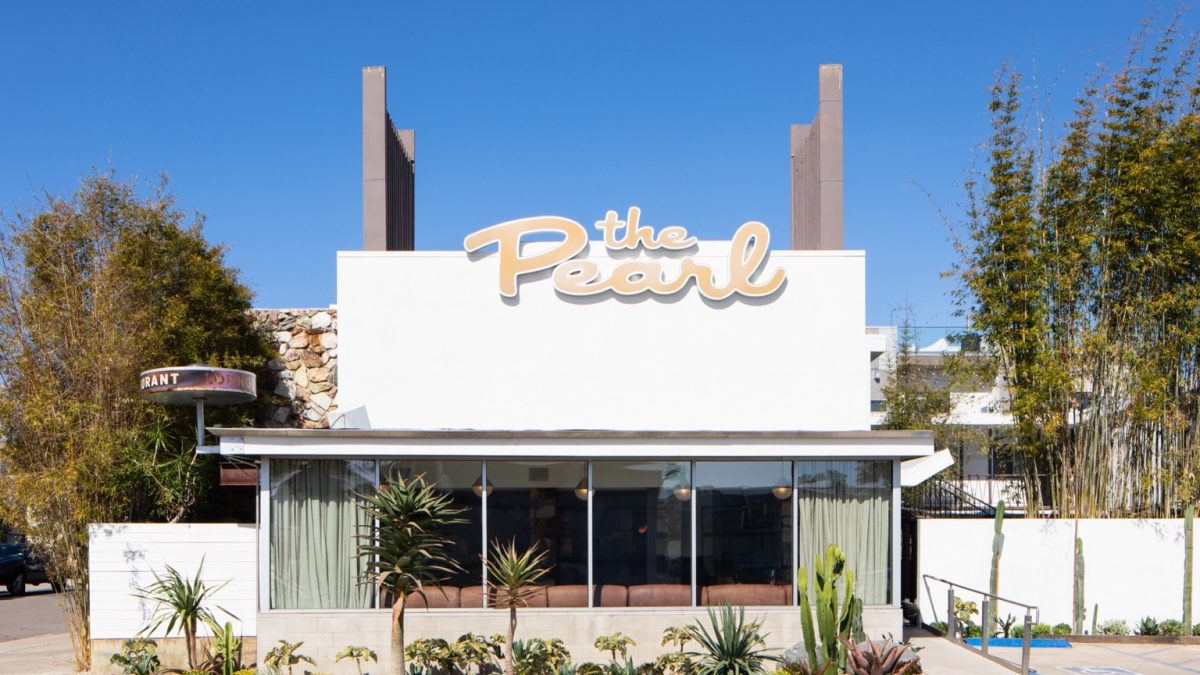
For decades, luxury hospitality was measured by scale. More rooms. Larger spas. Multiple restaurants. An ever-expanding list of amenities designed to keep guests happily contained within the resort. But some of the most interesting hotels today are moving in the opposite direction. They are smaller, more personal and more closely tied to the places around them. What they lack in acreage, they make up for in character.
The Pearl Hotel in San Diego’s Point Loma neighborhood makes a persuasive case for this more intimate approach.
Originally built in the 1950s, the low-slung property retains the easy geometry and indoor-outdoor sensibility of Southern California modernism without turning mid-century design into a theme. The hotel wraps around a central courtyard and swimming pool, creating a natural gathering place that feels closer to the backyard of a particularly stylish California home than the centerpiece of a conventional resort. There is nostalgia here, certainly, but The Pearl knows when to leave the past alone.
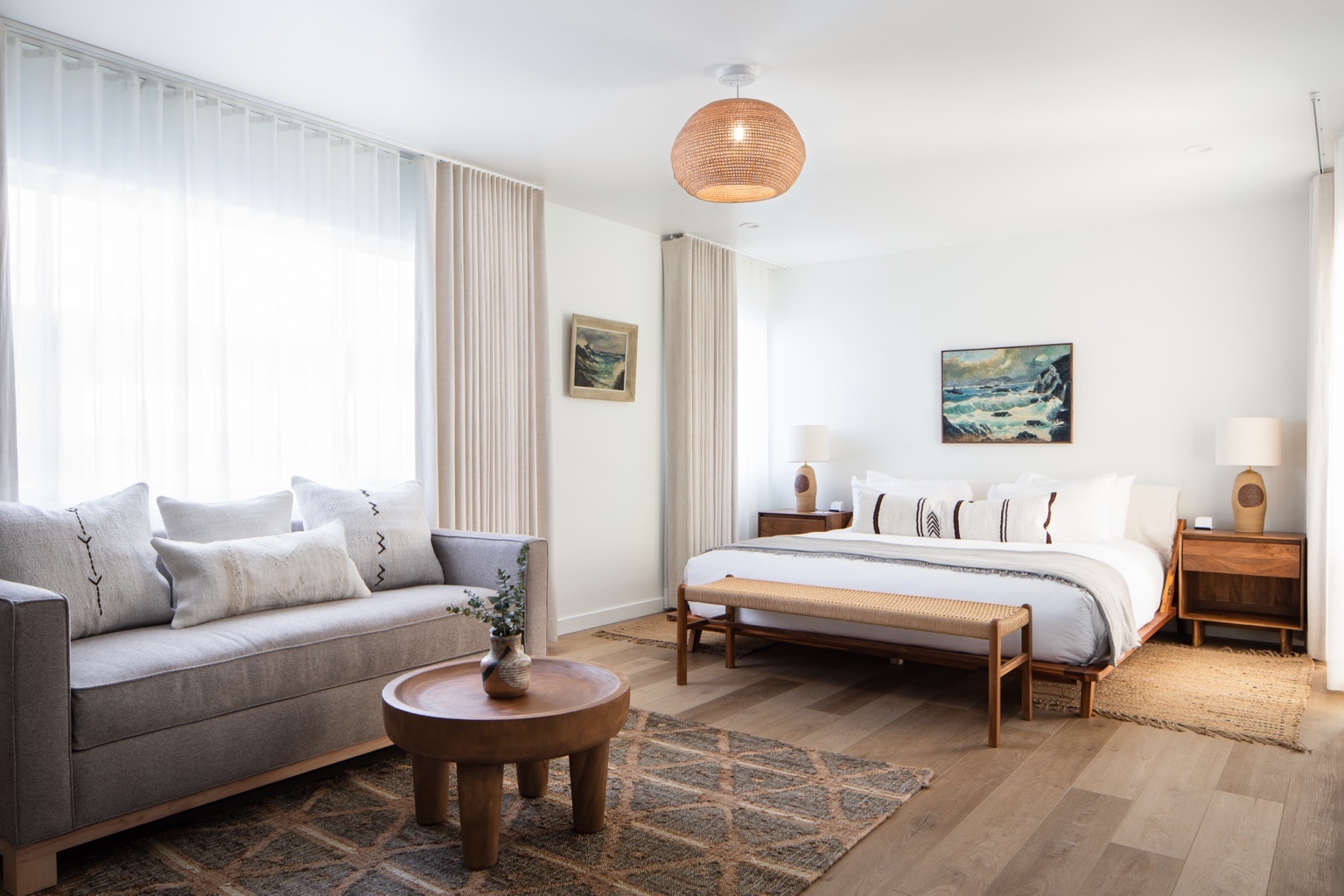
That restraint carries into the guestrooms. Vintage art, live plants and stacks of design books give the rooms the feeling of spaces assembled over time rather than decorated all at once. Aesop bath products are an perfectly understated luxe addition, while private outdoor areas connected to the rooms extend daily life beyond their walls. The effect is residential without trying too hard to convince you that you are staying anywhere other than a hotel.
The pool remains The Pearl’s center of gravity. During the day, it gives the property its languid Southern California rhythm; after dark, it can become something else entirely. On movie nights, films are projected onto the large screen overlooking the water, turning the courtyard into an open-air cinema. It is a charmingly analogue ritual in an era when hotels increasingly seem determined to turn every available surface into another branded experience.
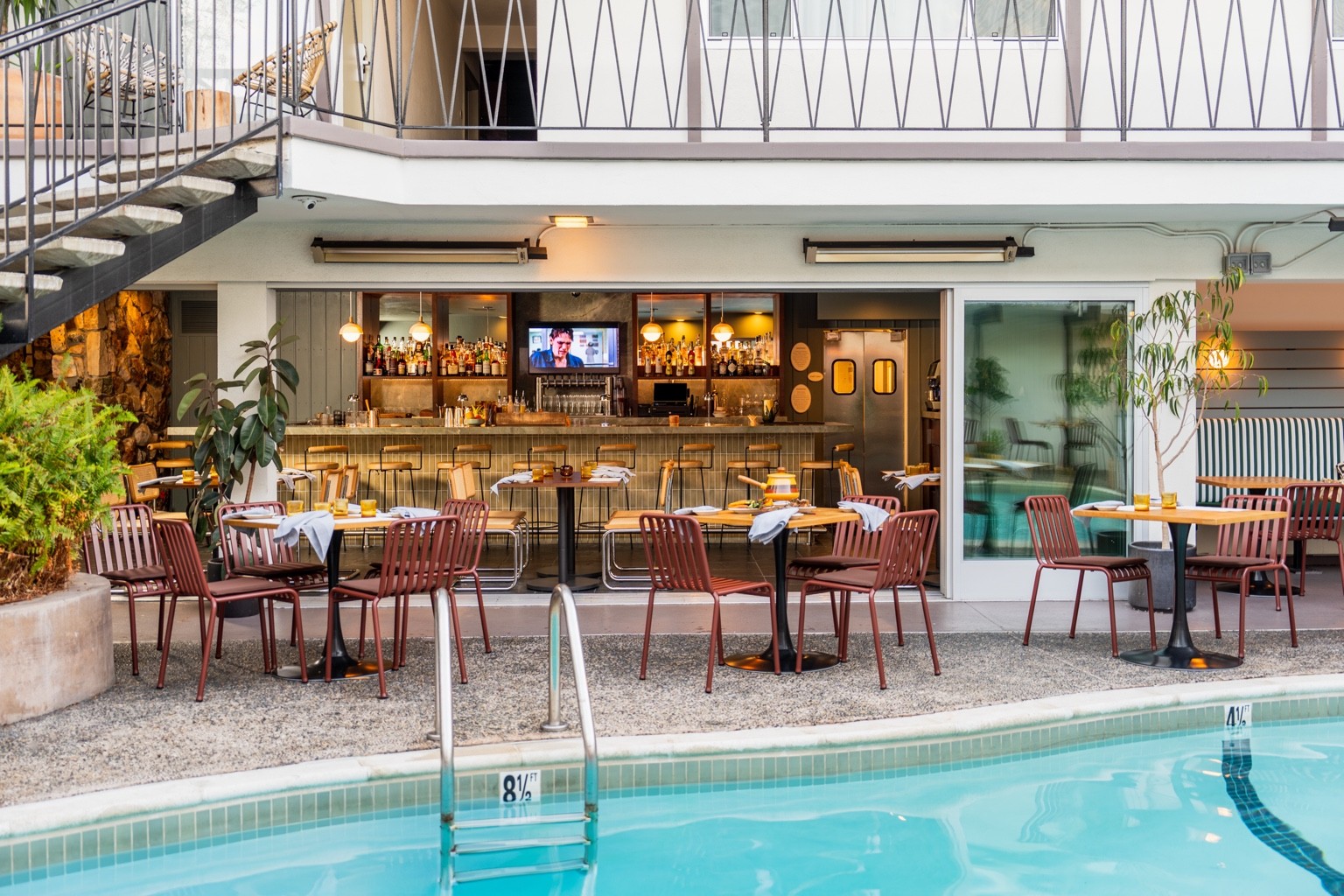
Then there is Ponyboy.
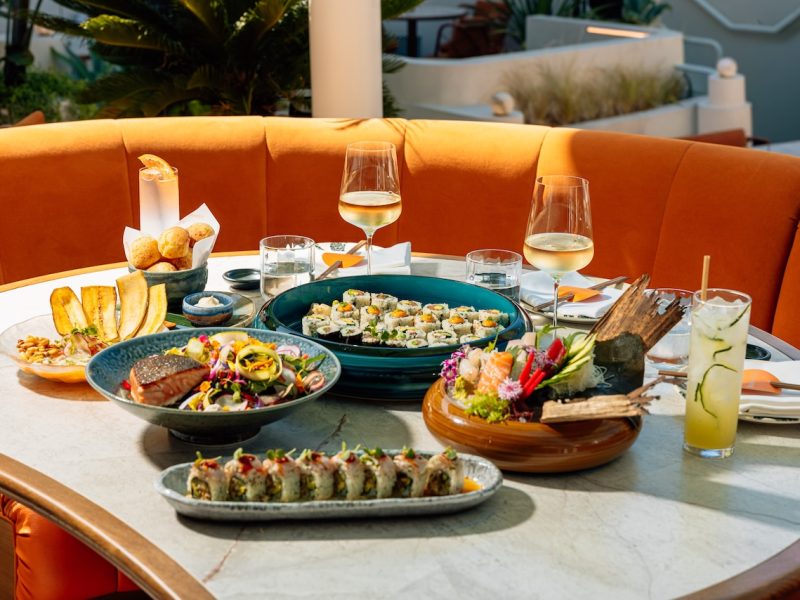
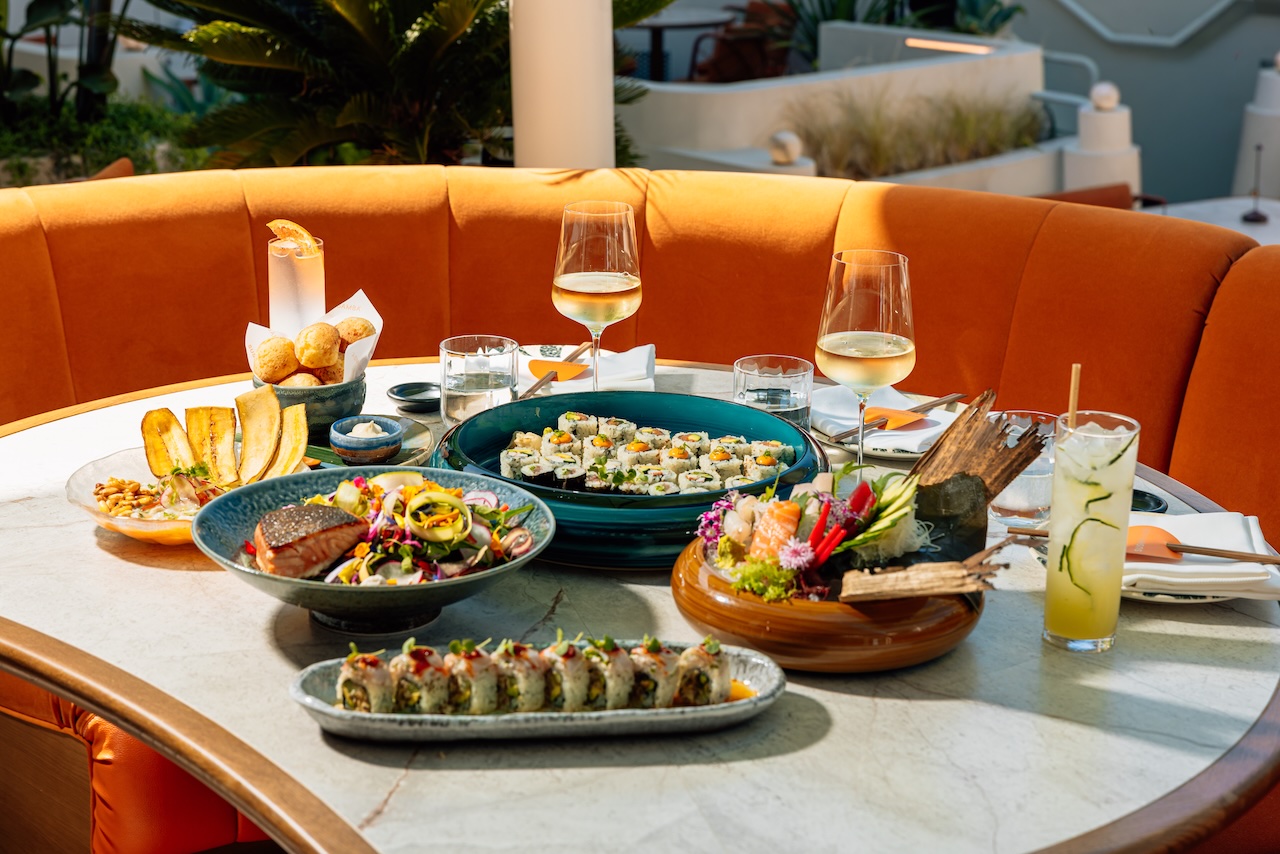
The hotel’s restaurant and bar is not simply somewhere to eat without leaving the property. Opening onto the pool and courtyard, Ponyboy gives The Pearl much of its social life, bringing local San Diegans into the same spaces occupied by overnight guests. Dinner slips easily into drinks; tables spill toward the pool; the distinction between restaurant, bar and hotel gradually becomes less important.
That permeability is crucial to The Pearl’s appeal. Too many hotels, particularly at the luxury end of the market, operate as beautifully appointed islands. Their restaurants, spas and pools are intended to provide everything a guest might need precisely so there is little reason to venture beyond them. The Pearl proposes something different. Ponyboy makes the hotel porous, part of the neighborhood rather than simply located within it.
Point Loma helps. Removed from the polished resort atmosphere of La Jolla and the bustle of downtown, the neighborhood offers a quieter introduction to San Diego. Shelter Island and the marina are nearby, as is Liberty Station, while the surrounding streets retain the slightly idiosyncratic mix of old San Diego that has disappeared from more heavily developed parts of the city. Staying here encourages movement between hotel and neighborhood rather than treating the latter as scenery glimpsed through a window.
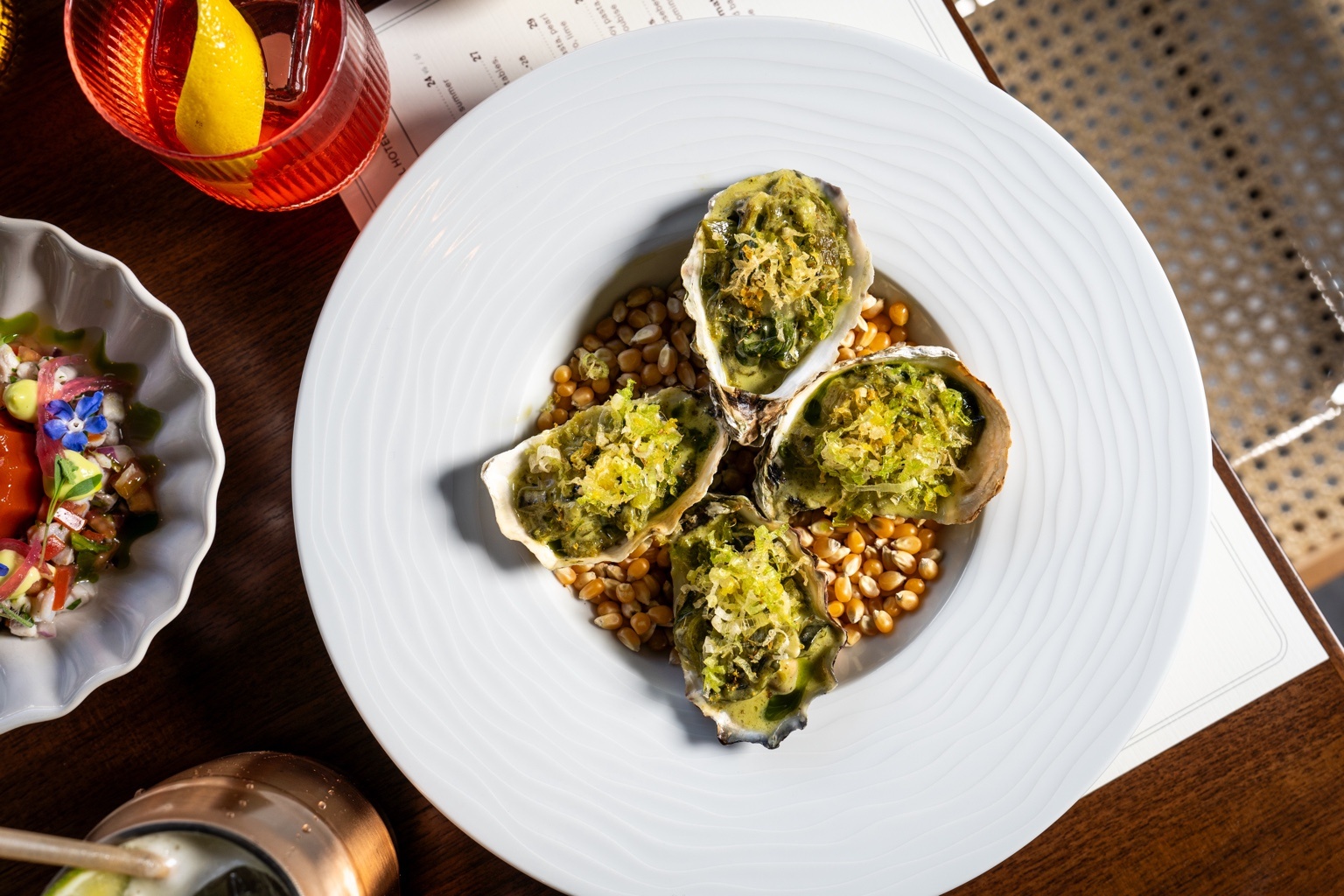
This may be where The Pearl feels most aligned with the changing idea of luxury travel. There is no attempt to compete with San Diego’s sprawling coastal resorts, nor should there be. Its advantage is precisely what those properties cannot easily reproduce: intimacy. With fewer rooms and shared spaces that encourage interaction without demanding it, the hotel can feel simultaneously private and social.
There is also something refreshing about a hotel that understands the difference between having a point of view and making a spectacle of it. The mid-century architecture is allowed to speak for itself. The interiors are stylish without becoming sets. Ponyboy has enough personality to attract people who are not sleeping upstairs. Even the poolside cinema feels less like programming than a continuation of how the property naturally wants to be used.
That distinction matters as luxury hospitality becomes increasingly polished, programmed and, at times, strangely interchangeable. The Pearl offers no grand reinvention of the hotel. Instead, it makes an argument for getting the fundamentals right: good design, a strong restaurant, spaces people actually want to inhabit and a genuine relationship with the neighborhood outside. For travelers increasingly drawn to hotels with character rather than spectacle, that may be more compelling than another infinity pool or marble lobby. The Pearl doesn’t attempt to contain San Diego within its walls. It offers something better: a stylish place from which to become part of it.