


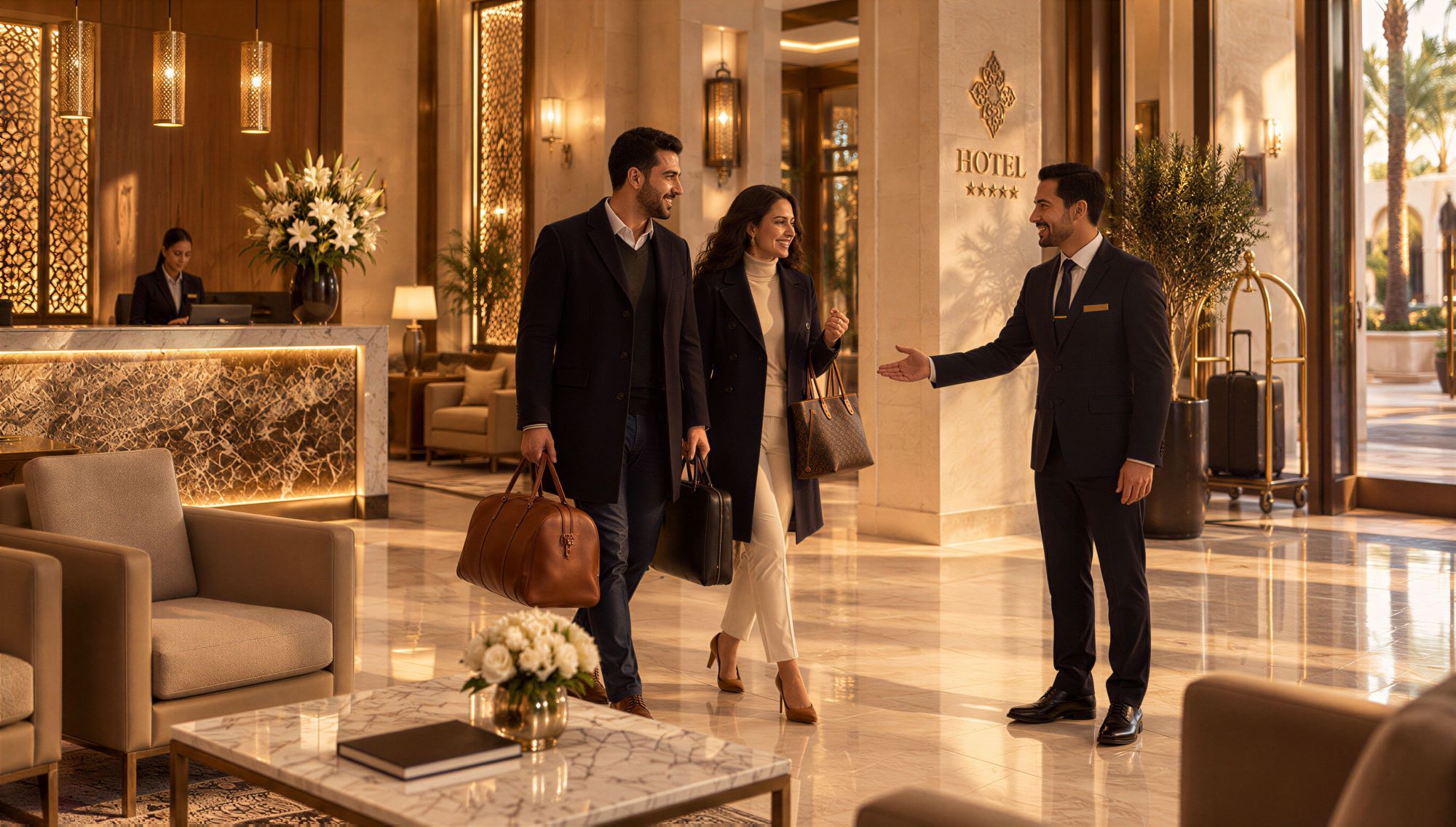
Luxury hotels do more than provide a beautiful place to stay. The world’s best luxury hotels combine exceptional service, distinctive design, memorable dining, desirable locations and experiences that make a journey more meaningful.
JustLuxe’s Best Luxury Hotels selection highlights distinguished hotel brands from around the world, from legendary names with more than a century of history to contemporary collections known for design, culture, wellness and personalized hospitality.
There is no single definition of luxury. For some travelers, it means discreet service and privacy. For others, it may be exceptional architecture, destination dining, wellness, cultural discovery or a spectacular natural setting. The hotel brands featured here represent different interpretations of luxury, but share a commitment to creating memorable guest experiences.
How We Select the Best Luxury Hotel Brands
Luxury means different things to different travelers. When evaluating leading luxury hotel brands, JustLuxe considers the overall guest experience rather than relying on a single rating or standard.
Service: Personalized, attentive and thoughtful hospitality is central to the luxury hotel experience. Accommodations: Guest rooms, suites, villas and residences should provide exceptional comfort, design and amenities. Location: The best hotels enhance their destinations through their setting, accessibility and connection to the surrounding area.
Design and architecture: Exceptional properties often distinguish themselves through architecture, interiors, art and a strong sense of place. Dining: Restaurants, bars, culinary programs and destination dining have become an increasingly important part of luxury hospitality. Wellness: Spas, fitness, holistic treatments and wellness programs can be an important component of the modern luxury experience. Experiences: Private excursions, cultural encounters, outdoor adventures and other destination-specific activities can transform a hotel stay into a memorable journey.
Heritage and identity: Established hospitality traditions and distinctive brand identities can add another dimension to the guest experience.
Best Luxury Hotel Brands
St. Regis Hotels & Resorts
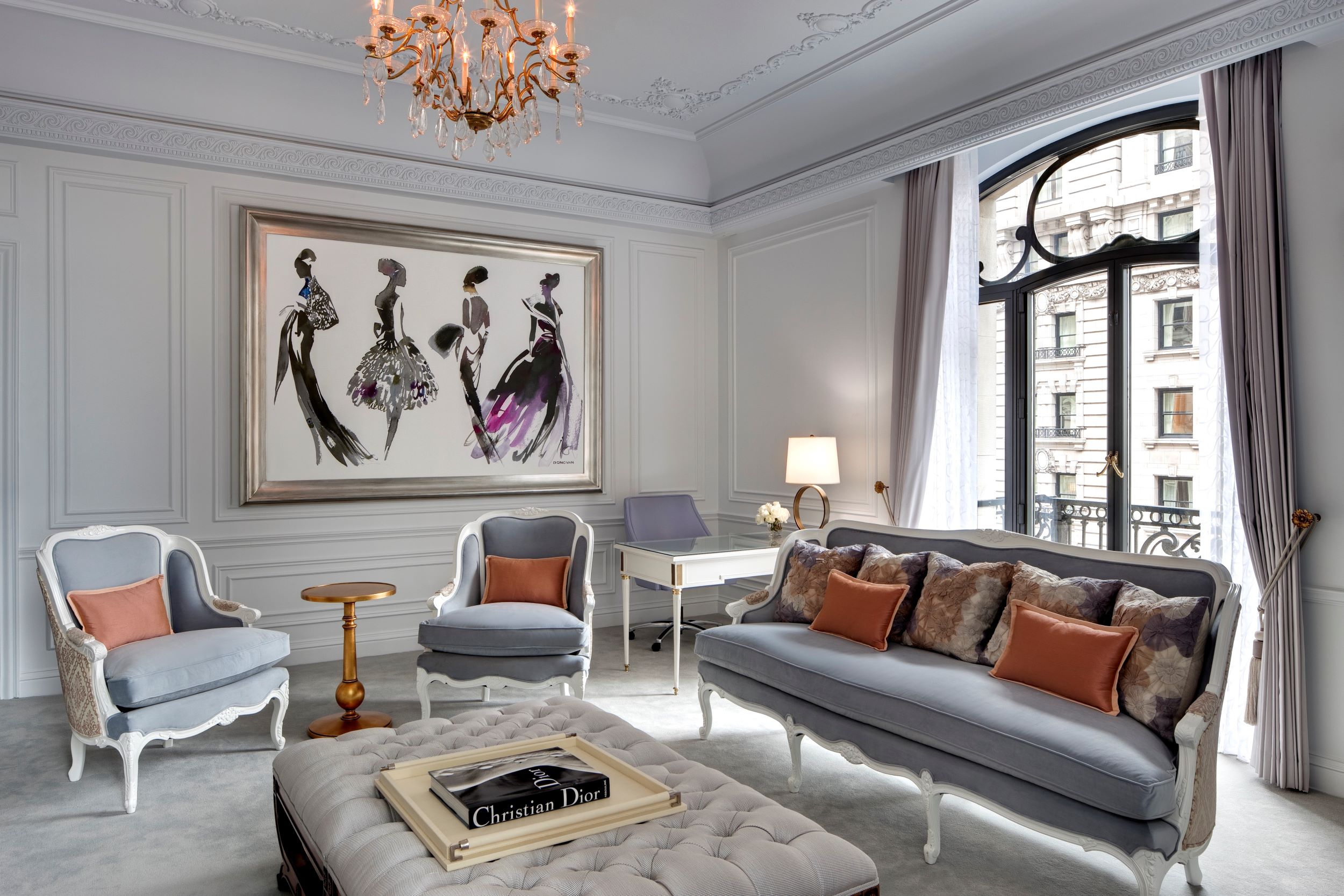
Known for: Personalized service, classic elegance, butler service and hospitality heritage.
The St. Regis story began with The St. Regis New York, which opened in 1904. The brand has carried that tradition of refined hospitality into an international collection of hotels and resorts.
St. Regis is particularly associated with highly personalized service, including its signature butler service. Properties combine classic elements of the brand’s heritage with contemporary design, destination dining and experiences that reflect their individual locations.
St. Regis Hotels & Resorts operates 68 hotels and resorts worldwide, complemented by a growing portfolio of branded residences.
Best for: Travelers who appreciate classic luxury, personalized service and established hospitality traditions.
InterContinental Hotels & Resorts
Known for: International luxury, personalized service, destination experiences and global hospitality.
InterContinental has a long history of international travel, dating to the opening of its first hotel in Brazil in 1949. The brand was created with international travelers in mind and has developed a presence in major cities and destinations around the world.
InterContinental combines an established international hospitality tradition with experiences influenced by local culture, cuisine and destination.
InterContinental Hotels & Resorts operates 242 hotels worldwide, spanning more than 60 countries, with an additional 103 properties in its development pipeline, according to IHG figures as of June 2026
Best for: International travelers looking for established luxury hospitality in major cities and resort destinations.
Shangri-La Hotels & Resorts
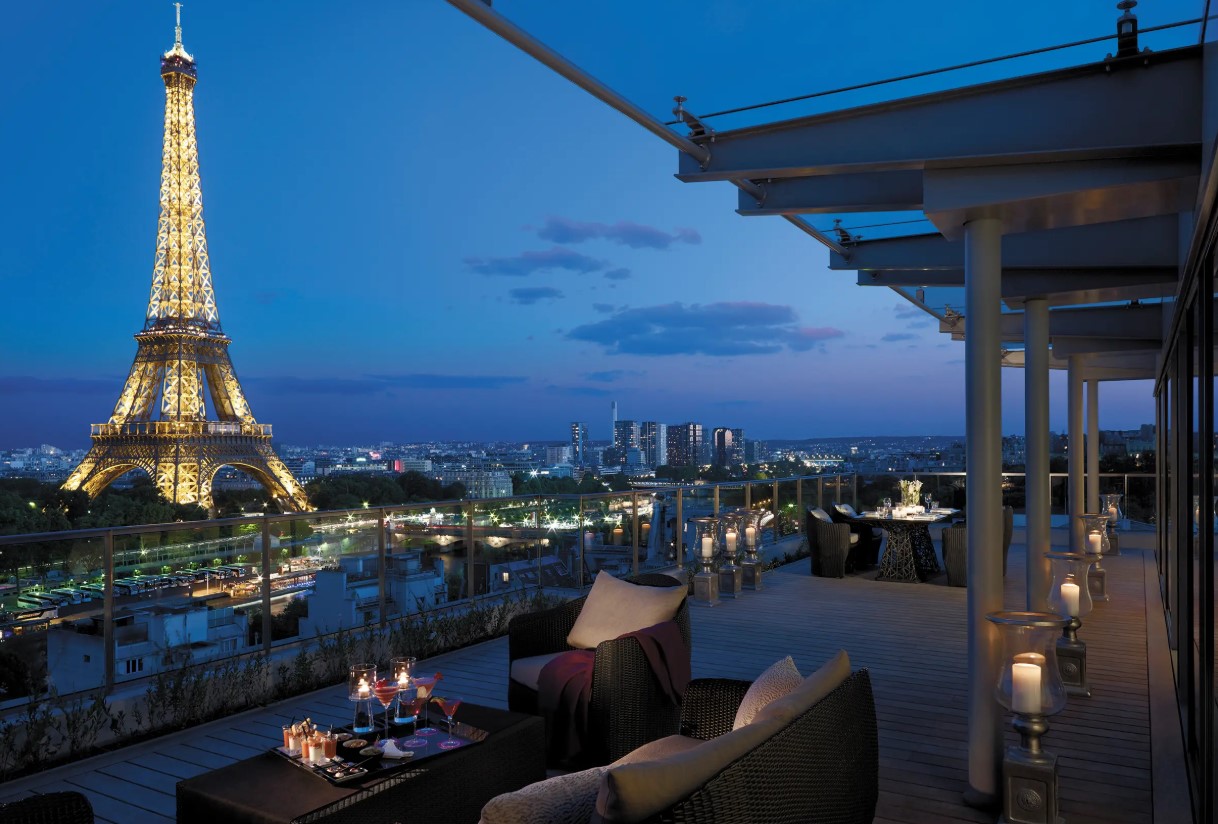
Known for: Asian-inspired hospitality, personalized service, tranquility and destination experiences.
The Shangri-La name was inspired by the fictional Himalayan paradise in James Hilton’s Lost Horizon. The first Shangri-La hotel opened in Singapore in 1971, establishing a hospitality philosophy influenced by Asian traditions of gracious service.
Today, Shangri-La properties range from city hotels to resorts, with individual properties incorporating local design, cuisine, wellness and cultural experiences.
Shangri-La operates approximately 90 hotels and resorts under its flagship brand, as part of a global hospitality portfolio spanning 107 properties across multiple brands as of June 2026
Best for: Travelers seeking refined hospitality, tranquility and an Asian-inspired approach to luxury.
Banyan Tree Hotels & Resorts
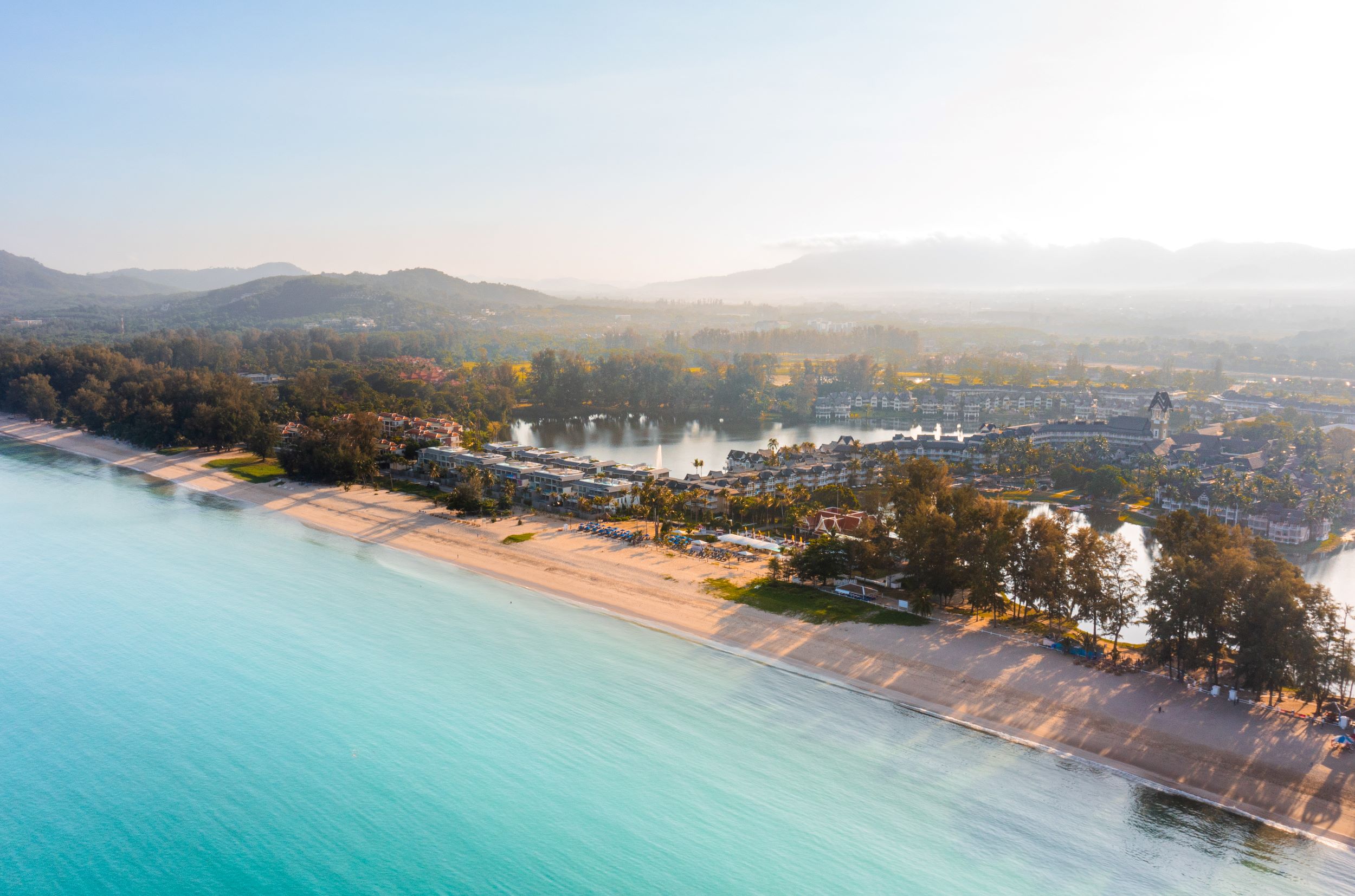
Known for: Nature, wellness, privacy, sustainability and destination experiences.
Banyan Tree has built its identity around the relationship between luxury hospitality and the natural environment. Its resorts frequently emphasize private accommodations, wellness, local culture and settings that allow guests to connect with nature.
The brand also places considerable emphasis on responsible tourism and sustainability, making environmental and community considerations part of its approach to hospitality. Banyan Tree operates 41 hotels worldwide, forming the flagship luxury brand within Banyan Group’s broader portfolio of 100 hotels and resorts
Best for: Travelers seeking private resort experiences, wellness, nature and a more environmentally conscious approach to luxury.
W Hotels
Known for: Contemporary design, music, culture, dining and social experiences.
W Hotels offers a more contemporary interpretation of luxury hospitality. The brand is known for bold design, energetic public spaces, restaurants, bars and a strong connection to music and popular culture.
Rather than emphasizing traditional formality, W approaches luxury as a more expressive lifestyle experience in which the hotel can be a destination for dining, socializing and entertainment as well as accommodation. W Hotels operates 72 hotels worldwide, combining luxury accommodations with a contemporary, design-led lifestyle experience, according to Marriott International’s figures as of June 2026
Best for: Travelers who prefer contemporary design, lively social spaces and a modern approach to luxury.
Sofitel
Known for: French-inspired hospitality, design, cuisine, culture and craftsmanship.
Sofitel brings French hospitality and art de vivre to an international collection of hotels and resorts. Its properties combine French design and culinary traditions with the character of their individual destinations.
The result is an experience that can feel distinctly French while remaining connected to the local culture, architecture and cuisine of each location. Sofitel Hotels & Resorts operates 123 hotels worldwide, bringing French-inspired luxury to destinations across the globe, according to Accor figures as of June 2026
Best for: Travelers who appreciate French style, culinary experiences, art and sophisticated international hospitality.
Relais & Châteaux
Known for: Independent properties, gastronomy, authenticity and a strong sense of place.
Relais & Châteaux offers a distinctive alternative to the traditional hotel chain. Its collection brings together independently operated hotels and restaurants, many with highly individual architecture, history and character.
Food is central to the Relais & Châteaux experience, as are local culture, landscapes and traditions. Properties can range from historic estates and intimate country hotels to destination resorts and celebrated restaurants.
Best for: Travelers who value individuality, gastronomy, authenticity and intimate luxury.
Waldorf Astoria Hotels & Resorts
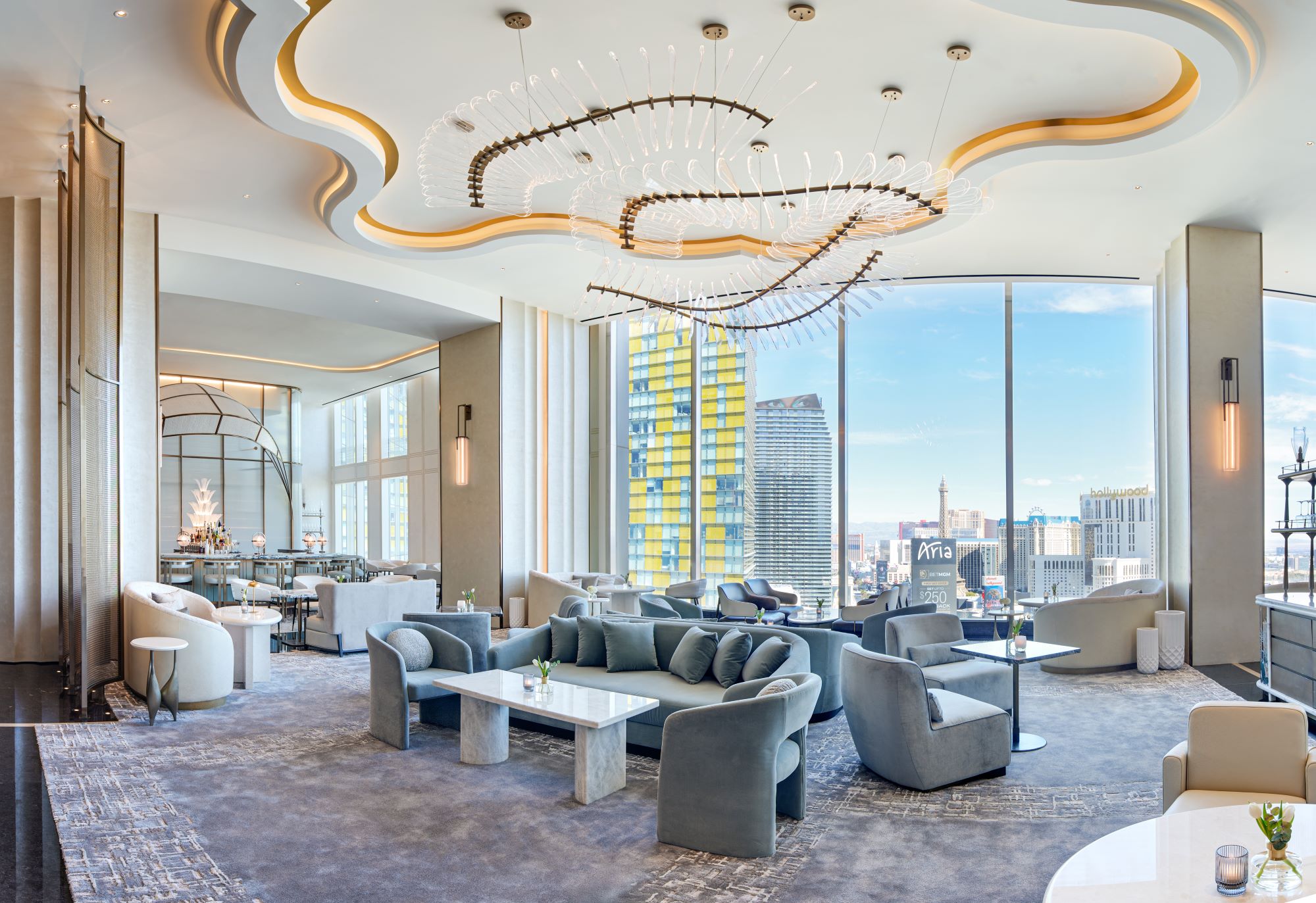
Known for: Heritage, elegant service, iconic hotels, dining and sophisticated experiences.
Waldorf Astoria is one of the most recognizable names in luxury hospitality. Its history is closely associated with The Waldorf Astoria New York and the tradition of grand American hotels.
Today’s Waldorf Astoria properties combine that heritage with contemporary accommodations, destination dining and personalized experiences. Individual properties are designed to reflect their locations while maintaining the refined character associated with the brand. Waldorf Astoria Hotels & Resorts operates 40 hotels worldwide, according to Hilton’s June 2026 reporting.
Best for: Travelers looking for classic luxury, sophisticated service and the heritage of an iconic hotel name.
Rosewood Hotels & Resorts
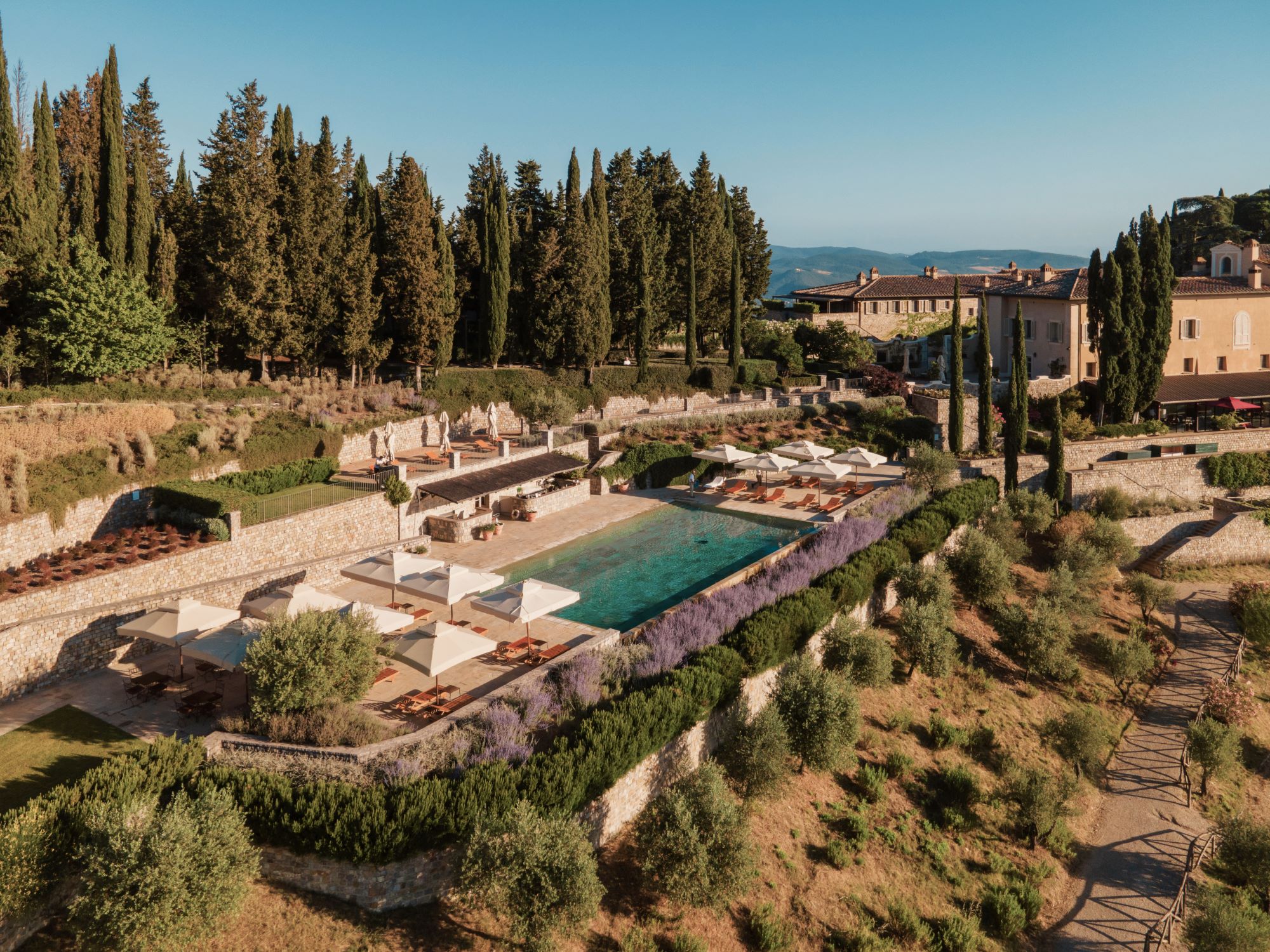
Known for: A strong sense of place, personalized hospitality, culture and immersive experiences.
Rosewood takes an intentionally individual approach to luxury. Its properties are designed to reflect the history, culture and character of their destinations rather than conforming to a single visual formula.
The brand’s A Sense of Place® philosophy is central to its identity. From urban hotels to secluded resorts, Rosewood properties emphasize personalized service, distinctive design and meaningful connections to their surroundings.
Rosewood Hotels & Resorts operates a collection of 34 to 38 luxury hotels, resorts, and residences worldwide, while the parent company—the Rosewood Hotel Group—manages a broader combined portfolio of over 50 to 60 properties across its four distinct brands (including New World Hotels & Resorts, Asaya, and Carlyle & Co.)
Best for: Travelers seeking personalized experiences, sophisticated design and a deeper connection to the destination.
The Ritz-Carlton Hotel Company
Known for: Personalized service, refined surroundings and exceptional guest experiences.
The Ritz-Carlton name has long been associated with traditional luxury hospitality and attentive service. The brand combines elegant accommodations with personalized experiences designed around individual guests and destinations. The Ritz-Carlton operates 122 hotels worldwide, according to Marriott’s June 2026 figures
Its hotels and resorts span major cities, beachfront destinations, mountain retreats and other sought-after locations.
Best for: Travelers who value polished service, classic elegance and personalized luxury.
Fairmont Hotels & Resorts
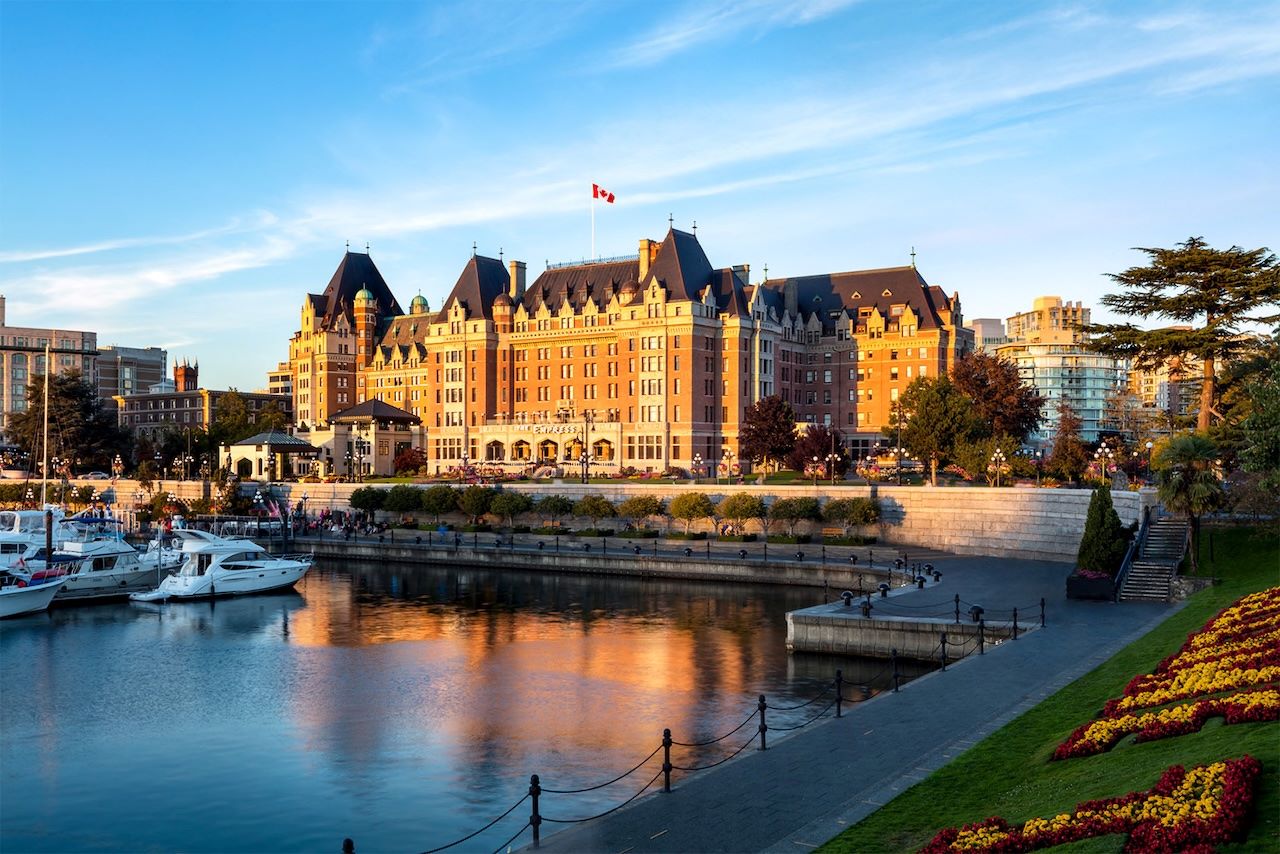
Known for: Historic landmark hotels, architecture, heritage and destination experiences.
Fairmont’s history includes some of the world’s most recognizable grand hotels. Many of its properties are closely connected to the identity and history of their destinations.
Today, Fairmont combines this heritage with contemporary hospitality, destination dining, wellness and experiences. Its portfolio includes landmark city hotels as well as resorts and other destination properties. Fairmont Hotels & Resorts has approximately 96–97 hotels and resorts worldwide, based on recent published figures. The exact total depends on the reporting date
Best for: Travelers who appreciate historic hotels, landmark architecture, destination character and traditional hospitality.
Four Seasons Hotels & Resorts
Known for: Personalized service, exceptional accommodations, luxury resorts and attention to detail.
Four Seasons opened its first hotel in Toronto in 1961 with a philosophy centered on personal service. That emphasis has remained a defining characteristic as the company has expanded around the world.
Four Seasons properties range from major urban hotels to beach resorts, mountain retreats and private residences. While each reflects its destination, the brand maintains a strong emphasis on individualized service and quality.
Best for: Travelers who place a high value on personalized service, consistency and sophisticated accommodations.
Le Méridien
Known for: European heritage, art, design, culture and contemporary hospitality.
Le Méridien was created by Air France in 1972, with its first hotel opening in Paris. Its European heritage continues to influence the brand’s approach to design, art, food and culture.
Today, Le Méridien hotels are found in cities and destinations around the world, combining contemporary hospitality with creative programming and a distinctly European sensibility.
Best for: Travelers interested in European style, art, design, culture and contemporary hospitality.
Mandarin Oriental Hotel Group
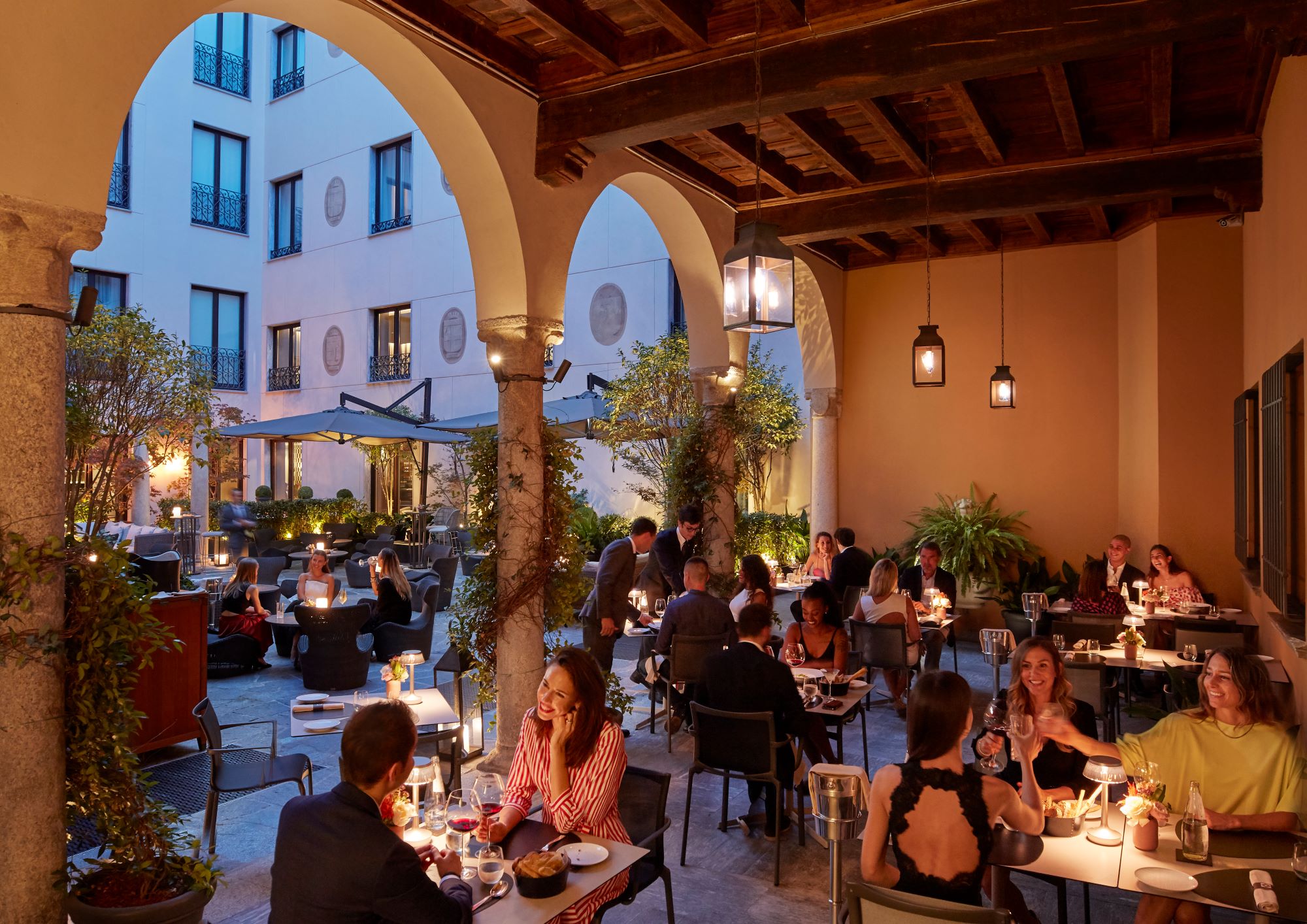
Known for: Personalized service, Asian heritage, refined design, dining and wellness.
Mandarin Oriental combines a strong heritage of Asian hospitality with contemporary luxury. Its hotels and resorts are known for attentive service, sophisticated accommodations, destination dining and wellness experiences.
The brand’s properties range from landmark city hotels to resort destinations, with each property incorporating elements of its location while maintaining Mandarin Oriental’s distinctive approach to service.
Best for: Travelers seeking highly personalized service, refined design, exceptional dining and sophisticated wellness experiences.
Aman
Known for: Privacy, tranquility, architecture, discreet service and extraordinary destinations.
Aman has developed a distinctive approach to luxury hospitality centered on privacy, space and a strong connection to place. Many Aman properties are deliberately intimate, with architecture and design created to complement their natural or cultural surroundings.
The brand’s hotels and resorts range from remote retreats to urban sanctuaries and culturally significant destinations. Discreet service and a sense of seclusion are important elements of the Aman experience.
Best for: Travelers seeking privacy, tranquility, exceptional design and an intimate luxury experience.
Bvlgari Hotels & Resorts
Known for: Italian design, contemporary luxury, jewelry heritage, gastronomy and sophisticated urban resorts.
Bvlgari Hotels & Resorts extends the aesthetic of the Italian luxury jewelry house into hospitality. The properties combine contemporary Italian design, sophisticated materials and architectural character with highly personalized service.
Restaurants, bars and wellness facilities are important components of the experience, while each property reflects both Bvlgari’s distinctive identity and its destination.
Best for: Travelers who appreciate contemporary Italian design, fashion, fine dining and sophisticated luxury.
Cheval Blanc
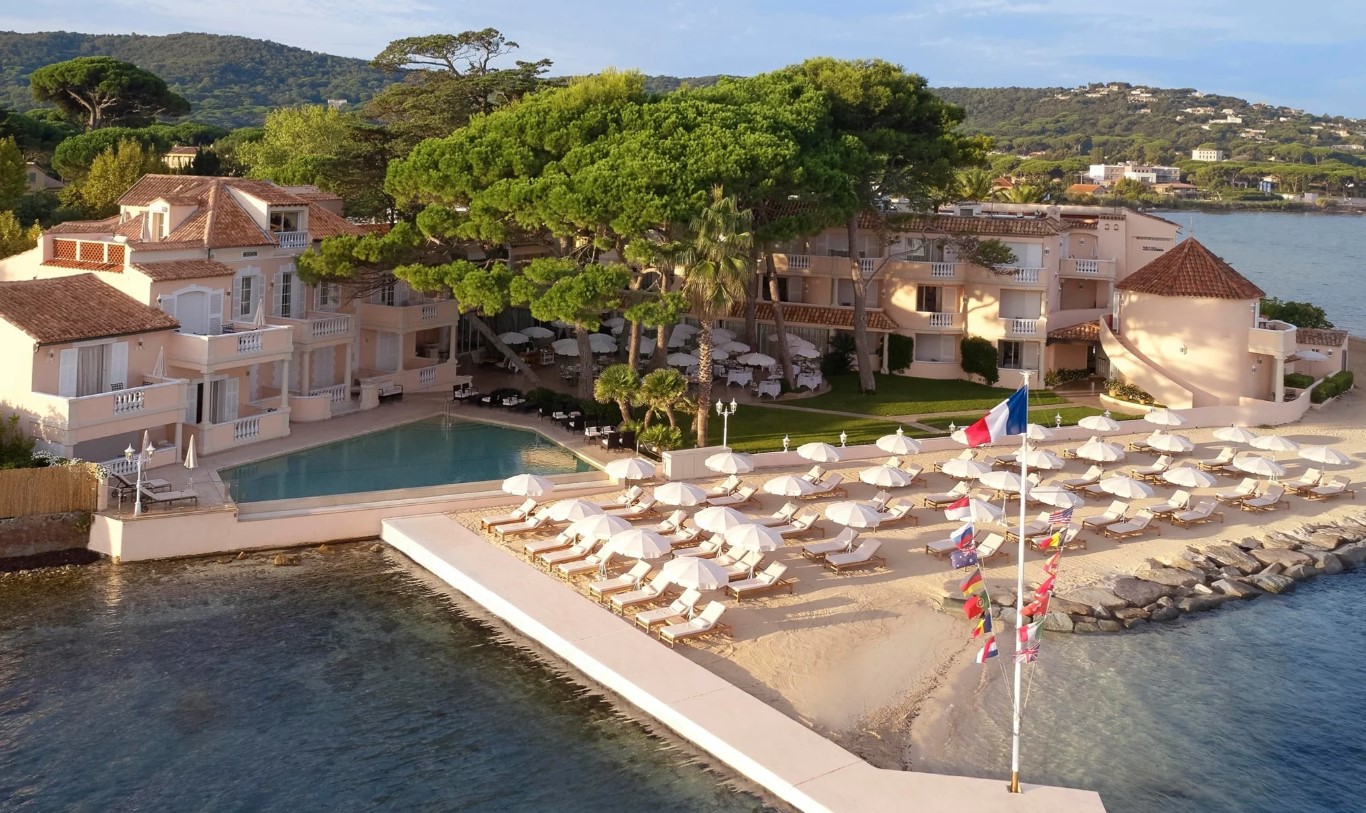
Known for: French Art de Vivre, craftsmanship, intimate properties, gastronomy and wellbeing.
Cheval Blanc offers a distinctly French interpretation of luxury hospitality. Created by LVMH, the brand combines craftsmanship, contemporary design and highly personalized service with a strong connection to each destination.
Its intimate Maisons range from alpine retreats to tropical resorts and city properties. Gastronomy, wellbeing, contemporary art and local craftsmanship are integral to the Cheval Blanc experience.
Best for: Travelers seeking highly personalized French luxury, exceptional design, gastronomy and distinctive destinations.
Six Senses
Known for: Wellness, sustainability, nature, local culture and transformative experiences.
Six Senses has built its identity around the idea that luxury travel can support personal wellbeing while respecting the natural environment. Wellness extends throughout the guest experience, from spas and sleep programs to nutrition and longer wellness retreats.
Sustainability and community are equally important components of the brand. Six Senses properties emphasize local culture, environmental responsibility and connections to their surroundings.
Best for: Travelers seeking wellness, nature, sustainability and immersive experiences.
One&Only
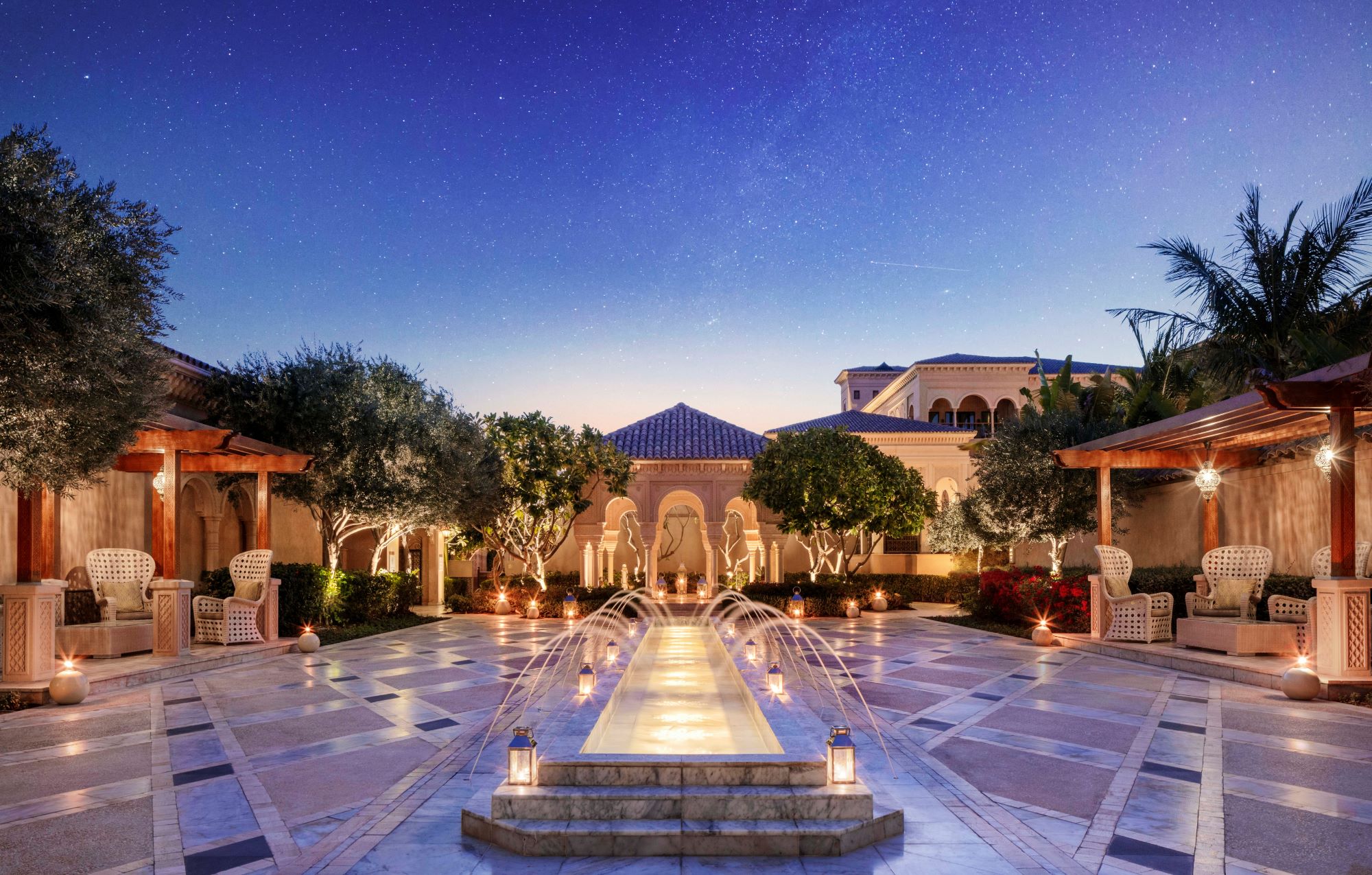
Known for: Ultra-luxury resorts, privacy, personalized service and extraordinary destinations.
One&Only focuses on creating highly individual resort experiences in some of the world’s most desirable destinations. Properties are designed around their settings, with an emphasis on exceptional accommodations, dining, service and memorable experiences.
The brand’s resorts can range from tropical island escapes to desert destinations and sophisticated urban retreats, with privacy and personalized hospitality central to the experience.
Best for: Travelers seeking exceptional resorts, privacy, personalized service and destination experiences.
Auberge Collection
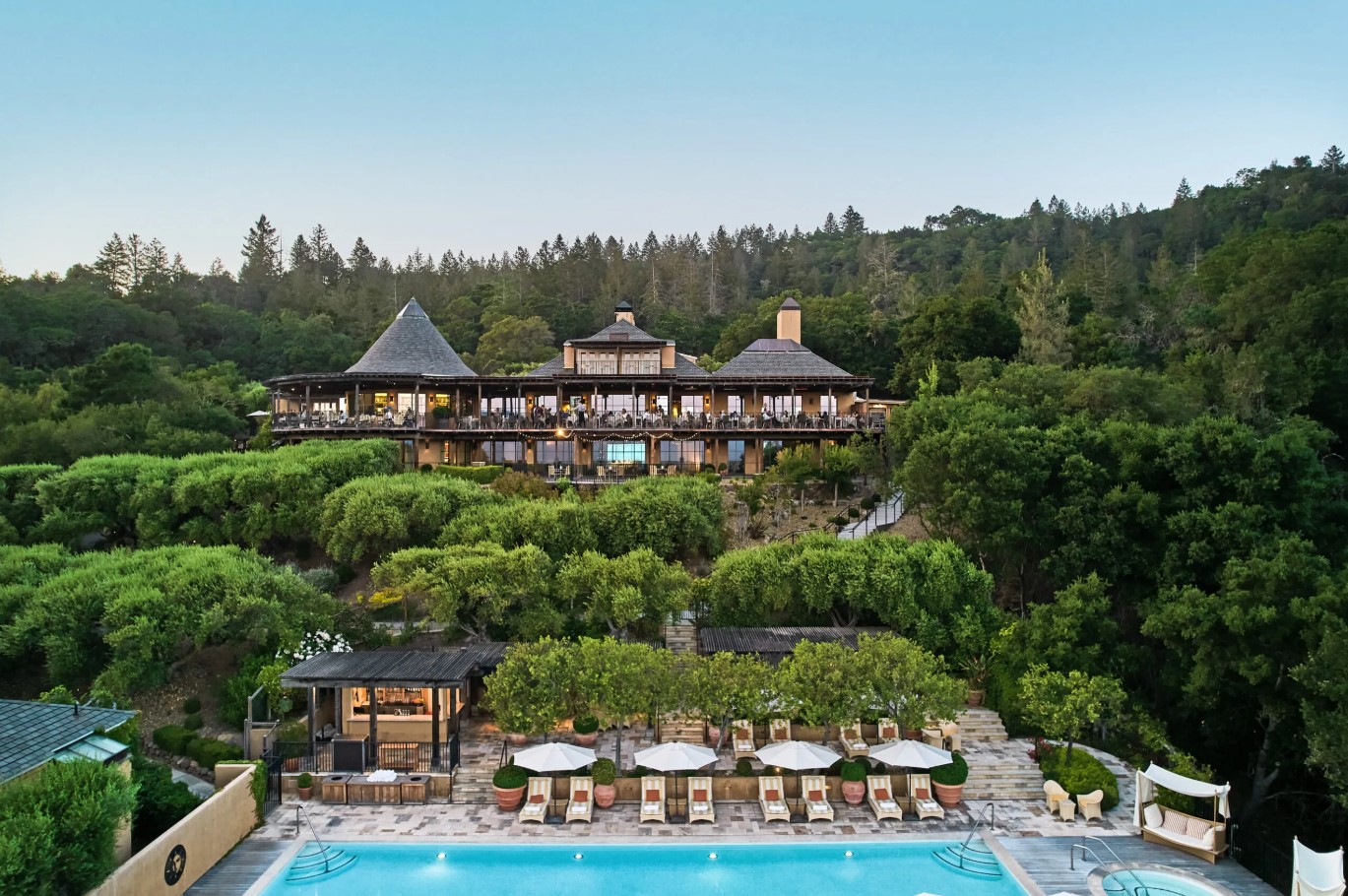
Known for: One-of-a-kind properties, local culture, personalized service, culinary experiences and wellbeing.
Auberge Collection takes an intentionally individual approach to luxury hospitality. Its portfolio includes hotels, resorts, residences and safari properties, each designed to have its own identity and connection to its surroundings.
Auberge emphasizes local experiences, destination dining, wellness and personal service. Properties range from wine-country retreats and mountain destinations to beachfront resorts, city hotels and safari camps.
Best for: Travelers who prefer distinctive properties, local character, culinary experiences, wellness and destination-driven travel.
Capella Hotels & Resorts
Known for: Personalized service, craftsmanship, culture, design and intimate luxury.
Capella Hotels & Resorts focuses on creating highly personalized experiences that connect guests with the character of each destination. Properties combine sophisticated design with attentive service, local culture and carefully considered details.
The collection includes city hotels and resorts, with accommodations and experiences designed to provide a more intimate interpretation of luxury hospitality.
Best for: Travelers seeking personalized service, privacy, sophisticated design and culturally rich experiences.
Raffles Hotels & Resorts
Known for: Heritage, elegance, personalized service, butler service and iconic properties.
Raffles traces its history to the opening of Raffles Hotel Singapore in 1887. That original property established traditions of gracious hospitality and distinctive service that remain central to the brand.
Today’s Raffles properties combine this heritage with contemporary luxury. Individual hotels are designed to reflect their destinations while offering elegant accommodations, destination dining and highly personalized service.
Best for: Travelers who appreciate historic hotel traditions, sophisticated service, distinctive architecture and timeless elegance.
Jumeirah
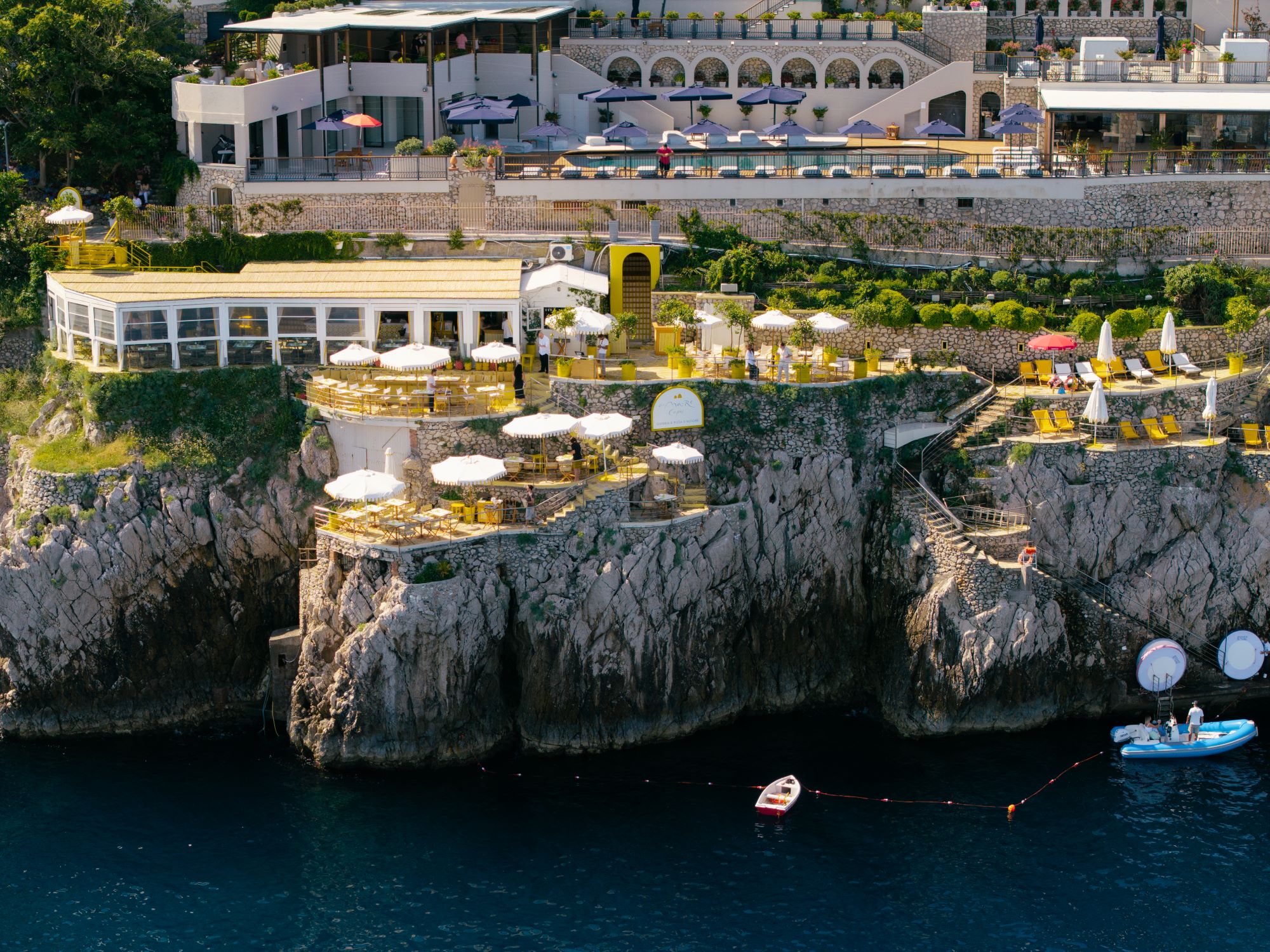
Known for: Arabian hospitality, iconic architecture, luxury resorts, dining and destination experiences.
Jumeirah is a Dubai-based luxury hospitality brand with a portfolio spanning city hotels, beachfront resorts and distinctive destination properties.
The brand is closely associated with Dubai’s modern luxury identity, including the iconic Burj Al Arab Jumeirah. Across its portfolio, Jumeirah combines architecture, hospitality, dining, wellness and experiences that reflect the destinations in which its properties are located.
Best for: Travelers seeking contemporary luxury, striking architecture, resort experiences and distinctive Middle Eastern hospitality.
Design Hotels
Known for: Independent hotels, architecture, contemporary design and cultural connection.
Design Hotels takes a distinctly individual approach to luxury hospitality. Rather than following a standardized hotel formula, the collection brings together independent properties with their own architectural identities, design philosophies and connections to their destinations.
For travelers who view the hotel itself as part of the travel experience, Design Hotels offers an opportunity to discover properties shaped by architecture, art, culture and the personalities behind them.
Best for: Design-conscious travelers seeking distinctive hotels with personality and a strong sense of place.
Luxury Hotels by Travel Style
The best luxury hotel depends on what you want from the trip. These categories can help narrow the choices.
Best Luxury Hotels for Personalized Service
Personalized service is central to the identity of brands such as Four Seasons, Mandarin Oriental, St. Regis, Ritz-Carlton, Rosewood, Raffles and Capella. These brands place particular emphasis on attentive hospitality and experiences tailored to individual guests.
Best Luxury Hotels for Privacy
For travelers who value seclusion and discretion, Aman, One&Only, Six Senses and Cheval Blanc offer distinctive approaches to private luxury. Their properties often emphasize intimate settings, spacious accommodations, villas or secluded destinations.
Best Luxury Hotels for Design
Travelers who view architecture and interiors as an essential part of the experience may want to explore Design Hotels, Bvlgari, Cheval Blanc, W Hotels, Auberge Collection and Aman.These brands approach design differently, ranging from contemporary urban properties to destination-inspired architecture and highly individual interiors.
Best Luxury Hotels for Wellness
Wellness has become an important part of luxury travel, particularly at Six Senses, Banyan Tree, Mandarin Oriental, Aman and Cheval Blanc.Experiences can include traditional spa treatments, fitness, sleep programs, nutrition, mindfulness and more comprehensive wellness retreats.
Best Luxury Hotels for Resorts
For travelers looking for a resort experience, One&Only, Four Seasons, Rosewood, Six Senses, Banyan Tree, Shangri-La and Jumeirah offer a range of beachfront, island, mountain and destination resorts. Best Luxury Hotels for Heritage
Travelers interested in the history and traditions of luxury hospitality may want to explore Raffles, St. Regis, Waldorf Astoria, Fairmont and Ritz-Carlton. Many properties within these brands have histories closely connected to the destinations in which they are located.
Best Luxury Hotels for Food and Dining
For travelers who make cuisine an important part of the journey, Relais & Châteaux, Auberge Collection, Cheval Blanc, Bvlgari, Rosewood and Mandarin Oriental offer strong culinary programs across their portfolios. Individual properties can range from destination restaurants and Michelin-recognized dining to locally focused cuisine and private culinary experiences.
Best Luxury Hotels for Cultural Experiences
Travelers looking to connect with local culture can explore Design Hotels, Rosewood, Six Senses, Auberge Collection, Relais & Châteaux and Capella. These brands often emphasize local architecture, cuisine, traditions, artists, craftspeople and destination-specific experiences.
How to Choose a Luxury Hotel
Choosing a luxury hotel begins with deciding what matters most to you.
For a romantic escape, privacy, atmosphere and dining may be priorities. For a family vacation, accommodations, activities and location may be more important. A wellness retreat may call for a hotel with an extensive spa and wellness program, while a city trip may place greater emphasis on architecture, restaurants, culture and location.
It is also worth considering whether you prefer the consistency of a global luxury hotel brand or the individuality of an independent property. The best luxury hotel is ultimately the one that matches the experience you want from the destination.
Explore More Luxury Travel
Luxury hospitality extends well beyond the hotel itself. Continue exploring JustLuxe for more inspiration on luxury resorts, hotel suites, luxury villas, spas, private travel and extraordinary destinations. Whether the perfect escape means a secluded island resort, an iconic city hotel, a historic European property or a wellness retreat surrounded by nature, the world’s luxury hotels offer countless ways to make the journey itself part of the experience.
