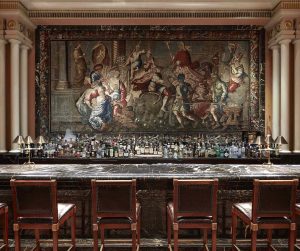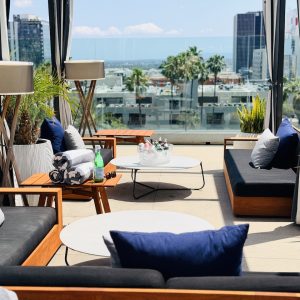
Every great Italian summer begins with a city and ends beside the sea. In Rome, days unfold between shaded piazzas, late dinners, and the low hum of Vespa traffic drifting through open windows. In Capri, time softens entirely — reduced to salt air, boat rides, and long lunches that stretch lazily toward sunset. Few hotels capture that transition more elegantly than J.K. Place Roma and J.K. Place Capri, two sister properties from J.K. Collection that together distill the glamour of Rome and Capri into a singular lifestyle.
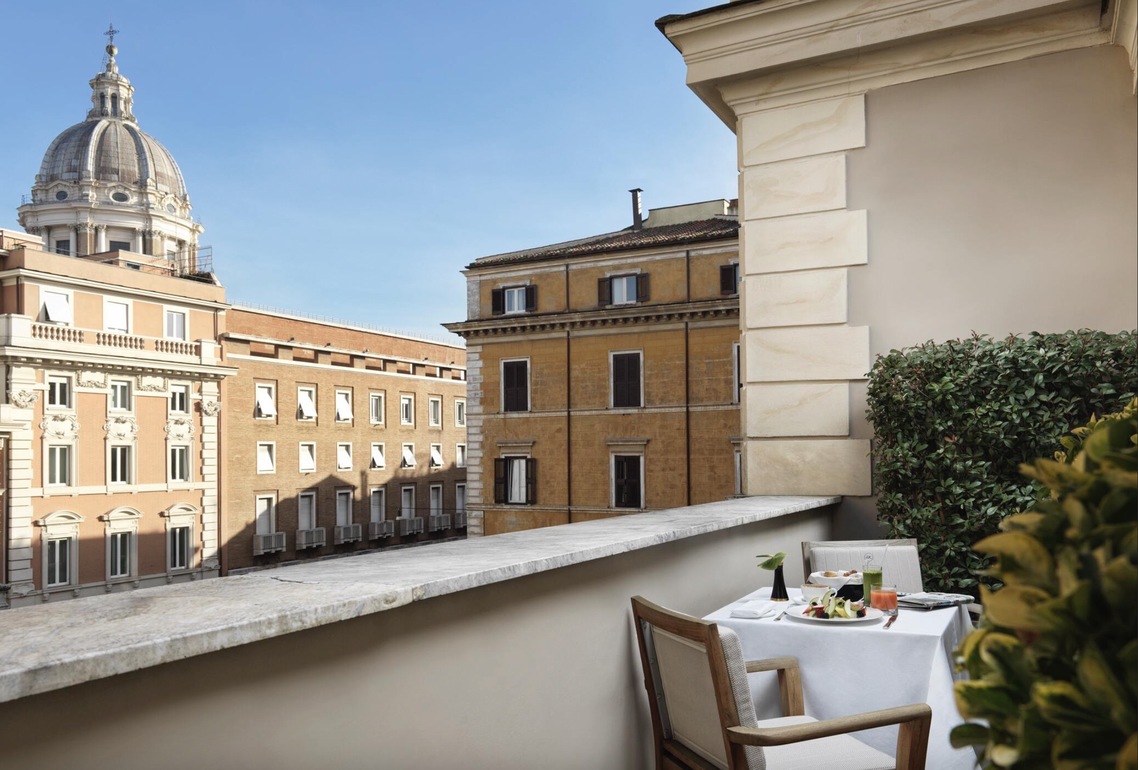
What makes the J.K. Place experience so compelling is its ability to feel deeply personal. The hotels possess none of the stiffness that often defines traditional luxury hospitality. Instead, there is warmth, discretion, and an almost residential sense of ease that makes guests feel less like visitors and more like exceptionally well-connected insiders. Every detail, from the softly layered interiors to the understated style of service, is designed to create comfort without sacrificing sophistication. Nowhere is that duality more beautifully expressed than between Rome and Capri.
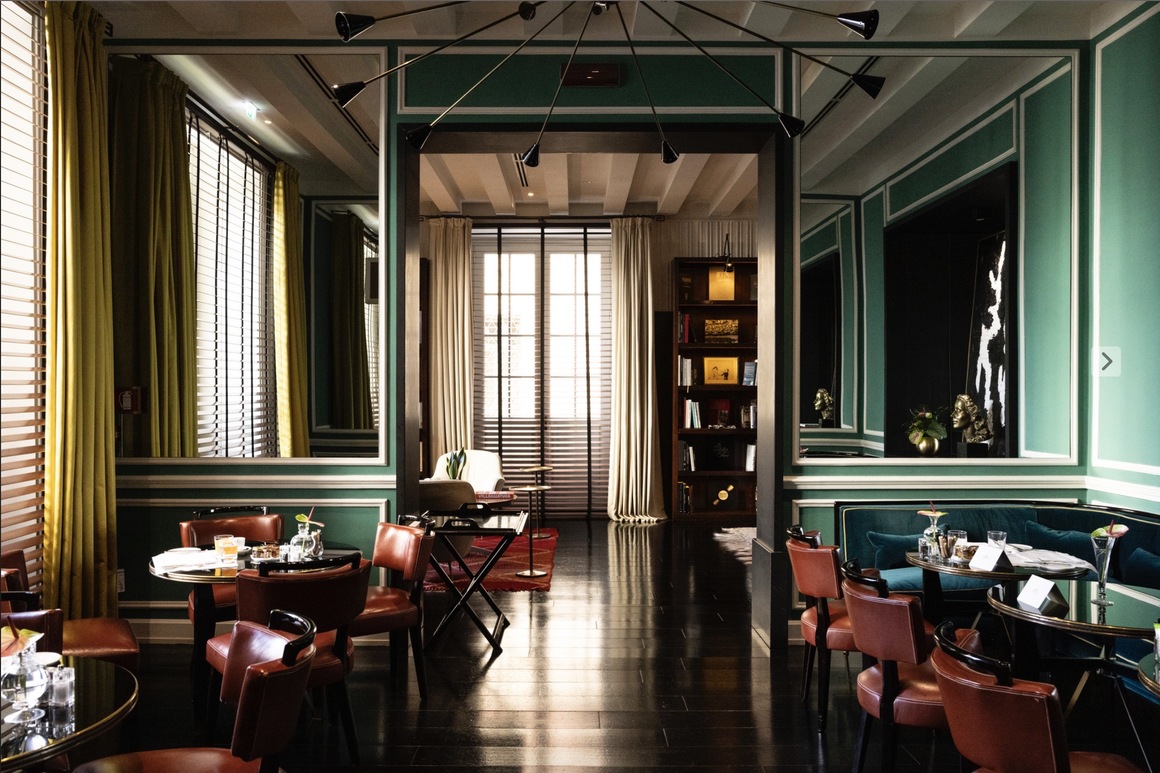
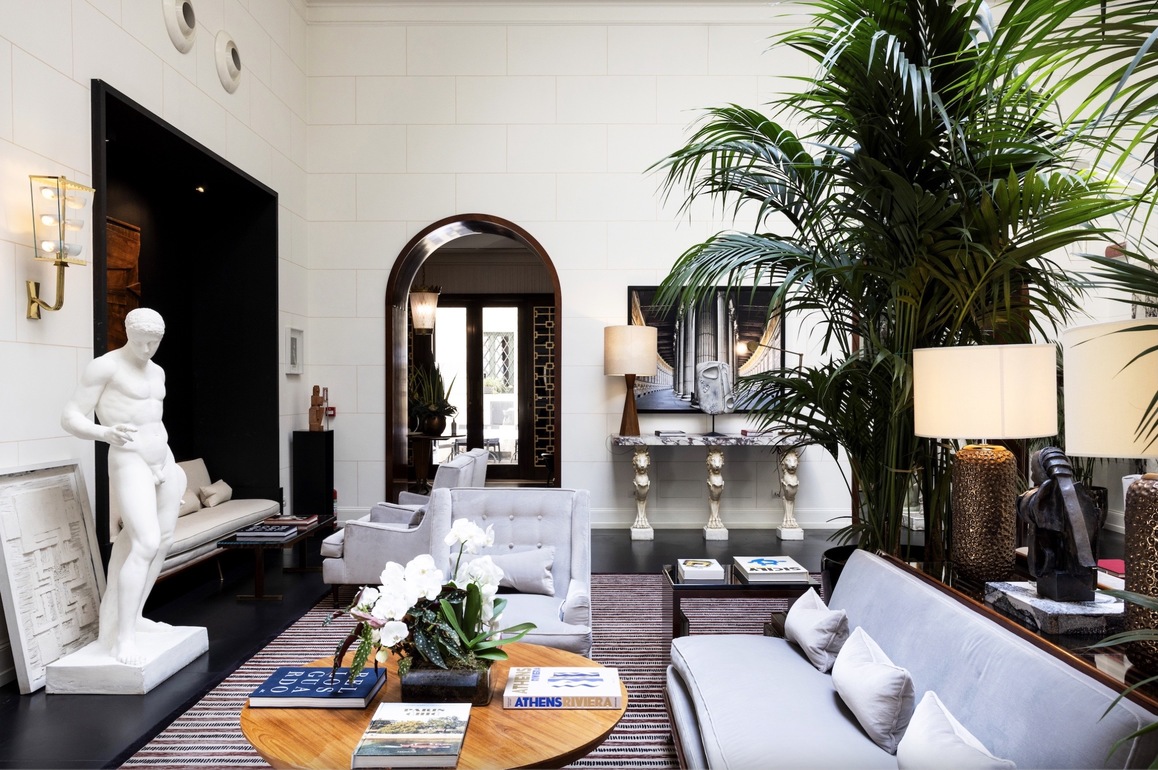
In Rome, J.K. Place Roma offers a version of the Eternal City that feels polished, intimate, and quietly cinematic. Hidden just beyond the energy of Via Condotti and the Spanish Steps, the hotel occupies a former school of architecture, though its atmosphere feels far more residential than grand. Arriving inside is like stepping into the private Roman apartment of someone impossibly cultured, the sort of person who keeps fresh flowers in every room, knows every maître d’ in the city, and somehow always has dinner plans that begin late and end even later. Designed by Michele Bönan, the interiors balance classic Italian elegance with contemporary restraint. Rich woods, marble bathrooms, brass accents, tailored furnishings, and carefully chosen antiques create spaces that feel collected rather than decorated. The mood is refined without becoming formal, luxurious without ever appearing calculated.
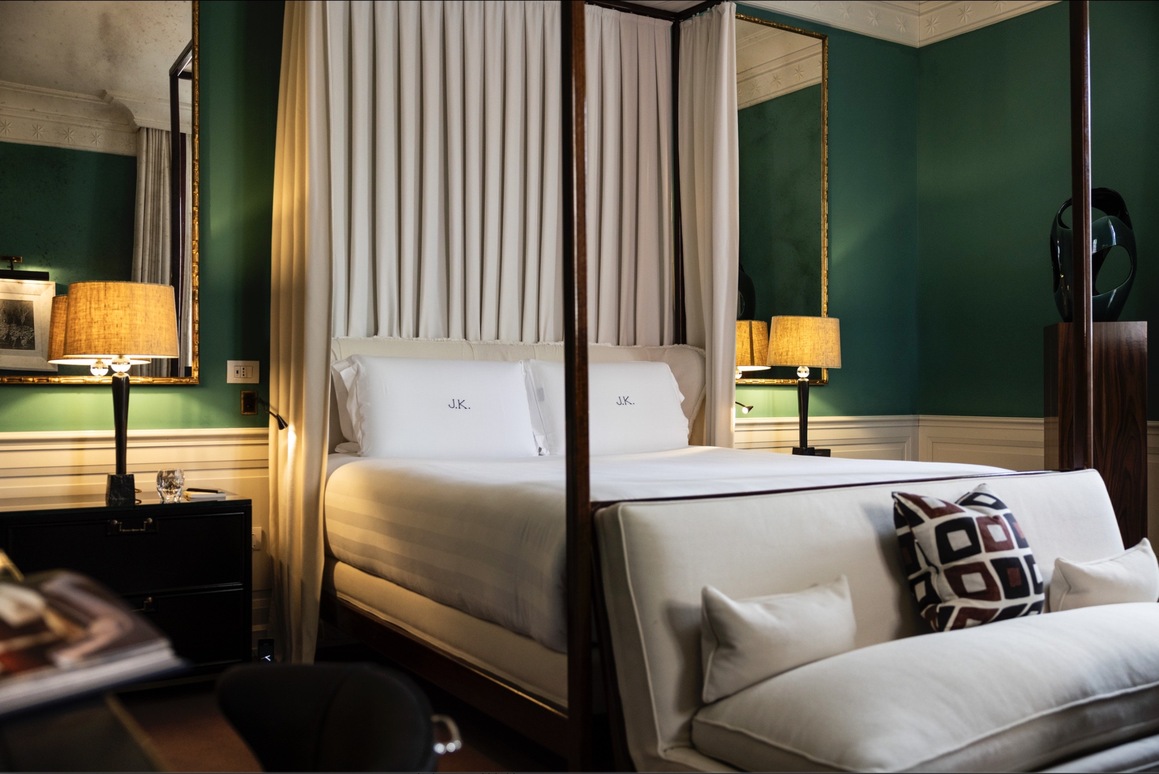
Summer brings a particular beauty to Rome, and J.K. seems perfectly attuned to its rhythm. Mornings begin slowly over cappuccinos and newspapers before the city fully wakes. Afternoons unfold between galleries, long lunches, and shaded piazzas glowing beneath the Roman heat. By evening, guests retreat briefly to the calm of the hotel before disappearing back into the city for aperitivo and candlelit dinners. Rome feels less overwhelming from inside J.K. Place. More elegant. More livable.
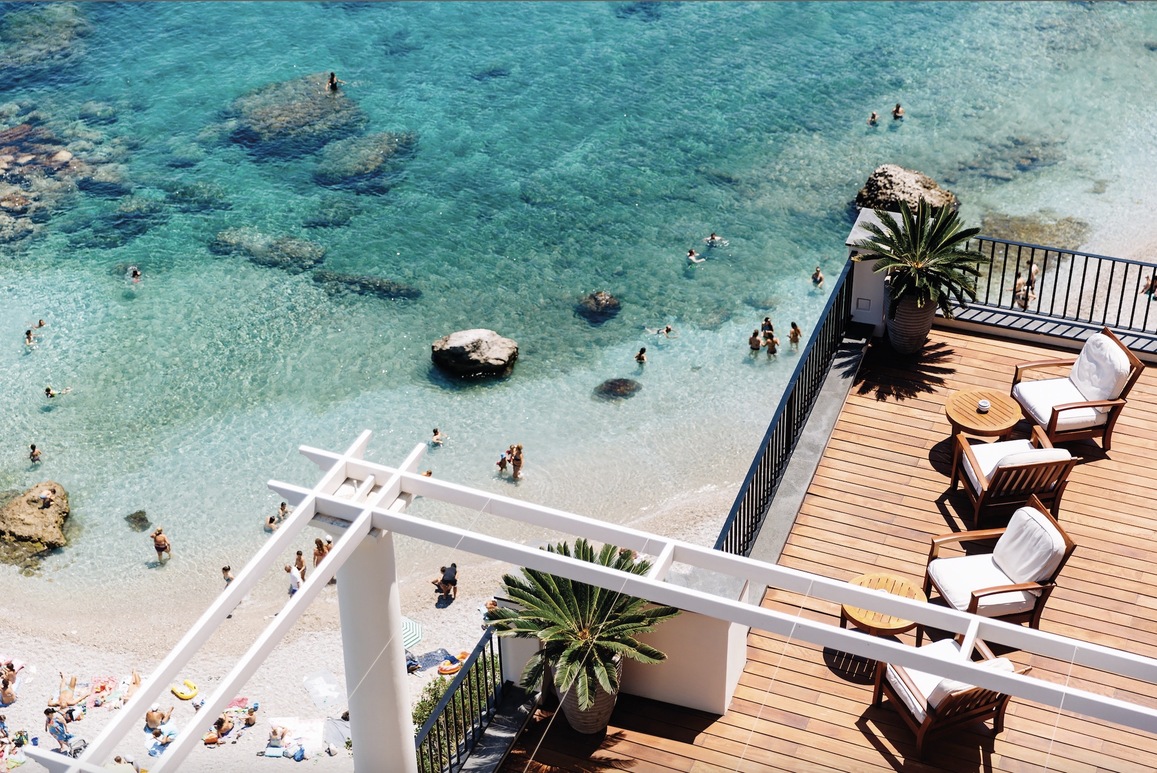
Then comes Capri. The transition from Rome to Capri feels almost essential to the mythology of the Italian summer itself. After the structure and sophistication of the city, Capri offers release. The pace softens. Linen replaces tailoring. Days become organized less around schedules than around sunlight and the sea. Perched above Marina Grande, J.K. Place Capri has long represented one of the island’s most sophisticated retreats precisely because it avoids overt performance. While much of Capri leans into visibility and spectacle during the summer season, J.K. remains grounded in a quieter, more private kind of glamour.
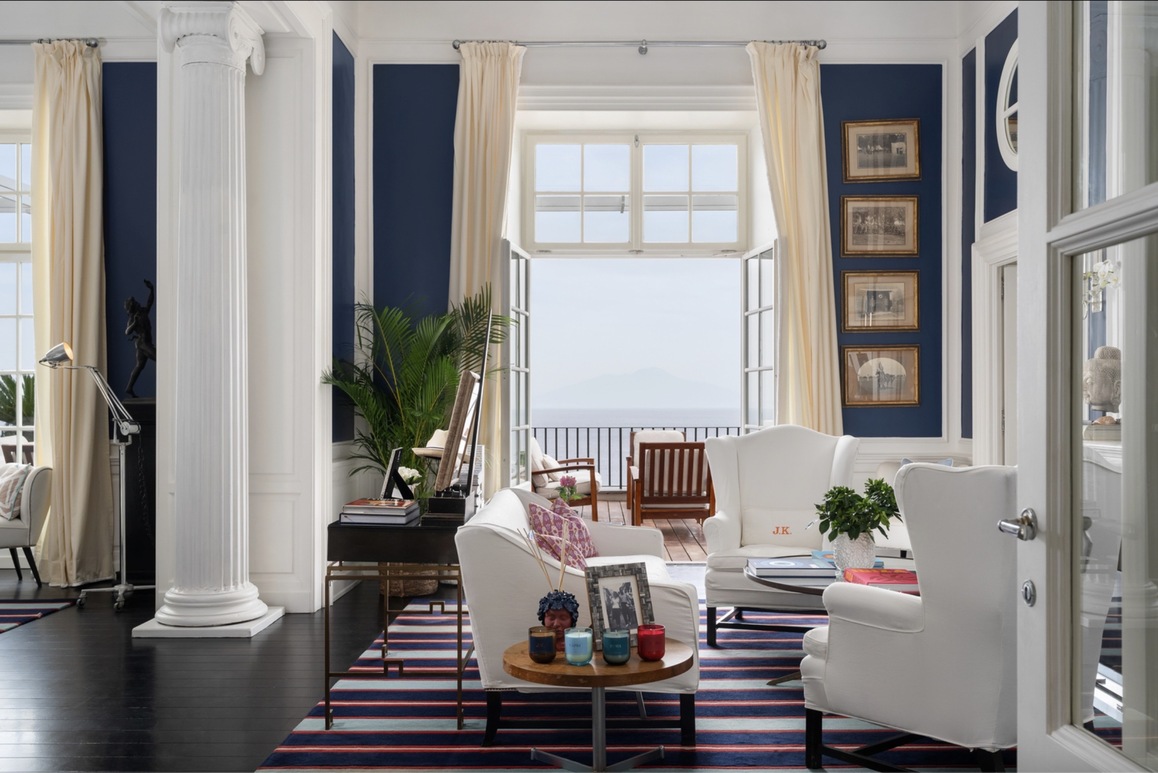
The aesthetic is unmistakably Mediterranean: crisp white walls, navy detailing, striped textiles, terraces opening toward impossibly blue water. Yet the true luxury lies in the emotional atmosphere the hotel creates. Breakfast stretches leisurely into midday. Afternoons disappear beside the pool or aboard private boats drifting past the Faraglioni. Evenings begin with cocktails overlooking the Bay of Naples before unfolding into dinners that linger long past sunset. Like its Roman counterpart, J.K. Place Capri excels in creating the illusion of private ownership. Guests are not made to feel like hotel customers, but rather temporary residents of an exceptionally beautiful seaside villa staffed by people who understand luxury instinctively rather than performatively.
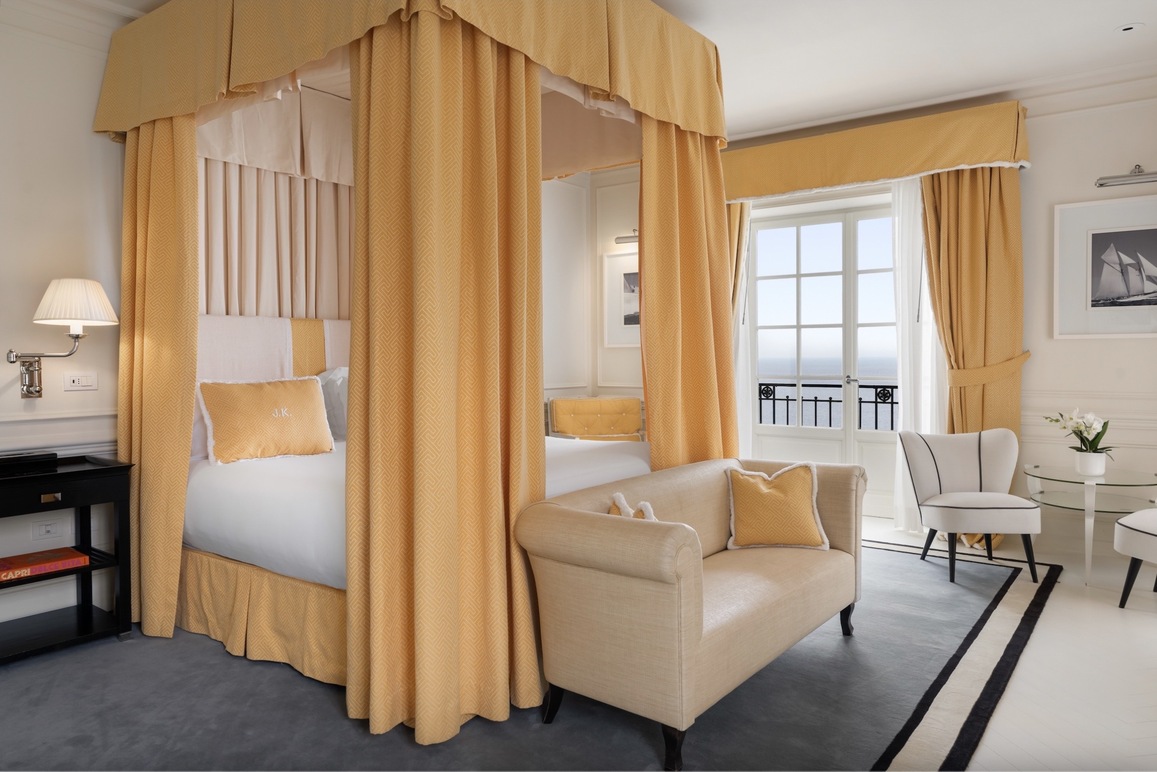
Together, J.K. Place Roma and J.K. Place Capri offer something increasingly uncommon in luxury travel: a sense of continuity. The experience flows naturally from one destination to the next, carrying the same visual language, emotional tone, and understated confidence from the streets of Rome to the cliffs of Capri. By the end of the journey, what remains is less a memory of hotel stays than a feeling. Morning light filtering through Roman windows. The stillness of a terrace above the sea. Late dinners, open balconies, polished wood, white linen, salt on sun-warmed skin. Through both properties, J.K. Collection captures a version of Italy that feels timeless, deeply stylish, and entirely shaped by the romance of an Italian summer.