There is an issue quietly lurking in cities and towns from coast to coast in America. That issue is animal hoarding and abandonment, and while it has always been an issue, it’s one that is on the rise. As rescue organizations scramble to meet the needs of so many animals caught up in such a situation, they also want the public to be aware of it and what they can do to help.
“We are seeing a sharp increase in the number of calls we are getting regarding animal hoarding and abandonment,” says Kelly Basham, critical incident director for Guardians of Rescue. “It’s a heartbreaking situation and one that we need help with if we are to meet the needs of the public and help these poor animals involved.”
As inflation and the rising cost of living continue to strain households nationwide, Guardians of Rescue are seeing a direct impact on pet ownership. Higher costs for food, veterinary care, housing, and basic necessities are forcing some individuals into difficult situations, leading to an increase in pet abandonment and contributing to already overwhelmed living conditions in hoarding cases. Financial stress is not only driving more animals into shelters, but also making it harder for individuals struggling with hoarding behaviors to properly care for the animals they have taken in.
What often starts out as an act rooted in compassion, it leads to a situation that becomes dire, with animal hoarding and abandonment. There are people who want to take in many animals to help them, only to end up having the opposite effect on them, as it leads to them not being taken care of properly. In many cases, the animals end up diseased and dead.
According to research published in published in PubMed in 2023, animal hoarding is a complex condition that requires urgent attention. They conducted a systemic search of literature that included 374 studies on the topic, which evaluated over 500 animal hoarders. They found that the people were largely middle-aged, unmarried women who lived alone in urban areas. Their residences were mostly unsanitary, and they most commonly hoarded dogs and cats. They report that animal carcasses were found at 60% of the properties and there was a recidivism rate of up 41%.
Animal hoarding is often out of sight, hidden away within homes, so that those in the area don’t see it right away. It starts small and then the problem grows until it becomes unmanageable for the person. Meanwhile, the animals suffer from a lack of proper care, food, sanitary conditions, and safety. Animal hoarding is a condition where someone acquires a large number of animals and fails to provide proper care for them. It’s a mental health condition that is related to obsessive-compulsive disorder.
There are some things people can do to help with the rise in animal hoarding and abandonment, including:
- Report situations. Those who suspect animal hoarding should report it so that it can be properly investigated and addressed. Those hoarding animals have family members, and there’s likely someone who knows they are doing it.
- Raise community awareness. Making sure the community knows what animal hoarding is and what to do about it is an important step. Whether posting about it online, talking with friends about it, or holding an informational session, it’s important to get the word out.
- Use understanding. Approaching the situation with compassion is ideal. Animal hoarding is a mental health issue, more than an animal cruelty issue. Both the animals being hoarded and the person doing the hoarding need help.
- Volunteer at shelters. Local shelters are seeing a rise in animals being turned in, putting them in a position to need volunteers to help care for the animals. Also, foster families are often needed when there are rescues.
- Support rescue organizations. The organizations on the ground helping hoarding and abandonment situations, such as Guardians of Rescue, count on the support of others to be more effective. Donating to them is a simple way to help with the situation.
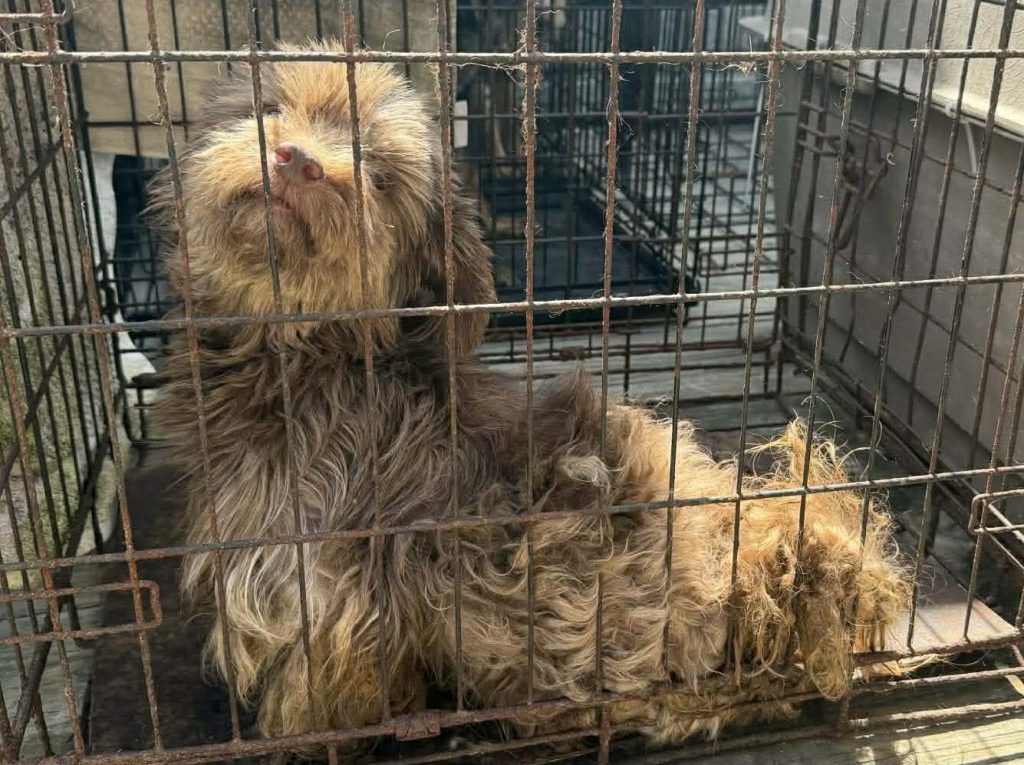
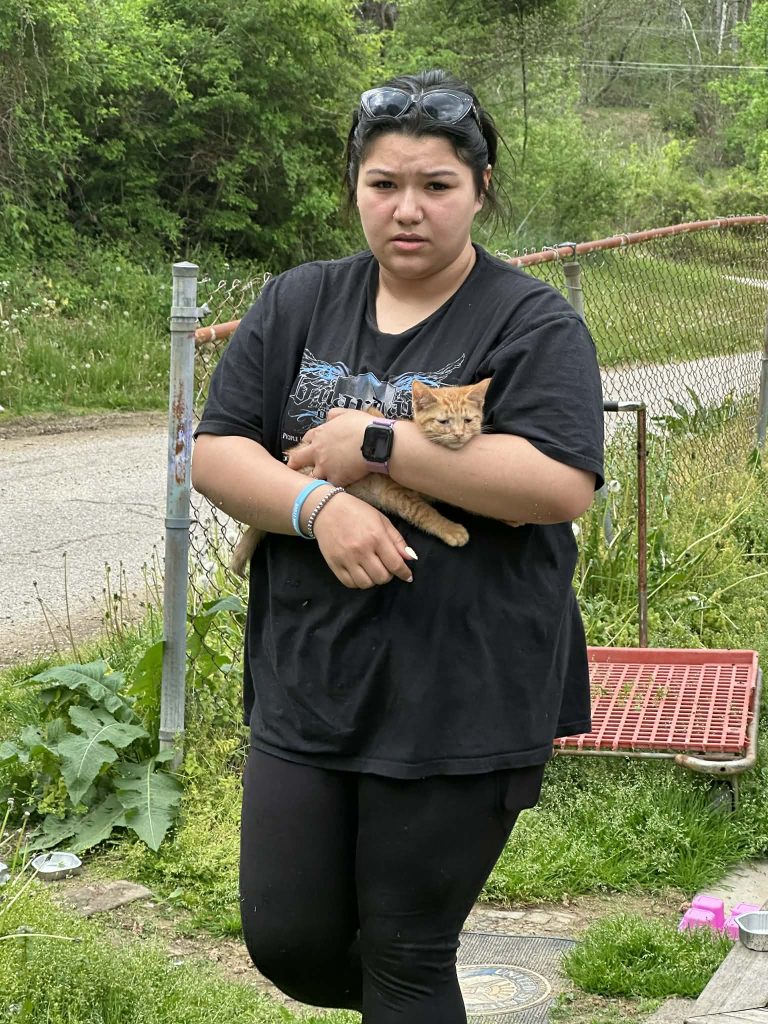
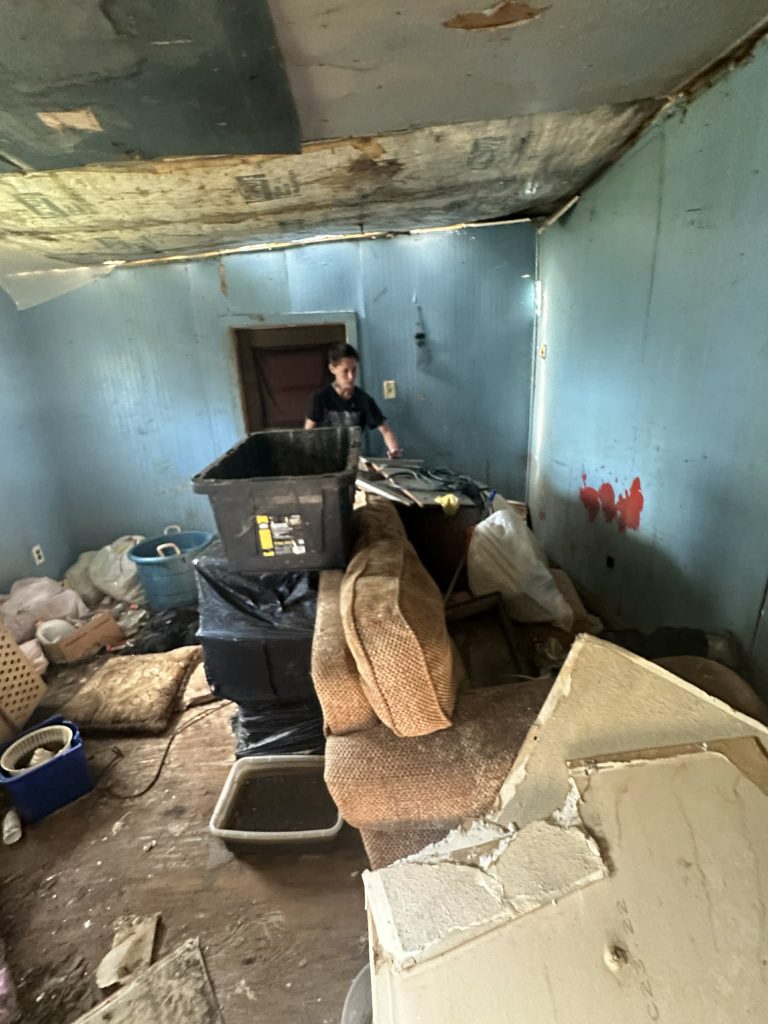
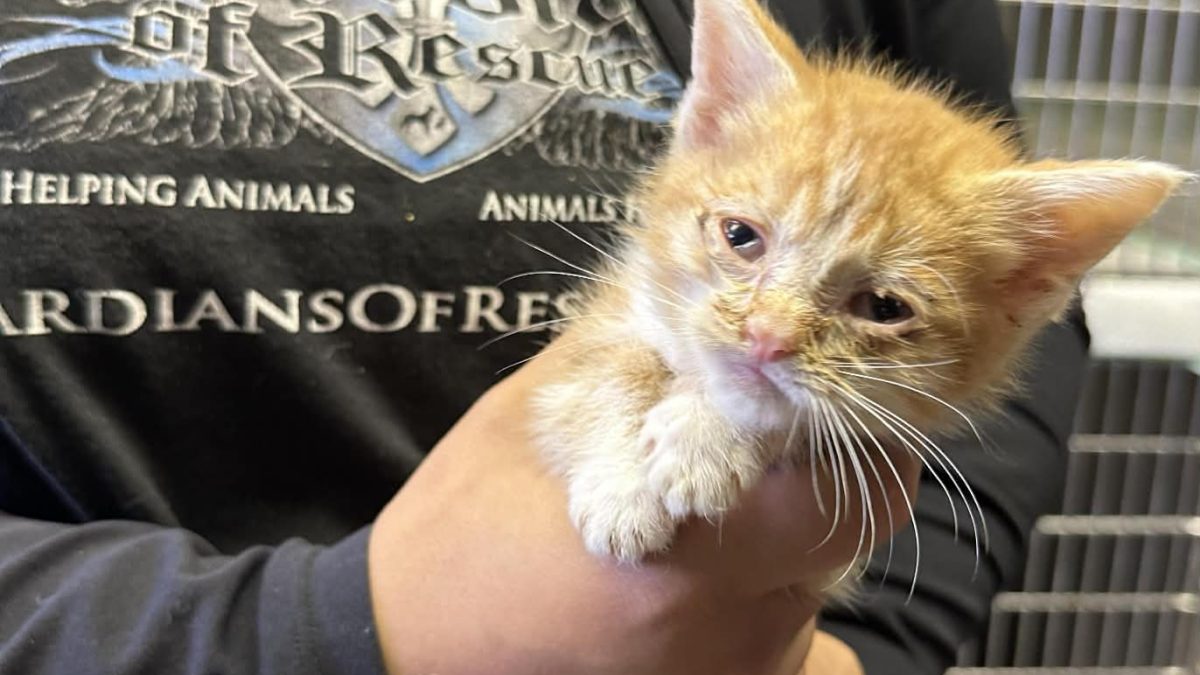
Guardians of Rescue is currently working on “Operation Abandoned,” where they were called in by animal control to help with a dire situation. So far, they have found 73 animals left behind by animal hoarders, which includes 31 dogs, 30 cats, six kittens, six neonate kittens, and a turtle. Many of the dogs were trapped in cages, unable to fend for themselves and the house was in shambles and in no condition for humans or animals to live in. The rescue team is still actively working to catch additional animals on the property hiding from human contact.
“This case is a heartbreaking example of what happens when animals are abandoned and neglected,” said Basham. “Operation Abandoned is not just a rescue it’s a promise that we will not leave until every animal is safe and those responsible are held accountable.”
Guardians of Rescue provides various services to help save animals, reunite people and pets, investigate animal cruelty cases, and offer disaster response assistance, such as in the aftermath of hurricanes. Their work has impacted people and animals around the world. They can only continue their work through the generosity of those who donate to support the cause. To get more information or make a donation, visit the site at www.guardiansofrescue.org.