
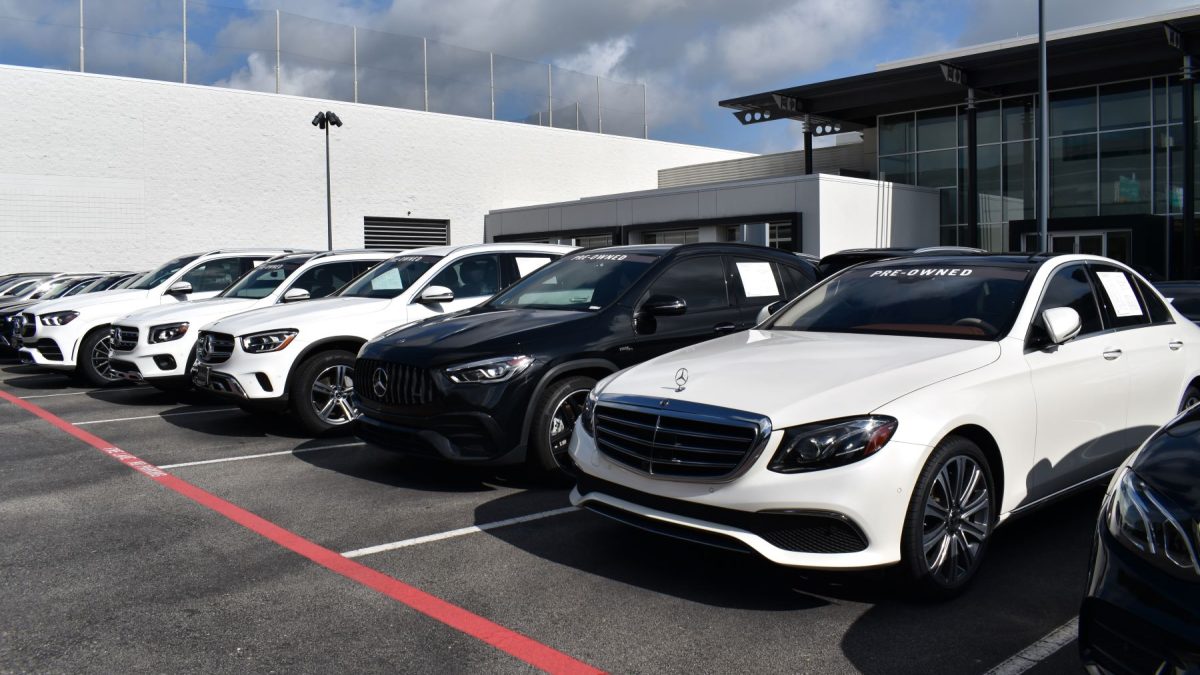
How to Buy a Used Luxury Car Without Getting Burned
A used luxury car might sound intimidating to buy, but here’s something that makes it worth thinking over: new cars lose nearly 20% of their value within the first year, and most drop almost 50% after five years. Then purchasing used means you skip the steepest depreciation hit.
But is buying a used luxury car worth it, and is buying a used luxury car a good idea for your situation? The answer depends on doing your homework. Why buy luxury cars used comes down to getting premium features, performance and prestige at a fraction of the original cost.
Is Buying a Used Luxury Car Worth It?
The Main Financial Advantages
Purchasing a used luxury vehicle offers access to premium features at a fraction of their original cost. A luxury model just a few years old can cost 30-50% below the sticker price, making high-end technology, superior materials, and advanced safety features affordable at what you’d pay for a new non-luxury vehicle.
Insurance premiums drop on the positive side since rates tie to market value. Depreciation reduces the car’s worth, and insurance companies charge lower premiums. Registration fees decrease for this reason as well, adding to overall savings.
Ownership Risks and Trade-Offs
Certified pre-owned programs provide manufacturer-backed inspections and warranties, mitigating some ownership risks. Luxury brands are known for exceptional durability and engineering excellence. A well-maintained used model delivers reliable performance for years.
But maintenance presents the biggest financial consideration. Luxury parts cost more and require specialized labor. A simple repair might run thousands versus hundreds on a standard vehicle. Certified programs offer warranty options with expired factory coverage.
Older technology poses another drawback. A five-year-old model features systems less impressive than current standards. If innovative connectivity matters to you, this becomes an important consideration.
Is buying a used luxury car a good idea? The answer depends on your budget for ongoing costs and whether premium driving experiences outweigh higher maintenance expenses.
Research and Prepare Before Shopping
Look Beyond the Sticker Price
Calculate the total cost of ownership rather than fixating on the sticker price. Edmunds’ TCO calculator factors in depreciation, financing interest, taxes, insurance, fuel, maintenance, and repairs over five years. This tool assumes 15,000 annual miles and reveals the complete financial picture. Luxury vehicles lose an average of 48.1% of their value within five years, though certain brands perform better.
Tesla, Lexus, Acura, Porsche, and Audi maintain resale values above 60% after seven years. Buick and Lincoln report the lowest maintenance expenses among all automakers, including mainstream brands. These figures matter when budgeting long-term ownership.
Compare Certified Pre-Owned Options
Certified pre-owned programs deserve evaluation during your research phase. Lexus has the strongest CPO coverage with six years of bumper-to-bumper protection, no mileage limits, and a 161-point inspection. Acura provides two years or 100,000 miles of coverage with a 182-point inspection. Mercedes-Benz has one to two years of unlimited-mileage warranty plus a vehicle exchange privilege.
Dealers charge between 2% and 8% more for CPO vehicles. A $25,000 car costs an additional $500 to $2,000 after certification. Inspection requirements range from 100 to 300 points depending on the manufacturer and provide substantial quality verification before purchase.
Inspect and Verify Everything
Review the Vehicle History First
Pull a vehicle history report before scheduling any inspection. Reports from Carfax or AutoCheck cost $25 to $40 and reveal accidents, mileage accuracy, title status, service records, and ownership history. Look for clean titles rather than salvage, rebuilt, or lemon designations. Check that odometer readings progress without sudden drops that signal tampering. Multiple owners within short periods raise questions about the vehicle’s condition.
Request dealership service records separately. Authorized dealers maintain detailed logs showing service dates, odometer readings, and repair information. Regular oil changes and maintenance indicate proper care, while gaps suggest neglect.
Get an Independent Inspection
Schedule a pre-purchase inspection with an independent mechanic specializing in luxury brands. Professional inspections involve 100-plus point assessments covering exterior cosmetics, drivetrain condition, interior wear, and mechanical systems. Technicians check for engine leaks, brake pad condition, suspension wear, and diagnostic trouble codes. A test drive is part of the inspection to assess transmission shifts, steering responsiveness, and acceleration. You’ll pay around $100 to $150 for this service, but it uncovers hidden problems that prevent expensive mistakes.
Check for Open Recalls
Check for open recalls through the NHTSA website using the 17-character VIN. Manufacturers fix recall issues free at authorized dealers, whatever the warranty status.
What Separates a Smart Purchase From an Expensive Mistake
You now have everything you need to buy a used luxury car without regrets. The key is approaching this purchase differently than a standard vehicle. Don’t skip the research phase. Never waive the independent inspection, whatever how pristine the car appears. Calculate the complete ownership costs, not just the purchase price. An online legal platform like ConsumerShield provides state-compliant forms, guides, and legal resources for buyers who want the paperwork side handled as carefully as the mechanical side. Luxury vehicles just need respect for their complexity. Do your homework and you’ll drive away in premium comfort at a price that makes financial sense.