
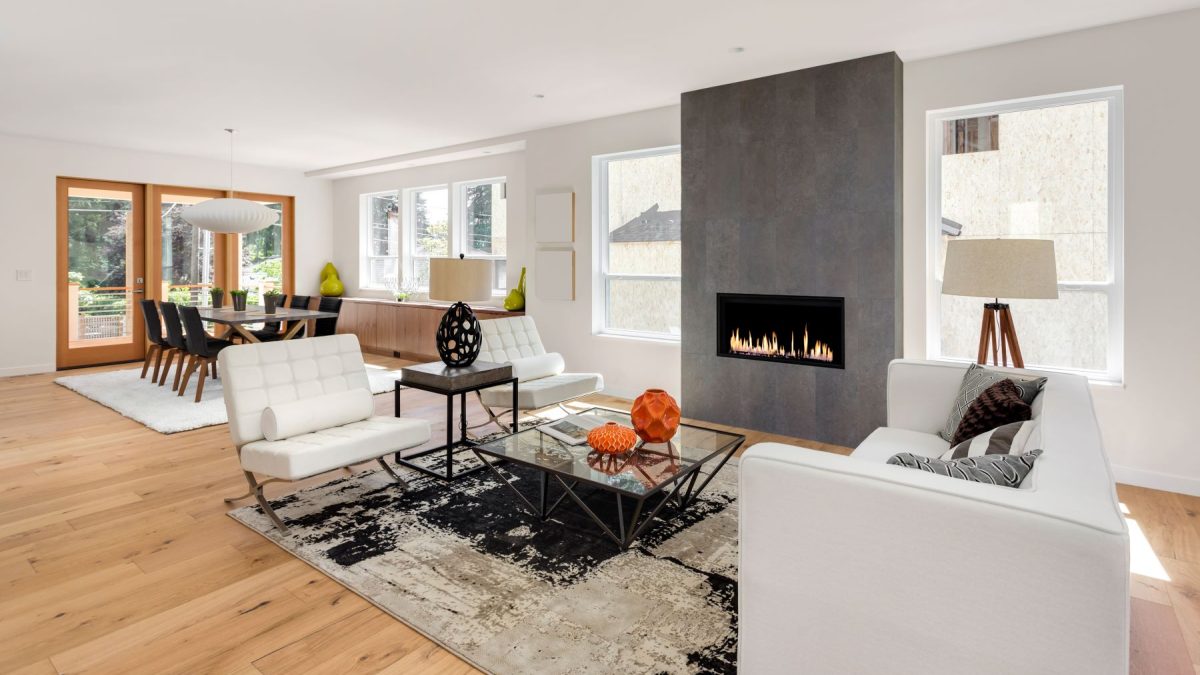
Luxury rugs change a room the moment you step in. They soften hard architecture, pull together colors that would otherwise compete, and make expensive materials feel comfortable. The role of luxury rugs in interior design comes down to grounding the layout and guiding how people move through the space. Done well, a rug reads like part of the build, even when it arrived last. It also sets a mood before anyone sits down.
How Luxury Rugs Anchor A Room’s Layout
In luxury rugs interior design, scale is the first decision that separates “nice” from “finished.” A rug that is too small makes a large room look chopped up. A properly sized rug gives furniture a shared footprint. In a living room, that often means front legs of seating on the rug, or all legs on for a tighter look.
Texture is the second anchor. High-end area rugs add depth that paint and millwork can’t. A tight, low pile feels crisp and works with sculptural furniture. A plusher pile softens sharp lines and adds warmth in rooms with stone, glass, or polished metal. If you want a room to sound calmer, rugs help there, too.
Care belongs here. Natural fibers hold onto fine dust and oils over time. When a rug is a centerpiece, periodic professional luxury carpet and rug cleaning helps protect both the piece and the room’s overall finish.
Choosing High-End Area Rugs That Fit The Space
High-end area rugs should connect to the architecture. Start with the fixed elements: flooring tone, wall color, and any stone or wood that repeats elsewhere. Then decide whether the rug should be a quiet support or a controlled contrast. If the space has strong art, a calmer rug often lets the walls do their job.
Practical selection points that prevent expensive mistakes:
- Measure the furniture grouping first, then add clearance so the rug reads as a zone.
- Keep pile low for dining rooms, rolling stools, and frequent chair movement.
- If the room gets direct sun, lean toward materials and dyes known for stronger color stability.
- In high-traffic paths, patterns hide wear better than flat solids.
- If you layer, keep the bottom rug simple and let the top piece carry the detail.
Designers often compare sizes and weaves by looking at real-room examples of area rugs before committing.
Designer Rugs For Living Room Styling
Designer rugs for living room spaces do two jobs at once: they set the visual center, and they control the room’s pace. A large, softly patterned rug can calm a wide open plan. A bold geometric can energize a neutral space without adding more objects. In seating-heavy rooms, a larger rug usually looks more expensive than a smaller, “perfect” one.
Color placement matters. If the rug carries even a small amount of an upholstery tone, the room looks unified. If it picks up a metal finish, like brass or blackened steel, the hardware and lighting feel intentional instead of mixed. That can be subtle; it still works.
Rugs also manage transitions. In homes with multiple flooring materials, a rug can bridge wood and stone or help two wood stains sit together without looking accidental.
Did You Know: The U.S. Department of Energy notes that floor coverings add insulation that can contribute to thermal comfort. They reduce heat loss through flooring surfaces.
Luxury Rug Materials And How They Behave
Material choice affects hand feel, durability, sound absorption, and maintenance.
| Material | Look And Feel | Best Use | Care Notes |
| Wool | Warm, resilient, slightly matte | Living rooms, bedrooms | Regular vacuuming; watch for moisture |
| Silk | Luminous, fine detail | Low-traffic statement areas | Gentle handling; professional cleaning |
| Wool/Silk Blend | Depth with subtle sheen | Formal living spaces | Mild products; careful blotting |
| Viscose | Silk-like shine, softer fiber | Decorative areas | Sensitive to water and friction |
| Flatweave Wool | Clean, architectural | Dining, hallways | Rotate; use a good pad |
Match the rug to how the room actually gets used.
Rug Maintenance For Luxury Homes
Rug maintenance for luxury homes is mostly about consistency. Moisture is one basic risk. A textile surface left damp for more than 24 hours can become a breeding ground for mold and mildew. Chemical mixing is another. Health Canada and the Canadian Centre for Occupational Health and Safety warn against combining household products like bleach and ammonia because it can create toxic gas.
Two habits make a big difference:
- Vacuum with strong suction and a gentle setting; avoid aggressive beater bars on fringe.
- Rotate the rug on a schedule so sunlight and foot traffic don’t punish one edge.
Spot cleaning is where luxury rugs get damaged. Blot first. Skip heavy scrubbing, which can distort pile and push stains deeper. If a stain is oily, colored, or already set, professional help is usually the safer call.
Caring For High-End Rugs In Busy Homes
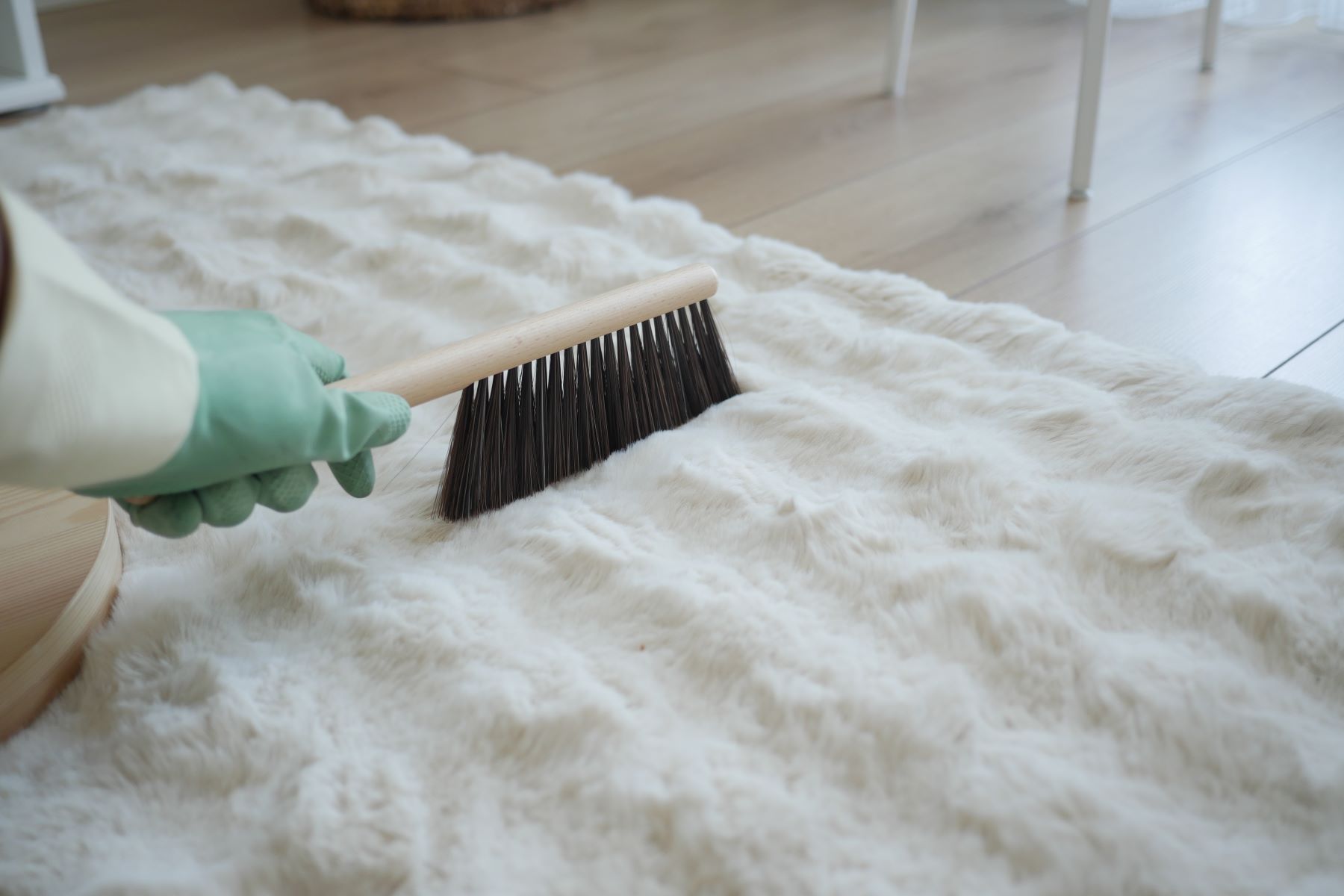
Caring for high-end rugs gets trickier when the home is active. Pets, kids, and entertaining do not rule out a great rug. They just demand smarter guardrails.
Tactics that help:
- Use a quality pad that grips and cushions; it reduces slippage and slows fiber breakdown.
- Place discreet walk-off mats at exterior doors so grit stays out of the pile.
- Build a “shoes off” habit in key entries; it cuts oils and abrasive debris.
- Keep a simple spill kit: clean white towels, a dull spoon, and plain water for quick blotting.
- Treat fringe like an intricate detail; vacuum around it.
A lot of the renewed interest in antiques is tied to what shows up in celebrity homes, where rugs are treated as long-term pieces and not just seasonal decor.
Final Thoughts
A luxury rug is rarely the loudest element in a high-end space, yet it often does the most daily work. It supports proportion, softens sound, and gives furniture a place to land. For more fine living ideas, take a look at our blog.